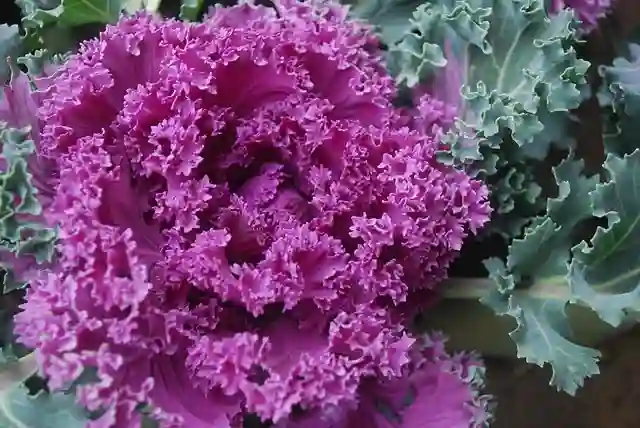
Did you know that while most gardens turn brown and dormant in winter, one remarkable plant actually intensifies its color as temperatures drop? This surprising fact makes Alabama Ornamental Kale a true standout in cold-weather landscaping.
When flowering plants fade and summer blooms disappear, this hardy variety brings vibrant hues to your outdoor space. The cooler weather triggers a dramatic transformation in its foliage.
The leaves develop striking shades of pink, purple, white, and red. These colors become more brilliant with each frosty night. This creates a stunning contrast against the sleeping winter landscape.
These plants thrive when others struggle. They can survive freezing temperatures and even light snow. This makes them perfect for extending your garden’s visual appeal deep into the colder months.
Whether planted in beds, containers, or borders, they offer design flexibility. Their low maintenance needs and natural pest resistance make them practical choices for busy gardeners seeking reliable winter beauty.
Key Takeaways
- Provides vibrant color when most other plants are dormant
- Leaf colors intensify as temperatures drop
- Survives freezing conditions and light snow
- Works well in various garden settings and containers
- Requires minimal maintenance throughout the season
- Offers ever-changing visual interest all winter long
- Complements both formal and casual garden designs
Exploring Ornamental Kale Varieties and History
With roots tracing back over 4,000 years, the story of ornamental kale reveals a fascinating transformation from functional vegetable to decorative garden star. This journey spans continents and centuries.
Evolution and Origin of Ornamental Kale
The brassica oleracea species originated in the Mediterranean region. Ancient civilizations cultivated these plants for their edible qualities.
Trade routes carried these varieties to China by the 4th century. They eventually reached Japan, where selective breeding created stunning ornamental types. American gardeners discovered these plants in 1936 after Howard Dorsett’s expedition.
Distinguishing Ornamental Kale from Cabbage
Both ornamental cabbage and kale belong to the same brassica family. The key difference lies in their leaf structure.
True kale varieties feature deeply-cut, curly, or ruffled leaves. Ornamental cabbage displays broad, flat leaves with colored edges. Both form tight rosettes rather than heading like edible cabbage.
Modern breeding has produced diverse types with unique colors and textures. Each variety brings special characteristics to garden designs.
Planting and Caring for Alabama Ornamental Kale
Successful cultivation begins with understanding the specific needs of these temperature-sensitive decorative plants. Proper timing and preparation ensure vibrant displays throughout the colder months.
Soil Preparation and Fertilization Tips
Begin with rich, well-prepared soil for optimal growth. Incorporate 3 to 4 inches of organic matter with slow-release fertilizer. This creates the perfect foundation.
Maintain soil pH between 6.0 and 7.0 for nutrient availability. Space plants 12 to 18 inches apart to prevent crowding. This allows each specimen to reach its full potential.
Watering, Mulching, and Temperature Guidelines
Consistent watering establishes strong root systems after planting. Mulch helps stabilize soil temperatures and conserve moisture. These practices support plant health throughout the season.
These cold-hardy specimens truly shine when temperatures drop below 50°F. Established plants can survive readings as low as 5°F. This remarkable tolerance extends their display into spring.
| Temperature Range | Plant Response | Recommended Action |
|---|---|---|
| Above 60°F | Minimal color development | Focus on establishment watering |
| 50°F to 60°F | Initial color changes begin | Maintain consistent moisture |
| 40°F to 50°F | Colors intensify significantly | Apply protective mulch layer |
| 30°F to 40°F | Peak coloration achieved | Monitor for frost protection |
| Below 30°F | Colors remain vibrant | Plants require no special care |
Landscape Applications and Creative Garden Ideas
Beyond simple cultivation, creative placement is the key to unlocking the full decorative potential of these hardy specimens. Thoughtful design integrates them seamlessly into the autumn and winter scenery.
Integrating Ornamental Kale into Fall Displays
Position each plant to best showcase its colorful center. Use them as striking focal points in borders.
Mass plantings create dramatic sweeps of color. They compensate for the absence of summer blooms. Combine them with fall perennials like little bluestem grass or asters for textured, layered beds.
Using Containers and Mixed Plantings Effectively
Containers offer incredible versatility. A central flowering kale surrounded by pansies makes an instant, elegant display.
This approach works perfectly on patios and entryways. For more complex arrangements, mix with other frost-tolerant plants. Swiss chard, snapdragons, and chrysanthemums are excellent companions.
These combinations allow for custom color schemes. They extend seasonal interest with minimal effort. For detailed guidance on successful container gardening, consult reliable resources.
Managing Pests and Maintaining Aesthetics
Late-season planting helps reduce pest issues. Watch for cabbage loopers, the green worms that can quickly damage leaves.
Vigilant monitoring for the white moths that lay eggs is crucial. Prompt control with appropriate treatments preserves the plant’s beauty. Early intervention ensures vibrant colors last all season.
Conclusion
Gardening success extends beyond the warm months with plants that actually prefer the crisp air of autumn and winter. The brassica oleracea family offers remarkable solutions for continuous garden beauty.
These cold-loving varieties provide vibrant color when most other plants fade. Their dramatic leaf transformations create stunning displays throughout the colder seasons. This makes them invaluable for extending visual interest.
By implementing the strategies outlined in this article, gardeners can achieve spectacular results. The combination of minimal care and maximum impact makes these plants exceptional choices. They bring life to sleeping landscapes with their brilliant colors.
Embrace the changing seasons with confidence, knowing your garden can remain vibrant year-round. These resilient specimens prove that beauty doesn’t retreat with the warmth—it simply transforms.
