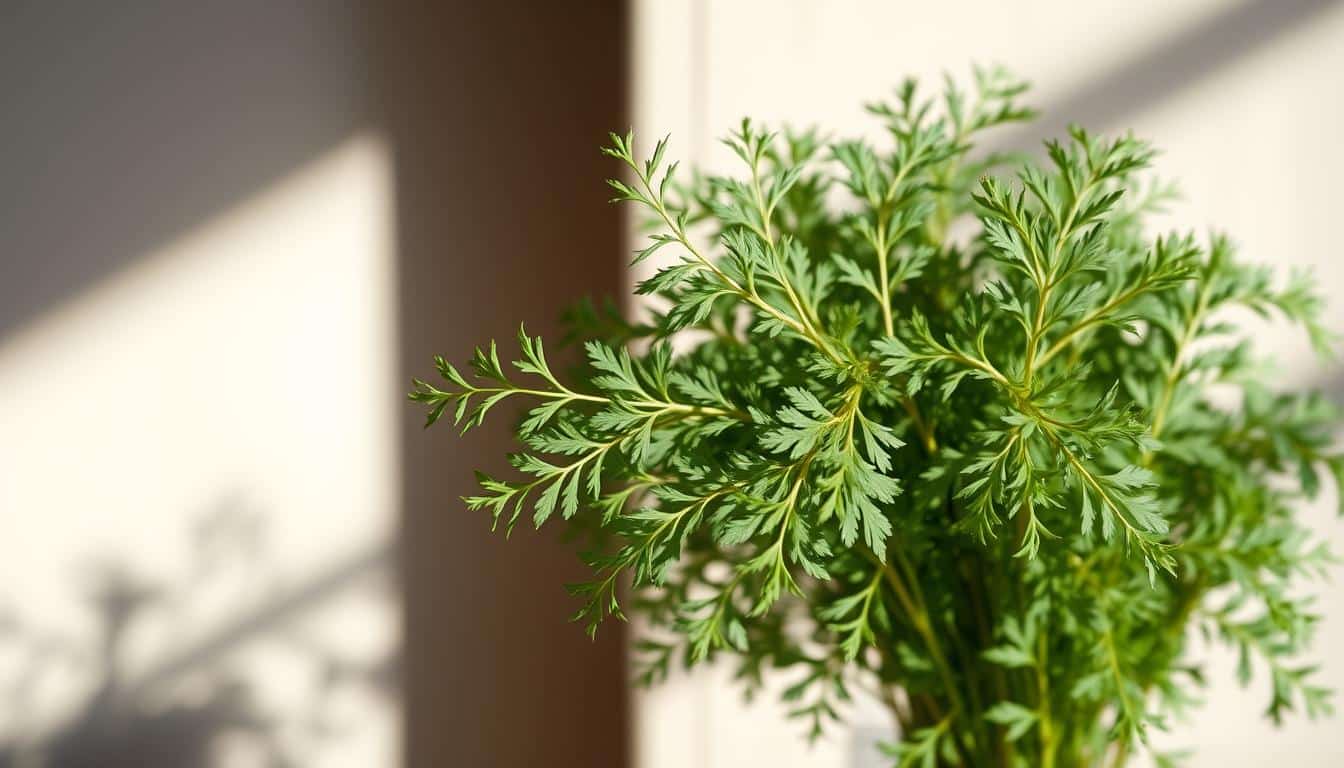
Looking for a simple way to lift winter salads with a subtle, classic taste?
Arizona Chervil is a culinary chervil adapted for cool-season growing in the Southwest. It brings a mild anise-licorice note that brightens greens without stealing the show.
This herb has a French pedigree and thrives when given partial shade, moist loamy soil, and steady care. Grow it in beds or in a deep pot by your kitchen to snip fresh sprigs for eggs, poultry, and fish.
Seeds sprout easily at about 60–65°F when sown shallow and spaced correctly. Remove flower buds and avoid overfertilizing to keep leaves flavorful. Small-space gardeners will find it an easy way to add refined seasoning at home.
Key Takeaways
- Adapted chervil brightens winter salads with a gentle, classic taste.
- Prefers partial shade, moist loam, and cool temperatures for best flavor.
- Sow shallow, space properly, and harvest young leaves for ongoing growth.
- Great in containers close to the kitchen for frequent snipping.
- A refined alternative to stronger herbs for eggs, poultry, and fish.
Why Chervil Elevates Winter Salads with Fresh, Anise-Licorice Flavor
A soft anise note makes chervil an elegant choice for cold-weather salads. Its mild licorice sweetness lifts winter produce and proteins without overpowering them.
Unlike parsley’s peppery bite, chervil stays subtle. Use it raw or add leaves at the last moment to keep that delicate flavor bright in dressings and on greens.
Cool weather and evenly moist loamy soil produce the tender texture cooks and diners love. Handle the leaves gently—they bruise easily, and bruising dulls aroma and appearance.
- Pair with citrus, apple, fennel, roasted poultry, or poached fish.
- Add small amounts to creamy dressings or a vinaigrette for lift.
- Grow a few plants near lettuces to snip right before serving.
| Trait | Best Use | Growing Tip |
|---|---|---|
| Flavor | Finish salads, dressings | Partial shade, moist soil |
| Texture | Tender, delicate leaves | Pick before budding |
| Pairings | Citrus, apple, fish | Plant near lettuces for fresh snips |
Arizona Chervil
Before you plant, check the botanical name to be sure you’re growing the culinary variety for salads. Culinary chervil (Anthriscus cerefolium) is the ferny kitchen herb with that mild anise note. Southern chervil (Chaerophyllum tainturieri) is a different native annual and not the typical salad herb.
Southern chervil vs. culinary chervil: what you’re actually growing and eating
Look for Anthriscus cerefolium on seed packets and nursery tags if you want the classic culinary leaves. The native species can appear similar but has different growth habits and uses.
Heat, sun, and shade in the Southwest: keeping leaves tender and avoiding bolt
Garden plants often reach about 18–24 inches in height before flowering. Those small white umbels mean flavor will fall off, so pinch buds as soon as you see them.
High temperatures and strong sun speed bolting. Give plants morning sun and afternoon shade or dappled light under taller vegetables.
- Keep soil moist and loamy to reduce stress-triggered bolting.
- Use mobile containers to move plants into shade during heat spikes.
- Sow in succession to replace older plants as they elongate and flower.
How to Grow Chervil at Home: Soil, Sun, and Sowing Made Easy
Sow when temperatures are cool and the soil will stay gently damp. Timing is the single best step for success: aim for early spring or fall in USDA Zones 3–8, and use shoulder-season sowings in warmer areas to avoid summer heat.
Right place, right time
Choose a bed or container in an area with morning sun and afternoon shade. This partial shade helps plants stay tender and delays bolting.
Sow smart
Sow chervil seeds 1/4–1/2 inches deep and space seedlings about 9–12 inches apart. Aim for germination at roughly 60–65°F and keep soil surface consistently damp until sprouts appear.
Soil setup and moisture
Use loamy potting soil mixed with organic matter so the medium holds moisture yet drains. Apply a single slow-release feed at planting if your garden soil is light on nutrients.
Light, containers, and care
In containers, use deep pots (at least 10 inches) with good drainage and direct-sow to avoid disturbing fragile taproots. Water so the top 1/2 inch guides timing—if it’s dry, re-moisten without saturating roots.
- Plant in cool windows: morning light works best for tender leaves.
- Thin seedlings when they reach at least inches tall to preserve airflow and flavor.
- Protect from midday sun spikes to keep growth steady.
Containers and Indoor Pots: The Easy Way to Keep Chervil Close to the Kitchen
Keeping tender salad herbs in pots lets you harvest minutes before serving for the brightest taste. Use deep containers of at least 10 inches to protect taproots and avoid stunting growth.
Choose pots with excellent drainage. Ceramic often holds moisture better than terracotta and many models include attached saucers to help balance wet and dry cycles.
Fill containers with moisture-retentive potting soil. Add coconut coir or peat if mixes dry too fast. Direct-sow seeds 1/4–1/2 inches deep and thin to one plant per 8-inch pot or three plants per 12-inch pot for healthy spacing.
Water when the top 1/2 inch of soil feels dry. To avoid overwatering, empty saucers and prevent constant wet feet. Move pots for morning sun and afternoon shade; rotate to brighter windows in cooler months.
- Keep chervil within arm’s reach of the kitchen for frequent snips.
- Group pots to boost humidity but keep airflow to reduce fungal risk.
- Label sowing dates to track batches and maintain a steady indoor harvest for an easy grow routine at home.
Care That Protects Flavor: Prevent Bolting, Manage Water, and Trim Flowers
A few simple habits will slow bolting and keep leaves tender through warm days. These steps focus on protecting flavor while letting you harvest longer into the season.
Remove buds and trim early
Pinch out the first hint of flowers to send energy back into leaf growth. Removing flower buds extends harvest time and keeps the taste delicate.
Feeding, mulch, and moisture
Use a single slow-release feed at planting or small, diluted liquid seaweed after leaves form. Too much fertilizer makes large, bland foliage.
Mulch with fine compost or leaf mold to keep roots cool, retain moisture, and add organic matter to the bed.
Pests, airflow, and watering
Space plants for good airflow to deter mildew and reduce fungal risks. Thin crowded stands and avoid overhead irrigation when possible.
Water at the base early in the day and check soil before irrigating to avoid overwatering. In rising temperatures, move containers into shade or add temporary cloth to protect from hot midday sun.
| Issue | Quick Fix | When to Act |
|---|---|---|
| First flower buds | Pinch or snip buds | At first umbels appearance |
| Moisture swings | Mulch + check topsoil | Weekly or after heat spike |
| Slugs & pests | Hand-pick or barriers | Inspect mornings after rain |
| Fungal spots | Improve spacing, avoid wet leaves | At first sign of spotting |
Harvest, Height, and Timing: From Green Leaves to Fines Herbes
Harvest timing shapes both taste and texture, so plan picks around plant size and days from sprout.
Ready harvest comes when plants reach at least 6 inches tall or about 30–60 days after sprouting, whichever happens first. Pick outer stems to use the cut-and-come-again method and keep the center growing.
For steady supply, sow seeds every 3–4 weeks so new plants replace older ones as they near buds. Typical plants grow to roughly 1.5 feet before flowering; quality drops once stems elongate and umbels appear.
Practical tips for timing and use
- Harvest in the morning for peak aroma; rinse gently and dry thoroughly.
- Snip with clean scissors to reduce bruising and maintain plant vigor.
- Blend small amounts with fines herbes — parsley, chives, and tarragon — to finish winter salads, omelets, or poached fish.
- Store briefly in the fridge wrapped in a damp towel, but favor same-day use for best aroma.
| Goal | When to Act | Why it Matters |
|---|---|---|
| First harvest | 30–60 days or ≥ 6 inches | Leaves are tender and flavorful |
| Succession sowing | Seeds every 3–4 weeks | Continuous flush of green leaves |
| End of prime quality | When plants approach 1.5 feet | Flowering reduces leaf flavor |
How to Use Chervil in Delicate Winter Salads
Add this soft, anise-tinged herb at the last moment to preserve its fragile aroma and texture. It is a classic finishing touch in French cookery and works best when treated gently.
Flavor pairings: eggs, poultry, fish, and crisp greens in cool-weather salads
Match mild proteins and bright produce so the herb’s subtle flavor shows through. Try poached chicken, smoked trout, or soft-boiled eggs with fennel, apple, or bitter winter greens.
- Poached chicken + citrus segments + chervil-parsley mix.
- Smoked trout + shaved fennel + light olive oil and cider vinegar.
- Soft egg + crème fraîche dressing with tarragon and a fines herbes sprinkle.
Gentle handling: when to add leaves, how to chop, and dressings that won’t overpower
Rinse and spin the leaves gently to avoid sogginess. Add them at the end and chop lightly with a sharp knife.
Use light dressings — lemon-shallot vinaigrette, simple oil-and-vinegar, or a thin crème fraîche blend keeps the herb bright. Mix equal parts parsley and the herb to layer flavor without masking delicate notes.
Harvest from your garden just before serving and offer a final pinch at the table to refresh aroma.
Conclusion
Keep soil evenly moist and shelter plants from midday heat to protect flavor and delay flowering. These basics make growing chervil and other tender herbs approachable for any home garden or container setup.
For patios and windowsills, use deep pots with quality potting soil and a touch of organic matter. Place containers in an area with morning sun and afternoon shade, and water by checking the topsoil so you avoid overdoing it.
Sow seeds in early spring or fall at 1/4–1/2 inches deep, space seedlings 9–12 inches apart, and expect plants to reach about 1.5 feet before flowers appear. Pinch blooms and succession sow — seeds every few weeks — for a ready harvest week after week.
Blend fresh leaves with parsley for fine finishes on salads and keep a steady supply from your garden or pots with simple, steady care.
