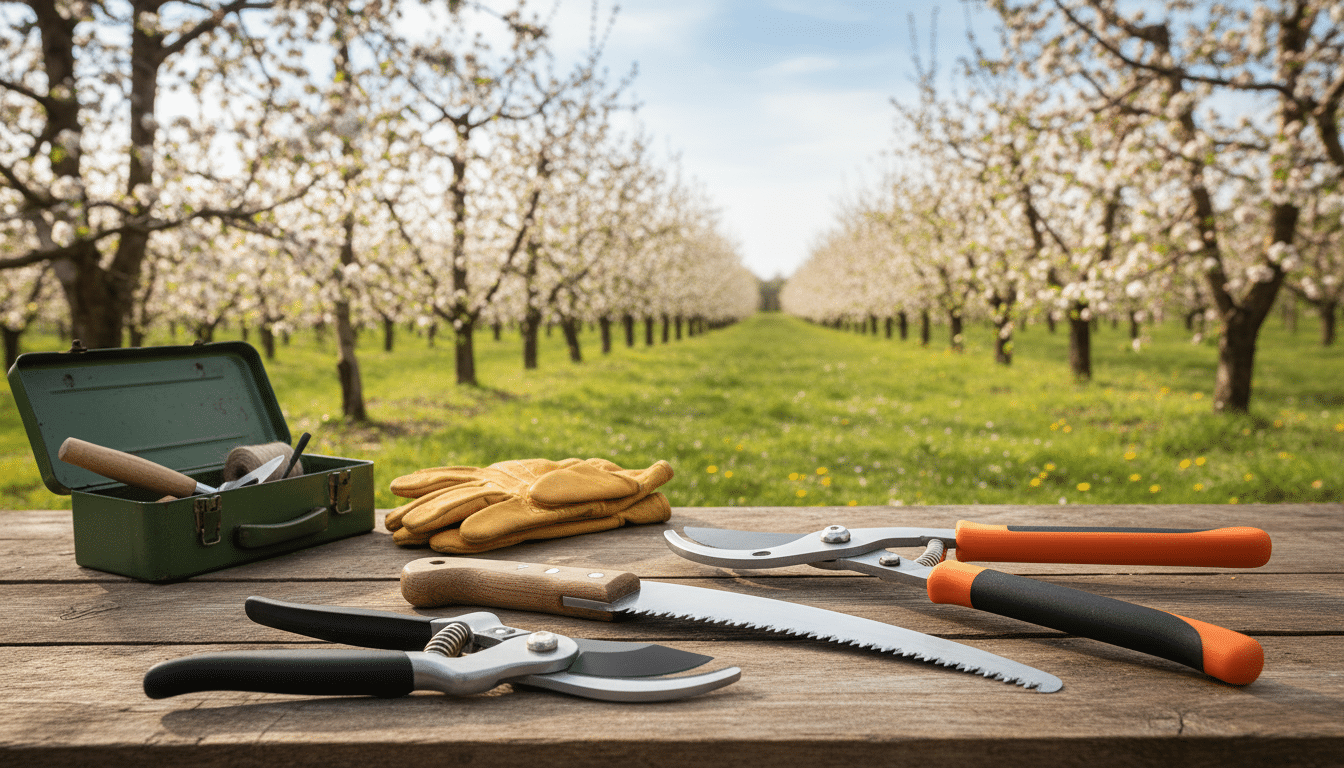
Do you really need “pro” pruning tools to grow better apples, peaches, and pears—or is that just garden hype?
Pruning fruit trees is both an art and a science. Your timing and angles matter, but the cut itself matters just as much. Susan Poizner of OrchardPeople.com often points out that clean cuts help trees recover faster, while rough cuts can slow healing.
Buying quality garden pruning tools online can be a smart move. Cheap blades can crush wood and leave shaggy edges that invite pests and disease. Better steel, tighter pivots, and comfortable grips help you make smooth, controlled cuts—essential when working overhead or in tight crotches.
In this guide, we’ll explore what makes a dependable pruning tool set. We’ll discuss bypass vs. anvil blades and the features that matter most in handles and locks. We’ll also cover proven brands like Felco, ARS, Okatsune, Fiskars, Corona, Silky, Diablo, and Barnel. Plus, we’ll talk about sharpening and cleaning habits to keep your gear ready. For a quick reminder on disinfecting between plants, check out this tool sanitizing routine.
Key Takeaways
-
Clean cuts heal faster, which is why the right pruning tools matter.
-
High-quality garden pruning tools reduce tearing and “shaggy edges” on branches.
-
A balanced pruning tool set usually includes pruners, loppers, saws, and maintenance items.
-
Trusted brands like Felco, ARS, Okatsune, Fiskars, Corona, Silky, Diablo, and Barnel will be featured.
-
Blade style (bypass vs. anvil) affects cut quality and tree recovery.
-
Cleaning and sharpening routines help your tools last for years.
Why Pruning is Essential for Fruit Tree Health
Fruit trees need regular care to stay healthy. Pruning helps manage their size, light, and airflow. This ensures leaves dry quickly after rain.
Using the right pruning tools makes each cut smooth. This helps the tree heal faster. A sharp pruner also speeds up the work, which is important when trimming many branches at once.
Benefits of Regular Pruning
Pruning is key for long-term health, not just looks. It ensures fruit gets enough sun, improving color and ripening. It also removes weak, crowded limbs that can break under heavy crops.
Quality pruning tools create a clean edge, not crushing the branch. A dull pruner can tear bark, slowing healing and leaving a rough surface that stays wet longer.
- Better light penetration for buds and fruit
- Stronger branch structure and fewer splits
- More air movement through the canopy
- Less stress from overcrowded growth
Understanding Tree Growth Patterns
Good pruning is about timing and technique. Late winter to early spring is best for many fruit trees. This is when they are dormant and ready for new growth. Cuts in late summer and fall may not seal well before cold weather.
Choosing the right tool is important. Use hand pruners for small stems, loppers for thicker limbs, and a saw for mature wood. A pole-style pruner is useful for high branches, keeping you stable while reaching.
When cutting large limbs, aim at the branch collar. Use the three-cut method to prevent bark tearing. This method is similar to dormant-season pruning tips, even though fruit trees and evergreens grow differently.
Preventing Disease Spread
Pruning can limit disease by removing dead, damaged, or infected wood. It also helps the canopy dry out faster, reducing fungal issues. Limbing up a few low branches can improve circulation near the trunk.
Clean, sharp pruning tools are essential here. A dull pruner can scar tissue, making it easy for pathogens to enter. Quick wipe-downs between trees and regular blade sharpening reduce risk and keep cuts consistent.
| Pruning goal | What to cut | Tool that fits best | Health payoff |
|---|---|---|---|
| Improve airflow | Crossing and inward-growing branches | Hand tree pruner | Faster drying leaves less fungal pressure |
| Reduce breakage | Long, heavy limbs with weak angles | Loppers | Stronger structure under fruit load |
| Stop spread of damage | Dead, diseased, or storm-split wood | Pruning saw | Fewer infection sites and less decay |
| Manage height safely | High shoots and water sprouts | Pole tree pruner | Better light balance without risky climbing |
Types of Pruning Tools You Need
Fruit trees do best with clean, precise cuts. But, you need the right tool for the job. A good set of garden pruning tools helps you shape your trees, remove unwanted parts, and make smooth cuts. Start with the basics and add more as needed, so your tools fit your trees and your work.
Hand Pruners
Hand pruners are great for small stems, water sprouts, and thin branches. For live branches, bypass models cut like scissors. This helps the branch heal quickly and reduces dieback. Many growers find bypass styles the best for regular fruit tree care.
Look for grips that fit your hand well and reduce wrist strain, important for long sessions. Adjustable handles are helpful if you work with different sizes of twigs. Electric options can be a good choice for managing many trees, as they reduce fatigue and ensure consistent cuts.
Loppers
Loppers are perfect for thicker branches that hand pruners can’t handle. They work well up to about 2 inches in diameter, which is common for mature trees. In many orchards, loppers are used more than expected once the trees grow taller.
Choose bypass loppers for live wood and anvil designs for deadwood that needs crushing. Extendable handles help you reach high branches without climbing. But, they work best when the jaws are kept square to the branch.
Saws
For branches over 2 inches, a pruning saw is the cleanest and safest choice. A sharp pull saw can cut through dense wood easily. Many growers prefer Silky saws for their fast, controlled cutting.
For heavy orchard work, a battery reciprocating saw with a pruning blade can save time. But, it requires steady footing and careful control. In this case, the right garden pruning tools are as important as your technique, as vibration and pinch points can cause rough cuts.
| Tool | Best use in fruit trees | Typical cut range | What to look for | Common mistakes |
|---|---|---|---|---|
| hand pruners | Thinning small shoots, shaping new growth, removing suckers | Up to about 3/4 in (varies by model and wood hardness) | Bypass blades for live wood, ergonomic grip, easy-to-lock latch | Twisting mid-cut, using dull blades, cutting too close to the bud |
| Loppers | Removing larger lateral branches, opening the canopy for light and airflow | Up to about 2 in | Bypass for live wood, anvil for deadwood, extendable handles for reach | Cutting at an angle with misaligned jaws, overreaching, forcing thick cuts |
| Pruning saw | Taking out thick limbs, reducing crowding, removing damaged wood | Over 2 in | Sharp teeth, comfortable handle, controlled stroke; Silky is a common premium choice | Starting the cut too fast, letting the branch tear, skipping an undercut on heavy limbs |
If you already have good pruning shears, add loppers and a saw next. This combination covers most cuts without stressing the tree or your hands. With the right tools, you can work through the canopy with fewer rough cuts and less strain.
Top Features to Look for in Pruning Tools
Good pruning tools should feel steady in your hand and cut clean without forcing the blade. For most fruit trees, you’ll switch between the best pruning shears for twigs and a pruning saw for thicker limbs. It helps to compare specs before you buy, if you shop online.
If you’re building a simple starter kit, a hand pruner and loppers cover many cuts, and a saw fills the gap for larger wood. This quick guide on tools for pruning matches what many home orchards need.
Blade Material and Durability
Blade steel is the first thing to check because it affects sharpness, rust, and how often you’ll sharpen. The best pruning shears usually list blade material clearly, while bargain models may not. A pruning saw also benefits from quality steel, as dull teeth can bind in dense wood.
- Hardened steel (heat-treated) for rust resistance and longer edge life
- Forged steel for premium strength and long service life
- High-carbon steel for easy sharpening, with regular cleaning and light oiling
- Titanium-coated blades to reduce sap buildup and cutting friction
- Replaceable or resharpenable blades to extend tool life and reduce waste
| Blade option | What it does well | Watch-outs | Best match in the yard |
|---|---|---|---|
| Hardened steel | Stays sharp longer and resists rust in humid weather | Can cost more than basic stamped blades | Everyday pruning tools for routine cuts on fruit trees |
| Forged steel | Handles torque and heavy use with less flex | Added weight can tire some users faster | Best pruning shears used often during training and thinning |
| High-carbon steel | Takes a keen edge and sharpens quickly at home | Needs wiping and oiling to slow rust | Frequent touch-ups for clean cuts on live wood |
| Titanium-coated | Sheds sticky sap and reduces drag for smoother action | Coating can wear with aggressive sharpening | Sticky spring cuts on peaches, plums, and apricots |
| Replaceable/resharpenable blades | Keeps a tool working for years with basic maintenance | Check part availability before buying | Long-term pruning tools sets and a well-used pruning saw |
Ergonomic Design for Comfort
Comfort matters when you’re making dozens of cuts. Look for ergonomic handles, a grip that won’t slip when damp, and a spring that opens smoothly. For the best pruning shears, check how wide the handles spread at full open, as too much spread can reduce control.
Smaller-handed users often do better with reduced hand spread designs. Barnel’s patented two position lock is built for smaller cutting capacity, which helps when many cuts are ½-inch (13mm) or less. If you also carry a pruning saw, choose a handle that stays secure when you pull through a branch collar.
Safety Features
Strong locks keep blades closed in a pocket, apron, or tool bag. Barnel’s Auto-Unlock design opens by squeezing the handles, which can speed up work while keeping the lock engaged during carry. A secure lock also helps prevent pruners from springing open if your grip shifts.
Sharp blades are a safety feature, too. Dull pruners can skid and twist, making it easier to even nick yourself. Keep pruning tools clean and sharp, and replace worn parts so the best pruning shears and a pruning saw both cut with steady control.
Best Hand Pruners for Fruit Trees
For fruit trees, clean cuts are key. The right hand pruners help stems heal quickly and keep your tree looking neat. When shopping online, look for fit, blade quality, and parts that can be replaced. This way, your pruning tools will last for years.
Features of the Best Hand Pruners
For most fruit wood, bypass blades are the best choice. They cut like scissors, which is good for live branches. This is a key feature people look for in the best pruning shears.
Look for hardened steel that can be sharpened many times without losing its edge. Also, look for tools with parts you can replace. This keeps your hand pruners working well instead of throwing them away.
- Blade style: bypass for live growth and clean cambium contact
- Service life: parts you can swap, not riveted one-piece builds
- Comfort: grip shape that matches your hand size and pruning pace
- Control: a lock that’s easy to set with one hand while moving around branches
Comparison of Popular Brands
Brand differences show up quickly when cutting small shoots and limbs. The pruning tools below stand out for different reasons. They range from repair systems to grip adjustments.
| Model | Cut feel on live wood | Standout build details | Best fit for | Pricing notes |
|---|---|---|---|---|
| Felco 2 Classic Manual Hand Pruner | Clean, straight cuts; smooth open/close with a bit more force on thicker branches | Hardened-steel blades that tolerate sharpening many times; plastic-coated forged aluminum alloy handles; easy repairs with widely available parts | Frequent pruners who want long-term support and a deep parts ecosystem | Often priced higher than many hand pruners |
| ARS HP-VS8Z | Very clean, flat cuts across soft stems and woody growth, with low effort up to near 1 inch | Strong cutting performance that stays consistent across mixed materials | Gardeners who want smooth cutting action on tougher fruiting wood | Price can swing widely, roughly $35–$75 |
| Okatsune 101 | Easy, straight cuts; crisp bite on smaller branches | Simple lock; compact feel that suits smaller hands, though the latch can stick out | Small or extra-small hands and shoppers seeking value | Commonly far less than Felco 2 |
| Corona FlexDial Pruners | Clean everyday cuts with a focus on comfort | Adjustable grip that changes hand span; ergonomic design aimed at reducing strain | People who share tools or want a dialed-in fit during long sessions | Often positioned as good value |
| Barnel 800 Series | Confident cuts with a sturdy feel | Bartanium™ cold forged blades with hard chrome finish; pressure-injected die cast handles/body; self-oiling center bolt; Auto-Unlock squeeze-to-unlock design; two position lock for quick small cuts | Users who like feature-led best pruning shears with low-fuss upkeep | Varies by configuration and retailer |
User Reviews and Recommendations
User feedback often points to the best choice based on workload and hand fit. Felco 2 is often chosen for its durability and the ease of finding parts. ARS HP-VS8Z is praised for its clean cuts with less effort, but shoppers watch for price jumps.
Okatsune 101 is a favorite for smaller hands and solid performance at a lower cost. Corona FlexDial is popular for its adjustability, which helps prevent grip fatigue. Barnel 800 Series is favored by those who like tools with lots of features, including quick locking and self-oiling.
Best Loppers for Tree Care
Loppers are a middle ground between hand pruners and saws. They offer clean cuts on thicker limbs and keep the cuts precise. For many home orchards, they are essential for pruning, helping to avoid ragged edges.
When to Use Loppers Instead of Pruners
Use loppers for branches that are too thick for hand tools but not big enough for a saw. A good rule of thumb is about 2 inches in diameter. If a hand tool strains, it can tear bark and leave a weak spot.
Choose the right loppers for the job. Bypass loppers are good for cutting live wood because they slice like scissors. Anvil loppers are better for deadwood but can harm green growth.
Recommended Lopper Brands
These two models are popular for their ability to handle thick branches. They fit well in a set of garden pruning tools for fruit trees, where you often switch tools as the limb size changes.
| Model | Best use | Cut capacity | Handle length | What to know |
|---|---|---|---|---|
| Fiskars 32” Loppers | Thick limbs on established trees | Heavy-duty cutting for larger branches | 32 inches | Durable and strong, but the long handles can feel awkward in tight canopy spaces |
| Corona SL 4364 DualLINK ComfortGEL Grip Extendable Heavy Duty Bypass Limb and Branch Lopper | Live wood cuts with extra reach | Up to 1-3/4 inches | Extends up to 37-1/2 inches | Extendable handles help reduce ladder use when you need higher, safer cuts |
Tips for Proper Use
Match the tool size to the branch. Using loppers beyond their limit can lead to rough cuts and slow healing. Keep your pruning tools sharp and make one firm cut instead of twisting the handles mid-snip.
For live branches, use bypass jaws to avoid crushing. Use extendable handles for reach, but keep your feet planted and your balance steady. On older trees, loppers can handle many core cuts, while a smaller tree pruner can clean up shoots and thin crowded spurs.
How to Choose the Right Pruning Tool
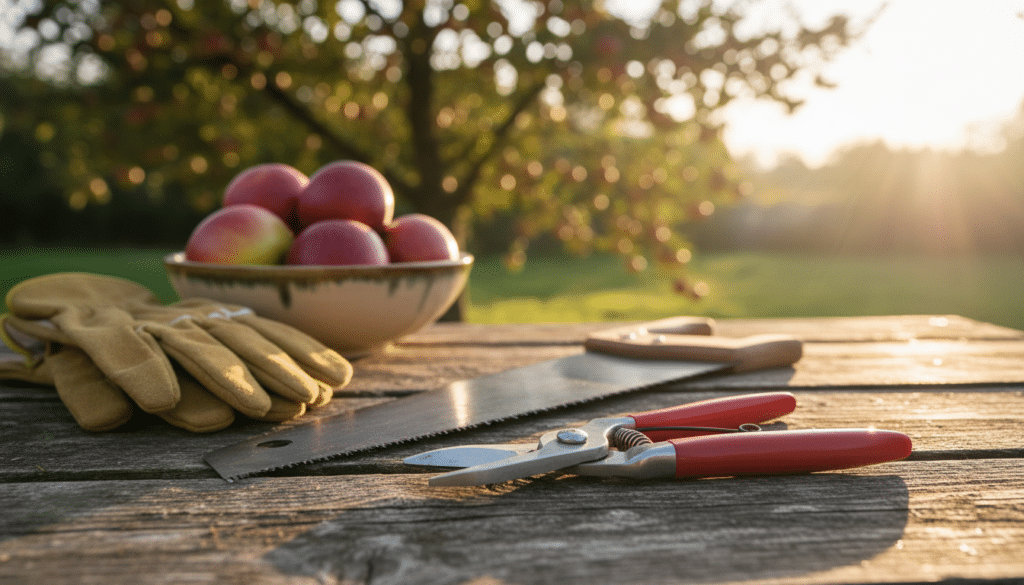
Choosing pruning tools is easier when you match the tool to the branch. A good pruning tool set has everything you need for small trimmings, thicker limbs, and hard-to-reach areas. This makes your work faster and helps avoid damaging the tree.
Assessing Tree Size and Type
First, measure the branch you want to cut. For small, green shoots, use hand pruners for precise cuts. For thicker branches, loppers are best for cuts up to 2 inches. For anything over 2 inches, a pruning saw is needed.
Pole pruners are great for reaching high limbs without using a ladder. They’re also useful when a ladder isn’t safe or stable. Many pruning tool sets include a pole pruner for reaching high areas.
- Hand pruners: small branches and detail work
- Loppers: thicker branches up to 2 inches
- Saws: branches over 2 inches
- Pole pruners: higher cuts without climbing
The type of blade is also important. Bypass blades are best for live wood, making clean cuts. Anvil blades are better for deadwood, pressing the branch against a flat surface.
| Cutting need | Best fit | What it helps you avoid |
|---|---|---|
| Live branch, small diameter | Bypass hand pruners | Crushing green stems and ragged edges |
| Live branch up to 2 inches | Loppers with sharp bypass blades | Over-squeezing with hand pruners and hand fatigue |
| Branch over 2 inches | Pruning saw | Forcing loppers past their limit and tearing bark |
| High limb work | Pole pruner | Unsteady ladder moves and awkward overhead cuts |
| Deadwood cleanup | Anvil pruners | Slow cuts on dry, brittle wood |
Personal Comfort and Grip Preferences
Even the best pruning tools won’t work if they don’t fit your hand. Look for grips that feel secure and don’t strain your wrist. Adjustable grips can also reduce strain during long sessions.
If you have small hands, compact pruners can improve control and safety. Some pruners can open by accident, breaking your rhythm. Features like Barnel’s two position lock can help, making pruning easier for more people.
Online Retailers for Pruning Tools
Shopping online helps you find the right pruning tool for your needs. You can filter by blade length, reach, and handle shape. Then, compare reviews from other gardeners who prune similar trees.
If you need a pruning saw for thick branches, online listings are handy. They show tooth style, sheath options, and replacement blades quickly.
Popular E-commerce Platforms
Big online stores have a wide range of pruning tools. You can find Felco and ARS hand pruners, as well as Okatsune shears. For bigger cuts, Corona RazorTOOTH and Silky ZUBAT are often compared side by side.
These sites also offer add-ons like Diablo pruning blades for saws and Fiskars pole pruners for extra reach. Prices can change fast, so it’s good to check several listings.
Specialty Gardening Stores
Specialty stores are great for authentic pruning tools and support. Barnel USA, for example, offers pro-grade tools in one place. They have pruners, loppers, pole pruners, pole saws, grafting knives, and more.
Buying from brand sites is also smart for exact replacements and a full product line. Fiskars’ official store is a reliable place for tools like the Pruning Stik® Tree Pruner. It makes finding compatible parts easier.
Benefits of Buying Online
Online shopping is helpful for keeping your tools in good condition for years. Finding replacement parts for pruning tools, like Felco components, is often easier online. This keeps your favorite tool working longer.
It also makes comparing prices easier. Prices for items like the ARS HP-VS8Z can vary, from $35–$75. A quick search can help you save money while finding the right pruning saw or other tools.
| Where you buy | Best for | Strengths you’ll notice | Common trade-off |
|---|---|---|---|
| Major marketplaces | Fast comparisons across brands | Wide selection (Felco, ARS, Okatsune, Corona RazorTOOTH, Silky ZUBAT), lots of user feedback, frequent bundles | Seller quality varies, so you may need to confirm packaging and return terms |
| Brand-direct stores | Exact models and compatible parts | Clear product specs, official warranty support, easier matching for accessories like pole pruner heads | Fewer price promos and less cross-brand comparison in one cart |
| Specialty garden retailers | Pro-grade kits and long-term upkeep | Strong focus on parts, maintenance supplies, and complete tool lines for serious garden pruning tools users | Shipping thresholds and stock can be more limited during peak season |
Maintenance Tips for Pruning Tools
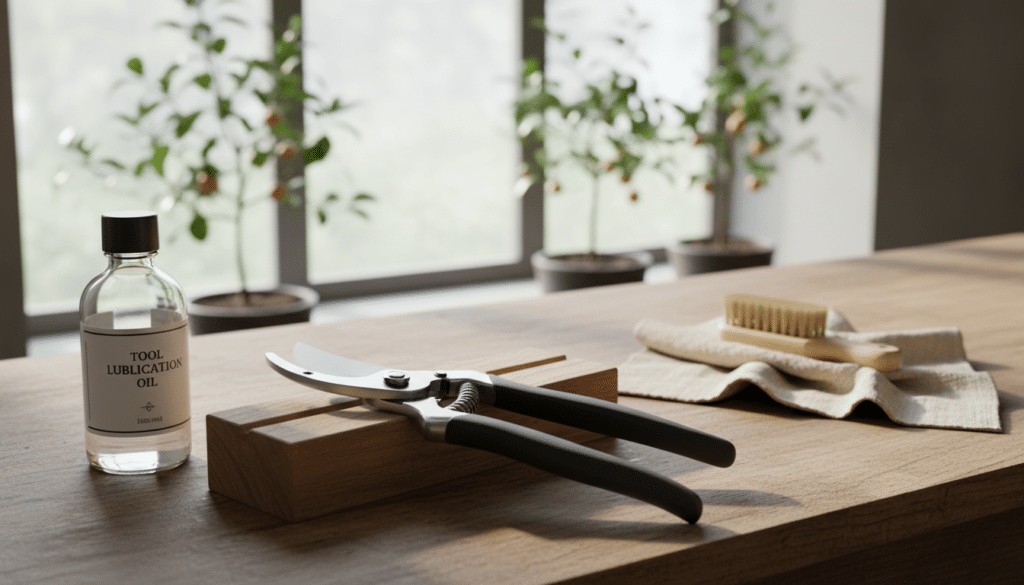
Keeping pruning tools in good shape helps make clean cuts. This is important for fruit trees to heal quickly. It also makes the tools safer to use, even when they get dirty.
Cleaning Your Tools After Use
Wipe down blades and handles after each use. This removes sap, dust, and moisture. A quick clean and dry can prevent problems with cuts.
For tools made of high-carbon steel, apply a light oil coat. This helps prevent rust, which can form quickly if the tools are stored in damp conditions.
When looking for a pruning tool set, look for easy-to-clean features. Tools like Barnel pruners with self-oiling parts can reduce daily maintenance. Yet, regular cleaning is key for the health of your plants.
Sharpening Blades for Optimal Performance
Sharp blades make clean cuts, which is better for plant healing. Most home growers sharpen their tools once or twice a year. If you use your tools a lot, sharpening daily is best.
Choose the right sharpener for your tool. Carbide sharpeners and diamond-coated stones work well for hand pruners. Professionals might use a flat file for loppers. For small blades, a compact stone is better.
| Task | How Often | Helpful Tool | Good Fit For |
|---|---|---|---|
| Wipe off sap and moisture | After every use | Clean cloth + light oil (for high-carbon steel) | Everyday pruning tools and best pruning shears |
| Touch up the cutting edge | 1–2 times per year (home); daily (heavy use) | Felco Sharpening Tool (F 903) or Corona AC 8300 Blade Sharpener | Hand pruners and compact pruning tool set kits |
| Refine and polish the edge | As needed, after touch-ups | Diamond Color Coded Mini Diamond Hone Kit (coarse/medium/fine) | Pruners that need a smoother finish |
| Sharpen thicker blades | As needed during peak season | 8-Inch Flat File | Loppers and larger cutting heads |
| Fast edge work without disassembly | When you want a quick, controlled pass | SHARPAL 121N Dual-Grit Diamond Sharpening Stone File (coarse/fine) | Small hand tools where space is tight |
Storing Tools Properly
Proper storage is key. Keep blades dry, lightly oiled, and closed to avoid damage. A clean, dry place also keeps springs and pivot points working smoothly.
Choose tools made for long-lasting use, like Felco pruners. With regular care, a pruning tool set can last many seasons, not just a few months.
Seasonal Pruning: When to Prune Your Trees
Timing is key, but clean cuts are just as important. Sharp pruning tools help branches heal quickly and reduce tree stress. Make sure your blades are clean and ready before you start. Choose the right tool for each cut.
Ideal Times for Pruning Different Fruit Trees
Many fruit trees do best when pruned during their dormant season. This is when you can see the tree’s structure and guide new growth. Light summer trimming can also help manage vigor and improve airflow. A smooth cut from a well-tuned tree pruner is the goal in both cases.
Weather changes fast, so plan for dry days and stable temperatures. Wet conditions can spread problems from one cut to the next. Keep your pruning tools easy to disinfect, so you can clean blades between trees without slowing down.
| Fruit tree type | Common pruning window | What you focus on | Tool-ready approach |
|---|---|---|---|
| Apple and pear | Late winter to early spring | Structure, spacing, and light | Use sharp pruning tools for clean thinning cuts; switch to a pruning saw for thick wood |
| Peach and nectarine | Late winter to early spring, after the coldest weeks | Fruit wood renewal and height control | Keep a tree pruner ready for quick limb removal; disinfect blades between trees |
| Cherry | Summer after harvest | Reduce disease risk and manage size | Bring garden pruning tools that stay sharp; stop if cuts begin to tear the bark |
| Citrus (in warm regions) | Late winter to early spring, after frost risk | Remove dead wood and open the canopy | Use pruning tools that make crisp cuts; avoid heavy pruning during heat spikes |
Signs Your Tree Needs Pruning
Look for rubbing branches, dead tips, tight clusters, or shoots that block light. If a twig snaps back after you cut it, your blades may be dull or misaligned. Crushing and tearing are also clear signals your pruning tools need sharpening.
Match branch size to the cut. For small stems, bypass hand pruners give control and clean edges. For thicker branches up to 2 inches, step up to loppers; for limbs over 2 inches, use a pruning saw.
If growth is high in the canopy, a pole-style tree pruner can reduce the need for a ladder in many yards. Keep your garden pruning tools staged before you start, so you are not forcing cuts with the wrong tool. That simple habit protects bark, saves time, and keeps the work steady.
Safety Tips While Pruning
Start with safe cuts before the first branch falls. Make sure your feet are steady and watch out for power lines. Keep kids and pets away from the area you’re working in. Arrange your tools so you don’t have to reach over sharp blades or trip over handles.
Checking your tools is important. Ensure locks are secure, blades close smoothly, and handles feel solid in your hand. If you switch tools, like from hedge shears to a pruning saw, take a moment to adjust your stance. This helps maintain balance and control.
Protective Gear You Should Use
Wear gloves that fit well but allow you to feel the handle. Gloves that are too big can cause pruners to open by accident, which is dangerous. Choose a size that fits you well and look for secure locks. Barnel’s Auto-Unlock style can help prevent accidents when you put down and pick up tools.
Wearing eye protection is essential, even for simple trimming. Wear long sleeves, closed-toe shoes with good traction, and ear protection if you’ll be cutting for a long time. When using hedge shears, keep your elbows close to your sides to avoid losing control.
| Gear | What it protects | Why it helps during pruning | Fit and use tip |
|---|---|---|---|
| Safety glasses | Eyes | Blocks flying twigs, sawdust, and bark chips from a pruning saw | Choose wraparound frames that sit close to the face |
| Work gloves | Hands | Improves grip and reduces slips when pruning tools get sticky with sap | Pick snug fingers so you can work latches and locks cleanly |
| Sturdy shoes or boots | Feet and ankles | Helps prevent falls on wet grass and uneven soil | Use non-slip soles and lace tight for ankle support |
| Long sleeves and durable pants | Skin | Reduces scratches from spurs, thorns, and rough bark | Avoid loose cuffs that can snag on branches |
Common Mistakes to Avoid
Dull blades are a big risk. They make you push harder, which can lead to accidents. They also damage branches, making them hard to heal.
- Skip anvil blades on live fruit wood; bypass blades make cleaner cuts and reduce crushing.
- Do not force hand pruners on thick branches; use loppers up to 2 inches, and a pruning saw for wood over 2 inches.
- Avoid risky ladder work when an extendable lopper or pole pruner can reach the cut from the ground.
- Do not cut above shoulder height with hedge shears; step closer, reposition, and keep your center of balance.
End by locking your pruning tools before walking away. Carry blades down and store them dry to prevent rust.
Conclusion: Investing in Quality Pruning Tools
Buying good pruning tools is more than just making the job easier. It helps fruit trees stay strong, heal fast, and grow better. The right tools avoid extra tearing and stress.
High-quality blades make clean cuts that heal quickly. Cheap or dull edges can harm the tree and increase disease risk. Many gardeners see sharp, hardened steel shears as essential because they last long and can be sharpened many times.
Long-term Benefits for Your Fruit Trees
Tools that last can be used for years with simple care. Brands like Felco are great because you can replace parts, not the whole tool. This way, your trees stay healthy and grow consistently.
Encouraging Sustainable Gardening Practices
Sustainable gardening begins with repair, upkeep, and choosing the right tools. Keep your tools sharp, sharpening them once or twice a year at home, or more if you use them a lot. Use the right tool for the job to cut less and damage less, keeping your trees productive for years.
