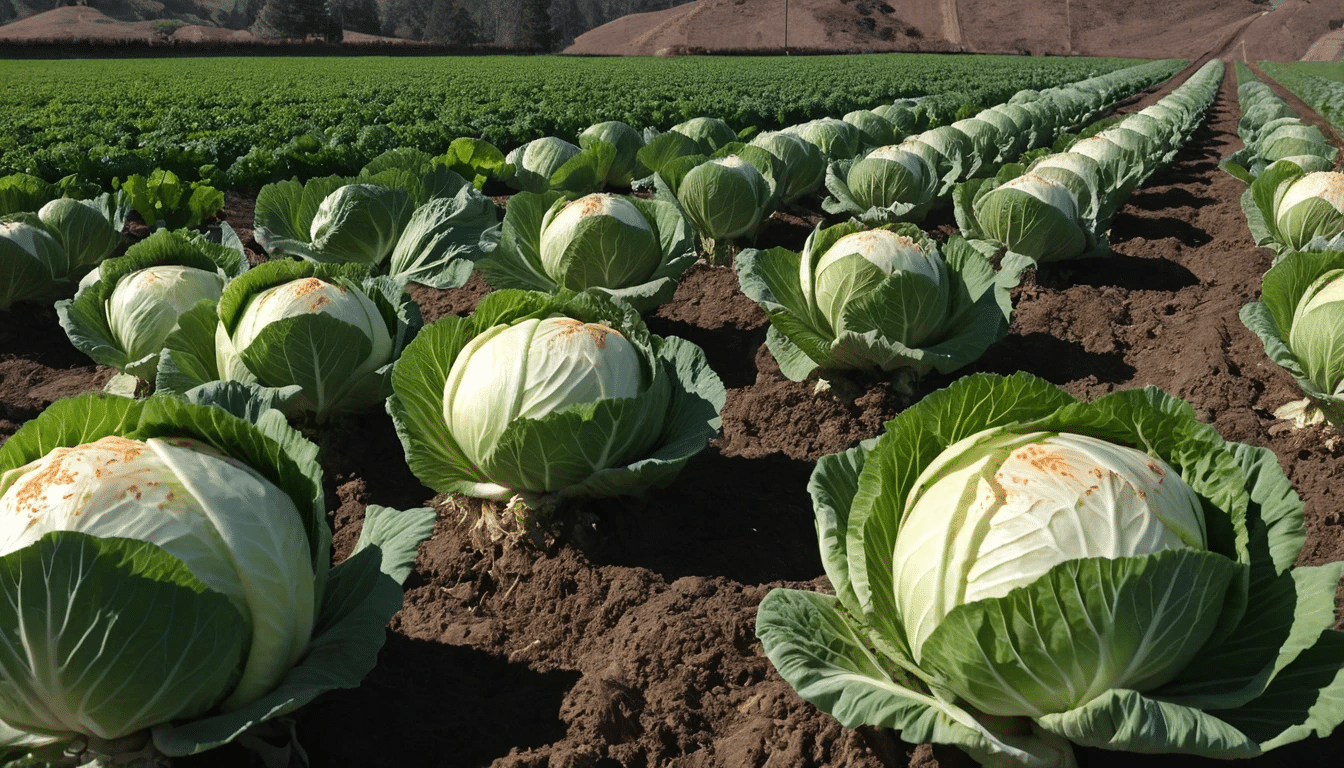
Did you know that over 1.5 million tons of kimchi are consumed in Korea each year? This beloved fermented dish starts with one crucial ingredient. For the best homemade version, your journey begins in January.
This is the perfect time to find peak-condition napa cabbage. Also called Peking cabbage, it has a mild, sweet flavor. The crisp, wide ribs and delicate, crinkled leaves create the ideal texture for fermentation.
Trusted growers, like those partnering with Hitchcock Farms, have cultivated the same seed variety for decades. This commitment ensures consistent quality and fantastic flavor year-round.
Our guide will walk you through selecting the perfect head and mastering traditional preparation techniques. You can create authentic, flavorful kimchi with the perfect balance of crunch and tang.
Key Takeaways
- January is the ideal month to begin making kimchi due to the peak freshness of the key ingredient.
- Peking cabbage, known for its mild sweetness, provides the essential foundation for the dish.
- The vegetable’s crisp ribs and crinkled leaves contribute to kimchi’s signature texture.
- Long-term cultivation practices by expert growers guarantee consistent quality and flavor.
- This guide provides a comprehensive walkthrough for both beginners and experienced fermenters.
- Understanding seasonal rhythms helps home cooks source the freshest produce.
Introduction to Homemade Kimchi with California Napa Cabbage
Embarking on a kimchi-making project gives you complete control over flavors, spice, and ingredients. This hands-on approach is far more rewarding than buying a pre-made jar.
You can adjust the heat to suit your taste and ensure every component is fresh. This level of customization is a significant advantage of a DIY recipe.
The true joy of fermentation lies in crafting a condiment that is uniquely yours, from the first slice to the final ferment.
The process begins with a superb head of napa cabbage. Its mild sweetness perfectly balances the bold, spicy seasonings typical of this dish. The crisp texture also holds up wonderfully during fermentation.
Starting in January is strategic. You gain access to the highest quality cabbage at its peak. This timing is crucial for the best results in your recipe.
Learning the core techniques—salting, seasoning, and fermenting—empowers you to create authentic results. This guide will walk you through each step for success.
Why California Napa Cabbage is Ideal for Kimchi
What sets apart great kimchi from average versions comes down to one key ingredient. The vegetable’s natural characteristics determine how well it absorbs seasonings and maintains texture during fermentation.
Distinctive Flavor Profile and Texture
This specific variety offers a mild sweetness that doesn’t overpower the seasoning blend. The delicate leaves absorb flavors beautifully while the crisp, wide ribs provide structural integrity.
This texture holds up remarkably well through the fermentation process. Your finished product will maintain that satisfying crunch that distinguishes homemade versions.
Local Availability and Quality
Grown in ideal conditions, this vegetable develops superior moisture content and firmly packed leaves. These traits are essential for successful kimchi preparation.
Shorter transportation times from field to kitchen preserve freshness and nutritional value. The robust flavor hint from fresh produce enhances the final spice blend.
Year-round availability means consistent quality for your fermentation projects. However, winter harvests often yield particularly tender heads with concentrated flavors.
Understanding Napa Cabbage: Origins and Varieties
The journey of the vegetable at the heart of kimchi begins thousands of miles away and centuries in the past. Knowing its background helps cooks appreciate its unique role in the kitchen.
Historical Background and Names
This specific cabbage traces its origins to China, where it has been cultivated for centuries. It earned the alternate name Peking Cabbage in reference to China’s historic capital.
The name “celery cabbage” also applies due to its crisp ribs and elongated shape. This distinguishes it from round green cabbage varieties common in Western cuisine.
Understanding this history connects modern cooking to ancient Asian farming traditions that first domesticated this valuable vegetable.
Key Varieties and Cultivation Regions
Unlike traditional green cabbage with dense, spherical heads, this type features an oblong form with a sweeter taste. This makes it ideal for fermentation and dishes like Chinese chicken salad.
Key varieties include Little Jade Hybrid. It produces dense, juicy heads that are firm and sweet, reaching 10-12 inches tall.
Specific regions offer ideal growing conditions with moderate temperatures and rich soil. This results in the large, firmly packed heads prized for kimchi.
Seasonal Cooking: January and Beyond
Timing is everything in cooking, and this is especially true for fermenting kimchi. Aligning your preparation with the natural harvest cycle unlocks the best possible flavor and texture in your final product.
January stands out as a prime month to begin. Winter harvests often yield particularly sweet and tender heads. The cool temperatures concentrate the vegetable’s natural sugars.
Timing Your Kimchi Preparation
Understanding the growth schedule is key. This specific vegetable has optimal planting windows from February to May and again from August to October.
Heads mature quickly, ready in about 70-90 days from seed. You can harvest them when they feel firm to the touch. This quick turnaround allows for multiple fresh batches throughout the year.
The plant’s frost tolerance, down to about 26°F, makes it a robust winter crop. This resilience means January harvests benefit from the cold without damage. The result is a crisp texture ideal for fermentation.
While you can find this ingredient year-round, planning your recipe around local harvest peaks is a significant advantage. You work with produce at its absolute freshest. This ensures optimal moisture content for successful kimchi recipes.
Seasonal preparation also lets you experiment. A winter batch might have a different flavor profile than a summer one. This knowledge empowers you to create a condiment that is uniquely yours, any time of year.
Step-by-Step Guide to Preparing Homemade Kimchi
Creating authentic kimchi at home involves a methodical approach that builds flavor through proper preparation. Each step contributes to the final texture and taste of your fermented creation.
Shredding and Combining Fresh Napa Cabbage
Begin by selecting a firm head with tightly packed leaves. This ensures optimal moisture content for successful fermentation. Examine the vegetable for crisp ribs and vibrant color.
Finely shred the leaves rather than chopping them. This technique preserves the natural grain and creates uniform pieces. The shredding method allows for even fermentation and better texture retention.
Combine the shredded vegetable with salt in a large bowl. Use approximately 2-3 tablespoons of coarse sea salt per head. Massage the salt thoroughly into the leaves to begin drawing out moisture.
Marinating, Thus Enhancing the Flavor
Allow the salted cabbage to rest for 1-2 hours at room temperature. During this time, salt extracts water from the leaves, creating a natural brine. This liquid becomes the medium for beneficial fermentation bacteria.
After salting, rinse the cabbage thoroughly under cold water. Drain well and squeeze gently to remove excess moisture. The prepared vegetable is now ready to absorb the flavorful spice paste.
The marinating phase involves coating the cabbage with a paste made from Korean red pepper flakes, garlic, ginger, and other seasonings. Work the mixture into every leaf for even flavor distribution.
| Preparation Step | Time Required | Key Tools | Purpose |
|---|---|---|---|
| Selection & Inspection | 5 minutes | Visual examination | Ensure freshness and quality |
| Shredding Technique | 10 minutes | Sharp knife or mandoline | Create uniform pieces for even fermentation |
| Salting Process | 15 minutes active | Large bowl, coarse salt | Draw out moisture and create brine |
| Resting Period | 1-2 hours | Room temperature space | Develop natural fermentation medium |
This napa cabbage recipe approach requires about 15 minutes of active prep time. The full process extends over several days as fermentation develops the signature tangy flavor. Proper technique ensures your homemade version achieves the perfect balance of crunch and spice.
Essential Ingredients for the Perfect Kimchi
Mastering kimchi creation begins with recognizing the vital role every ingredient plays in the fermentation process. Each component contributes unique characteristics that transform simple vegetables into complex fermented delicacies.
California Napa Cabbage Quality and Selection
The foundation of exceptional kimchi starts with choosing the right primary vegetable. Look for heads with tightly packed leaves and substantial weight relative to their size. Crisp ribs that snap cleanly indicate optimal freshness.
Proper moisture content is crucial for successful fermentation. The ideal specimen should feel firm yet yield slightly to pressure. This ensures the texture will hold up during the lengthy fermentation period.
Complementary Ingredients and Their Roles
Beyond the main vegetable, traditional kimchi requires specific supporting components. Korean red pepper flakes provide the characteristic heat and vibrant color without overwhelming other flavors. Fresh garlic and ginger add essential aromatic depth.
Fish sauce or salted shrimp contributes critical umami complexity that distinguishes kimchi from simple pickled preparations. Green onions introduce fresh allium notes and visual appeal.
Sweeteners like sugar or rice flour paste balance the heat and saltiness while feeding beneficial bacteria. The quality of each component directly impacts the final product’s flavor profile and texture.
Techniques for Achieving the Ideal Crunch
Texture contrast transforms simple ingredients into memorable culinary experiences through careful technique. While fermentation creates crunch in traditional preparations, fresh applications require different approaches.
Crunchy Toppings with Toasted Ramen Noodles and Almonds
Creating satisfying crunch begins with proper toasting. Preheat your oven to 350°F. Melt butter in a pot and stir in broken ramen noodles, slivered almonds, and sesame seeds.
Spread the mixture on a baking sheet. Bake for 5-7 minutes, turning often. Watch carefully to prevent burning. The toasted elements provide excellent textural contrast.
Baking and Dressing Methods to Preserve Texture
For the dressing, heat vegetable oil, sugar, cider vinegar, and soy sauce together. Bring to a boil for exactly 1 minute. Remove from heat and let cool completely.
The critical timing involves tossing ingredients immediately before serving. Combine shredded vegetables with toppings in a large bowl. Add dressing at the last moment to maintain crunch.
This complete recipe takes about 30 minutes total. The 15-minute prep time ensures fresh, crisp results. Proper technique prevents the melting texture that ruins texture contrast.
Nutritional Benefits and Caloric Insights
Every ingredient in your kitchen carries a unique nutritional story that impacts your final dish. The raw vegetable provides exceptional value with relatively few calories, though prepared versions can increase caloric density significantly.
A popular salad preparation delivers 632 calories per serving. This demonstrates how preparation methods dramatically alter nutritional profiles. The same vegetable that starts low in fat can reach 51g when combined with rich dressings.
The vitamin C content stands out as a primary benefit. A single serving provides 60mg, meeting 67% of daily needs. This supports immune function and collagen production.
Understanding nutritional insights helps home cooks balance flavorful preparations with health goals.
Dietary fiber reaches 6g per serving, promoting digestive health and supporting beneficial gut bacteria. The mineral profile includes substantial calcium, iron, and potassium.
| Nutrient | Amount per Serving | Daily Value % |
|---|---|---|
| Calories | 632 | 32% |
| Vitamin C | 60mg | 67% |
| Dietary Fiber | 6g | 23% |
| Protein | 9g | 18% |
Traditional fermented versions offer probiotic benefits beyond standard nutritional labels. Beneficial bacteria support gut health and enhance nutrient bioavailability. This makes the melting napa cabbage transformation particularly valuable for digestion.
Whether creating rich salads or lighter fermented versions, understanding these insights helps modify any recipe for optimal health benefits.
Caring for Napa Cabbage: Planting and Harvest Tips
Successful cultivation begins with understanding the plant’s natural growth cycle and environmental preferences. This knowledge ensures you harvest quality produce for your culinary projects.
Seasonal Planting and Quick Harvesting Insights
Optimal planting occurs during two windows: February through May and August through October. These periods align with moderate temperatures that encourage healthy growth.
The harvest window is relatively quick at 70-90 days from seed. Transplants shorten this to 60-70 days. This efficiency makes the vegetable ideal for home gardeners.
Judge readiness by feel rather than size. A firm head indicates proper leaf packing. If splitting occurs, harvest immediately to prevent pest issues.
Spacing directly influences size. Closer planting yields compact heads perfect for single-batch preparations. Wider spacing produces larger specimens for extended projects.
Frost tolerance down to 26°F makes this an excellent winter crop. Cold temperatures actually enhance flavor by concentrating natural sugars. This creates the tender texture prized in recipes.
The Little Jade Hybrid variety produces dense, juicy heads reaching 10-12 inches tall. Its firm, sweet characteristics make it superior for culinary applications. Proper spacing of 10-12 inches ensures optimal development.
Innovative Recipe Variations Featuring Napa Cabbage
This versatile vegetable offers far more than just a foundation for kimchi. Its mild flavor and unique texture make it a star ingredient in countless creative recipes.
From fresh salads to warm stir-fries, it adapts beautifully. Exploring these napa cabbage recipe ideas opens up a world of culinary possibilities.
A napa cabbage slaw provides a crisp, light alternative to heavy sides. Its delicate leaves pair perfectly with vinegar-based dressings. This makes it an excellent topping for tacos or grilled meats.
The classic Chinese chicken salad relies on this vegetable for its essential crunch. It balances the sweetness of mandarin oranges and the savory depth of sesame dressing.
For a quick meal, try a rice noodle stir-fry. The leaves wilt slightly while the ribs stay satisfyingly crisp. This creates a wonderful texture contrast in the final dish.
Looking back recipes from popular sources like Nom Nom Paleo reveals healthy twists. These recipes napa cabbage variations fit modern diets like paleo and keto.
Fusion dishes, such as ahi poke tostadas, use finely shredded leaves as a fresh base. This demonstrates how the vegetable bridges different culinary traditions with ease.
Tips for Sourcing Fresh Napa Cabbage in California
Locating fresh, high-quality napa cabbage requires knowing the best sources in your area. The right supplier makes all the difference in your final dish.
Start with trusted growers like Hitchcock Farms. Their partners have cultivated the same seed variety for over forty years. This consistency ensures premium quality year-round.
Local Growers and Trusted Suppliers
Farmers markets offer direct access to locally-grown produce. You can speak with growers about harvest dates and selection tips. This supports regional agriculture while ensuring freshness.
Specialty Asian grocery stores typically stock excellent specimens. Many source from the South Bay area’s rich soil. Staff often provide helpful guidance for specific recipes.
Community Supported Agriculture programs frequently include this vegetable in winter shares. They provide fresh produce and cooking suggestions. This introduces subscribers to various preparation methods.
Online resources help locate certified suppliers. When you please fill-out form for information, you gain access to availability details. Many organizations share complementary recipes featuring local ingredients.
Building relationships with trusted suppliers ensures reliable access. This supports your culinary projects while connecting you to broader agricultural community resources.
Conclusion
The art of kimchi making represents a beautiful fusion of tradition and modern culinary practice. This versatile napa cabbage serves as the ideal foundation, offering superior texture and flavor that transforms through fermentation.
Starting your journey in January aligns with peak harvest cycles, ensuring you work with the freshest produce. The comprehensive techniques shared throughout this guide empower home cooks to achieve exceptional results.
Whether creating traditional kimchi with its signature melting napa cabbage texture or exploring fresh cabbage recipe variations, the knowledge extends beyond a single preparation. Sourcing from trusted local growers supports quality and sustainability.
The nutritional benefits, including probiotics from fermentation, make this a valuable addition to any diet. Your kimchi adventure connects ancient traditions with contemporary kitchen practices, creating delicious results that honor both past and present.
