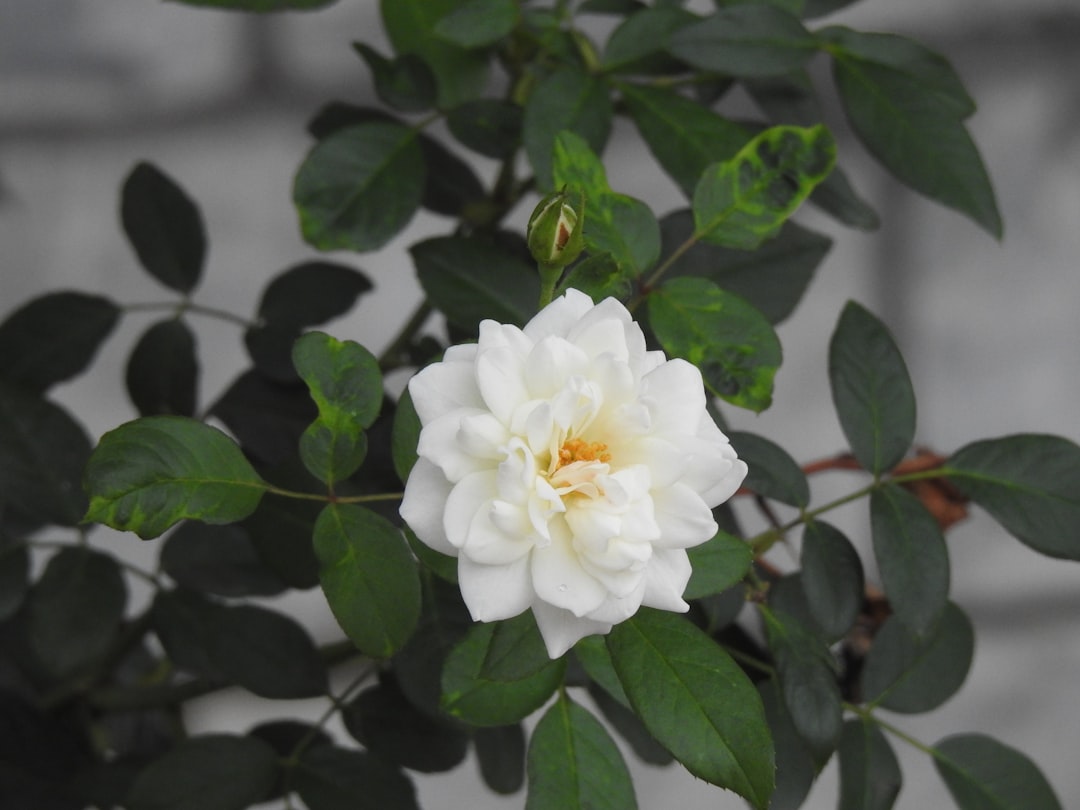
The pink iris, a captivating member of the Iris genus, enchants garden enthusiasts and flower lovers alike with its delicate hues and elegant form. Known for its striking beauty, the pink iris is often associated with grace and admiration, making it a popular choice in various floral arrangements and garden designs. With its unique color palette ranging from soft pastels to vibrant shades, the pink iris stands out among its more commonly recognized counterparts, such as the blue and purple irises.
This article delves into the rich history, symbolism, varieties, cultivation techniques, and cultural significance of the pink iris, revealing why it holds a special place in the hearts of many. The allure of the pink iris extends beyond its aesthetic appeal; it embodies a wealth of meanings and associations that have evolved over centuries. From ancient civilizations to modern-day gardens, the pink iris has been celebrated for its beauty and significance.
As we explore its multifaceted nature, we will uncover the various ways in which this flower has been integrated into art, literature, and even mythology. The pink iris is not merely a flower; it is a symbol of love, hope, and renewal, making it a cherished addition to any floral display or garden setting.
Key Takeaways
- The Pink Iris is a beautiful and symbolic flower that has been cherished for centuries.
- The Pink Iris has a rich history and symbolism, representing love, admiration, and wisdom.
- There are various varieties of Pink Iris, each with its own unique characteristics and beauty.
- Growing and caring for Pink Iris requires proper soil, sunlight, and watering to ensure healthy and vibrant blooms.
- The Pink Iris has been celebrated in art, literature, and floral arrangements for its elegance and grace.
History and Symbolism of the Pink Iris
The history of the pink iris is intertwined with that of the broader iris family, which has been cultivated for thousands of years. The ancient Egyptians revered irises, often depicting them in their art and using them in religious ceremonies. They associated the flower with the goddess Iris, who was believed to be a messenger between the gods and humanity.
This connection to divinity imbued the iris with a sense of sacredness, and its presence in tombs and temples signified protection and hope for the afterlife. In addition to its historical significance, the pink iris carries rich symbolism across various cultures. In the language of flowers, known as floriography, the pink iris represents admiration and affection.
It is often gifted to express heartfelt sentiments, making it a popular choice for romantic occasions or as a gesture of appreciation. The gentle pink hue evokes feelings of tenderness and warmth, further enhancing its role as a symbol of love. In some cultures, the pink iris is also associated with wisdom and courage, reflecting the multifaceted nature of this enchanting flower.
Varieties of Pink Iris
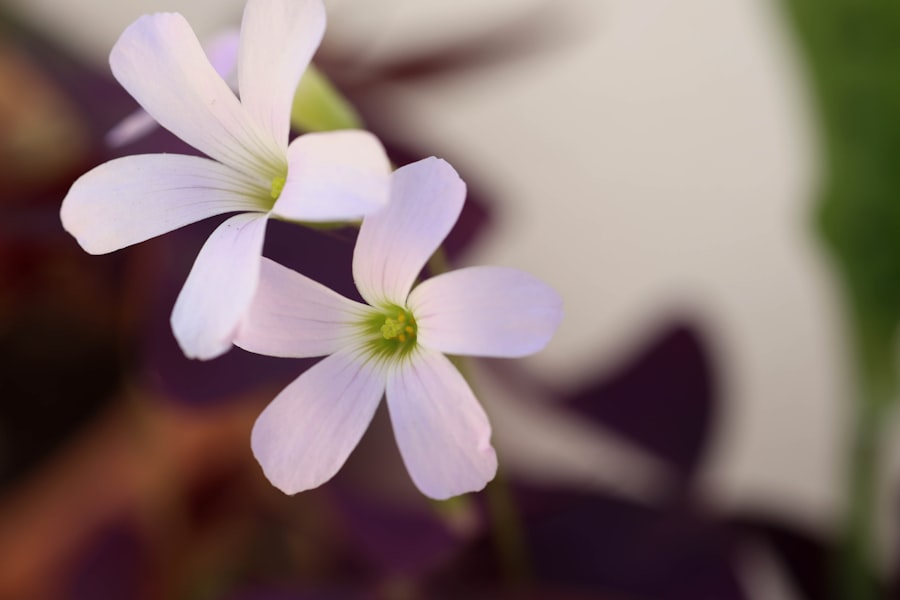
The pink iris encompasses a diverse range of varieties, each exhibiting unique characteristics that cater to different preferences and gardening styles. Among the most popular types is the Iris germanica, commonly known as bearded iris. This variety features large, ruffled blooms that can display an array of pink shades, from soft blush to vibrant fuchsia.
The bearded iris is particularly favored for its resilience and ability to thrive in various climates, making it a staple in many gardens. Another notable variety is the Iris ensata, or Japanese iris, which is celebrated for its elegant form and striking colors. The Japanese iris typically blooms later in the season than other irises, showcasing large flowers that can be found in shades of pink alongside other colors.
Its graceful appearance makes it a favorite for water gardens and formal landscapes. Additionally, hybrid irises have emerged through careful breeding practices, resulting in new cultivars that exhibit unique color combinations and patterns. These hybrids often incorporate pink hues alongside other colors, creating stunning visual displays that captivate gardeners and flower enthusiasts alike.
Growing and Caring for Pink Iris
| Aspect | Information |
|---|---|
| Soil | Well-drained, slightly acidic soil |
| Sunlight | Full sun to partial shade |
| Watering | Regular watering, especially during dry periods |
| Feeding | Use a balanced fertilizer in spring |
| Pruning | Remove dead foliage and spent blooms |
| Dividing | Divide clumps every 3-4 years to maintain vigor |
Cultivating pink irises requires attention to specific growing conditions to ensure their health and vibrancy. These perennial plants thrive in well-drained soil with plenty of organic matter. A sunny location is ideal for promoting robust growth; however, some varieties can tolerate partial shade.
When planting pink irises, it is essential to space them adequately to allow for air circulation and prevent overcrowding, which can lead to disease. Watering practices are crucial during the growing season. While irises are relatively drought-tolerant once established, they benefit from regular watering during dry spells.
It is important to avoid waterlogging, as this can cause root rot. Fertilizing with a balanced fertilizer in early spring can also promote healthy growth and abundant blooms.
Pink Iris in Art and Literature
The pink iris has inspired countless artists and writers throughout history, serving as a muse for creative expression across various mediums. In visual arts, renowned painters such as Vincent van Gogh have captured the beauty of irises in their works. Van Gogh’s “Irises” painting showcases vibrant colors and dynamic brushstrokes that bring the flowers to life on canvas.
The delicate pink hues of certain irises evoke emotions of tranquility and beauty, making them a fitting subject for artistic exploration. In literature, the pink iris has been used as a symbol of love and admiration in poetry and prose. Poets often employ floral imagery to convey complex emotions; the pink iris serves as a metaphor for affection or longing in many works.
For instance, in some romantic poetry, the pink iris symbolizes unspoken feelings or cherished memories shared between lovers. This literary association enhances the flower’s significance beyond mere aesthetics, embedding it within cultural narratives that celebrate love and connection.
Pink Iris in Floral Arrangements
The versatility of the pink iris makes it an excellent choice for floral arrangements across various occasions. Its striking appearance pairs beautifully with other flowers, allowing for creative combinations that enhance any bouquet or centerpiece. In wedding arrangements, pink irises can symbolize love and admiration between partners, making them a popular choice for bridal bouquets or table decorations.
In addition to weddings, pink irises are frequently used in sympathy arrangements or as gifts to express condolences. Their gentle color conveys compassion and understanding during difficult times. Florists often combine pink irises with white lilies or soft greenery to create serene arrangements that offer comfort to those grieving.
The adaptability of the pink iris allows it to shine in both celebratory and somber contexts, showcasing its multifaceted nature.
Pink Iris in Gardens and Landscapes
Incorporating pink irises into gardens can elevate the overall aesthetic while providing visual interest throughout the growing season. These flowers are particularly effective when planted in groups or drifts, creating a stunning display that draws attention from afar. Their tall stems and vibrant blooms add height and texture to garden beds, making them ideal companions for lower-growing plants.
Pink irises also thrive in various landscape designs, including cottage gardens or formal settings. When paired with complementary plants such as daylilies or peonies, they create harmonious color palettes that enhance the overall beauty of outdoor spaces. Additionally, their ability to attract pollinators like bees and butterflies contributes to a healthy garden ecosystem while providing an enchanting experience for visitors.
Pink Iris in Mythology and Folklore
Throughout history, flowers have often been woven into myths and folklore, with the pink iris being no exception. In Greek mythology, Iris was not only a goddess but also a personification of the rainbow—a bridge between heaven and earth. This connection imbues the pink iris with a sense of divine beauty and transcendence.
The flower’s delicate petals are thought to represent messages from the gods or loved ones who have passed on. In various cultures around the world, folklore surrounding irises often highlights their role as symbols of hope and renewal. For instance, some Native American tribes believed that irises could bring good fortune or protection against evil spirits when planted near homes.
These stories reflect humanity’s enduring fascination with flowers as symbols of deeper meanings—an appreciation that continues to resonate today.
The Pink Iris as a Gift
Gifting pink irises carries significant emotional weight due to their associations with love and admiration. Whether presented on special occasions such as anniversaries or birthdays or simply as a gesture of appreciation, these flowers convey heartfelt sentiments that words alone may struggle to express. Their soft hues evoke feelings of warmth and tenderness—qualities that resonate deeply with recipients.
In addition to personal gifts, pink irises are often used in corporate settings as tokens of gratitude or goodwill. Their elegant appearance makes them suitable for professional environments where fostering positive relationships is essential. By choosing pink irises as gifts, individuals can communicate their respect and admiration while enhancing their connections with others.
Conservation and Preservation of Pink Iris
As with many plant species, conservation efforts are crucial for ensuring the continued existence of pink irises in their natural habitats.
Conservation organizations work diligently to protect these plants by promoting sustainable gardening practices and raising awareness about their ecological importance.
In addition to protecting wild populations, cultivating pink irises in home gardens contributes to their preservation by maintaining genetic diversity within cultivated varieties. Gardeners can participate in conservation efforts by selecting heirloom varieties or supporting local nurseries that prioritize sustainable practices. By fostering an appreciation for these beautiful flowers through cultivation and education, individuals can play an active role in preserving their legacy for future generations.
Embracing the Beauty of the Pink Iris
The pink iris stands as a testament to nature’s artistry—a flower that embodies beauty, symbolism, and cultural significance across time and space. From its historical roots steeped in mythology to its modern-day applications in gardens and floral arrangements, this enchanting bloom continues to captivate hearts worldwide. As we embrace the beauty of the pink iris in our lives—whether through cultivation or gifting—we celebrate not only its aesthetic appeal but also its rich tapestry of meanings that connect us all through shared experiences of love, admiration, and hope.
If you are interested in learning more about companion plants for your pink iris, you may want to check out this article on garlic companion plants. This article discusses how planting garlic alongside your pink iris can help repel pests and improve the overall health of your garden. It’s always helpful to know which plants work well together to create a thriving and beautiful garden.
FAQs
What is a pink iris?
A pink iris is a type of flowering plant in the iris family that produces pink-colored blooms.
How do you care for a pink iris?
Pink irises require well-drained soil, full sun to partial shade, and regular watering. They should be fertilized in the spring and deadheaded after blooming to encourage new growth.
When do pink irises bloom?
Pink irises typically bloom in the late spring to early summer, depending on the specific variety and growing conditions.
What are some common varieties of pink irises?
Some common varieties of pink irises include ‘Pink Attraction’, ‘Pink Haze’, and ‘Pink Pele’.
Can pink irises be grown in containers?
Yes, pink irises can be grown in containers as long as the container has good drainage and the plant receives adequate sunlight and water.
Are pink irises deer resistant?
Pink irises are generally considered to be deer resistant, as deer tend to avoid eating them. However, this can vary depending on the specific deer population and environmental conditions.
