Companion Planting: Arugula’s Perfect Plant Partners

In this guide
- The Benefits of Companion Planting with Arugula
- The Best Plant Partners for Arugula
- How Companion Planting Enhances Arugula’s Growth
- Companion Planting to Deter Pests from Arugula
- Creating a Balanced Ecosystem with Arugula’s Plant Partners
- The Importance of Soil Health in Companion Planting with Arugula
- Companion Planting for Improved Flavor and Nutrient Content of Arugula
- Designing a Companion Planting Layout for Arugula
- Common Mistakes to Avoid in Companion Planting with Arugula
- Tips for Successful Companion Planting with Arugula
- FAQs
Companion planting is an age-old agricultural practice that involves growing different plants in proximity for mutual benefit. This technique is rooted in the understanding that certain plants can enhance each other’s growth, deter pests, and improve overall garden health. The concept is not merely about aesthetics; it is a strategic approach to gardening that leverages the natural relationships between plants.
By selecting compatible species, gardeners can create a more resilient ecosystem that thrives without the heavy reliance on chemical fertilizers and pesticides. The principles of companion planting are based on various factors, including plant chemistry, growth habits, and nutrient requirements. For instance, some plants release specific compounds into the soil that can either inhibit or promote the growth of neighboring plants.
Others may attract beneficial insects or repel harmful pests. Understanding these relationships is crucial for gardeners looking to maximize their yields and maintain a healthy garden environment. As we delve into the specifics of companion planting with arugula, it becomes clear how this leafy green can benefit from strategic partnerships in the garden.
Key Takeaways
- Companion planting involves planting different species of plants together to benefit each other in various ways.
- Arugula benefits from companion planting by improving its flavor, nutrient content, and growth while deterring pests.
- Some of the best plant partners for arugula include basil, dill, and nasturtium, which help enhance its growth and flavor.
- Companion planting creates a balanced ecosystem for arugula by attracting beneficial insects and improving soil health.
- To successfully companion plant with arugula, it’s important to consider soil health, plant partners, and layout design while avoiding common mistakes.
The Benefits of Companion Planting with Arugula
Arugula, known for its peppery flavor and nutritional benefits, is an excellent candidate for companion planting. One of the primary advantages of growing arugula alongside other plants is its ability to thrive in diverse conditions while enhancing the growth of its companions. For example, arugula’s rapid growth cycle allows it to be harvested multiple times throughout the season, making it an efficient use of garden space.
When planted with compatible companions, arugula can help create a microclimate that supports the growth of slower-maturing plants. Moreover, companion planting with arugula can lead to improved pest management. The strong aroma of arugula can mask the scent of more vulnerable plants, making it harder for pests to locate their preferred targets.
This natural form of pest control reduces the need for chemical interventions, promoting a healthier garden ecosystem. Additionally, arugula’s deep taproot helps to aerate the soil and improve drainage, benefiting neighboring plants by enhancing root health and nutrient uptake.
The Best Plant Partners for Arugula
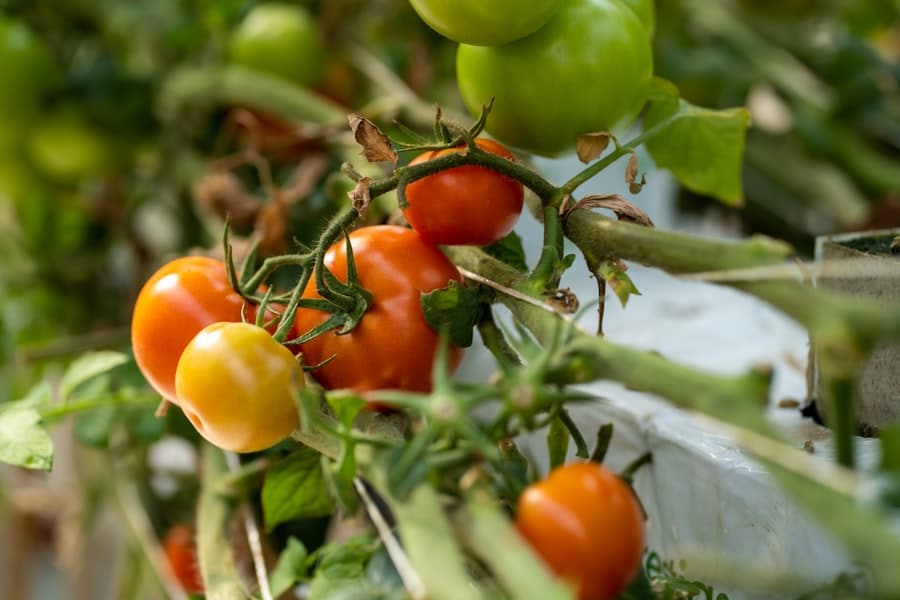
When considering companion plants for arugula, several options stand out due to their complementary growth habits and pest-repelling properties. One of the most effective companions is radishes. Both arugula and radishes thrive in similar conditions and have relatively short growing cycles.
Planting them together allows for efficient use of space while also providing mutual benefits; radishes can help break up compacted soil, which in turn aids arugula’s root development. Another excellent partner for arugula is beans, particularly bush beans. Beans are nitrogen-fixing plants that enrich the soil with this essential nutrient, which is beneficial for leafy greens like arugula.
The combination of beans and arugula not only maximizes nutrient availability but also creates a diverse planting scheme that can deter pests. Additionally, herbs such as basil and dill can be planted alongside arugula to attract beneficial insects like ladybugs and lacewings, which prey on common pests such as aphids.
How Companion Planting Enhances Arugula’s Growth
| Companion Plant | Benefit |
|---|---|
| Radishes | Repel pests such as flea beetles |
| Nasturtiums | Attract beneficial insects |
| Lettuce | Provides shade and moisture retention |
| Beans | Fix nitrogen in the soil |
Companion planting enhances arugula’s growth through several mechanisms that promote a healthy growing environment. One significant factor is the concept of nutrient sharing among plants. When arugula is planted with nitrogen-fixing companions like beans, it benefits from the increased nitrogen levels in the soil.
This nutrient boost leads to more vigorous growth and improved leaf quality, which is particularly important for leafy greens that are harvested for their foliage. Furthermore, companion planting can help optimize light exposure and reduce competition for resources. For instance, taller plants such as tomatoes or sunflowers can provide shade for arugula during the hottest parts of the day, preventing bolting—a common issue with arugula when temperatures rise.
This strategic layering not only protects arugula but also allows it to flourish in a more favorable microclimate, ultimately leading to a more abundant harvest.
Companion Planting to Deter Pests from Arugula
One of the most compelling reasons to engage in companion planting with arugula is its effectiveness in pest deterrence. Certain plants possess natural properties that repel pests or attract beneficial insects that prey on them. For example, planting marigolds near arugula can significantly reduce aphid populations due to marigolds’ ability to emit compounds that are unappealing to these pests.
This natural repellent effect helps protect not only arugula but also other nearby crops. Additionally, herbs like mint and rosemary can be strategically placed around arugula beds to create a fragrant barrier that deters unwanted insects. The strong scents emitted by these herbs confuse pests and make it difficult for them to locate their preferred host plants.
By incorporating these pest-repelling companions into the garden layout, gardeners can create a more balanced ecosystem where arugula thrives without the constant threat of pest infestations.
Creating a Balanced Ecosystem with Arugula’s Plant Partners
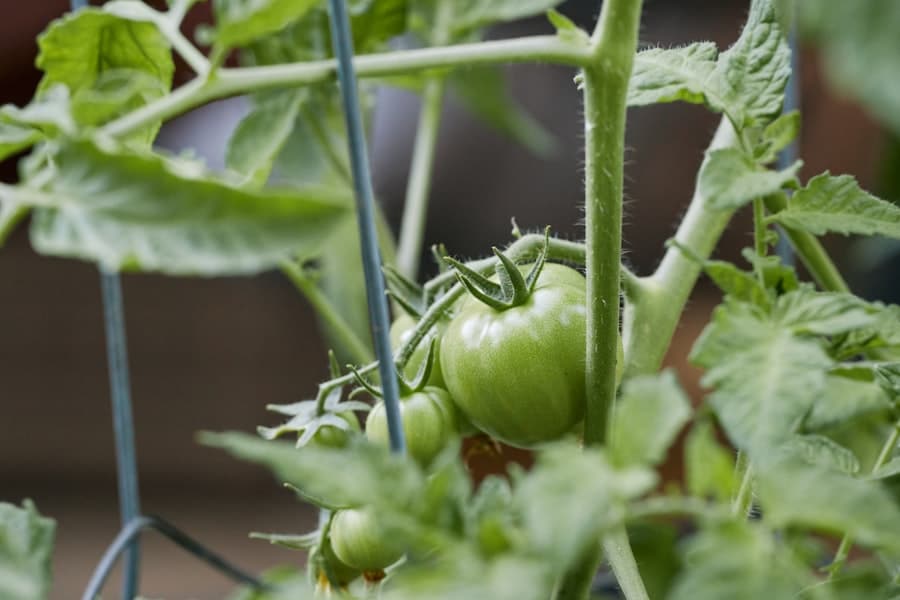
Creating a balanced ecosystem through companion planting involves understanding the interdependencies between various plant species. When arugula is paired with compatible companions, it contributes to a diverse garden environment that supports beneficial microorganisms in the soil. This diversity fosters a healthy ecosystem where plants can thrive together rather than compete for resources.
For instance, incorporating flowering plants such as nasturtiums alongside arugula not only adds visual appeal but also attracts pollinators and predatory insects that help control pest populations. The presence of these beneficial organisms enhances soil health and promotes nutrient cycling, which ultimately benefits all plants in the vicinity. By fostering such relationships within the garden, gardeners can create a self-sustaining environment where arugula and its companions flourish together.
The Importance of Soil Health in Companion Planting with Arugula
Soil health is a critical component of successful companion planting with arugula. Healthy soil provides essential nutrients, supports beneficial microbial activity, and ensures proper drainage—all vital factors for robust plant growth. When planning a companion planting strategy involving arugula, it is essential to assess soil quality and make necessary amendments before planting.
Incorporating organic matter such as compost or well-rotted manure into the soil not only improves its structure but also enhances nutrient availability for all plants involved. Additionally, practicing crop rotation and cover cropping can further enrich soil health by preventing nutrient depletion and reducing disease pressure. By prioritizing soil health in companion planting efforts, gardeners set the stage for thriving arugula crops and their plant partners.
Companion Planting for Improved Flavor and Nutrient Content of Arugula
The practice of companion planting can also influence the flavor profile and nutrient content of arugula. Certain companion plants can enhance the taste of arugula by influencing its growth conditions or by providing complementary nutrients through their interactions in the soil. For example, when grown alongside nutrient-rich companions like kale or spinach, arugula may absorb additional minerals that contribute to its flavor complexity.
Moreover, herbs such as cilantro or parsley can be planted nearby to create a synergistic effect on flavor development. The aromatic compounds released by these herbs can enhance the overall taste experience of arugula when harvested together in salads or culinary dishes. This interplay between companion plants not only enriches the flavor but also boosts the nutritional profile of meals prepared with freshly harvested produce.
Designing a Companion Planting Layout for Arugula
Designing an effective companion planting layout for arugula requires careful consideration of plant heights, growth habits, and spacing requirements. A well-thought-out layout maximizes sunlight exposure while minimizing competition for nutrients and water among plants. For instance, placing taller plants like tomatoes or sunflowers on the northern side of an arugula bed allows these taller species to provide shade during peak sunlight hours without overshadowing the shorter arugula plants.
Additionally, grouping compatible companions together can create microclimates that benefit all involved species. For example, interspersing radishes among rows of arugula not only optimizes space but also encourages healthy root development through shared soil resources. Utilizing vertical gardening techniques—such as trellising beans or climbing cucumbers—can further enhance space efficiency while promoting air circulation around all plants.
Common Mistakes to Avoid in Companion Planting with Arugula
While companion planting offers numerous benefits, there are common pitfalls that gardeners should avoid to ensure success with arugula and its partners. One frequent mistake is overcrowding plants within a designated area. While it may seem advantageous to plant as many companions as possible, overcrowding can lead to competition for light and nutrients, ultimately stunting growth and reducing yields.
Another common error is neglecting to consider plant compatibility based on growth habits and nutrient needs. For instance, pairing heavy feeders like corn with nitrogen-sensitive crops such as arugula can lead to nutrient depletion in the soil and hinder overall plant health. It’s essential to research each plant’s requirements and select companions that will work harmoniously together rather than compete for resources.
Tips for Successful Companion Planting with Arugula
To achieve successful companion planting with arugula, several practical tips can guide gardeners toward optimal results. First and foremost, conducting thorough research on potential plant partners is crucial; understanding each plant’s growth habits, nutrient needs, and pest resistance will inform better decisions when planning layouts. Additionally, maintaining proper spacing between plants is vital for ensuring adequate airflow and light penetration while minimizing competition for resources.
Regular monitoring of plant health will allow gardeners to identify any issues early on—whether they be pest infestations or nutrient deficiencies—enabling timely interventions. Lastly, embracing diversity within the garden by incorporating a variety of companion plants not only enhances resilience against pests but also contributes to a more vibrant ecosystem overall. By following these tips and remaining attentive to the needs of both arugula and its companions, gardeners can cultivate a thriving garden that yields flavorful produce while promoting ecological balance.
If you are interested in learning more about companion planting, you may want to check out this article on how to grow green beans in a container. Companion planting is a great way to maximize the health and productivity of your garden by strategically planting certain plants together. Arugula, for example, can benefit from being planted alongside certain other vegetables or herbs. This article provides helpful tips and techniques for successfully growing green beans in a container, which can be applied to other companion planting scenarios as well.
FAQs
What are companion plants for arugula?
Some good companion plants for arugula include basil, dill, lettuce, and nasturtium. These plants can help to repel pests and attract beneficial insects, as well as provide shade and support for the arugula.
Why is it important to plant arugula with companion plants?
Planting arugula with companion plants can help to improve the overall health and productivity of the arugula. Companion plants can help to repel pests, attract beneficial insects, and provide shade and support for the arugula.
Are there any plants that should not be planted with arugula?
It is generally best to avoid planting arugula with plants that are known to attract pests or compete for the same nutrients. Plants such as strawberries and members of the cabbage family (like broccoli and cauliflower) are not ideal companions for arugula.
Can companion planting improve the flavor of arugula?
While there is no scientific evidence to support the claim that companion planting can directly improve the flavor of arugula, planting it with compatible companions can help to create a healthier growing environment, which may indirectly impact the flavor of the arugula.
How should companion plants be arranged with arugula in the garden?
Companion plants can be arranged in a variety of ways around arugula. For example, taller plants like dill and basil can be planted behind arugula to provide shade, while low-growing plants like lettuce and nasturtium can be planted in front to help suppress weeds and retain moisture.
Written by
Keep reading
Vegetables
How to plan your spring vegetable garden layout for maximum yield
Learn how to plan your spring vegetable garden layout for maximum yield. Discover expert tips and tricks to boost your harvest. Get started today!
Vegetables
California Napa Cabbage: Homemade Kimchi Starts in January
Start making kimchi in January with California Napa Cabbage. Our recipe guide provides a step-by-step process for making delicious homemade kimchi.
Vegetables
Arizona Chervil: The French Secret to Delicate Winter Salads
Elevate your winter salads with Arizona Chervil. Our comprehensive guide provides expert tips and recipes for a delicious twist.