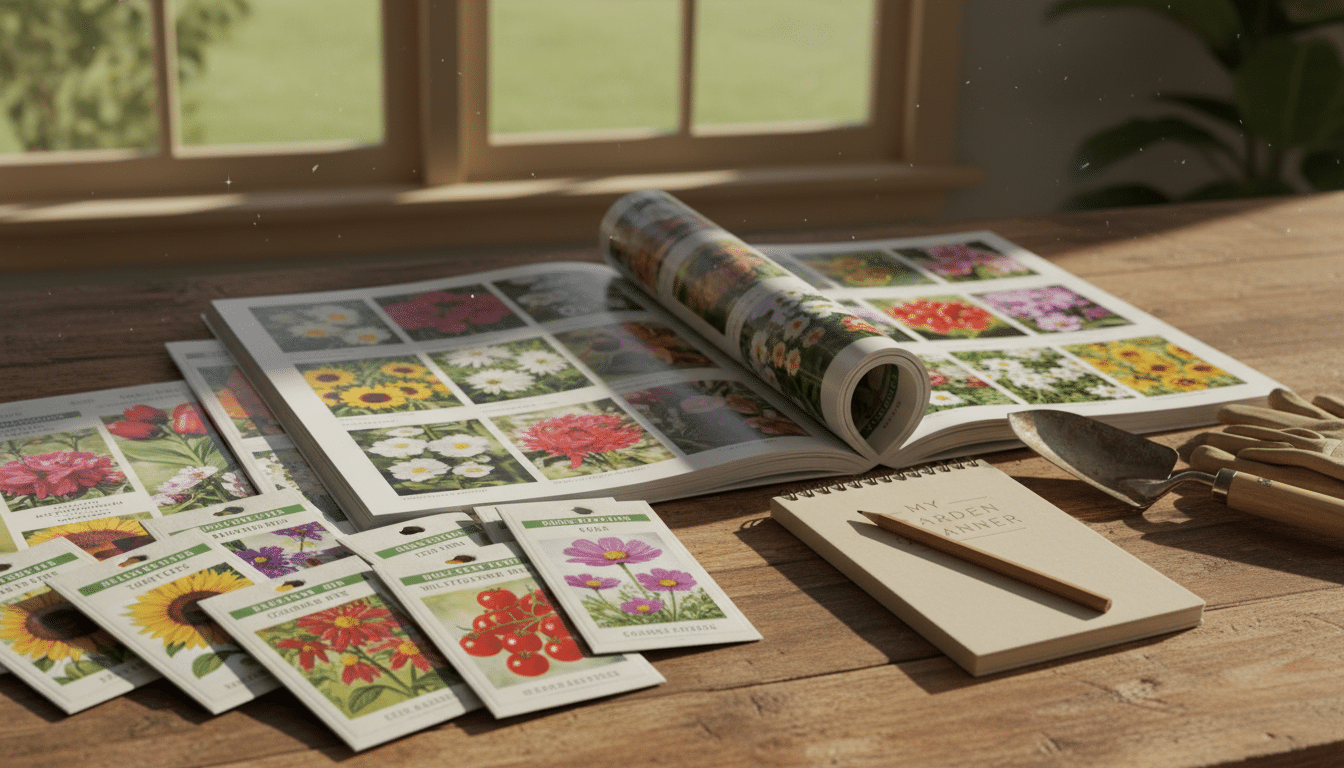
What if the catalog you pick today shapes every bed in your garden this year?
Seed catalogs still kick off the planning season for many gardeners. Paper pages let you circle favorites, jot notes, and map beds in a way a screen rarely matches.
This 2026 buyer’s guide focuses on reputable seed companies with strong germination, fair pricing, and useful variety info. We weigh practical traits like climate fit, days to maturity, and disease resistance rather than brand fame.
Expect a mix of print and digital options and clear criteria to help you pick early. The guide targets the United States market but notes a few firms that ship across borders.
Use this short guide as a quick page of facts and a plan: why February matters, how to compare catalogs, top picks, and simple tips that save money and avoid sellouts.
Key Takeaways
- February is prime time for planning and securing popular seeds early.
- “Best” means reliable germination, fair price, and honest variety info.
- Both print and digital catalog formats have planning value.
- Focus on climate fit, maturity days, and disease resistance.
- Recommendations center on U.S.-based seed companies, with some cross-border options.
Why February is the best time to order seed catalogs for the 2026 growing season
Garden planning gains a real edge in February when selections are still full and delivery windows are reliable. Late winter gives you the breathing room to map sowing dates and avoid last-minute substitutions.
Beat limited stock and meet frost-date deadlines
Popular varieties and niche cultivars often sell out early. Ordering now helps ensure seeds arrive well before the last frost and your succession planting windows.
Plan around your USDA zone and shifting frost dates
Check the 2023 USDA Plant Hardiness Zone Map; many areas warmed by about a half-zone since 2012. That shift can move average frost dates and change which plants suit your spring.
Paper vs. digital: pick the browsing style that helps you plan
Paper is great for marking favorites and comparing varieties side by side. Digital makes searching fast and supports quick online seed purchases.
| Reason | Benefit | Action |
|---|---|---|
| Strong selection | More variety choices | Reserve favorites early |
| Safer shipping | Seeds arrive before sowing | Schedule indoor starts |
| Zone shifts | Adjust crop choices | Pick heat-tolerant or short-season varieties |
Quick tip: If seeds online overwhelm you, use a curated seed catalog page and clear variety notes to avoid impulse buys.
How to choose the right seed catalog for your garden and growing season
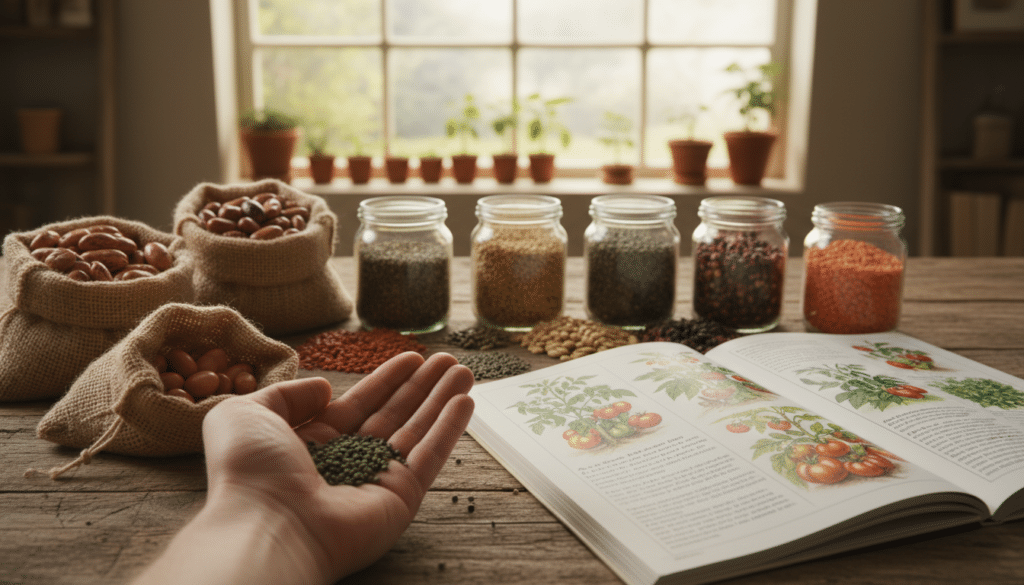
Picking the right seed source makes the difference between a bumper harvest and months of guesswork.
Start with climate match. Northern growers need cold-hardy, short-season varieties. Fedco specializes in those and also sells potatoes and bulbs for cool regions. Hot-summer gardeners should look for heat-tolerant selections. Coastal gardeners benefit from cool-summer performers.
Germination and support matter
Check published germination rates and clear sowing notes. Reliable germination plus friendly customer service saves time for beginners and those planting larger packets.
Disease resistance and real performance notes
Choose varieties with clear disease resistance data. Specific performance notes beat vague praise and help you avoid trial-and-error failures.
Match what you grow and your values
Pick sources that list vegetable seeds, flower seeds, herb, bulbs, potatoes, and live plants if you need them. If organic seeds and Non-GMO pledges matter, favor companies like High Mowing that are certified and pledge biodiversity.
- Catalog fit checklist: climate match, variety depth, trusted germination, solid customer support.
- Practical rule: one core source for staples; one specialty source for rare varieties.
| Need | What to check | Example |
|---|---|---|
| Cold region | Short-season, cold-hardy varieties | Fedco — potatoes, bulbs offered |
| Organic growth | Certified organic seeds, Non-GMO pledge | High Mowing Organic Seeds |
| Flowers & herbs | Clear sowing notes, pollinator value | Choose sources with detailed packets |
Seed-catalog terms worth understanding before you buy
A quick primer on seed terms will save frustration when you compare packets. Read these labels fast and you’ll pick varieties that match your space and climate.
Heirloom, open-pollinated, and hybrid
Heirloom means a variety established long ago (commonly 50+ years or pre-1950). Heirloom seeds keep parent traits, so saving seed yields similar plants next year.
Open-pollinated simply means natural pollination. You can save seed with reasonable consistency.
Hybrid describes a cross of two lines to combine traits. Hybrids offer higher yield and uniformity and can give better disease resistance in short seasons. Note: saved seed from hybrids often won’t breed true.
Organic, treated, and Non‑GMO
Certified organic follows USDA NOP rules for production and handling. “Organic-style” may not be certified.
Untreated seed lacks chemical coatings. Treated seed carries fungicide or growth aides—scan the packet notes if you avoid chemicals or garden with kids.
Non‑GMO means not genetically engineered; some seed companies also sign the Safe Seed Pledge.
Practical labels: maturity, habit, AAS, and resistance
Use “days to maturity,” plant size, and growth habit to avoid spacing or trellis mistakes. AAS Winners are nationally trialed—use them as a performance shortcut but check regional fit and flavor.
For disease, read codes (BLB, VF, HR, etc.) on packets and make a simple table: list the code, the disease it means, and how important it is in your zone. That method helps you compare disease resistance across varieties and cut back on sprays.
Best eed catalogs to order for 2026: top picks that gardeners love
For gardeners who want reliable germination and clear variety notes, a curated list makes choosing easier.
Territorial Seed Company — Best for cool-summer regions. Their 75-acre trial farm in Oregon tests varieties for rainy nights and mild days, so growers in the Pacific Northwest get proven performers.
Botanical Interests — Ideal for beginners. Packets read like a mini encyclopedia with sowing, harvest, pest tips, and cooking notes.
Baker Creek Heirloom Seeds — The big browsing experience. The Whole Seed Catalog offers 500+ pages and a massive selection of heirloom squash, tomatoes, and rare varieties.
Fedco Seeds — Perfect for cold-climate growers. This co-op focuses on short-season, cold-hardy varieties and also sells potatoes, bulbs, and onion sets for one-stop shopping.
Sow True Seed — Great for permaculture and school gardens. Worker-owned, with unique staples and cover-crop mixes not often found elsewhere.
High Mowing Organic Seeds — Certified organic and Non-GMO Project Verified. A top pick for shoppers who want organic seeds plus thoughtful breeding for flavor and resistance.
Turtle Tree Seed — Demeter-certified biodynamic options. Their focus on soil health supports resilient plants and closed-loop growing systems.
Seed Savers Exchange — For biodiversity enthusiasts. A nonprofit seed bank and member exchange that preserves rare heirlooms and supports community sharing.
Pinetree Garden Seeds — Large selection and extras. With 1,300+ varieties and garden supplies, it’s handy when you want seeds and gear in a single package.
Richters — Herb specialists. A Canada-based resource with deep variety counts for culinary and medicinal plants.
“Choose one core supplier for staples and a specialty source for rarities; that mix saves money and expands your options.”
- Quick picks: Territorial for cool-summer trials; Baker Creek for heirloom browsing; High Mowing for certified organic; Pinetree for variety plus supplies.
- Match your climate and gardening goals, and pick two favorites rather than dozens of suppliers.
More reputable seed companies and catalogs to consider for specialty needs
Regional and specialty seed sellers can fill gaps national brands sometimes miss. Below are next-tier companies organized by regional strength and niche crops. Use this list when you need specific vegetable, flower, or herb varieties that match your climate or market goals.
Regionally focused favorites
- Northeast: Hudson Valley Seed Company, Harris Seeds, Johnny’s Selected Seeds.
- Southeast: Park Seed, Renee’s Garden, Southern Exposure Seed Exchange.
- Midwest: Jung Seed, Annie’s Heirloom Seeds, True Leaf Market.
- Southwest: Dixondale Farms (onions/shallots/leeks), Seeds From Italy.
- West Coast: Adaptive Seeds, Siskiyou Seeds, West Coast Seeds.
Specialty suppliers for niche crops
Dixondale Farms is an excellent pick for onions, shallots, and leeks.
Filaree Farm supplies seed garlic, asparagus crowns, potatoes, and sweet potatoes—useful when you want proven starts.
Kitazawa Seed is the go-to for authentic Asian vegetable varieties, while Strictly Medicinal Seeds focuses on herbs for teas, tinctures, and medicinal gardens.
Print catalog vs. online experience
Print offers curated layouts, editorial notes, and a relaxed browsing feel that many gardeners enjoy.
Online platforms give faster stock checks, filters for maturity and resistance, and bulk options for market growers.
| Company Type | What to Expect | Best For |
|---|---|---|
| Story-driven print | Features, tasting notes, photos | Home gardeners, collectors |
| Spec-focused online | Quick filters, current availability | Market growers, trial plots |
| Regional specialists | Climate-adapted varieties | Zone-specific success |
“Pick one reliable supplier for staples and a niche source for specialty crops.”
Ordering tips to get the best selection and value from seed catalogs

A focused seed list prevents impulse buys and keeps your spring planting on schedule. Start by listing available bed space and the weeks you can tend seedlings.
Decide goals: food, flowers, herbs, or seed saving. Plan succession plantings so you get steady harvests instead of a single glut.
Build a realistic seed list based on time, space, and goals
Match varieties to your available hours and space. One tomato plant may be plenty for a small deck, while a raised bed supports many heads of lettuce.
Use catalog details to compare varieties quickly
Compare days to maturity, growth habit, plant size, and disease notes. Those specs let you pick varieties that fit your season and reduce pest issues.
Save with bulk options and group purchases
Bulk sizing examples: PakPlus (3–5x regular packet), ProPak (8–10x), MegaProPak (for sweet corn/peas; 2x ProPak).
Mix‑N‑Match pricing example: regular packets $3.99; 10–15 at $3.75; 16–19 at $3.50; 20+ at $3.25. Pool purchases with friends for lower per‑packet cost.
How to request a physical digital catalog
Most request forms ask for: first and last name, email (confirm), country, street address, city, state, ZIP, and daytime phone.
Optional fields often include business name, address line 2, cell phone, grower profile, primary growing method, and newsletter opt‑ins. Read the privacy policy and confirm details to avoid delivery problems.
| Tip | Why it helps | Example |
|---|---|---|
| Goal-based list | Prevents overbuying | Plan food vs. flowers and succession |
| Quick spec check | Fits season and space | Days to maturity + habit = right choice |
| Bulk / group buys | Lower per‑packet cost | ProPak or mix‑and‑match pricing tiers |
“Buy for the garden you have, not the one you dream about.”
Conclusion
A simple seed strategy now saves hours in spring and prevents last‑minute scrambling,
Plan in February: match varieties with your climate and frost dates. Use packet terms and notes to compare germination, days, and resistance. This approach builds confidence for the growing season.
Pick one or two core companies for staples and add a specialty company for herbs, bulbs, or potatoes. Paper browsing and online checks work well together—browse on paper, then confirm availability online.
Request a couple of catalogs now, make a short list, and place an early order so you secure better selection for your garden. Keep simple notes on favorites and performance this year; they make future gardening easier and more rewarding.
