Enhancing Landscapes with Versatile Vine Plants

In this guide
- Choosing the Right Vine for Your Landscape
- Training and Supporting Vine Plants
- Incorporating Vine Plants into Garden Designs
- Creating Vertical Gardens with Vine Plants
- Using Vine Plants for Privacy Screens
- Enhancing Outdoor Structures with Vine Plants
- Maintaining and Pruning Vine Plants
- Combining Vine Plants with Other Garden Elements
- Benefits of Using Vine Plants in Landscaping
- Tips for Successful Growth and Care of Vine Plants
- FAQs
Vine plants, often referred to simply as vines, are a diverse group of climbing or trailing plants that have captivated gardeners and landscape designers for centuries. These plants possess a unique ability to grow upwards and spread across various surfaces, making them ideal for adding vertical interest to gardens and landscapes. Vines can be herbaceous or woody, and they come in a multitude of species, each with its own distinct characteristics, growth habits, and aesthetic appeal.
From the lush foliage of climbing hydrangeas to the vibrant blooms of wisteria, vine plants offer an array of options for enhancing outdoor spaces. The versatility of vine plants extends beyond their aesthetic contributions; they also play a significant role in ecological systems. Many vines provide essential habitats for wildlife, including birds and beneficial insects.
As urban areas continue to expand, incorporating vine plants into landscapes can help mitigate the effects of urban heat islands and promote biodiversity. Understanding the various types of vines and their specific needs is crucial for anyone looking to incorporate these remarkable plants into their gardens.
Key Takeaways
- Vine plants are a versatile and attractive addition to any landscape, offering a variety of benefits such as privacy, vertical gardening, and enhancing outdoor structures.
- When choosing the right vine for your landscape, consider factors such as climate, soil type, and the amount of sunlight the area receives.
- Proper training and support are essential for the healthy growth of vine plants, including using trellises, arbors, or other structures for support.
- Incorporating vine plants into garden designs can add visual interest, create focal points, and provide shade and privacy.
- Vertical gardens with vine plants are a space-saving and aesthetically pleasing way to add greenery to outdoor areas.
Choosing the Right Vine for Your Landscape
Selecting the appropriate vine for your landscape requires careful consideration of several factors, including climate, soil type, and the specific conditions of the planting site. Different vines thrive in varying environments; for instance, some prefer full sun while others flourish in partial shade. Additionally, the hardiness zone of your region will dictate which species can survive the winter months.
For example, the hardy trumpet vine (Campsis radicans) is well-suited for warmer climates, while the more delicate clematis may require protection from harsh winter winds. Beyond environmental factors, it is essential to consider the intended purpose of the vine within your landscape. If you are looking to create a lush green wall or provide shade over a patio, fast-growing varieties like the sweet potato vine (Ipomoea batatas) or the vigorous climbing rose may be ideal choices.
Conversely, if you seek a more ornamental effect with seasonal interest, consider flowering vines such as honeysuckle (Lonicera spp.) or jasmine (Jasminum spp.), which not only add beauty but also attract pollinators. By aligning your choice of vine with both environmental conditions and aesthetic goals, you can ensure a successful integration into your landscape.
Training and Supporting Vine Plants

Training and supporting vine plants is a critical aspect of their cultivation that can significantly influence their growth and overall appearance. Vines naturally seek support as they grow; therefore, providing appropriate structures is essential for their development. Common support systems include trellises, arbors, fences, and pergolas.
These structures not only help guide the growth of the vines but also enhance the visual appeal of the garden by creating layers and dimensions. When training vines, it is important to consider their growth habits. Some vines are twining climbers, such as morning glories (Ipomoea spp.), which wrap around supports as they grow.
Others may require more structured support, such as attaching tendrils or using ties to secure them to a trellis. Regular monitoring and adjustment are necessary to ensure that the vines are growing in the desired direction and are not becoming tangled or overcrowded. This process not only promotes healthy growth but also allows for better air circulation and sunlight penetration, which are vital for preventing diseases and encouraging flowering.
Incorporating Vine Plants into Garden Designs
| Benefits of Incorporating Vine Plants into Garden Designs | Examples of Vine Plants |
|---|---|
| 1. Adds vertical interest to the garden | 1. Clematis |
| 2. Provides shade and privacy | 2. Wisteria |
| 3. Attracts pollinators and beneficial insects | 3. Honeysuckle |
| 4. Can be used to cover unsightly structures | 4. Climbing Roses |
| 5. Adds a touch of romance and whimsy to the garden | 5. Trumpet Vine |
Incorporating vine plants into garden designs can transform ordinary spaces into extraordinary landscapes filled with texture and color. Vines can be used strategically to soften hard edges, create focal points, or even serve as living screens that delineate different areas within a garden. For instance, using climbing roses on a trellis can create an enchanting entrance to a garden path, while cascading vines like ivy can soften the appearance of brick walls or fences.
Moreover, vines can be employed in various design styles, from formal gardens with structured trellises to more relaxed cottage gardens where they spill over pathways and blend with other plantings. The choice of vine species can also reflect personal style; for example, vibrant flowering vines may suit a whimsical garden theme, while more subdued foliage varieties can complement minimalist designs. By thoughtfully integrating vine plants into garden layouts, designers can create dynamic spaces that evolve with the seasons and provide year-round interest.
Creating Vertical Gardens with Vine Plants
Vertical gardens have gained popularity in recent years as urban dwellers seek innovative ways to maximize limited space while enhancing their surroundings. Vine plants are particularly well-suited for vertical gardening due to their natural climbing abilities and adaptability to various growing conditions. Creating a vertical garden involves selecting appropriate vine species that can thrive in confined spaces while providing visual impact.
To establish a successful vertical garden with vines, it is essential to choose a suitable structure that supports their growth. This could be a simple trellis mounted against a wall or a more elaborate vertical planting system that incorporates multiple layers of plants. When selecting vines for vertical gardens, consider those that have compact growth habits or are known for their ability to thrive in containers, such as certain varieties of clematis or climbing peas (Pisum sativum).
Additionally, incorporating companion plants that complement the vines can enhance biodiversity and create a more visually appealing display.
Using Vine Plants for Privacy Screens
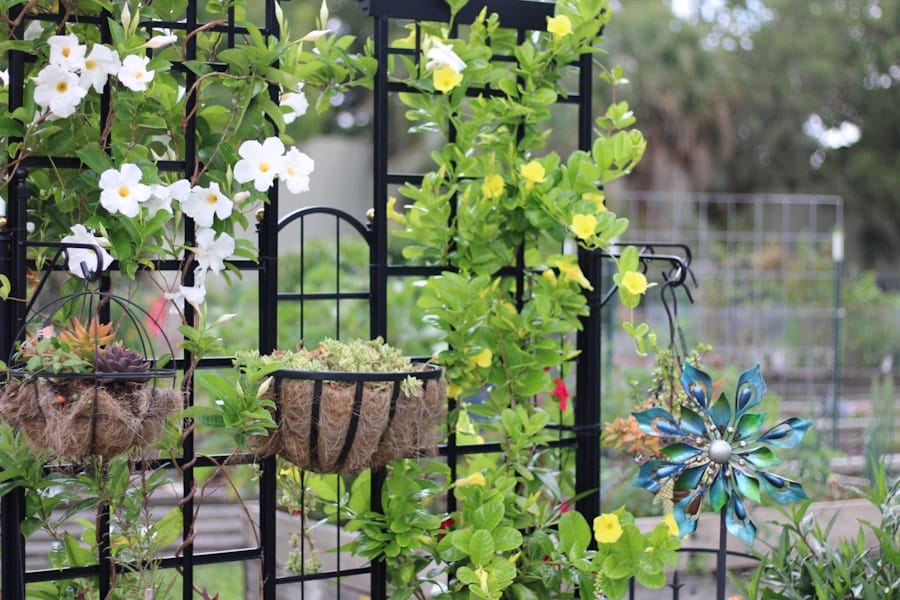
Vine plants serve as effective privacy screens in both residential and commercial landscapes. Their ability to grow quickly and densely makes them ideal for creating natural barriers that shield outdoor spaces from prying eyes or unwanted noise. When selecting vines for privacy purposes, it is crucial to consider their growth rate and density; fast-growing species like English ivy (Hedera helix) or climbing hydrangea (Hydrangea anomala petiolaris) can provide immediate coverage.
In addition to their functional benefits, vine plants can also enhance the aesthetic appeal of privacy screens. By choosing flowering or fragrant varieties, such as honeysuckle or jasmine, you can create a beautiful backdrop that not only offers seclusion but also adds sensory interest to your outdoor space. It is important to provide adequate support structures for these vines to climb on; this could include fences or trellises specifically designed for this purpose.
Regular maintenance and pruning will ensure that the vines remain healthy and do not become overgrown or unruly.
Enhancing Outdoor Structures with Vine Plants
Outdoor structures such as pergolas, arbors, and gazebos can be dramatically enhanced by incorporating vine plants into their design. Vines can soften the hard lines of these structures while providing shade and creating an inviting atmosphere for outdoor gatherings. For example, wisteria draping over an arbor creates a stunning visual display while offering respite from the sun during hot summer days.
When selecting vines for enhancing outdoor structures, consider both their growth habits and maintenance requirements. Some vines may require more frequent pruning or support than others; therefore, understanding their specific needs is essential for successful integration.
By thoughtfully incorporating vine plants into outdoor structures, you can create enchanting spaces that invite relaxation and enjoyment.
Maintaining and Pruning Vine Plants
Proper maintenance and pruning are vital components of successful vine plant cultivation. Regular care not only promotes healthy growth but also enhances flowering and overall appearance. The specific pruning techniques will vary depending on the type of vine; some may require heavy pruning in late winter or early spring to encourage new growth, while others may benefit from light trimming throughout the growing season to maintain shape.
In addition to pruning, monitoring for pests and diseases is crucial in maintaining healthy vine plants. Common issues include aphids, spider mites, and powdery mildew; early detection and intervention can prevent these problems from spreading and causing significant damage. Providing adequate air circulation through proper spacing and pruning will also help reduce disease incidence.
By establishing a routine maintenance schedule that includes watering, fertilizing, pruning, and pest management, gardeners can ensure that their vine plants thrive year after year.
Combining Vine Plants with Other Garden Elements
The integration of vine plants with other garden elements can create harmonious landscapes that celebrate biodiversity and visual interest. Vines can be paired with shrubs, perennials, or even ornamental grasses to create layered plantings that draw the eye upward while providing ground-level texture. For instance, planting low-growing ground covers beneath climbing roses can create a lush carpet effect that enhances the overall aesthetic.
In addition to plant combinations, incorporating hardscape elements such as stones or decorative pots can further enrich the garden design. Vines cascading over stone walls or spilling out of containers add depth and dimension while softening hard surfaces. Furthermore, using contrasting colors between vines and companion plants can create striking visual displays; for example, pairing deep purple clematis with bright yellow daylilies (Hemerocallis spp.) creates an eye-catching contrast that enlivens any garden space.
Benefits of Using Vine Plants in Landscaping
The benefits of incorporating vine plants into landscaping extend far beyond mere aesthetics; they offer numerous ecological advantages as well. Vines play a crucial role in improving air quality by absorbing pollutants and providing oxygen through photosynthesis. Their ability to cover walls and structures also helps regulate temperature by providing shade during hot months while insulating buildings during colder seasons.
Moreover, vine plants contribute significantly to biodiversity by providing habitats for various wildlife species. Birds often nest in dense foliage while pollinators such as bees and butterflies are attracted to flowering varieties. This ecological contribution is particularly important in urban environments where natural habitats are often limited.
By choosing native vine species when possible, gardeners can further enhance local ecosystems while enjoying the beauty these plants bring to their landscapes.
Tips for Successful Growth and Care of Vine Plants
To ensure successful growth and care of vine plants, several key practices should be followed. First and foremost is selecting the right species based on climate conditions and intended use within the landscape. Understanding each plant’s specific needs regarding sunlight exposure, soil type, and water requirements will set the foundation for healthy growth.
Regular watering is essential during dry spells; however, it is equally important to avoid overwatering as this can lead to root rot—a common issue with many vine species. Mulching around the base of vines helps retain moisture while suppressing weeds that compete for nutrients. Additionally, fertilizing during the growing season with balanced fertilizers will promote vigorous growth and abundant blooms.
Pruning should be performed at appropriate times based on each species’ growth cycle; this not only encourages new growth but also helps maintain desired shapes and sizes within the landscape design. Lastly, keeping an eye out for pests or diseases will allow for early intervention before problems escalate. By following these tips along with understanding individual plant needs within their specific environments—gardeners can cultivate thriving vine plants that enhance both beauty and biodiversity in their landscapes.
If you are interested in using vine plants in landscaping, you may also want to consider the benefits of using the best fertilizer for arborvitae trees. Arborvitae trees are a popular choice for adding privacy and greenery to your outdoor space, and providing them with the right nutrients can help them thrive. Check out this article on the best fertilizer for arborvitae trees to learn more about how to care for these beautiful trees.
FAQs
What are vine plants?
Vine plants are plants with long, trailing or climbing stems that are used for decorative purposes in landscaping. They can be either woody or herbaceous and are often used to cover walls, fences, or pergolas.
What are the benefits of using vine plants in landscaping?
Vine plants can provide shade, privacy, and visual interest to a landscape. They can also help reduce the heat absorbed by buildings and provide habitat for wildlife. Additionally, they can be used to soften the harsh lines of structures and add a touch of natural beauty to outdoor spaces.
What are some popular types of vine plants used in landscaping?
Some popular types of vine plants used in landscaping include climbing roses, clematis, wisteria, honeysuckle, and ivy. These plants are chosen for their attractive foliage, colorful flowers, and ability to cover large areas.
How do you care for vine plants in landscaping?
Vine plants generally require regular watering, especially during dry periods, and may benefit from occasional fertilization. Pruning is also important to control growth and shape the plant. Additionally, some vine plants may require support structures such as trellises or arbors to climb and grow properly.
Are there any considerations to keep in mind when using vine plants in landscaping?
When using vine plants in landscaping, it’s important to consider their growth habits and potential for invasiveness. Some vine plants can be aggressive and may require regular maintenance to prevent them from spreading uncontrollably. It’s also important to choose the right plant for the specific growing conditions of the landscape, such as sun exposure and soil type.
Written by
Keep reading
Lawn & landscaping
What is the golden ratio in gardening?
Did you know that 90% of people instinctively prefer landscapes that follow a specific mathematical pattern? This natural preference explains why some outdoor spaces…
Lawn & landscaping
What is the rule of 3 in landscaping?
Did you know that your brain naturally prefers odd-numbered arrangements? Studies show that groupings of three, five, or seven elements create more visual harmony…
Lawn & landscaping
What is the rule of 3 in gardening?
Professional landscapers have a little-known secret: over 85% of award-winning garden designs follow a simple pattern that creates stunning visual harmony. This powerful technique…