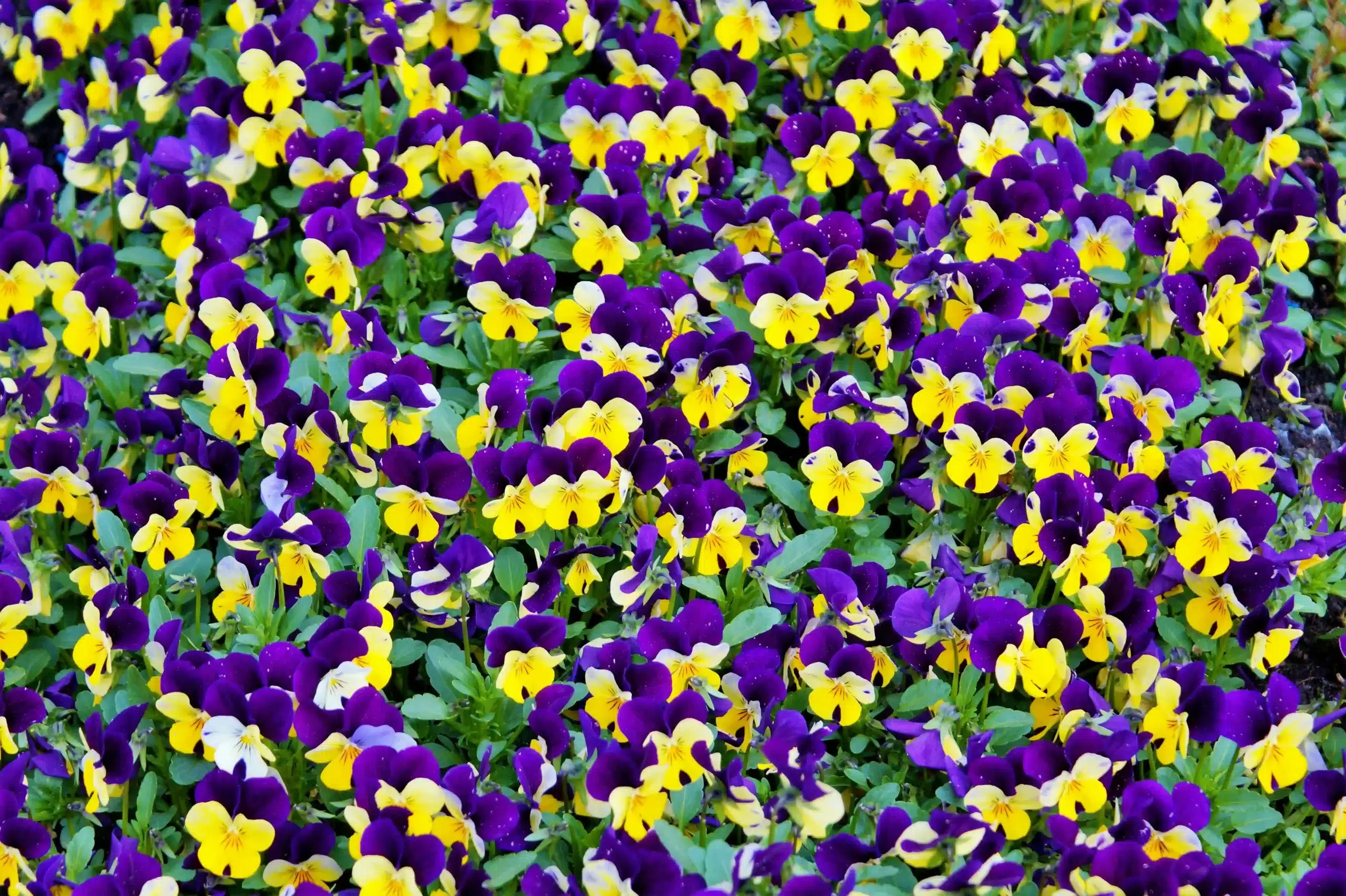
Did you know that some of the most vibrant blossoms in your garden could also be the secret ingredient in your next meal? This surprising fact opens up a world where beauty meets taste.
Among the most popular garden flowers today, these plants offer an incredible range of hues. You can find them in rich reds, sunny yellows, pure whites, and even rare shades of blue.
These particular blooms are cold-tolerant annuals. They thrive during the cooler months from fall through spring. This makes them a perfect choice for certain climate zones where other flowers might struggle.
Their appeal is truly dual-purpose. They provide stunning visual interest in beds, borders, and containers. At the same time, their petals are safe to eat and can add a creative, colorful touch to salads and desserts.
This article will guide you through their history, practical growing tips for your region, and fun ways to use them in the kitchen. Whether you’re a seasoned gardener or just starting, you’ll find useful information to enhance your landscape and your dining experience.
Key Takeaways
- Some garden blossoms are not just for looks; they are also edible.
- These plants are currently very popular for their wide array of colors.
- They perform best in cooler weather, making them ideal for specific seasonal planting.
- They serve a dual role by beautifying outdoor spaces and enhancing meals.
- The article covers everything from planting advice to culinary uses.
- Both new and experienced gardeners can benefit from the information provided.
- Using these blooms can creatively connect your garden to your kitchen.
Introduction to Florida Pansies and Edible Flowers
With their charming ‘faces’ and compact growth, these particular flowering plants bring vibrant life to gardens during the cooler seasons. They are perfectly suited for adding color to borders, window boxes, and patio pots.
As cold-tolerant annuals, they thrive from fall through spring. This makes them a standout choice when many other plants fade. Their ability to withstand cooler temperatures is a key benefit.
Overview of Benefits and Uses
The variety of colors available is impressive. You can find blooms in red, purple, yellow, white, and apricot. Some even offer rare and diverse shades of blue.
These plants are not just for looks. Both pansies and their smaller relatives, violas, are edible flowers. This adds a unique, dual-purpose value to your garden.
Larger pansy flowers can reach two to three inches across. Viola blossoms are typically smaller. Some varieties even release a sweet scent at dawn and dusk.
User Intent and What You Will Learn
This guide will provide a comprehensive look at these versatile annuals. You will discover their historical background and cultural significance.
We will cover specific growing techniques for your climate. This includes seasonal planting schedules and container gardening methods.
Finally, you’ll learn about ongoing care and creative culinary applications. This information will help you get the most from these colorful plants.
History, Symbolism, and The Language of Pansy Flowers
Behind the charming appearance of modern pansies lies a rich tapestry of history and cultural meaning. These flowers have evolved from simple wild blooms to sophisticated garden favorites.
Historical Background and Origins
The pansy’s story begins with the Viola tricolor, a European wildflower known since ancient Greek times. This tri-colored flower displayed white, yellow, and blue or purple petals.
British breeders after 1800 developed the distinctive “faces” that make these flowers so recognizable today. Later, breeders from France, Belgium, Switzerland, and America created larger, brighter varieties.
| Time Period | Location | Key Development |
|---|---|---|
| Ancient Times | Europe | Viola tricolor wildflower origins |
| After 1800 | Britain | Development of characteristic “faces” |
| 19th Century | France/Belgium | Larger, brighter color varieties |
| Modern Era | Global | Sophisticated petal patterns and colors |
Floriography and Cultural Significance
During Victorian times, floriography (the language of flowers) reached peak popularity. The first floral dictionary appeared in France in 1819.
Pansies symbolized thoughts and remembrance. People used them in tussie mussies to show they missed someone. These flowers also serve as February’s birth flower.
This historical context adds deeper meaning to growing pansies today. They represent centuries of human connection and emotional expression.
Growing Florida Pansies: Tips for Containers and Gardens
The success of your flowering display begins with selecting the right containers and understanding seasonal placement. Proper planning ensures healthy growth throughout the cooler months.
Choosing the Right Containers and Soil
Container size and drainage significantly impact plant health. Choose pots with adequate drainage holes to prevent waterlogging.
Use specialized potting soil designed for containers. This soil provides better aeration and moisture retention than regular garden soil. It supports strong root development for your plants.
Window boxes and planters work exceptionally well for these blooms. Adding sheet moss over the soil surface helps maintain moisture while creating a finished appearance.
Watering, Sun Exposure, and Seasonal Adjustments
These plants thrive in rich, well-drained soil that maintains consistent moisture. Container soil dries faster than ground soil, requiring regular watering attention.
Place containers where they receive full sun during fall and winter months. As spring weather warms, move them to morning sun locations to protect from afternoon heat.
New varieties perform best in full sun, though partial shade works during hotter periods. Too much shade reduces flower production and can cause spindly growth. Fall planting establishes strong plants for continuous blooming through spring.
Planting and Caring for Your Pansies
Gardeners face an important decision when establishing these colorful annuals: whether to nurture from seed or transplant mature specimens. This choice impacts timing, effort, and eventual success in your garden or containers.
Sowing Seeds vs. Buying Seedlings
Starting from seed requires planning six weeks ahead for germination. Plants need another month to establish before cold weather arrives. For spring blooms, sow seeds in July or August.
Purchasing seedlings offers immediate results. Look for stocky plants with four to five strong leaves. Avoid tall, spindly specimens that may struggle to establish.
| Method | Timeline | Best For | Considerations |
|---|---|---|---|
| Seed Starting | 12+ weeks before season | Budget-conscious gardeners | Requires careful timing and space |
| Purchasing Plants | 6 weeks before frost | Immediate garden impact | Higher initial cost, instant results |
| Blooming Plants | Spring planting | Quick color displays | Most expensive but instant beauty |
Fertilizing, Cultivating, and Pest Management
Prepare rich, well-drained soil by spading to 6-8 inches deep. Add organic matter or 5-10-5 fertilizer before planting. Space plants 7-12 inches apart for proper air circulation.
Water thoroughly once weekly with about 1 inch of moisture. Always water in morning to prevent disease. Apply fertilizer one week after transplanting, then every 3-4 weeks during growth.
Remove fading flowers to encourage new blooms. Avoid planting in the same location for more than three years. This prevents fungus buildup in the soil.
Watch for common pests like aphids and spider mites. Use appropriate controls to protect your plants’ health and flowering potential.
Edible Uses and Creative Ways to Enjoy Pansies
Transform your garden’s beauty into culinary artistry with these versatile edible blooms. Both pansy flowers and their smaller viola cousins offer safe, stunning additions to your kitchen creations.
Harvesting and Preparing Your Blooms
Select flowers at their peak freshness in the morning. Gently rinse them to remove debris.
Proper storage maintains their vibrant color and texture. Keep them in a damp paper towel inside your refrigerator.
- Choose unblemished, fully open flowers
- Rinse under cool running water
- Pat dry with paper towels
- Store in sealed containers
The incredible color variety available makes these flowers ideal for decorative purposes. You can find shades from deep purple to sunny yellow.
Culinary Applications and Flavor Profile
Freeze individual blooms in ice cubes for elegant beverages. Press petals onto frosted cakes for natural decoration.
These edible flowers offer a mild, slightly grassy taste. They complement rather than overwhelm dishes.
Candied pansies create long-lasting garnishes for desserts. Scatter fresh petals over salads and appetizers.
The subtle flavor lets the visual impact shine through in both sweet and savory applications.
Growing a dedicated patch ensures pesticide-free flowers throughout the cooler months. Your garden can serve dual purposes—beautifying your space while supplying kitchen ingredients.
Conclusion
Embrace the cooler months by adding vibrant, edible color to your landscape. These versatile plants offer exceptional dual-purpose value for both ornamental beauty and culinary creativity.
Successful cultivation requires understanding seasonal timing. Plant in fall for continuous blooms through spring. Provide well-drained soil and adjust sun exposure as weather changes.
The wide range of available colors makes these flowers perfect for borders and containers. Their adaptability ensures rewarding results for gardeners of all experience levels.
Apply the care guidance covered here for months of flowering success. Morning watering and proper spacing will yield abundant blooms. Enjoy experimenting with both garden displays and kitchen garnishes.
