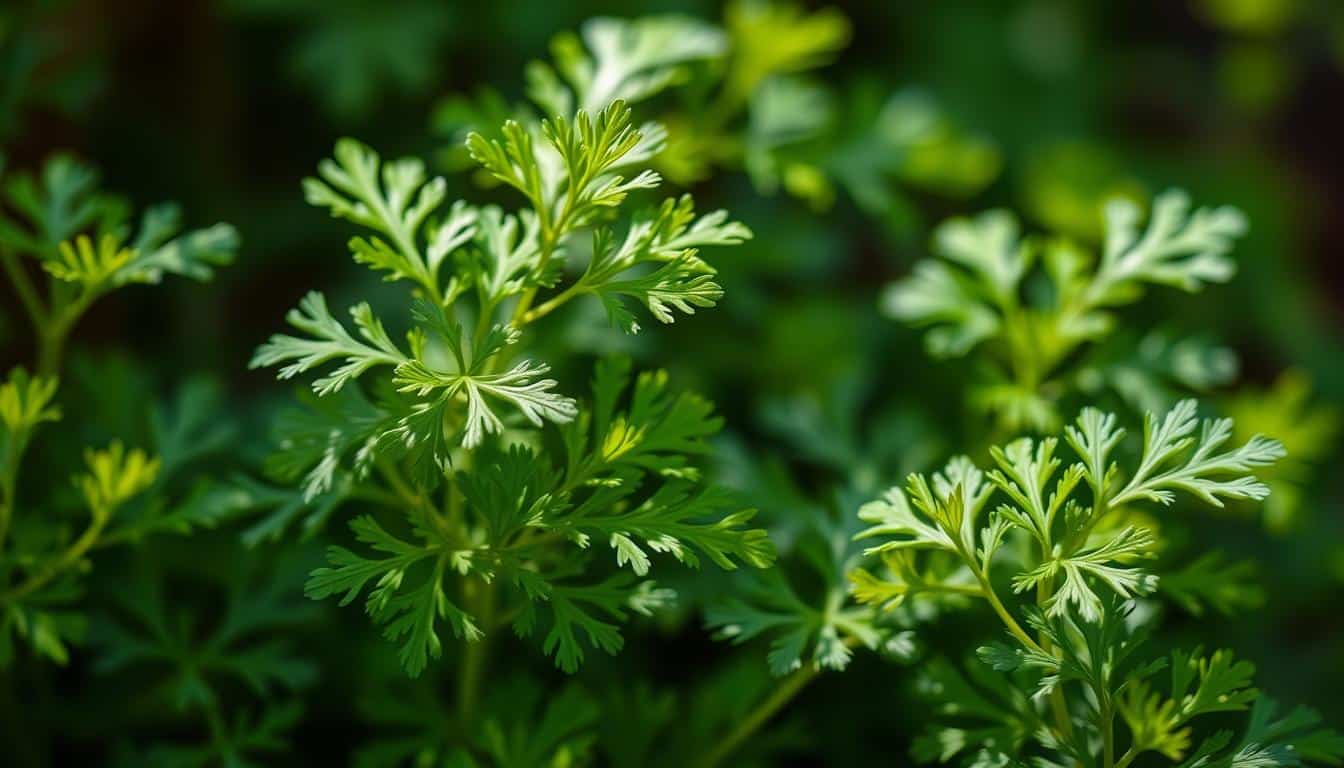
Can a small pot of bright green leaves become your go-to winter remedy and kitchen hero?
Florida Parsley is a nutrient-dense herb packed with vitamins A, C, and K, plus B vitamins, calcium, and iron. It grows well in containers and works as both a fresh garnish and a natural breath freshener.
This short guide gives practical information for U.S. gardeners on when to plant in fall, how to care for soil and water, and ways to keep leaves tasty through mild winter months. You’ll learn the plant’s life cycle, when it will flower, and simple steps to balance harvest with habitat value for pollinators and caterpillars.
Ready for hands-on tips? Follow our clear timeline and actionable steps to grow healthy plants at home. For detailed harvesting tips, see this concise grow parsley harvest guide.
Key Takeaways
- Parsley is vitamin-rich and easy to grow in containers or beds.
- Plant in fall for best winter flavor and steady growth through cool months.
- Focus on good soil, regular watering, and 6–8 hours of sun.
- Harvest lightly to keep plants productive and support wildlife.
- This guide offers step-by-step, time-sensitive tips for reliable results.
Why Grow Parsley in Florida’s Cool Season for Immune Support
Planting in fall sets the stage for steady, nutrient-rich harvests across mild winter months.
Parsley offers concentrated nutrients in each leaf. It supplies vitamins A, C, and K, plus B vitamins, calcium, and iron. These elements support immune function and general wellness during cooler months.
Cool-weather growth keeps the plant focused on leafy production instead of seed. That means better flavor, tender texture, and a longer harvest window. In regions like Pasco County, timing your planting in fall captures this peak performance.
Practical seasonal tips
- Start in fall to avoid summer bolting and extend plant life into spring.
- Use light shade in shoulder seasons to slow flowering and preserve leaf quality.
- Follow guide growing basics: spacing, steady water, and timely harvests.
| Nutrient | Benefit | Best Season |
|---|---|---|
| Vitamins A, C, K | Immune support, bone and skin health | Winter months |
| Calcium & Iron | Mineral support for blood and bones | Cool season growth |
| B vitamins | Energy metabolism and leaf vigor | Fall through spring |
| petroselinum crispum | Reliable kitchen herb for soups and garnishes | Winter harvests |
Florida Parsley Basics: Varieties, Flavor, and Botanical Names
Different cultivated types of parsley offer distinct tastes, textures, and uses in the kitchen.
Petroselinum crispum is the botanical name that covers the main cultivated varieties gardeners buy. Choosing among forms helps you match plants to your recipes and garden layout.
Flat leaf vs. curly leaf vs. Hamburg parsley
Flat leaf (Petroselinum crispum neapolitanum) has a stronger, herb-forward flavor. It holds up well in cooking and sauces.
Curly leaf (P. crispum crispum) has frilly, decorative leaves that make eye-catching garnishes. Its taste is milder but still useful fresh.
Hamburg parsley (P. crispum tuberosum) produces white, slightly sweet roots that cook like young parsnips. If you want both leaves and a usable root, this variety expands your options.
Petroselinum crispum and parsley haw
Note that culinary petroselinum crispum is not the same as parsley haw (a hawthorn shrub). Parsley haw has thorny branches, showy flowers, and red fruits and is not a kitchen herb.
- Choose flat leaf for bold flavor.
- Pick curly for presentation.
- Try Hamburg if you want edible roots and leaves.
Best Time and Place to Grow Parsley in Florida
Timing and placement make a big difference when you grow parsley for winter harvests.
Schedule planting for the cooler months so plants establish before warmer weather arrives. In Pasco County and similar central regions, sow or transplant in late fall and keep plants through winter, replacing them after spring bloom.
Sunlight and shade
Choose full sun in winter for compact, leafy growth. As days warm, move to light afternoon shade to protect leaves and delay bolting.
Soil and containers
Use well-drained soil rich in organic content. Raised beds and containers work well where native soil varies.
Containers should be at least 8–10 inches deep and placed where winter sunlight is abundant.
Starting from seed and care
Soak seed overnight to speed germination (7–12 days). Sow shallowly and thin seedlings to about 6 inches for good airflow.
Keep soil evenly moist while plants establish and weed carefully to reduce competition. Expect pollinators and black swallowtail caterpillars to visit when plants bloom.
“A late-fall start gives the best balance of leaf quality and life span for kitchen use and wildlife support.”
- Plan fall through winter planting windows by region.
- Prepare soil for moisture retention and drainage.
- Use light shade in warm months to extend plant life.
How to Plant and Start Strong
Simple early steps make it much easier to grow vigorous plants from seed or transplant.
Seeds vs. transplants
Decide based on time and budget. Seeds are economical and do well in cool months. Soak seed overnight to speed up germination. Expect sprouts in 7–12 days.
Transplants jump-start growth when you want leaves sooner. Set them at the same depth they grew in and water in well.
Watering and soil basics
Water gently at planting and keep the root zone evenly moist. Use well-drained soil in beds or containers to avoid waterlogging.
Thin seedlings to about 6 inches so each stem gets airflow. Mulch lightly once established to stabilize soil moisture and help prevent disease.
- Choose a pot with a high-quality mix for container-grown plants.
- Keep weeds low by hand weeding to protect shallow roots and reduce disease risk.
- Allow a little afternoon shade as days warm to delay bolting and support leaf life.
| Step | Why it matters | Quick tip |
|---|---|---|
| Sow or transplant | Starts root development | Soak seeds; set transplants at same depth |
| Keep soil moist | Reduces stress and disease | Water gently; avoid standing water |
| Thin to 6 inches | Improves airflow and vigor | Space roots and stems for stronger growth |
| Mulch & weed | Stabilizes moisture; cuts disease pressure | Mulch lightly; pull weeds by hand |
Follow this guide growing approach to build robust roots and leafy tops for petroselinum crispum. Plant a few extra if you welcome caterpillars so you can harvest and still support wildlife.
Care, Water, and Preventing Disease Through the Season
A few simple habits during the cool months will protect leaves and lengthen your harvest window.
Moisture matters: Water consistently so soil stays evenly moist. Mulch thinly to cut evaporation and stop soil splash that can spread disease onto lower leaves.
Keep airflow: Weed gently and thin crowded stems. Open airflow helps foliage dry fast after rain or irrigation and reduces the chance of fungal problems.
Light shade to delay bolting
Give plants light afternoon shade as days warm. This slows flowering and extends plant life so you get more harvests and better leaf quality.
Pollinators and wildlife
Late blooms draw pollinators, and this herb is a host for black swallowtail caterpillars that become swallowtail butterflies. If caterpillars appear, set aside a couple of plants for them and protect your main beds.
Quick steps to prevent disease
- Scout weekly; remove yellowing or spotted leaves to keep the canopy bright green.
- Avoid overhead watering late in the day to limit prolonged wetness.
- Feed lightly with compost or a balanced product to support steady growth without excess lushness.
“Rotate beds and remove spent plants after flowering to break disease cycles and prepare for the next cool season.”
Harvesting, Flavor, and Using Your Herb in the Kitchen
A few smart harvest habits turn a tidy plant into a steady kitchen supply.
When to pick and keep stems producing
Timing and technique
Harvest outer stems first and leave the central crown intact. This encourages the plant to keep making new leaves.
Pick in the morning when foliage looks bright green and fully hydrated. Refrigerate bunches quickly or place stems in a jar of water like a bouquet.
Fresh vs. dried: preserving color and oil
Fresh parsley leaves deliver the best flavor, but rapid low-heat drying preserves oil content and color for pantry use.
Use a dehydrator at gentle settings or quick oven drying to keep volatile oils. Rinse and spin dry before storing to remove soil and grit.
Cooking ideas and pairing
Flat-leaf types provide bold flavor in sautés and sauces; curly leaf is ideal as a bright green garnish.
- Strip leaves from thicker stems for raw dishes; mince stems for stocks and soups.
- Use Hamburg root parsley when you want white roots for soups and roasts.
- Pair chopped leaf with cilantro in chimichurri, salsa verde, or herb sauces for layered freshness.
“Harvest often and store clean to enjoy vibrant flavor and longer shelf life.”
| Use | Best form | Quick tip |
|---|---|---|
| Garnish | Curly leaf | Chop last minute for color |
| Cooking | Flat leaf | Keep some stems for flavor |
| Roots | Hamburg | Harvest when tender |
Conclusion
A few smart habits at planting and harvest will keep your kitchen stocked and support pollinators all season.
Plan by the cool months: Start in fall, aim for steady winter growth, and expect plants to decline by late spring. Prepare rich soil, water consistently, and give light afternoon shade as temperatures climb.
Choose the right varieties for your needs—flat leaf, curly, or Hamburg—and rotate beds or containers to reduce disease. Trim outer stems and harvest often to encourage new growth.
Protect foliage with clean spacing and careful watering to prevent disease. Let a few plants bloom for pollinators and to support black swallowtail caterpillars.
Preserve extra herbs by drying quickly to keep oil and color. For production details and handling tips, see this concise guide from UC Davis: parsley production and handling.
