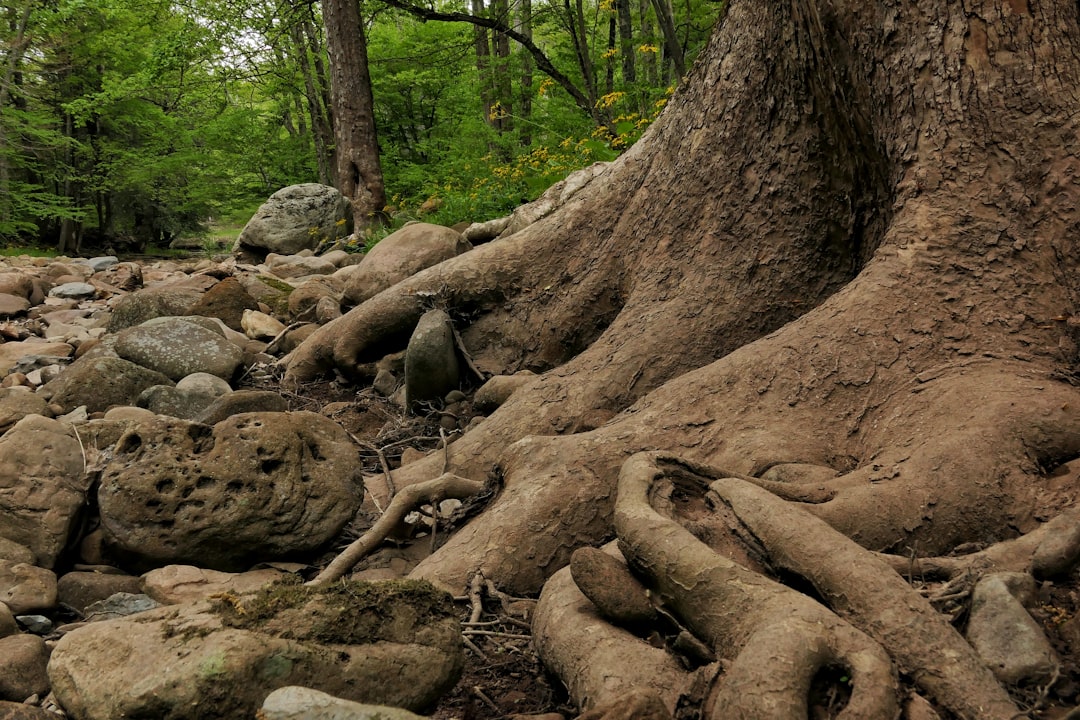
Landscaping is an art that combines creativity with nature, and stones play a pivotal role in enhancing the aesthetic appeal of outdoor spaces. The use of stones in landscaping can range from decorative elements to functional features, such as pathways, retaining walls, and garden borders. However, sourcing these stones can often be a costly endeavor.
Fortunately, there are numerous avenues to acquire free stones for landscaping projects, allowing homeowners and gardeners to beautify their spaces without breaking the bank. This article explores various sources where one can find free stones, providing insights into the benefits and considerations associated with each option. The allure of free stones lies not only in their cost-effectiveness but also in the unique character they can bring to a landscape.
Each stone carries its own history and charm, whether it has been shaped by natural forces over millennia or repurposed from construction debris. By utilizing free stones, individuals can create distinctive outdoor environments that reflect their personal style while also promoting sustainability through recycling and reusing materials. This exploration of potential sources for free stones will guide you through the process of finding these valuable resources in your local area.
Key Takeaways
- Free stones can be used for landscaping in various natural and man-made settings.
- Local parks and nature reserves are great places to find free stones for landscaping projects.
- Construction sites and demolition yards often have leftover stones that can be repurposed for landscaping.
- Riverbeds and creeks are natural sources of free stones for landscaping.
- Beaches and shorelines can provide a variety of stones for landscaping projects.
Local Parks and Nature Reserves
Local parks and nature reserves are often treasure troves of natural materials, including stones that can be used for landscaping. Many parks have rock formations, gravel paths, and even decorative stone features that may be available for collection, provided that local regulations permit it.
Before embarking on a stone-gathering expedition, it is essential to check with park authorities to understand the rules regarding the removal of natural materials.
Some parks may have designated areas where stones can be collected, while others may prohibit any removal to preserve the natural ecosystem. In addition to the potential for collecting stones, local parks often host community events focused on landscaping and gardening. These events can provide opportunities to connect with fellow gardening enthusiasts who may have extra stones or know of other sources.
Engaging with local park programs not only enhances your knowledge of native plants and landscaping techniques but also fosters a sense of community among those who share a passion for outdoor beautification. By participating in these activities, you may discover hidden gems—both in terms of stones and valuable connections with like-minded individuals.
Construction Sites and Demolition Yards
Construction sites and demolition yards are often overlooked as sources for free stones, yet they can be rich in materials that are perfect for landscaping projects. As buildings are constructed or demolished, various types of stones—such as bricks, concrete blocks, and natural stone—are frequently discarded or left over. Many contractors are more than willing to give away these materials rather than pay for disposal fees.
Approaching construction sites with a polite inquiry can yield significant results; however, it is crucial to seek permission before taking any materials. When visiting demolition yards or construction sites, it is essential to exercise caution. These areas can be hazardous due to heavy machinery and debris.
Wearing appropriate safety gear, such as gloves and sturdy footwear, is advisable. Additionally, understanding the types of stones available can help you make informed decisions about what to collect. For instance, reclaimed bricks can be used for creating charming pathways or raised garden beds, while larger boulders can serve as striking focal points in a landscape design.
By repurposing materials from construction sites, you not only save money but also contribute to reducing waste in landfills.
Riverbeds and Creeks
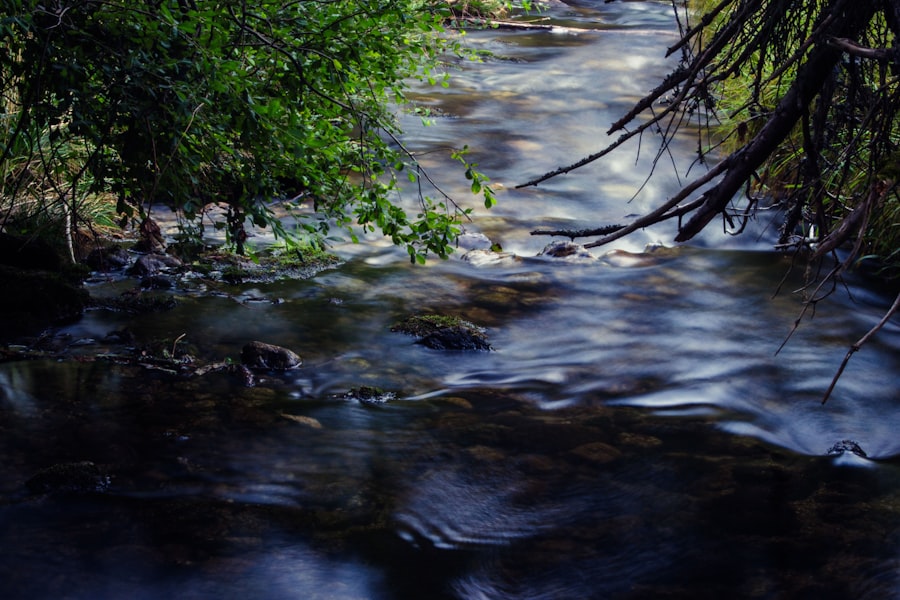
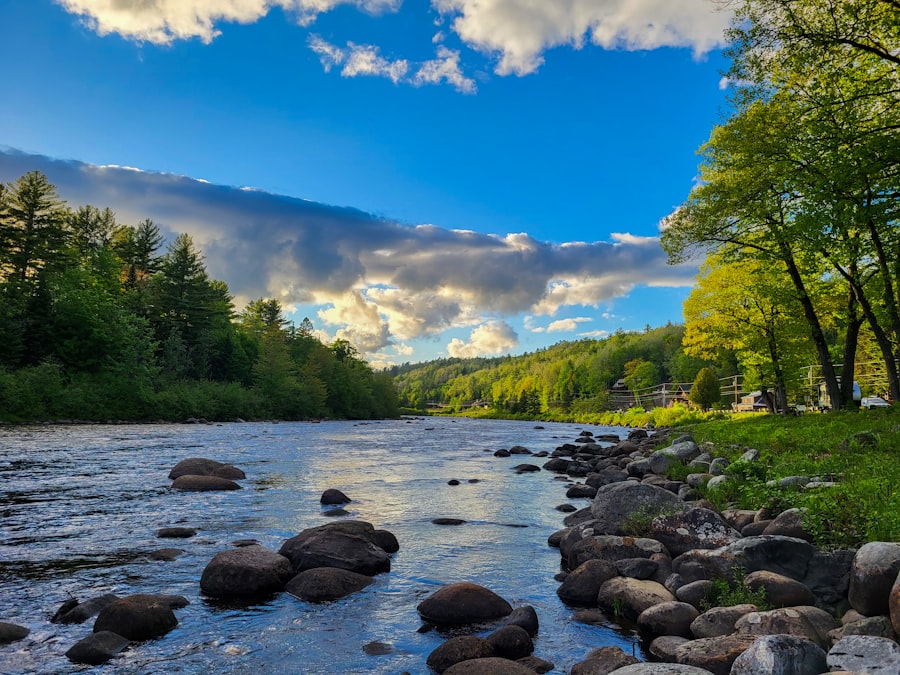
Natural water bodies like riverbeds and creeks are abundant sources of stones that can enhance your landscaping projects. The constant flow of water shapes and smooths stones over time, creating beautiful pebbles and larger rocks that can be used in various applications—from decorative borders to drainage solutions. However, it is vital to approach this source with respect for local regulations and environmental considerations.
Many regions have laws protecting waterways from the removal of natural materials to preserve ecosystems and prevent erosion. When collecting stones from riverbeds or creeks, timing is essential. After heavy rains or during low water levels, more stones may be exposed and easier to collect.
It’s also important to consider the ecological impact of your actions; taking too many stones from one area can disrupt local habitats. A sustainable approach involves taking only what you need while ensuring that the natural environment remains intact. Additionally, exploring different locations along the waterway can yield a variety of stone types and sizes, allowing for creative landscaping solutions that incorporate diverse textures and colors.
Beaches and Shorelines
Beaches and shorelines offer another unique opportunity for sourcing free stones for landscaping projects. The natural erosion caused by waves creates an array of smooth pebbles and larger rocks that can add a coastal charm to any garden or outdoor space. Collecting stones from beaches can be particularly appealing due to their unique shapes and colors, which are often influenced by the surrounding environment.
However, similar to riverbeds, it is crucial to adhere to local regulations regarding the collection of materials from public beaches. When gathering stones from beaches, consider the impact on the local ecosystem. Some areas may have restrictions on the amount of material that can be removed or may prohibit collection altogether to protect wildlife habitats.
Engaging with local conservation groups or beach clean-up initiatives can provide insights into sustainable practices while also allowing you to connect with others who share an interest in preserving natural beauty. By participating in these efforts, you not only enhance your landscaping project but also contribute positively to the environment.
Hiking Trails and Wilderness Areas
Respecting Local Regulations
However, it’s essential to respect local regulations regarding the removal of materials from public lands. Many national parks and protected areas have strict rules against collecting rocks or other natural resources to maintain the integrity of the ecosystem.
Finding Inspiration in Nature
If you live near hiking trails or protected areas, consider exploring these locations for inspiration rather than just materials. Observe how natural stones are integrated into the landscape, and you’ll gain valuable insights into design principles that you can apply in your own garden.
Discovering Creative Ideas
Some trails may lead you to areas where stones have already been used creatively, such as in retaining walls or decorative features, offering ideas for your own landscaping projects without needing to remove any materials.
Craigslist and Freecycle
Online platforms like Craigslist and Freecycle have revolutionized how people find free materials for various projects, including landscaping. These websites allow individuals to post listings for items they no longer need or want, including stones and other landscaping materials. By regularly checking these platforms, you may discover listings for free stones from individuals who have recently completed construction projects or garden renovations.
When using these platforms, it’s important to act quickly; free items often go fast due to high demand. Additionally, being polite and respectful when contacting sellers can increase your chances of securing the materials you need. Some listings may even offer delivery options or allow you to pick up larger quantities directly from the seller’s location.
Engaging with your local community through these platforms not only helps you find free stones but also fosters connections with neighbors who share similar interests in gardening and landscaping.
Local Farms and Ranches
Local farms and ranches can be excellent sources for free stones that can enhance your landscaping projects. Many agricultural properties have fields or pastures where rocks accumulate over time due to plowing or natural erosion processes. Farmers often seek assistance in clearing these rocks from their land and may be willing to give them away rather than incur disposal costs.
Approaching local farms with a friendly inquiry about available stones can yield fruitful results. In addition to sourcing stones directly from farms, consider building relationships with local farmers who may have insights into other resources available in your area. They might know of nearby construction sites or other landowners looking to offload excess materials.
Furthermore, collaborating with farmers on community projects—such as creating pollinator gardens or enhancing farm aesthetics—can lead to mutually beneficial arrangements where both parties gain from shared resources.
Community Gardens and Allotments
Community gardens and allotments are vibrant spaces where individuals come together to cultivate plants and share resources. These gardens often have a wealth of materials available for use, including stones that may have been collected by members over time. Engaging with community garden groups can provide opportunities not only for sourcing free stones but also for learning about sustainable gardening practices and connecting with fellow gardening enthusiasts.
Many community gardens encourage members to share excess materials or tools, fostering a spirit of collaboration among participants. If you’re part of a community garden or considering joining one, don’t hesitate to ask fellow gardeners about available stones or other landscaping materials they might be willing to share or trade. Additionally, participating in garden workdays or events can lead to discovering hidden treasures within the garden’s landscape—whether it’s decorative rocks or practical stones for pathways.
Roadside and Highway Construction
Roadside and highway construction projects often generate significant amounts of stone debris that can be repurposed for landscaping purposes. As roads are built or repaired, various types of rocks—such as gravel, crushed stone, or larger boulders—are frequently left over or discarded. While it is essential to approach this source with caution due to safety concerns around active construction zones, many contractors are open to giving away excess materials rather than paying for disposal.
Before venturing into roadside construction areas, it is crucial to obtain permission from project managers or contractors overseeing the work site. They may have specific guidelines regarding what materials are available for collection and how much you can take without disrupting their operations. Additionally, understanding the types of stone available at these sites can help you identify which materials will best suit your landscaping needs—whether you’re looking for decorative elements or functional gravel for pathways.
Landscaping and Garden Centers
While landscaping and garden centers typically sell stones at retail prices, many establishments also have sections dedicated to clearance items or leftover materials from previous projects that they may offer at reduced prices or even for free. Visiting these centers regularly can yield opportunities to find unique stone varieties that might not be available elsewhere at no cost. In addition to checking clearance sections, engaging with staff at these centers can provide valuable insights into upcoming sales or promotions where free items might be offered as part of a marketing strategy.
Some centers may even host community events where they give away excess materials as part of their commitment to sustainability and community engagement. By building relationships with local garden center staff, you may uncover hidden gems that enhance your landscaping projects while supporting local businesses. In conclusion, there are numerous avenues available for sourcing free stones for landscaping projects—from local parks and construction sites to online platforms like Craigslist and community gardens.
Each source offers unique opportunities while requiring consideration of environmental impact and local regulations. By exploring these options creatively and responsibly, individuals can enhance their outdoor spaces without incurring significant costs while contributing positively to their communities.
If you are looking to enhance your landscaping with vibrant red and yellow flowers, check out this article on Vibrant Red and Yellow Flowers: A Stunning Display. This article provides tips and ideas for incorporating these colorful blooms into your outdoor space.
Additionally, if you are interested in creating a garden with year-round blooms, be sure to read <a href='https://chikusgarden.
com/year-round-blooms-floridas-everlasting-flowers/’>Year-Round Blooms: Florida’s Everlasting Flowers for inspiration. And if you are a plant enthusiast dealing with fiddle leaf fig diseases, this visual guide on Fiddle Leaf Fig Diseases: Pictures Visual Guide may be helpful in identifying and treating common issues.
FAQs
What are free stones for landscaping?
Free stones for landscaping are natural stones that can be found in various places such as rivers, beaches, and construction sites. These stones can be used for landscaping projects without having to purchase them from a store.
Where can I find free stones for landscaping?
You can find free stones for landscaping in rivers, beaches, forests, and construction sites. It’s important to obtain permission before collecting stones from private property or protected areas.
What are the best places to find free stones for landscaping?
The best places to find free stones for landscaping include riverbanks, beaches, and areas where construction or excavation work is taking place. These locations often have a variety of stones available for collection.
Are there any legal considerations when collecting free stones for landscaping?
It’s important to be aware of any local regulations or laws regarding the collection of stones from natural or private areas. Always obtain permission from the landowner before collecting stones, and avoid removing stones from protected or environmentally sensitive areas.
How can I transport free stones for landscaping?
When collecting free stones for landscaping, it’s important to consider how you will transport them. Using a wheelbarrow, tarp, or sturdy bags can help you safely transport the stones from the collection site to your landscaping project.
What should I consider when using free stones for landscaping?
When using free stones for landscaping, consider the size, shape, and color of the stones to ensure they complement your overall design. Additionally, be mindful of the weight of the stones and how they will be arranged to create a visually appealing and functional landscape.
