Hawaii Basil Alternatives: Thyme & Oregano for Tropical ‘Winter’ Dishes
In this guide
- Why You Need Basil Substitutes for Hawaii’s Tropical “Winter” Dishes
- Spotlight Substitutes: Oregano and Thyme That Shine in Island-Inspired Recipes
- Hawaii Basil Alternatives
- Beyond the Leaf: Smart Swaps for Pesto, Sauces, and Dressings
- How to Use Substitutes in Tropical Dishes Without Losing Flavor
- Keep Fresh Flavor on Hand: Storing and Preserving Basil and Herb Swaps
- Conclusion
- FAQ
What if a simple swap could keep your island-inspired meals bright when fresh basil is missing? Many cooks in warm winter climates crave the same lively, garden-driven flavor that basil brings to seafood and tomato-forward dishes. This guide asks a practical question: how do you preserve that fresh, peppery note without running to the store?
Basil is a tender leafy herb with a fragrant, slightly peppery aroma; its leaves are best used fresh at the end of cooking to keep aroma and color. It browns quickly, so timing matters when choosing a substitute.
When basil is scarce, smart substitutes can keep dishes balanced. We’ll spotlight thyme and oregano for cooked sauces and marinades, and note options like parsley, cilantro, mint, and Thai basil for quick or raw uses. Start small, taste, and build flavor so the herb complement doesn’t overwhelm fish, tomatoes, or other warm-weather favorites.
Key Takeaways
- Use thyme or oregano for cooked sauces and marinades.
- Reserve milder herbs like parsley or cilantro for raw or quick-cooked dishes.
- Add substitutes gradually to keep balance and brightness.
- Fresh leaves deliver the best aroma; timing matters to avoid browning.
- Keep a few go-to substitutes in the kitchen to avoid last-minute runs.
Why You Need Basil Substitutes for Hawaii’s Tropical “Winter” Dishes
Tropical winter cooking still needs that bright, peppery lift, even when fresh herbs run out.
Fresh basil brings a lively, peppery, and lightly minty edge that brightens seafood, tomato, and citrus-forward dishes. Cooks usually use the soft leaves and add them at the last minute because they oxidize and brown quickly.
There are practical reasons to look for a good substitute. Herbs sell out, seasonal gaps happen, allergies arise, or you may want a different flavor direction for slow-simmered sauces.
The right swap should match the role basil plays — aroma, color, or herbal lift — without copying its exact taste. Choose differently for raw finishes versus long cooking, and always start small and taste as you build flavor to avoid covering delicate ingredients.
Spotlight Substitutes: Oregano and Thyme That Shine in Island-Inspired Recipes
For tomato-forward dishes, a sturdier herb often does the heavy lifting basil would usually do.
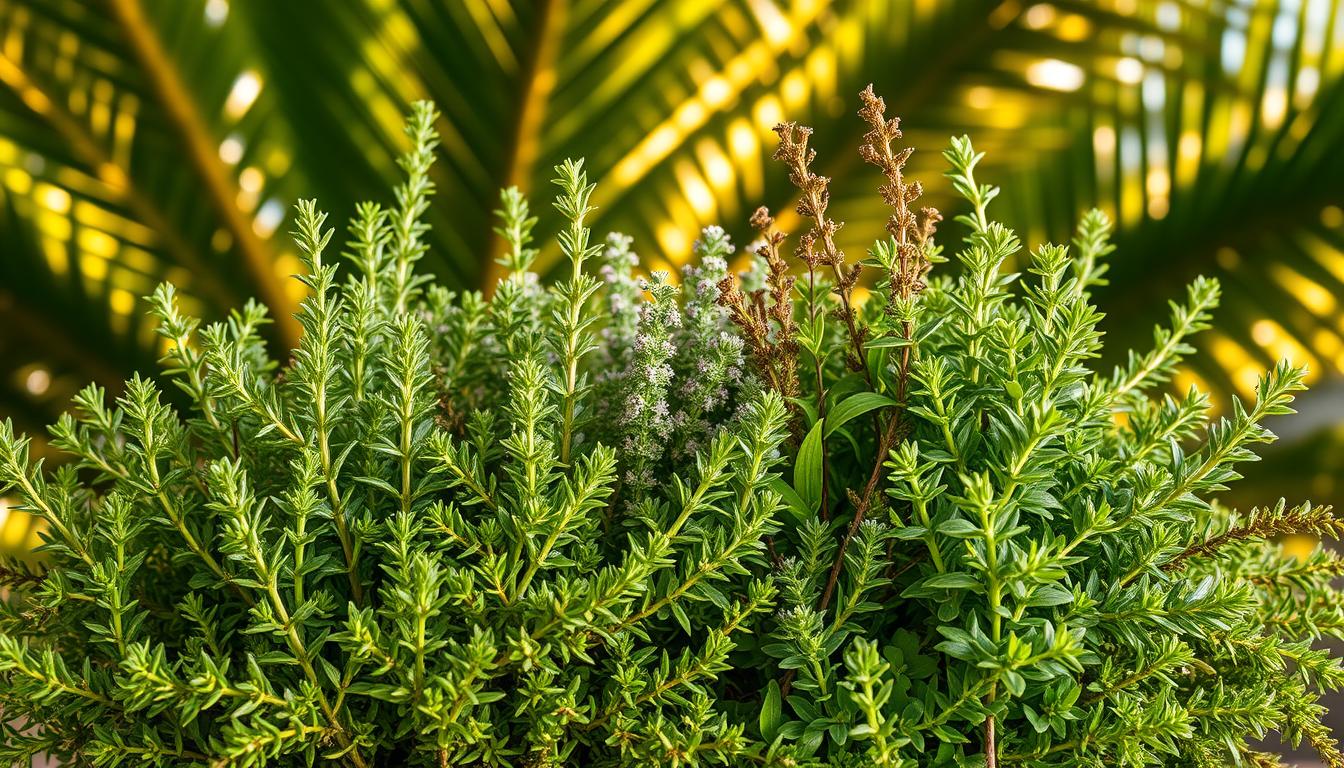
Oregano brings a strong, earthy punch that stands up to heat. Use fresh oregano in marinara, pizza sauce, roasted vegetables, or meat marinades. Start with half the amount to avoid an overly bold spice note.
Thyme offers a minty, lemony lift that suits roasted fish, citrusy marinades, and gentle herb blends. Use thyme to add brightness without masking delicate proteins.
Remember: dried oregano and dried thyme are more concentrated. Reduce the amount and taste as you go. For cooked sauce, adding herbs earlier softens intensity. If you have a little fresh leaf left, finish with a small sprinkle for aroma.
| Herb | Best Uses | Start Amount | Pairings |
|---|---|---|---|
| Oregano (fresh) | Marinara, roasted veg, marinades | Half the basil amount | Tomato, garlic, olive oil, a touch of sugar or vinegar |
| Thyme (fresh) | Roasted fish, citrus marinades, herb blends | Equal to basil for subtle lift | Lemon, mild chiles, olive oil |
| Oregano / Thyme (dried) | Pantry seasoning for sauces | Use 1/3–1/2 fresh amount | Reduce, taste, then adjust |
Hawaii Basil Alternatives
A simple change of herb can steer a recipe toward mild, bright, or aromatic results.
Flat-leaf parsley for salads, pesto, and garnish — mild, clean flavor
Parsley is mild and clean. It adds greenery without stealing the show.
Use it raw in salads, blend with nuts for pesto, or stir in at the end so the leaves stay bright.
Cilantro for salads, salsas, and curries — bright, citrusy twist
Cilantro brings a citrus-forward note that lifts tropical salads and island salsas.
It pairs well with lime and chile for vibrant, fresh plates.
Fresh mint for raw dishes, spring rolls, and salads — cool sweetness
Mint adds cool sweetness to spring rolls, fruit salads, and chilled sides.
Avoid heavy tomato sauces—mint’s profile works best in raw or lightly dressed items.
Thai basil for stir-fries and noodle dishes — anise-tinged and spicy
Thai basil comes closest to sweet basil for hot, fast cooking. Its anise notes lift noodles and stir-fries.
“Use these herbs fresh to preserve aroma and color; finish dishes with a light handful of leaves.”
| Herb | Best Uses | Flavor Note | Pairing |
|---|---|---|---|
| Parsley | Salads, pesto, garnish | Mild, clean | Lemon + garlic |
| Cilantro | Salsas, salads, curries | Citrusy, bright | Lime + chile |
| Mint | Spring rolls, fruit sides | Cool, sweet | Cucumber or pineapple |
| Thai basil | Stir-fries, noodles | Anise, spicy edge | Garlic + soy |
Quick note: These substitutes work best when used fresh so the taste and color mirror how basil is often added at the end. Treat each herb as a good substitute that nudges the final dish toward mild, bright, or aromatic results.
Beyond the Leaf: Smart Swaps for Pesto, Sauces, and Dressings
If fresh basil is missing, clever green blends can still give you a bright, herb-forward pesto.
Arugula pesto brings a peppery bite that pairs well with seafood. Brighten it with lemon and garlic for lift. If the mix is too bold, blend in parsley or spinach to soften the edge.
Arugula pesto with lemon and garlic
Spinach-based pesto is more about color and texture than punch. Add nuts, garlic, and lemon, then stir in parsley for a fresher finish.
Spinach-based pesto for color and texture
When swapping dried herbs in pasta or pizza, use about half the usual amount. Start small, taste, and adjust so the seasoning doesn’t go dusty or overpowering.
Italian seasoning and dried basil for pasta sauce and pizza
“Test a small batch before scaling up, and finish dressings with citrus or a pinch of chile to mimic basil’s lift.”
| Swap | Best Use | Tip |
|---|---|---|
| Arugula pesto | Seafood, grilled veg | Brighten with lemon; mix with parsley if hot |
| Spinach pesto | Colorful pasta, spreads | Add nuts and garlic; balance with parsley |
| Dried basil / Italian seasoning | Cooked sauces, pizza | Use ~50% fresh amount; taste and adjust |
When not to substitute: Caprese, raw leaf finishes, and classic basil-forward sauces rely on the unique aroma of fresh basil and are best left unchanged.
How to Use Substitutes in Tropical Dishes Without Losing Flavor
Keep the spirit of the dish by adjusting amounts and pairing herbs that layer rather than clash. A measured approach protects delicate seafood and tomato-based plates when fresh basil is low.
Adjust quantities: start small, build flavor, avoid overpowering
Begin with a small amount and taste as you go. For stronger herbs, a good rule is to start at half the usual amount and increase after a brief cook time.
Cooking mellows intensity, so add assertive leaves early in sauces. Finish with a light sprinkle for aroma.
Blending herbs for layered profiles
A thoughtful blend adds depth without overload. Try parsley with thyme for savory backbone.
Or pair cilantro with mint for a bright, cool lift in salads and grilled seafood. Chopping size matters: fine chop releases more immediate flavor, larger pieces give intermittent bursts.
Balance herbs with acid—lime, lemon, or a splash of vinegar—and a touch of sweetness to emulate basil’s rounded flavor. Also check salt and oil; they carry herb notes and can amplify the final taste.
- Tip: In quick sautés and stir-fries, add delicate herbs near the end to preserve aroma and color.
Keep Fresh Flavor on Hand: Storing and Preserving Basil and Herb Swaps
A few simple preservation tricks mean your pantry can supply fresh herb punch anytime. These methods keep flavor ready by the hand so you can finish dishes fast.
Freeze in olive oil: cube method for soups, sauces, and sautés
Chop fresh basil or a favorite substitute, pack into silicone trays, and cover with olive oil. Freeze, pop cubes into flat freezer bags, and use them in soups, sauces, or sautés where leaves would wilt.
Air dry or dehydrate: crumble and store away from light
Hang whole stems in a ventilated spot or use a dehydrator. Once crisp, crumble into airtight jars kept away from heat and light to preserve aroma.
Infused oils, vinegars, and compound butters for quick seasoning
Make flavored oils, vinegars, or butter logs for a fast way to add seasoning. Refrigerate and use within weeks for safety. Slice compound butter onto fish or veg for an instant finish.
Fridge storage tips for fresh leaves and how to prevent browning
Wrap leaves in paper towel inside a breathable bag; they usually last 3–5 days. Add delicate herbs like mint at the end of cooking to preserve aroma and avoid oxidation.
“Label and date containers to track freshness; frozen cubes keep aroma even if texture changes.”
Conclusion
Aim for support, not imitation: use basil substitutes to lift a dish without stealing the spotlight.
If basil is the star in a recipe or raw finish, save it for another place. For cooked sauces and marinades, reach for oregano and thyme. For fresh salads, choose parsley or mint, and use Thai basil or arugula/spinach for quick pesto and pasta.
Start small, taste, and adjust. Add a bit of acid or a touch of sweetness to round flavor, or blend parsley-thyme and cilantro-mint to shape aroma without overwhelm.
Keep preserved options—oil cubes or dried jars—on hand so you can finish recipes with fresh taste even when the market runs dry. Try these swaps in everyday cooking and let smart substitutes keep island-inspired dishes vivid and balanced.
FAQ
What can I use when fresh basil is out of stock or not available?
How do dried oregano or thyme compare to fresh leaves?
Which substitute is best for pesto or basil-forward sauces?
Can I mix herbs to mimic basil’s flavor?
How much of a substitute should I use compared to fresh basil?
Are there cases when I should not substitute basil?
What are quick ways to preserve herb flavor when fresh herbs aren’t available regularly?
How do I store fresh leaves to keep them from browning?
Which substitute pairs best with seafood and pasta in tropical dishes?
Can I use cilantro or mint in place of basil for salads and salsas?
Written by
Keep reading
Herbs
Texas Dill: Winter Pickling Herb That Laughs at Light Frosts
Learn how to grow Texas Dill, a resilient winter pickling herb that thrives in cold weather, with our step-by-step guide.
Herbs
Texas Oregano: Cold-Tough Perennial for Pizza Nights All Winter
Texas Oregano: Your guide to growing this cold-tough perennial for year-round pizza nights. Tips on cultivation and culinary uses inside.
Herbs
PNW Chives: Cut-and-Come-Again Flavor (Even After Snow)
Learn how to grow PNW Chives for a continuous harvest, even after snow. Discover the cut-and-come-again benefits of this hardy perennial.