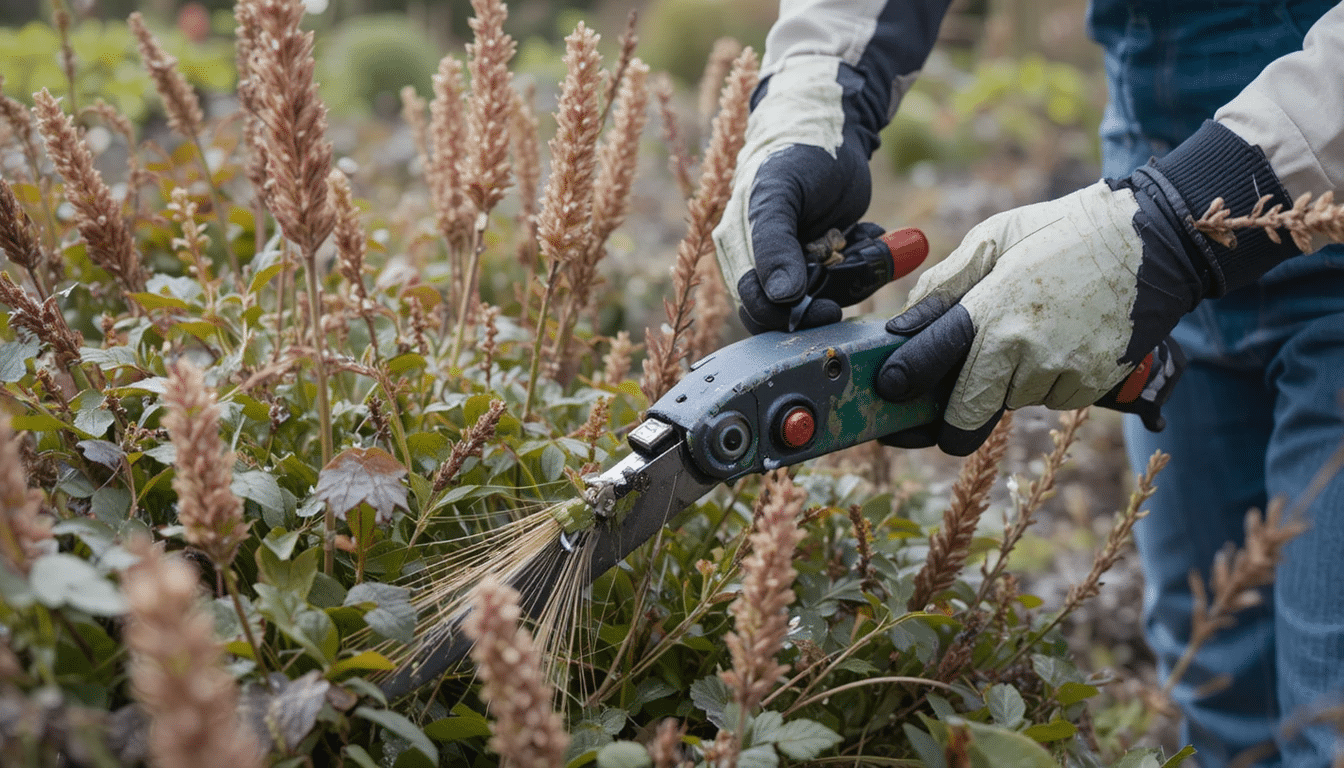
Did you know that a single, well-timed cut in the autumn can determine whether a plant thrives or struggles for an entire year? This fact highlights the immense power of seasonal timing in your outdoor space.
The tenth month brings a dramatic shift. Crisp air, the first frosts, and dazzling fall colors signal a time of transition. For your landscape, this period presents a critical window for care.
The answer to the central question isn’t simple. It depends entirely on the specific type of greenery in your yard. Some varieties benefit greatly from a fall trim, while for others, it can be a serious mistake.
Strategic cutting during this period prepares many species for winter dormancy. It can help prevent disease and encourage robust growth when spring arrives. However, stimulating new growth on the wrong plants just before cold weather can cause damage.
Understanding which specimens to trim and which to leave alone is the key to success. This guide will provide clear, plant-specific advice to help you make the best choices for a healthy and vibrant garden.
Key Takeaways
- Pruning decisions in autumn are highly dependent on the specific plant species.
- The fall season offers a unique opportunity to prepare many plants for winter.
- Strategic cutting can promote healthier growth and reduce disease risk.
- Incorrect timing can stimulate vulnerable new growth before frost.
- Proper plant identification is essential for successful seasonal maintenance.
- Knowledge of individual growth cycles guides optimal care timing.
Understanding the Timing for Autumn Pruning
Plant physiology changes dramatically as temperatures drop, creating specific care windows. The right timing protects your garden’s health and ensures vibrant blooms the following year.
Seasonal Considerations and Weather Impacts
This year‘s warmer autumn temperatures require special attention. Many plants haven’t entered full dormancy yet, making them vulnerable to cutting.
Weather patterns significantly impact your decisions. Unseasonably warm times can keep plants actively growing longer than usual. This delays the ideal pruning season for certain species.
Monitor conditions throughout the autumn months. The first hard frosts signal plants to transfer energy to their roots. This makes it an optimal time for cutting back some herbaceous perennials.
How Seasonal Changes Affect Pruning Decisions
The best time for cutting depends on whether plants bloom on old or new wood. Old wood bloomers need post-flowering care, while new wood varieties benefit from late winter early spring attention.
Late winter and early spring represent the safest window for many deciduous shrubs. Plants are fully dormant during this winter early spring period. They won’t bleed sap or waste energy on inappropriate new growth.
Proper timing also protects next spring‘s flower buds. Some plants already have buds formed for their spring display. Incorrect cutting now would remove these future blooms.
Understanding these seasonal rhythms helps you make smart choices. Your careful timing now leads to a healthier garden next year.
Step-by-Step Guide to Pruning in October
Having the correct tools makes all the difference when preparing your garden for the colder months ahead. Quality equipment ensures clean cuts that heal properly.
Essential Tools and Safety Tips
Start with sharp, clean pruning shears like Felco F2 models. Bypass pruners work well for precision work. For thicker branches, consider Tabor Tools’ GG12A Anvil Lopper.
Always wear puncture-resistant gardening gloves. They protect your hands from thorns and sharp branches. Eye protection is wise when working overhead.
Keep your footing stable on slippery autumn leaves. Proper safety prevents accidents during your gardening tasks.
Basic Pruning Techniques for a Healthy Garden
Wait until after the first hard frost to cut back herbaceous perennials. Use clean secateurs to trim stems down to three inches above ground.
Remove any dead or diseased foliage completely. Don’t compost infected material. This prevents pests and diseases from overwintering.
For shrubs, remove crossing or damaged stems. Create an open framework for better airflow. This reduces disease pressure on your plants.
Clean your pruning shears between each plant. This stops disease spread through your garden.
October too late to prune? Debunking the Myths
Many garden enthusiasts mistakenly believe that autumn pruning should be avoided entirely. This blanket advice ignores the nuanced needs of different plant species.
Expert Insights on Autumn Pruning
Richard Barker, horticultural expert at LBS Horticulture, confirms this month is excellent for many popular garden plants. “Proper identification makes autumn care highly beneficial,” he notes.
Annelise Brilli from Thompson & Morgan emphasizes understanding dormancy schedules. Cooler temperatures have slowed growth, creating ideal conditions for certain species.
Experienced gardeners recognize that fall timing allows energy transfer to roots. This sets up vigorous growth next season. The real issue isn’t whether it’s too late, but which specific plants benefit.
Herbaceous perennials, certain roses, and specific shrubs thrive with autumn attention. Each species has evolved unique strategies for winter survival.
With accurate plant identification, autumn pruning becomes a valuable care technique. It’s far from universally harmful when applied correctly.
Plant-Specific Pruning Guidelines for Fall
Mastering fall garden maintenance involves recognizing which plants benefit from autumn attention. Different species have unique requirements as they prepare for winter dormancy.
Pruning Herbaceous Perennials and Shrubs
Many herbaceous perennials thrive with autumn care. After the first hard frost, cut back peonies to three inches above ground. This allows energy transfer to roots for vigorous growth next year.
Remove hosta foliage completely to prevent slug eggs from overwintering. For plants showing fungal diseases like powdery mildew, cutting back helps control spread.
Some plants should remain standing through winter. Ornamental grasses provide valuable winter interest and wildlife shelter. Seedheads on coneflowers feed birds during scarce months.
Woody herbs like lavender need careful shaping after flowering. Avoid cutting into old wood which can damage these shrubs.
Special Tips for Pruning Popular Plants
Roses require different approaches based on variety. Knock Out types can be cut back by one-third without affecting blooms. Other roses only need deadheading and light shaping.
“Proper identification makes autumn care highly beneficial for many popular garden specimens,” notes horticultural expert Richard Barker.
Summer-fruiting berry bushes like raspberries need fruiting canes removed to ground level. This makes room for new growth that will produce flowers and fruit.
Hydrangea pruning depends on blooming wood. New wood bloomers like panicle types handle fall trimming well. Old wood varieties must wait until after late spring flowering.
| Plant Type | Autumn Action | Benefits | Exceptions |
|---|---|---|---|
| Herbaceous Perennials | Cut back after frost | Disease prevention | Leave ornamental grasses |
| Woody Shrubs | Light shaping only | Maintain structure | Avoid old wood cuts |
| Roses | Variety-specific care | Promote blooms | Knock Out types tolerant |
| Berry Bushes | Remove fruiting canes | New growth space | Timing critical |
| Hydrangeas | Wood type determines | Preserve flower buds | Old wood wait until spring |
Southern climate plants like gardenia bloom into fall. Prune these after flowers fade for continuous early summer performance.
Navigating Pruning Pitfalls in Warmer Autumns
When autumn temperatures remain higher than normal, gardeners must adjust their approach to seasonal plant care. Extended warmth delays natural dormancy cycles, creating specific risks for certain species.
Identifying Plants to Avoid in Early Fall
This year’s unusual weather patterns require extra caution. Many plants continue active growth longer than typical for the season. This extended activity makes them vulnerable to cutting.
Evergreen shrubs face particular stress during dry, warm autumn months. Pruning causes significant water loss through fresh wounds. Healing slows dramatically when conditions remain warm and arid.
Deciduous shrubs need careful observation before any maintenance. Wait until all leaves have completely fallen from the tree or shrub. This indicates true dormancy has begun.
Sap-producing types like maples and birches risk excessive bleeding when cut before dormancy. The flowing sap weakens the tree and attracts pests to fresh wounds.
| Plant Type | Autumn Risks | Visible Signs to Wait For | Best Timing |
|---|---|---|---|
| Evergreen Shrubs | Water loss, slow healing | N/A – avoid entirely | Late spring |
| Deciduous Shrubs | Stimulated new growth | Complete leaf drop | After leaf fall |
| Sap-Producing Trees | Bleeding, pest attraction | Dormant appearance | Mid-winter |
| Old Wood Bloomers | Lost spring flowers | N/A – avoid entirely | After spring blooming |
| Partially Dormant Plants | Winter kill of new growth | No active growth at branch tips | Full dormancy |
Patience becomes essential during warmer autumns. Rushing to cut back plants before true dormancy can stimulate new growth that winter freezes will damage. This wastes the plant’s energy reserves.
Proper identification ensures successful gardening through unusual seasons. Check for complete leaf drop and ceased growth at the branch base before considering any cuts this year.
Conclusion
Rather than a blanket prohibition, autumn care requires a nuanced approach tailored to specific plant varieties. The key insight is that timing depends entirely on individual species rather than calendar dates.
Successful gardening this season means distinguishing between plants that benefit from autumn attention and those requiring spring care. Herbaceous perennials often thrive when cut after frost, while many shrubs need careful timing.
Proper tool selection and technique ensure healthy growth next year. Clean, sharp equipment prevents disease spread. Removing diseased foliage completely protects your entire garden.
Understanding each plant’s needs transforms autumn into a productive time for landscape care. This knowledge sets the foundation for vibrant flowers and thriving plants throughout the coming year.
