In an era where sustainability and environmental consciousness are at the forefront of many people’s minds, the concept of homemade plant food has gained significant traction. Homemade plant food refers to nutrient-rich substances created from natural ingredients, often sourced from one’s kitchen or garden, that can nourish plants effectively. This practice not only promotes healthier plant growth but also aligns with eco-friendly gardening practices.
By utilizing readily available materials, gardeners can reduce their reliance on commercial fertilizers, which often contain synthetic chemicals that can harm the environment. The allure of homemade plant food lies in its simplicity and accessibility. Many gardeners, whether seasoned or novice, can create effective fertilizers using common household items.
This approach not only fosters a deeper connection with the gardening process but also encourages a more sustainable lifestyle. As we delve into the various aspects of homemade plant food, we will explore its benefits, the philosophy behind a no-waste kitchen garden, and practical methods for creating nutrient-rich fertilizers from everyday materials.
Key Takeaways
- Homemade plant food is a cost-effective and sustainable way to nourish your garden.
- Using homemade plant food can improve soil health and promote stronger, healthier plants.
- The no waste kitchen garden concept encourages the use of kitchen scraps and leftover cooking water to create nutrient-rich plant food.
- Compost, organic fertilizers, and natural pest deterrents are all types of homemade plant food that can benefit your garden.
- Embracing homemade plant food allows you to reduce waste and embrace sustainable gardening practices for a healthier environment.
Benefits of Using Homemade Plant Food
One of the most compelling reasons to use homemade plant food is the significant cost savings it offers. Commercial fertilizers can be expensive, especially for avid gardeners who require large quantities to maintain their gardens. By making plant food at home, individuals can utilize kitchen scraps and other organic materials that would otherwise be discarded, effectively turning waste into a valuable resource.
This not only saves money but also reduces the amount of waste sent to landfills, contributing to a more sustainable lifestyle. Moreover, homemade plant food is often free from harmful chemicals and additives found in many commercial products. Many gardeners are increasingly concerned about the impact of synthetic fertilizers on soil health and the surrounding ecosystem.
Homemade alternatives typically consist of natural ingredients that enrich the soil without introducing toxic substances. This organic approach not only benefits the plants but also promotes a healthier environment for beneficial insects, microorganisms, and other wildlife that contribute to a thriving garden ecosystem.
Understanding the No Waste Kitchen Garden Concept

The no waste kitchen garden concept is rooted in the idea of maximizing resources while minimizing waste. This philosophy encourages gardeners to utilize every part of their kitchen scraps and garden waste to create a self-sustaining ecosystem. By adopting this approach, gardeners can significantly reduce their environmental footprint while simultaneously enhancing their gardening practices.
The no waste kitchen garden is not just about composting; it encompasses a holistic view of how we interact with our food and the resources we consume. At its core, the no waste kitchen garden promotes a circular economy within the gardening space. For instance, vegetable peels, fruit cores, and even stale bread can be repurposed as plant food or compost material.
This practice not only enriches the soil but also fosters a sense of responsibility towards our consumption habits. By understanding the interconnectedness of our kitchen waste and gardening efforts, individuals can cultivate a more mindful approach to both food production and waste management.
Types of Homemade Plant Food
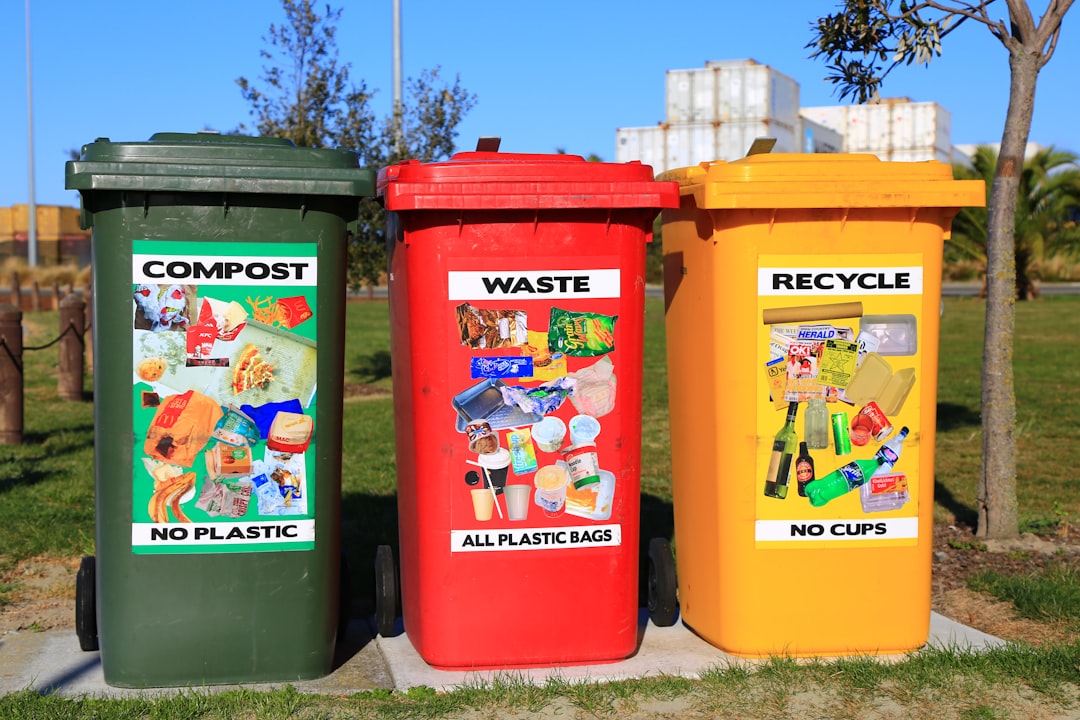
Homemade plant food comes in various forms, each offering unique benefits to plants. One popular type is compost, which is created by decomposing organic matter such as vegetable scraps, yard waste, and even paper products. Compost serves as a rich source of nutrients and improves soil structure, promoting better water retention and aeration.
Additionally, composting helps to sequester carbon in the soil, contributing to climate change mitigation efforts. Another effective type of homemade plant food is liquid fertilizers made from steeping organic materials in water. For example, compost tea is created by soaking compost in water for several days, allowing nutrients to leach into the liquid.
This nutrient-rich solution can be used to water plants directly or as a foliar spray to provide an immediate nutrient boost. Other liquid fertilizers can be made from items like banana peels, which are high in potassium, or seaweed, which contains trace minerals beneficial for plant growth.
How to Make Compost for Plant Food
Creating compost is a straightforward process that can be accomplished with minimal effort and resources. To begin composting, one needs a designated space or container where organic materials can decompose over time. A compost bin or pile should ideally be located in a well-drained area with good air circulation to facilitate decomposition.
The key ingredients for composting include green materials (nitrogen-rich items like vegetable scraps and grass clippings) and brown materials (carbon-rich items like dried leaves and cardboard). The ratio of green to brown materials is crucial for successful composting; a balanced mix typically consists of three parts brown materials to one part green materials. Once the materials are layered in the compost bin or pile, they should be turned regularly to aerate the mixture and speed up decomposition.
Over time, microorganisms break down the organic matter into dark, crumbly compost that can be used as a nutrient-rich amendment for garden soil. This process not only recycles kitchen waste but also creates a valuable resource that enhances soil fertility.
Creating Organic Fertilizers from Kitchen Scraps
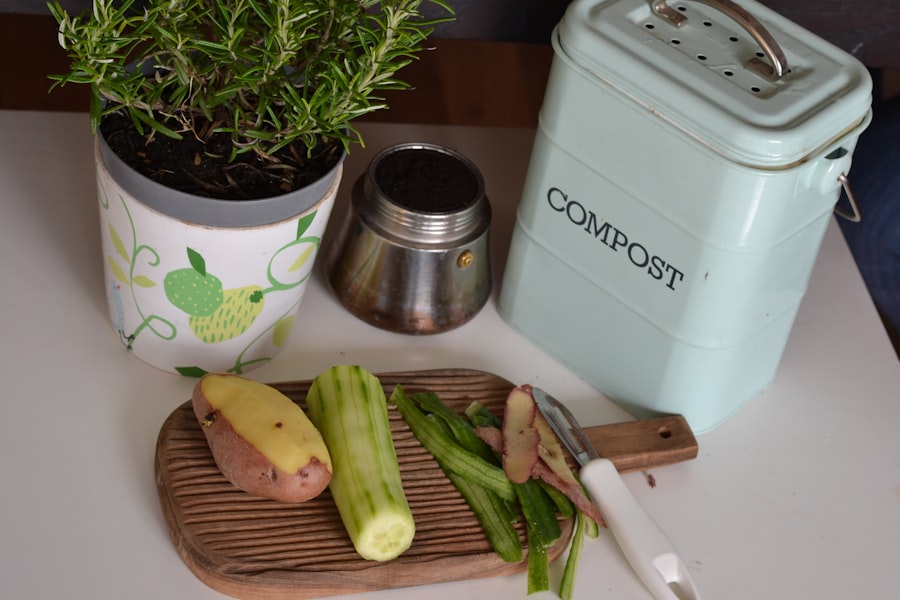
Kitchen scraps are an abundant source of nutrients that can be transformed into effective organic fertilizers. One common method involves using vegetable scraps such as carrot tops, onion skins, and potato peels. These scraps can be blended with water to create a nutrient-rich slurry that can be diluted and used as a liquid fertilizer for plants.
This method not only provides essential nutrients but also helps reduce food waste. Another innovative approach is to create fermented plant juices from kitchen scraps. This process involves soaking chopped vegetable scraps in water with added sugar or molasses for several days until fermentation occurs.
The resulting liquid is rich in beneficial microorganisms and nutrients that can enhance plant growth when diluted and applied to the garden. Fermented plant juices are particularly effective for boosting soil health and promoting vigorous plant development.
Utilizing Leftover Cooking Water as Plant Food
Leftover cooking water is often overlooked as a potential resource for nourishing plants. Water used for boiling vegetables or pasta contains valuable nutrients that leach out during cooking. Instead of pouring this nutrient-rich water down the drain, gardeners can collect it and allow it to cool before using it to water their plants.
This practice not only provides essential nutrients but also conserves water by repurposing what would otherwise be waste. In addition to vegetable cooking water, other types of leftover cooking water can also benefit plants. For instance, water used to rinse grains or legumes often contains starches and minerals that can enhance soil fertility.
Similarly, water from boiling eggs is rich in calcium and can be particularly beneficial for flowering plants and vegetables that require additional calcium for healthy growth.
Using Eggshells and Coffee Grounds for Nutrient-Rich Soil
Eggshells and coffee grounds are two common kitchen items that offer significant benefits when added to garden soil. Eggshells are primarily composed of calcium carbonate, which is essential for strong cell walls in plants and helps prevent blossom end rot in tomatoes and peppers. To utilize eggshells effectively, they should be rinsed to remove any residual egg white or yolk, then crushed into small pieces or ground into a fine powder before being added to the soil.
Coffee grounds are another excellent addition to garden soil due to their nitrogen content and ability to improve soil structure. They can be sprinkled directly onto the soil or added to compost piles to enhance nutrient levels. Additionally, coffee grounds can help attract earthworms, which play a vital role in aerating the soil and breaking down organic matter.
The combination of eggshells and coffee grounds creates a nutrient-rich amendment that supports healthy plant growth while recycling kitchen waste.
Incorporating Natural Pest Deterrents into Homemade Plant Food
In addition to providing essential nutrients, homemade plant food can also serve as a natural pest deterrent when combined with specific ingredients known for their repellent properties. For example, garlic is renowned for its ability to ward off various pests due to its strong odor and sulfur compounds. A simple garlic spray can be made by blending garlic cloves with water and allowing it to steep before straining and applying it to plants.
Another effective natural deterrent is neem oil, derived from the seeds of the neem tree. Neem oil acts as both an insect repellent and an antifungal agent, making it an excellent addition to homemade plant food mixtures. When combined with other organic fertilizers, neem oil enhances the overall effectiveness of the homemade solution while promoting plant health.
Tips for Applying Homemade Plant Food to Your Garden
When applying homemade plant food to your garden, timing and method are crucial for maximizing its benefits. It’s best to apply homemade fertilizers during the growing season when plants are actively taking up nutrients. Early morning or late afternoon is ideal for application since temperatures are cooler, reducing evaporation and allowing plants to absorb nutrients more effectively.
Additionally, it’s important to consider the specific needs of different plants when applying homemade fertilizers. Some plants may require more nitrogen-rich solutions during their vegetative growth phase, while others may benefit from potassium-rich fertilizers during flowering or fruiting stages.
Observing your plants’ growth patterns and adjusting your homemade plant food accordingly will ensure optimal results.
Embracing Sustainable Gardening Practices with Homemade Plant Food
The journey into homemade plant food not only enriches our gardens but also fosters a deeper connection with our environment through sustainable practices. By embracing this approach, gardeners can transform kitchen scraps into valuable resources that nourish plants while minimizing waste.
The myriad benefits of homemade fertilizers extend beyond cost savings; they promote healthier ecosystems and encourage responsible consumption habits.
As we continue to explore innovative ways to enhance our gardening practices through homemade solutions, we contribute positively to our environment while cultivating vibrant gardens filled with life and vitality. The integration of homemade plant food into our gardening routines represents a step towards a more sustainable future—one where every scrap has value and every garden thrives on nature’s bounty.
If you’re interested in learning more about growing plants in your garden, you may want to check out this helpful guide on growing perennial sunflowers. Sunflowers are a beautiful addition to any garden and can attract pollinators like bees and butterflies. Additionally, if you’re looking to boost the growth of your pomegranate plants, this article on using organic fertilizer may be of interest to you. And if you’re wondering when the best time to harvest tomatillos is, be sure to read this informative guide on perfect timing for harvesting tomatillos. Happy gardening!
FAQs
What is a no waste kitchen garden?
A no waste kitchen garden is a sustainable gardening practice that aims to minimize waste by using kitchen scraps and other household items to create homemade plant food and fertilizers.
What are the benefits of a no waste kitchen garden?
The benefits of a no waste kitchen garden include reducing food waste, saving money on store-bought fertilizers, and promoting sustainable gardening practices. It also helps to improve soil health and reduce the environmental impact of gardening.
How can I make homemade plant food for my garden?
Homemade plant food can be made using kitchen scraps such as vegetable peels, eggshells, and coffee grounds. These items can be composted and turned into nutrient-rich fertilizer for your garden.
What are some examples of homemade plant food for a no waste kitchen garden?
Examples of homemade plant food include compost made from fruit and vegetable scraps, eggshell powder for calcium, and coffee ground fertilizer for nitrogen.
Are there any tips for maintaining a no waste kitchen garden?
Tips for maintaining a no waste kitchen garden include regularly composting kitchen scraps, using natural pest control methods, and rotating crops to improve soil health. It’s also important to avoid using chemical fertilizers and pesticides.
