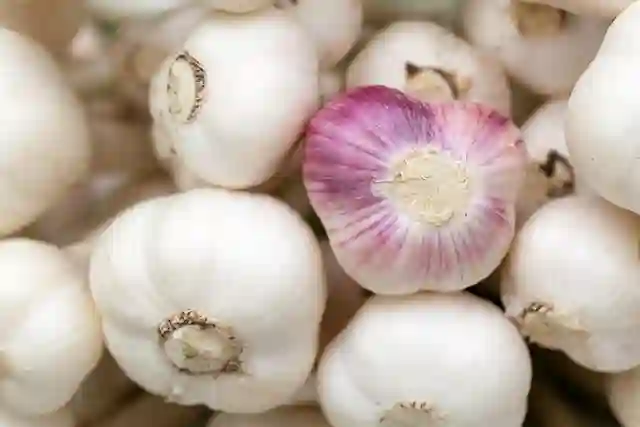
Did you know a single clove planted in autumn can transform into a head with up to twelve new cloves by summer? This incredible growth happens when you use the overwintering method. The secret lies in giving the crop a long, cool season to establish itself.
https://www.youtube.com/watch?v=LZ7-QZb_ubc
The Pacific Northwest offers a perfect environment for this technique. Mild, wet winters and gradual springs create ideal conditions. This guide will show you how to harness this natural advantage.
You will learn to select the best varieties and prepare your soil. We cover the precise timing for putting cloves in the ground. Our steps lead to a bountiful harvest of large, flavorful heads in early summer.
This process is a game-changer for gardeners. By planting in the fall instead of the spring, you trigger a powerful biological response. The result is a harvest that far surpasses what you might expect.
Key Takeaways
- Fall planting leads to a significantly larger summer harvest.
- The local climate is perfectly suited for this growing method.
- Strong root development over winter is key to success.
- Proper timing is critical for optimal bulb size and flavor.
- This guide provides a complete roadmap from planting to harvest.
Introduction to Oregon Overwintered Garlic
Many gardeners are surprised to learn that the best time to start this crop is not in the spring, but during the autumn season. This method, known as overwintering, works with the plant’s natural biology rather than against it.
Overview of Winter Garlic Growing
This practice hinges on a crucial cold period. The cloves need several weeks of chilly weather to trigger bulb formation. Roots develop strongly in the cool soil, creating a solid foundation.
Green shoots may appear before the deep cold sets in. The plant then becomes dormant. When warmer weather returns, it explodes with growth, fueled by its established root system.
Benefits of Planting in Oregon
The local climate offers distinct advantages for this long-season crop. The conditions are nearly ideal for a strong harvest.
- Natural Chill: The winter provides the required cold period without extreme stress.
- Consistent Moisture: Fall and spring rains reduce the need for extra watering.
- Head Start: Getting cloves in the ground in fall leads to significantly larger bulbs by summer.
This timing is critical. A fall-planted crop has a major advantage over a spring-planted one.
Mastering Oregon Overwintered Garlic Growth
What separates mediocre garlic from exceptional harvests is a critical cold period that reprograms the plant’s development cycle. This natural process, called vernalization, transforms how cloves allocate their stored energy.
What Sets Overwintered Garlic Apart
The cold exposure triggers a biological shift within each clove. Instead of wasting energy on root establishment during prime growing season, the plant channels all resources into bulb production. This efficiency results in significantly larger, better-divided bulbs.
During winter months, underground root systems develop extensively while top growth remains minimal. These established roots can reach three feet deep in well-drained soil. When early spring arrives, plants explode with vigorous growth.
The timing advantage is crucial. Overwintered varieties have adapted over centuries to require this cold treatment. Spring-planted counterparts simply cannot match their productivity or flavor intensity.
Proper vernalization ensures bulbing occurs at the optimal time. The plant’s internal clock synchronizes with increasing day length. This coordination prevents premature or delayed development, maximizing your harvest potential.
Choosing Your Garlic Varieties and Preparing the Soil
Before planting a single clove, gardeners must make crucial decisions about which garlic types will thrive in their specific growing conditions. The right choices impact everything from bulb size to storage longevity.
Hardneck, Softneck, and Elephant Garlic Insights
Hardneck varieties produce a flowering stalk called a scape. These types offer complex flavor profiles ranging from sweet to spicy. Popular options include Music and German Red.
Softneck varieties typically yield larger bulbs with superior storage life. They dominate grocery store shelves due to their versatility. Inchelium Red provides a wonderful but mild garlic flavor.
Elephant garlic produces impressively large cloves with a mild flavor. Though technically a leek, it grows using similar methods. This option appeals to those who find traditional types too pungent.
Soil Amendments, Fertilizer, and Drainage Tips
Proper soil preparation is critical for success. Well-drained conditions prevent cloves from rotting during wet months. Heavy clay soils need organic compost amendments.
Incorporate fertilizer like 5-10-10 complete formula several inches below planting depth. This provides essential nutrients for root development. Soil pH should be slightly alkaline for optimal growth.
Raised beds 10-12 inches tall ensure adequate drainage. Preparing soil in advance allows amendments to integrate properly. This foundation supports healthy bulb development throughout the season.
Planting Techniques for Optimal Garlic Clove Development
Each planting decision you make—from spacing to depth—directly influences the size and quality of your final yield. Proper technique ensures strong establishment and maximizes your harvest potential.
Proper Clove Spacing and Planting Depth
When you plant cloves, orientation matters critically. Place each clove with the pointed end facing upward and the flat root plate downward. This simple step prevents contorted growth.
Plant individual cloves about two inches deep in well-drained soil. Space them two to four inches apart in rows that are 10-14 inches apart. For larger varieties like elephant garlic, increase spacing to six inches apart.
Select the largest, healthiest cloves for planting. The size of your starting material directly correlates with bulb size. Separate bulbs into individual cloves just before planting to maintain vigor.
Using Raised Beds and Container Options
Raised beds offer excellent drainage, which is crucial for preventing winter rot. Beds 10-12 inches tall provide ideal conditions. They also warm faster in spring, giving plants an early advantage.
You can grow this crop in containers, raised beds, or directly in the ground. Container growing requires pots at least 8-12 inches deep to accommodate extensive root systems. Ensure all locations receive full sun for optimal development.
For detailed guidance on successful cultivation, consult this comprehensive garlic primer from gardening experts. Proper planting sets the stage for a bountiful harvest.
Seasonal Care, Maintenance, and Companion Planting Strategies
Your overwintered garlic crop needs careful seasonal attention to reach its full potential. Consistent care through spring and early summer is the final step before a successful harvest.
Proper techniques ensure your plants develop strong stems and large, healthy bulbs.
Watering, Fertilizing, and Mulching Practices
Apply a nitrogen-rich fertilizer in early spring as green shoots emerge. This fuels rapid leaf growth, which directly impacts final bulb size.
A second, lighter feeding in early May supports the bulbing process. Water deeply every few days during late spring if rainfall is scarce.
Remove winter mulch once the threat of frost has passed. This allows the soil to warm up. Keep the area weed-free, as this crop dislikes competition.
Managing Pests, Diseases, and Crop Rotation
For hardneck varieties, cut the curling garlic scapes in late spring. This redirects energy to the bulbs and gives you a tasty bonus.
The best defense against pests and disease is a smart crop rotation plan. Avoid planting in the same spot for several years.
Companion planting is a powerful tool. Grow your garlic near cabbage or broccoli to help deter pests. Keep it away from peas and beans, as it can stunt their growth.
Expert Harvesting and Processing Methods
The art of harvesting lies in reading nature’s signals rather than following a strict calendar schedule. Proper timing ensures your efforts yield the best quality produce that stores well through the seasons.
Identifying the Right Time to Harvest
Watch for lower leaves turning yellow while 2-4 green leaves remain. This indicates peak maturity is approaching. Test one plant by cutting it crosswise to check clove development.
Harvest too early, and the wrappers will be thin. Wait too long, and bulbs may split open. Both scenarios reduce storage quality significantly.
| Indicator | Ready to Harvest | Too Early | Too Late |
|---|---|---|---|
| Leaf Condition | 2-4 green leaves remain | Mostly green leaves | All leaves brown/dry |
| Bulb Wrapper | Thick and papery | Thin and moist | Split or deteriorated |
| Clove Separation | Clearly defined cloves | Poorly formed cloves | Bulbs splitting apart |
Curing, Storage, and Creative Recipe Ideas
After digging up plants, let them dry in a shaded, well-ventilated area for 2-3 weeks. Proper curing makes the flavor more intense and extends storage life.
Store your harvest in a cool, dark place around 55°F. This temperature prevents sprouting while maintaining quality. Avoid humid basements or refrigerators.
Transform your bounty into garlic salt, puree, or roasted preparations. These methods extend usability and create convenient cooking ingredients.
Conclusion
Mastering the art of garlic cultivation through seasonal timing unlocks flavors and yields that spring planting cannot match. This method transforms a simple kitchen staple into a garden triumph.
Success begins with choosing the right varieties—whether hardneck for complex taste or softneck garlic for storage longevity. Proper planting of individual cloves in prepared ground during fall days sets the foundation.
By early spring, your crop will show vigorous growth. Following the tips in this guide ensures each bulb develops to its full potential. The reward comes in summer when you harvest plump, aromatic bulbs.
This approach offers exceptional returns for the time invested. Start planning your next garlic crop now for a bountiful harvest.
