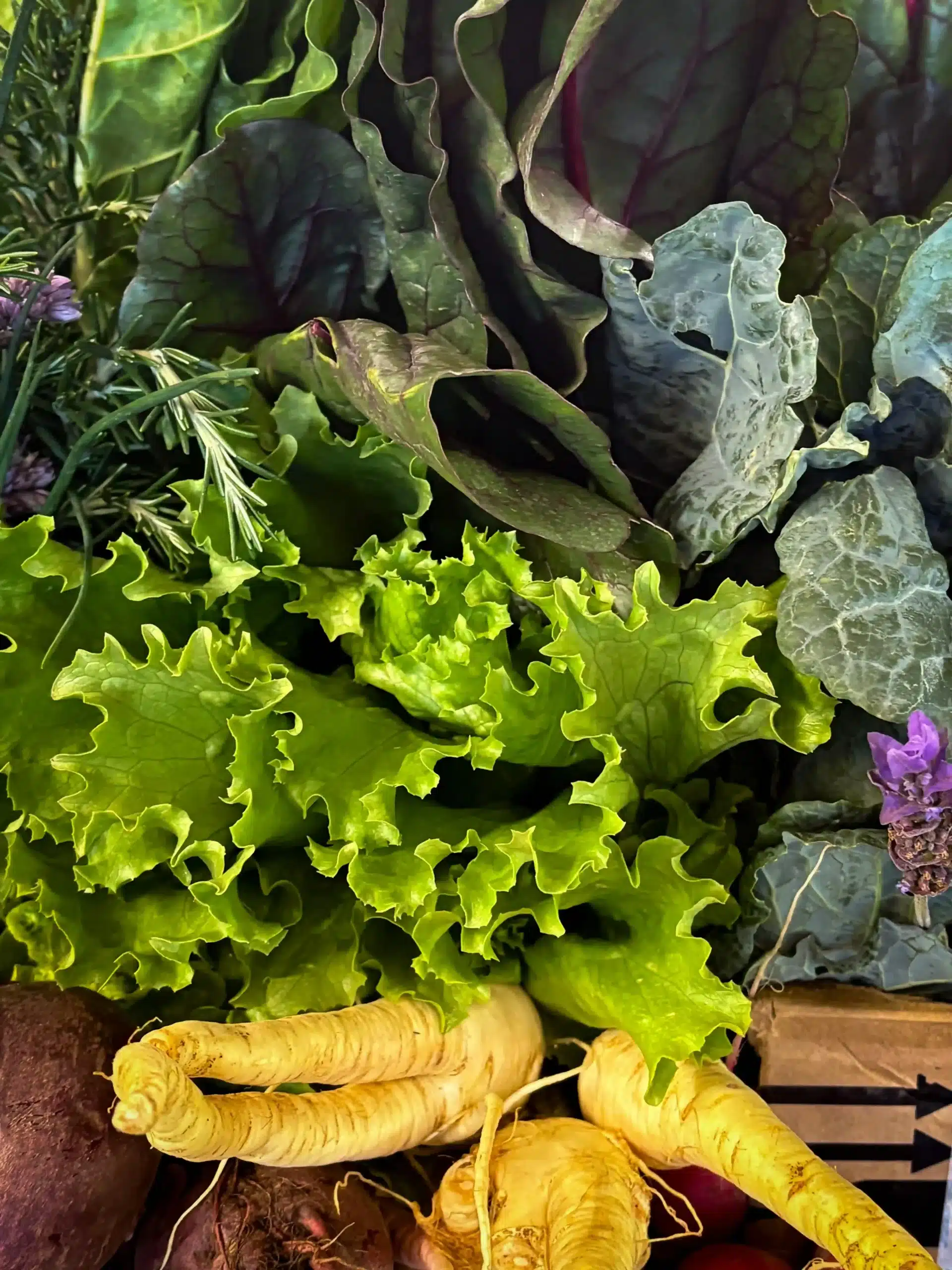
Did you know that over 35 million American households now grow some of their own food? During the colder months, fresh produce becomes scarce, but a special blend of cold-hardy greens offers a delicious solution.
This premium salad combination brings together tender spinach, peppery arugula, and delicate mache. Each green contributes unique flavors and textures that transform ordinary meals into gourmet experiences. The blend thrives when temperatures drop, providing fresh harvests throughout the chilly season.
Our comprehensive guide covers everything from understanding this exceptional product to mastering blending techniques. You’ll learn how to create visually stunning salad presentations that highlight each green’s distinctive characteristics.
Whether you’re a gardening enthusiast starting from seed or a culinary creator purchasing prepared greens, this resource provides practical information. Discover planting guidelines, optimal growing conditions, and creative presentation methods that work across various regions.
This informational resource draws from actual product data and proven practices. It helps you successfully cultivate and enjoy these premium cold-season greens in your own kitchen and garden.
Key Takeaways
- Premium greens blend combines spinach, arugula, and mache for exceptional flavor
- Thrives in cold conditions when typical summer vegetables are unavailable
- Provides continuous harvest opportunities throughout the chilly season
- Suitable for both home gardeners and culinary enthusiasts
- Offers restaurant-quality salad presentations for home kitchens
- Includes practical growing and preparation techniques
- Based on real product data and proven gardening practices
Overview of the Oregon Winter Greens Mix
During months when most gardens lie dormant, this unique seed blend offers continuous harvest opportunities. The carefully selected combination thrives when temperatures drop, providing fresh produce throughout the chilly season.
Product Description and Seasonal Benefits
This gourmet seed product combines spinach, arugula, and mache for exceptional cold tolerance. Each variety contributes complementary flavors and textures that enhance salad bowls. The blend withstands frost exposure, developing enhanced sweetness after cold snaps.
Gourmet seed packages typically come in two sizes: 4 grams for $6.95 and 1 ounce for $21.95. These specialty products may experience availability fluctuations during peak planting seasons. Some suppliers offer free shipping on orders exceeding $60.
Key Ingredients and Nutritional Insights
Spinach provides mild flavor and significant iron content. Arugula contributes peppery notes and beneficial glucosinolates. Mache offers tender, buttery leaves rich in omega-3 fatty acids.
These cold-hardy varieties differ from standard spring salad mixes. They’re specifically bred for fall planting and winter harvest. The concentrated vitamins A, C, and K support immune function during colder months.
Some seed mixes include additional varieties like kale or complementary herbs. This creates more complex flavor profiles and extends the harvest window. Gardeners should consider seed viability and package sizes appropriate for their planting areas.
Blending Techniques for Fresh Salad Bowls
The perfect salad begins with understanding how different leaf textures and flavors work together. This knowledge helps create balanced combinations that please both the eye and palate.
Incorporating Spinach, Arugula, and Mache
Start with a 2:1:1 ratio for your greens blend. Use mild spinach as the foundation. Add peppery arugula and delicate mache for accent flavors.
Harvest each green at its peak. Cut spinach leaves when they reach 3-4 inches. Pick arugula before it bolts during warmer periods. Gently harvest mache rosettes when clusters form.
Handle these delicate leaves with care. Rinse gently in cold water. Dry thoroughly using a salad spinner. Store in breathable containers to maintain crispness.
Creative Salad Presentation Tips
Arrange leaves by shape and color for visual appeal. Add edible flowers for spring and summer variations. Include thinly sliced radishes for extra crunch.
Pair flavors thoughtfully. Use light vinaigrettes with citrus notes for mache. Try balsamic reductions to balance arugula’s pepperiness. Creamy dressings coat spinach leaves evenly.
Add complementary ingredients for texture and flavor. Toasted nuts provide crunch. Dried fruits offer sweetness. Fresh herbs add aromatic complexity to your finished salad.
Adjust portions based on your meal. Use 2-3 cups for side salads. Create main courses with 4-6 cups plus protein additions. These techniques work across different seasons.
Oregon Winter Greens Mix in Your Garden
The key to a bountiful harvest lies in mastering the planting techniques for these resilient greens. Proper timing and preparation ensure your garden produces fresh leaves throughout the cooler months.
Planting, Spacing, and Germination Tips
Begin your planting approximately 6-8 weeks before the first expected frost date in your area. This timing allows plants to establish before colder temperatures arrive. Early spring planting works well once soil becomes workable.
Prepare your soil by working compost into the top 6-8 inches. This creates loose, well-draining ground ideal for seed development. Aim for a pH between 6.0-7.0 for optimal nutrient availability.
Sow seeds 1/4 to 1/2 inch deep in rows spaced 12-18 inches apart. Space individual seeds every 2-3 inches within each row. This spacing allows proper air circulation and room for mature leaf development.
Germination typically occurs within 7-14 days with consistent soil moisture. Temperatures between 45-75°F create ideal conditions. Spinach emerges fastest, followed by arugula, with mache taking slightly longer.
Optimal Growing Conditions and Seasonal Advice
Maintain consistent moisture during the first few weeks after planting. Thin plants to 4-6 inches apart once they reach 2-3 inches tall. This prevents overcrowding and promotes healthy growth.
Use lightweight row cover for frost protection and season extension. This material provides 4-6 degrees of protection while allowing light penetration. It also shields tender greens from wind damage.
Consider companion planting with cold-hardy crops like kale or peas. These plants share similar growing requirements and maximize garden space efficiency. Succession planting every 2-3 weeks ensures continuous harvest.
Customer Reviews and Field Experiences
With 97 customer reviews documenting success across diverse regions, this product has proven its reliability. Real-world feedback provides practical insights beyond typical product descriptions.
User Feedback and Growing Success
Customer testimonials highlight exceptional performance under challenging conditions. One satisfied user reported,
“Imperial winter is an excellent product we have had very good success with it where other products have failed.”
Many reviews emphasize rapid establishment and wildlife attraction. A Central Wisconsin grower observed immediate deer activity, noting the product held up well under browsing pressure.
| Region | Growing Conditions | Performance Results | Key Observations |
|---|---|---|---|
| Northern Missouri | 6 weeks without rain after planting | Excellent growth despite drought | Established well with pre-planting moisture |
| Ohio | 4 weeks severe drought | Protected plants grew 12+ inches | Deer barrier essential for maximum growth |
| Central Wisconsin | Normal fall conditions | Immediate deer attraction | Withstood heavy browsing pressure |
| Agricultural Areas | Competition with corn and beans | Reached 18 inches by October | Successful despite other food sources |
Real-World Observations from Various Regions
Regional experiences demonstrate consistent performance across different climates. The product shows remarkable drought tolerance once established.
One Ohio customer reported impressive growth inside protective cages despite extended dry periods. This highlights the importance of wildlife management for optimal results.
Long-term users in agricultural regions note successful competition with traditional crops like corn. These reviews provide valuable guidance for prospective growers considering this fall planting option.
Conclusion
Embracing the challenge of fall and early spring gardening unlocks a continuous supply of fresh, flavorful ingredients. This guide has detailed the complete process, from understanding the unique blend to mastering its cultivation and presentation.
The versatility of these specialty seed products allows for customization. While the classic combination provides an excellent foundation, you can adjust ratios or add complementary varieties like kale.
Remember that timing is critical for a successful harvest. A fall planting typically yields the most reliable results, offering multiple cuttings before bolting occurs in warmer weather.
Growing your own provides superior freshness, cost savings, and the deep satisfaction of creating gourmet meals from your garden. We encourage you to start your journey with these forgiving and productive crops.
