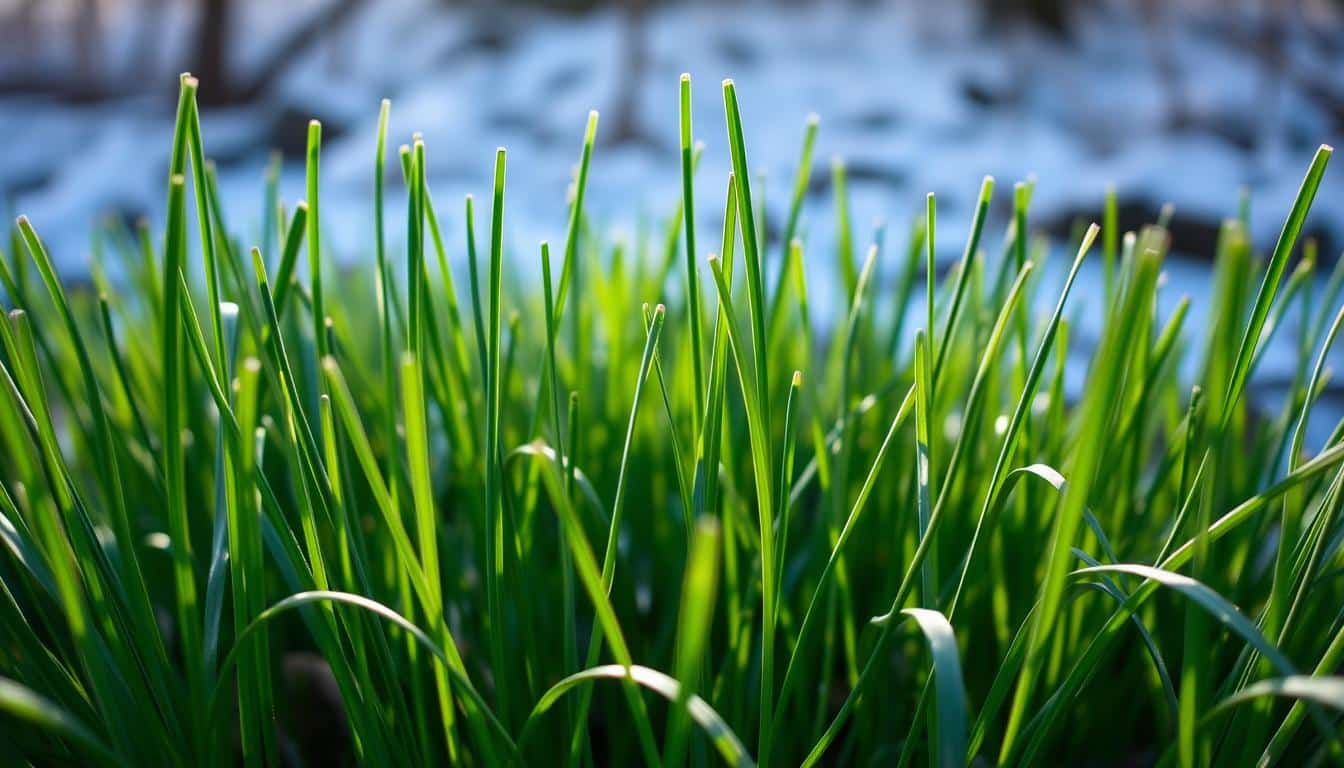
Can a small clump of green really signal the first fresh bite of spring — even after a late freeze?
These hardy herbs prove it. In home gardens they pop up early, offering snips for eggs and salads while recovering fast when clipped hard at the base.
Belonging to the Allium family with onions and garlic, these plants form clumps that benefit from division every few years. They thrive in full sun to partial shade and in well-drained, compost-rich soil.
Use them as edgers, in containers, or as pollinator-friendly border plants. Regular deadheading keeps the foliage pungent and encourages more leaf growth.
Expect a simple cycle: grow, clip, and regrow — a practical way to get continuous flavor for the kitchen with minimal fuss.
Key Takeaways
- These chives regrow quickly after harvest, making them ideal for steady snips.
- They belong to the Allium family and add mild onion-like flavor without heat.
- Plant in well-drained, compost-rich soil and give full sun to partial shade.
- Divide clumps every 3–5 years to prevent center die-out and boost vigor.
- Use as borders, edgers, or in containers to maximize space and harvests.
- Freeze rather than dry if you want the best preserved flavor.
Why PNW Chives Are the Cut-and-Come-Again Herb That Bounces Back After Snow
Hardy and forgiving, these herbs bounce back after snow by sending fresh shoots from a deep, persistent crown. Cut the foliage low and the crown drives rapid new growth in early spring.
They tolerate freeze damage to leaves without losing the whole plant. In drier areas the clump may go dormant, then resume steady growth when moisture returns.
Best results come with full sun or at least half the day of light, plus well‑drained, compost‑rich soil. Light, regular feeding during the active season supports lush foliage and faster regrowth.
- Clip low for a true cut‑and‑come‑again routine: clip, regrow, repeat.
- Keep soil loose and airflow good to help fast recovery after heavy harvests.
- Divide mature clumps every 3–5 years to refresh vigor.
- Both onion and garlic types share this resilient habit with small flavor differences.
PNW Chives
Allium schoenoprasum is a tidy, reliable member of the allium family prized in the garden for mild oniony flavor and easy care.
These plants grow from tiny bulbs into clumps about 12–18 inches tall and can slowly spread to roughly 2 feet across. Their mounds stay neat and productive, making them ideal edging or container additions.
Onion-type plants show hollow leaves and mauve flowers. Gardeners can choose selections with white blooms like ‘Albidum’ and ‘Corsica’ or rosy pink types such as ‘Forescate’ to add color.
They thrive in full sun or a half day of light and prefer well-drained, compost-rich soil. Regular clipping encourages denser growth and longer peak productivity.
“Planting a few varieties gives you both leaves and flowers for kitchen use and curb appeal.”
- Use as borders, edgers, or grouped sweeps in the garden.
- Leaves and flowers are both edible — a bit of extra versatility for meals.
- Good planting and routine maintenance will keep vigor high across seasons.
Know Your Alliums: Onion Chives vs. Garlic Chives
Two common garden alliums show clear differences in leaf shape, bloom color, and flavor intensity.
Allium schoenoprasum produces thin, round, hollow leaves and mauve to pink flowers. The leaf texture is tender and the flavor is mild, so this onion-style variety is ideal for frequent snips in salads and eggs.
Allium tuberosum bears flat, grass-like leaves with white flowers and a noticeably stronger garlicky taste. This garlic-style plant reseeds readily when flowers go to seed and can spread through beds if left unchecked.
“Know the name of the plant before you plant it—schoenoprasum behaves differently than tuberosum.”
- Deadhead blooms promptly to limit self-sown seed, especially with garlic types.
- Grow each variety in its own spot to match maintenance and harvest routines.
- Both allium plants are perennial, edible, and attract pollinators.
| Trait | Allium schoenoprasum | Allium tuberosum |
|---|---|---|
| Leaf shape | Hollow, round | Flat, grass-like |
| Flower color | Mauve–pink | White |
| Flavor | Mild onion | Stronger garlic |
| Reseeding tendency | Low | High |
Identify the plant by its name to avoid surprises, and see a wider list of chive varieties to choose the best match for your kitchen and garden.
Site and Soil Prep for Strong Clumps and Plenty of Leaves
Pick a sun‑filled spot for vigorous growth, but know these herbs will still do well with a half day of shade.
Prepare the soil by mixing in compost to create a well‑drained, nutrient‑rich base. Good soil structure helps roots spread and supports steady foliage production.
Avoid low spots where the ground holds water. Chives dislike waterlogged soil and perform best where water drains freely after rain or irrigation.
Layout and placement
Use these plants as neat edging or border accents in the garden. They fit well in rock gardens and an herb garden near the kitchen for quick snips.
If soil is poor, plant in a container or pots with a well‑draining mix. Containers give plenty of flavor close to the house and keep spreading in check.
| Use | Soil need | Spacing/notes |
|---|---|---|
| Edging | Compost-rich, well-drained | 8–12 inches apart; neat rows |
| Rock garden | Lean, free-draining ground | Group in clumps for color |
| Container | Light potting mix with compost | One plant per 6–8 inch pot; move to sunny spot |
Finally, add a bit of compost every few years and give average water. These hardy perennials tolerate dry spells and return to lush growth when moisture comes back.
Planting and Propagation: Seed, Transplants, and Division
Starting a patch is easier than you think: sow seed thinly, keep the mix barely covered, and expect patience as sprouts appear. Germination can be slow, so give seedlings time and light rather than deep cover.
Starting from seed
Sow densely in fine, well‑drained mix and press seed to the ground with a bit of soil. Keep the bed moist and warm; thin seedlings later to avoid crowding.
Transplants and spacing
Set out sturdy transplants about 4–6 weeks before last frost for an earlier season. Space plants 8–12 inches apart so air moves and you can harvest from all sides.
Division of mature clumps
Divide older clumps every 3–5 years to prevent the center from dying out and to make plenty of new plants for other beds. Replant divisions in sunny, well‑drained ground and water until they root.
“Use seeds, transplants, or divisions—mix methods to fill the garden on your time.”
- Direct sow in warm weather and thin to spacing.
- Mark planting dates to plan the next division in a few years.
- Deadhead blooms to curb unwanted reseeding.
Care Through the Seasons: Water, Feed, Deadhead, Repeat
A simple routine of water, feed, and trim will keep your patch dense and ready for snips. Start with average garden moisture — not soggy, not bone dry. These plants tolerate short dry spells by going briefly dormant, then resuming green growth when moisture returns.
Watering rhythm
Water on an even schedule to maintain steady spring and summer growth. In hot weather, check soil; a consistent top inch of moisture keeps leaves tender. Let plants pause in long dry periods — they recover quickly with regular water again.
Fertilizing for leafy growth
Use a light, water-soluble plant food weekly during active growth to boost leaf density. Feed modestly to avoid overly soft shoots that attract pests.
Deadheading and cutbacks
Pinch or cut off flower buds to keep energy in the leaf and cut back foliage that looks tough or weather-worn. After a few freezes make leaves unsightly, cut the clump to the ground to reset the crown for clean spring regrowth.
- Divide aging clumps every 3–4 years to refresh vigor and prevent center die-out.
- Keep good sun exposure and clear debris from crowns when deadheading.
- Track feeding and harvest intervals to match kitchen demand and steady yield.
“Regular light feeding and timely trimming reward you with steady, tender leaves.”
Growing in Containers and Indoors for Year-Round Snips
Container culture lets you harvest flavorful leaves all year, even when outdoor beds rest. Use pots on balconies, patios, or a sunny windowsill to keep an herb garden close to the kitchen.
Choose containers with drainage holes and fill them with a light, compost-rich mix. Good soil keeps roots aerated and prevents soggy conditions that stress plants.
Pots and mixes for balconies and patios
Position pots where they get strong sun, and rotate them so all sides grow evenly. Water when the top inch of soil dries to balance moisture and airflow.
Windowsill forcing and pet safety
For winter snips, dig clumps after cold knocks foliage back. Divide and wash roots in a bucket to avoid bringing pests inside, then pot up and let plants settle before heavy harvests.
Keep pots out of reach of dogs and cats. All onions and related herbs can be toxic if eaten.
| Use | Pot need | Care tip |
|---|---|---|
| Balcony | 6–8″ compact pots | Rotate and place in full sun |
| Kitchen windowsill | Light, compost-rich mix | Supplement with grow light if needed |
| Mixed planter | Well-draining container media | Tuck upright plants with trailing herbs |
- Refresh the top inch of soil with compost once or twice a season.
- Harvest lightly after repotting so the plant can re-establish.
- Enjoy immediate kitchen access to fresh, mild flavor for eggs and salads.
Troubleshooting: From Aphids to Overenthusiastic Reseeding
Routine checks in spring catch small issues before they become big garden headaches. Inspect crowns and the undersides of leaves where soft new growth draws pests first.
Watch for aphids, especially on tender shoots. Spray neem oil or insecticidal soap and aim the spray into the crown so it reaches pests hiding on waxy leaves.
Fast aphid control
Apply treatments when you spot a cluster. Coverage matters — spray until liquid beads in the crown so the product contacts insects deep in the clump.
Manage volunteers and seed heads
Deadhead blooms promptly to stop mature seed from spreading. Garlic types can reseed aggressively in some climates, so remove flower stalks before seeds form.
- Inspect crowns and leaf undersides regularly in spring.
- Use neem oil or insecticidal soap and direct sprays into the crown.
- Pull stray seedlings while small to prevent establishment in paths and beds.
- Adjust irrigation to avoid overwatering; average moisture keeps growth firm and less attractive to pests.
- Track which areas of the garden see more volunteers and focus deadheading there first.
- Divide older clumps every few years to remove woody centers that can harbor pests.
- Clean tools after working in infested patches to avoid spreading insects.
“Healthy spacing and airflow make treatment simpler and reduce pest buildup.”
| Problem | Quick fix | When to act |
|---|---|---|
| Aphids in crown | Neem or insecticidal soap aimed into crown | At first sight in spring |
| Self-sown seedlings | Deadhead flowers; pull volunteers | Before seeds mature |
| Woody, pest-prone centers | Divide clump; replant fresh divisions | Every 3–5 years |
Harvest and Kitchen Use: Fresh Cuts, Freezer-Friendly, Flavor First
Snip fresh leaves just above the crown for the cleanest regrowth and best flavor. Clip with sharp scissors and avoid midway cuts that leave dead tips. Rotate which clumps you harvest so each plant recovers fully and you get a steady supply.
How to harvest
Grasp tops and cut near ground level. Trim several clumps on different days rather than stripping one mound. This keeps plants vigorous and extends the season.
Storage and preservation
Freeze chopped leaves for winter use; frozen bits keep flavor far better than dried herbs. Make herb butters, infused oils, or vinegar to store summer freshness in the pantry.
Culinary highlights
Use minced leaves to finish salads, eggs, and soups. Add them at the end of cooking to preserve delicate aromatics. The edible flowers float beautifully in soups or dress salads for color.
“Keep a small container near the prep area for quick snips that elevate everyday meals.”
| Use | Best prep | Tip |
|---|---|---|
| Salads | Minced leaves and flowers | Add just before serving for fresh flavor |
| Egg dishes | Chopped leaves | Stir in off heat to keep aroma |
| Preserves | Herb butter, oil, vinegar | Freeze butter in portions for easy use |
For step-by-step timing and more harvest ideas, see this guide to start harvesting spices at home. Choose onion-style or garlic-style varieties to match your palate, and keep a container near the kitchen for instant, flavorful snips.
Conclusion
Gardeners find these plants give high value for low time investment across borders and containers. A sunny spot and basic care deliver steady leaves and blooms from early spring onward.
Keep production high with full sun, compost-rich soil, and average moisture. Deadhead to stop self-sowing and divide clumps every few years to refresh vigor and ensure plenty of tender growth for frequent harvest.
Rotate harvests among clumps and try more than one variety to match taste and presentation. Use fresh cuts at the end of cooking for best flavor in salads and simple dishes.
With minimal upkeep you get a tidy planting that pays back with steady, high-quality snips near the herb garden or kitchen.
