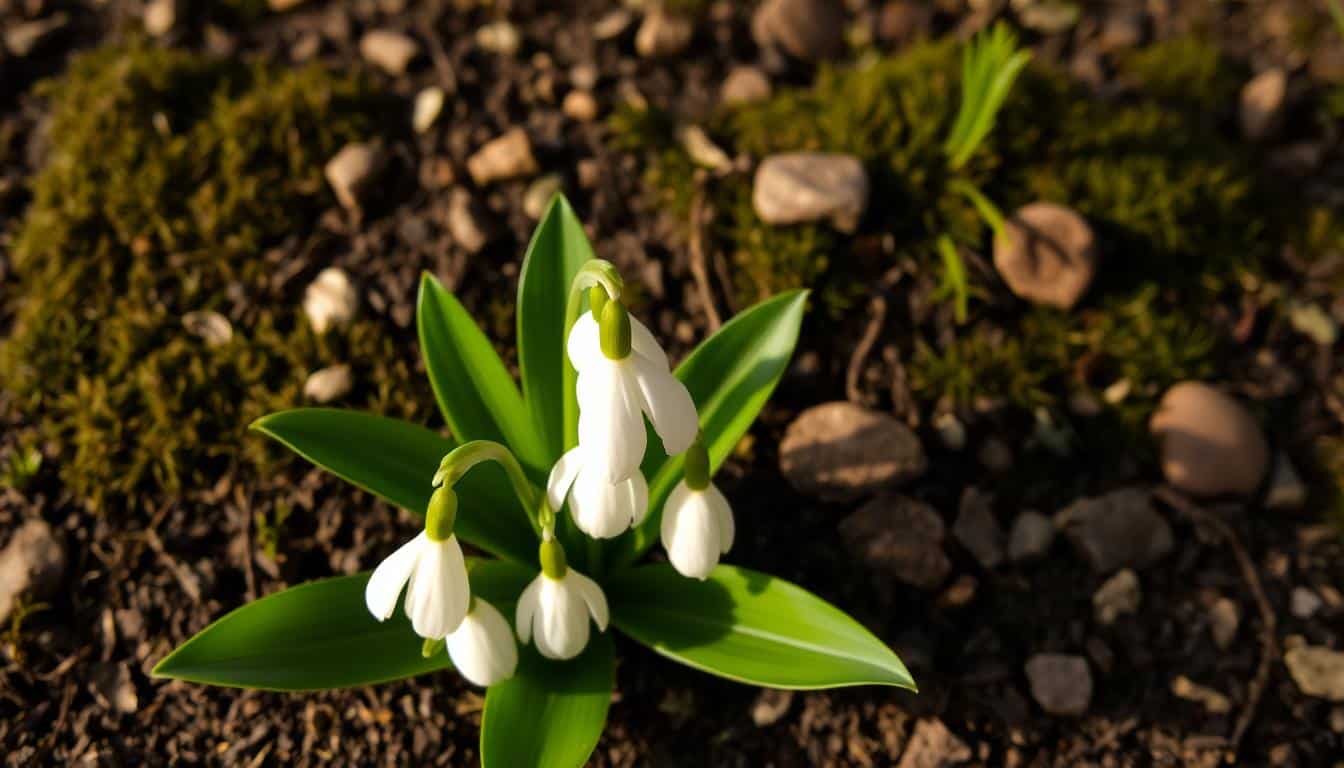
I still remember the first time a pale bell pushed through frozen soil in my yard — a small, brave sign that spring was near. That quiet moment changed how I view late winter. These bulbs bring a calm, steady joy to American gardens.
This guide explains what snowdrops mean for home gardeners and how to plan for reliable seasonal displays. You’ll learn site selection, ideal planting windows, ongoing maintenance, and simple propagation routes.
Expect clear, practical advice on soil, light, and timing. I cover how bulbs multiply into drifts, how the lifecycle moves from winter buds to early blooms, and why letting foliage die back matters.
Different species and forms respond to the same basic framework. With modest aftercare and patience, these hardy plants reward you each season with little fuss — perfect for gardeners who want a low-maintenance, reliable early display.
Key Takeaways
- These bulbs signal spring while tolerating winter chill in many U.S. climates.
- Follow simple siting and soil prep for best establishment.
- Plant in fall or handle “in the green” after bloom for stronger roots.
- Let foliage die back naturally to feed next year’s blooms.
- Most species share the same basic care, making them easy to grow.
Before You Plant: Understanding Snowdrops for a Strong Start
Understanding how these tiny bulbs behave in cold months gives you a real edge when planning a reliable early display.
What they are: These small, hardy plants belong to the genus Galanthus. They are perennial bulbs that often bloom in January–February and push through frost using stored energy. That early growth makes timing crucial for long-term success.
Temperatures and a winter chill trigger reliable emergence across USDA zones 3–9. A natural cold period helps bulbs set roots and supports vigorous spring growth.
Flowers are bell-shaped with outer and inner segments; subtle markings and scent vary by name and species. Clumps expand slowly, so expect gradual improvement over several seasons rather than an instant carpet.
- Buy dormant bulbs in fall for summer establishment or choose “in the green” plants after bloom to reduce transplant shock.
- They tolerate cold snaps but suffer from summer drought or waterlogging—soil and site matter most.
- Low competition in late winter helps early pollinators find nectar when few other flowers are available.
Observe your microclimate to fine-tune planting time and anticipate bloom windows. The next sections turn this understanding into concrete site and soil steps.
Choose the Right Site and Soil for Snowdrops
Pick a spot that matches cool-season habits and gives bulbs room to settle—this makes spring displays reliable.
Light and placement
These bulbs prefer partial shade and do well in spots that get morning sun. In cool climates they tolerate full sun, but avoid deep shade where flowering drops off.
Soil texture, pH, and drainage
Soil should be humus-rich and loamy. Aim for a pH near 5.5–7.0 to help nutrient uptake.
Improve heavy clay by working in compost or leaf mold and a little grit or sharp sand to boost structure and drainage. Persistent wetness invites rot; do not plant in low spots that pool water.
Climate fit and practical areas
Hardy in USDA zones 3–9, these bulbs handle freezes and light snow. Choose sites beneath deciduous shrubs, border fronts, rock gardens, or open grass with low foot traffic.
- Test drainage by digging a small hole and filling it—standing water after a few hours means amend or move the bed.
- Group bulbs in drifts for impact; leaf litter under trees mimics woodland conditions and helps hold moisture through cool temperatures.
How to Plant Snowdrop Bulbs for Reliable Blooms
Planting at the right moment and depth makes the difference between a sparse patch and a steady drift of early bloomers.
Timing and preparation
When to plant: Set dry bulbs in fall (October–November) so roots form before winter. Alternatively, move clumps “in the green” just after bloom in late winter or early spring to reduce transplant shock.
Bed prep and depth
Loosen the top 6 inches of soil so roots can spread. Mix in compost or leaf mold plus a little sharp sand or grit to improve tilth in heavy ground.
Plant bulbs about 3 inches deep and roughly 3 inches apart. Group them in clusters for a naturalized look and stronger visual impact.
Water-in, mulch, and siting
Water immediately after planting to settle soil around each bulb. Then apply a 2‑inch mulch to buffer moisture and temperature swings.
Choose spots beneath deciduous shrubs, along front borders, in lawns where mowing won’t disturb spring shoots, or rock gardens with sharp drainage. Avoid compacted or high‑traffic areas.
“Handle bulbs gently; the papery outer layers protect the scales inside—damaged bulbs establish poorly and can rot.”
| Step | Detail | Why it matters |
|---|---|---|
| Timing | Fall planting or in‑the‑green transplanting | Allows roots to form and reduces shock |
| Depth & Spacing | 3 inches deep, ~3 inches apart, grouped | Promotes naturalizing and uniform bloom height |
| Soil improvement | Compost/leaf mold + grit/sharp sand | Improves drainage and root penetration |
| Aftercare | Water in; 2‑inch mulch; label beds | Settles soil, moderates moisture, avoids accidental digging |
Make sure labels mark clumps so you don’t dig them up later. Mix a few cultivars for subtle variation but keep similar-sized types together for tidy bloom lines.
For more on timing and techniques, see this planting guide.
Snowdrop Flower Care
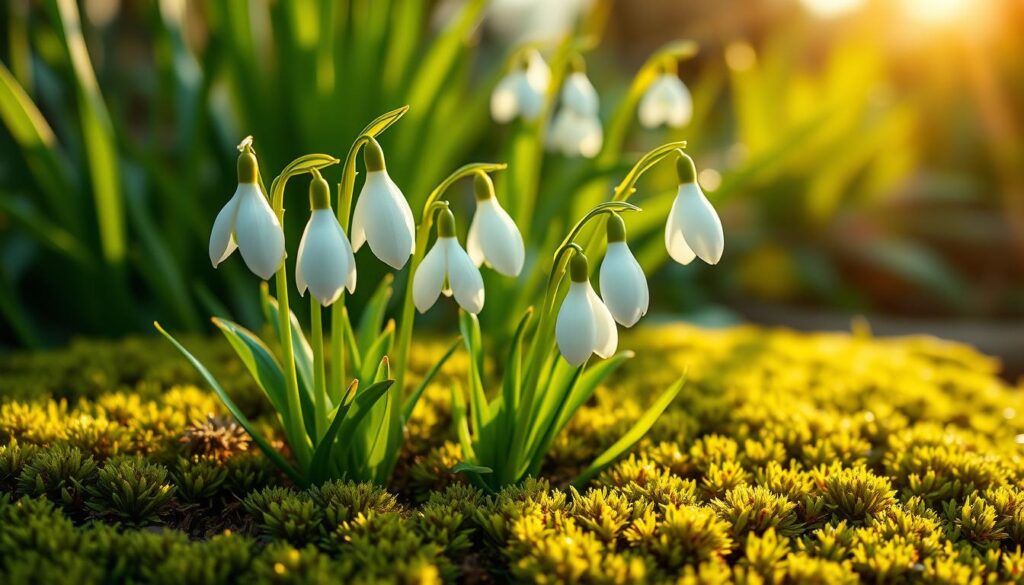
A simple routine through the seasons keeps these bulbs performing year after year. Follow a few steady steps and you’ll protect blooms and build fuller drifts with minimal effort.
Watering schedule
Water snowdrops consistently while shoots and flowers are active. Keep soil evenly moist but never soggy to avoid rot.
Ease back once the foliage starts to yellow and the bulbs enter dormancy. Avoid overhead watering to reduce disease risk and wetting crowns.
Fertilizing bulbs
In fertile beds, feeding is optional. If soil is poor, add a modest bulb fertilizer or bone meal at planting or apply a light feed in early spring to support blooms.
Apply fertilizer sparingly; excess nitrogen favors leaves over flowers and can attract pests.
Foliage and blooms
Remove spent blooms if you prefer a tidy look. Still, always let the leaves wither naturally so energy returns to the bulbs.
Mark planted areas while leaves are visible to avoid disturbing bulbs during summer dormancy.
Seasonal care calendar
| Season | What to do | Why it matters |
|---|---|---|
| Winter | Watch for bud emergence | Cold triggers growth |
| Early spring | Keep moist; light feed | Supports peak blooms |
| Late spring–summer | Let leaves die back; reduce water | Bulbs rest and store energy |
“Minimal intervention usually wins—established clumps often need little more than light weeding and patience.”
- Lift and divide clumps after flowering if performance drops.
- Weed by hand near tender shoots to avoid damage.
- Pull mulch slightly away from crowns for airflow.
Use these simple tips to keep snowdrops healthy with low effort. A little care each season yields stronger displays the next year.
Propagation and Container Growing
Crowded clumps can be your quickest route to more plants.
Divide after flowering in March or April. Lift clumps with a fork, keeping roots and offsets intact. Tease bulbs apart and replant at the same depth, watering well to settle soil. This multiplies displays in a few years while keeping vigor high.
Seed versus division
Starting from seed demands patience: seedlings may take several years to bloom. Division gives reliable, faster results and predictable growth.
Containers and potting
Use a free‑draining potting mix with added leaf mold so the medium holds moisture without staying soggy. Choose pots with good drainage and enough depth for offsets to expand.
“Protect containers from deep freezes; store them in an unheated sheltered space until shoots appear.”
| Task | Timing | Why it matters |
|---|---|---|
| Divide clumps | March–April | Quick increase; preserves vigor |
| Pot mix | At planting | Drainage + moisture balance |
| Winter protection | Deep freeze periods | Prevents pot and root damage |
| Repotting | Every 2 years | Refresh soil; divide tight clusters |
When temperatures moderate and shoots appear, move pots outside and water more frequently than in ground. Apply a light spring feed to support buds. For more detail on regional performance, consult this growing guide.
Common Problems, Pests, and Diseases
Early-season trouble usually comes from wildlife or poor drainage, not mysterious diseases. Addressing simple risks early keeps bulbs healthy and helps plantings establish quickly.
Wildlife and soft-bodied attackers
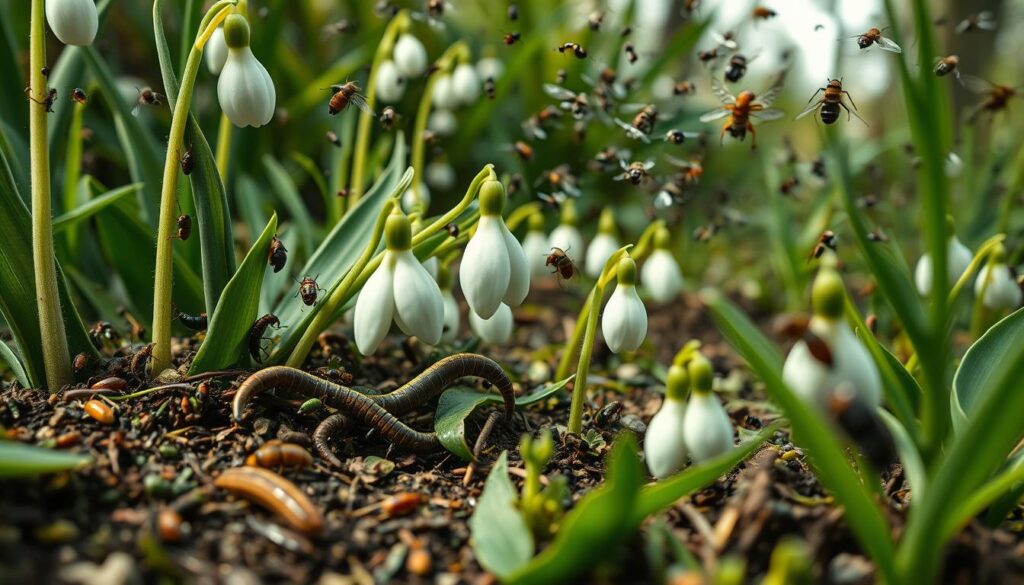
Squirrels and mice will dig up freshly planted bulbs. A temporary chicken-wire frame over the bed prevents raids until shoots appear.
Slugs and aphids attack tender shoots and leaves. Use beer traps or labeled baits for slugs, and try soapy water sprays or targeted insecticides for aphids if necessary.
Preventing disease with good culture
Improve drainage and aim for well-drained soil to cut rot risk. Avoid overhead watering so leaves dry quickly after irrigation.
Space clumps for airflow and remove fallen leaf litter near crowns to lower fungal pressure and reduce hiding places for pests.
“Simple cultural steps — good drainage, tidy beds, and small barriers — solve most pest and disease problems.”
Site mistakes and seasonal stresses
Standing water and boggy pockets cause bulb rot. If puddles persist after rain, relocate or raise beds.
Conversely, extreme summer dryness stresses dormant bulbs. Choose a site that keeps cool-season moisture without staying saturated.
| Issue | Signs | Quick fix |
|---|---|---|
| Pests (squirrels, mice) | Missing bulbs; disturbed soil | Chicken-wire cover until shoots emerge |
| Slugs & aphids | Chewed leaves; sticky or ragged growth | Beer traps, baits, or soapy sprays |
| Bulb rot | Soft, discolored bulbs; stunted shoots | Improve drainage; move to higher ground |
| Summer-dry stress | Weak clumps next spring | Mulch and choose sheltered sites with some moisture |
- Monitor the first weeks after planting; disturbance risk is highest then.
- Place drifts away from compacted paths to avoid accidental damage to emerging shoots.
- Deer and rabbits rarely bother these bulbs, so browsing pressure is low compared with many other spring plants.
- Favor spot treatments over blanket chemicals to protect beneficial insects and soil life.
Popular Snowdrop Varieties to Grow
A small selection of reliable cultivars will anchor early-season displays and please both new and seasoned gardeners.
Common and larger garden staples
Galanthus nivalis (the common snowdrop) is widely available and makes steady clumps that naturalize well.
Galanthus elwesii, often called the giant snowdrop, brings taller stems and broader outer white petals that suit mid-border planting.
Double and specialty selections
Double forms such as ‘Flore Pleno’ give a fuller, ruffled look ideal for containers and close viewing.
Green-tipped cultivars (for example, Pusey Green Tips) and lutescent, yellow-marked types highlight contrasts between inner petals and outer white petals.
“‘S. Arnott’ is praised for a honeyed scent that adds sensory appeal near paths and entries.”
- Pair shorter varieties for rock gardens with taller, broad-petaled types in borders.
- Mix a few varieties to show subtle differences in petals and markings while keeping a cohesive white-and-green palette.
- Plant each named form in clusters to emphasize its unique inner petals and overall shape; label the name on durable tags.
| Variety | Key trait | Best use |
|---|---|---|
| Galanthus nivalis | Dependable, small clumps | Naturalizing, lawns, woodland edges |
| Galanthus elwesii | Taller, broad outer white petals | Mid-border impact, mixed drifts |
| ‘Flore Pleno’ | Double, ruffled petals | Containers, close-up displays |
| Green-tipped / lutescent types | Distinct inner petals markings | Collector interest, contrast planting |
Conclusion
Simple routines — right site, honest soil work, balanced water — lead to dependable late-winter blooms.
To grow snowdrops well, pick a cool-season friendly spot with rich, well-draining soil and plant snowdrop bulbs about 3 inches deep in small groups. Expect blooms in late winter to early spring when few other plants are awake.
Keep the root zone evenly moist during active growth but avoid saturation. Let foliage and leaves yellow naturally so each bulb stores energy for the next year.
Divide congested clumps every few years after flowering, and try one or two in pots before expanding to beds. Observing inner petals and outer white petals helps guide cultivar choices as you extend your display.
Make sure light, shade, drainage, and planting depth in inches are right before you finish. With steady attention and patience, these hardy bulbs will naturalize bit by bit and reward your garden for years to come.
