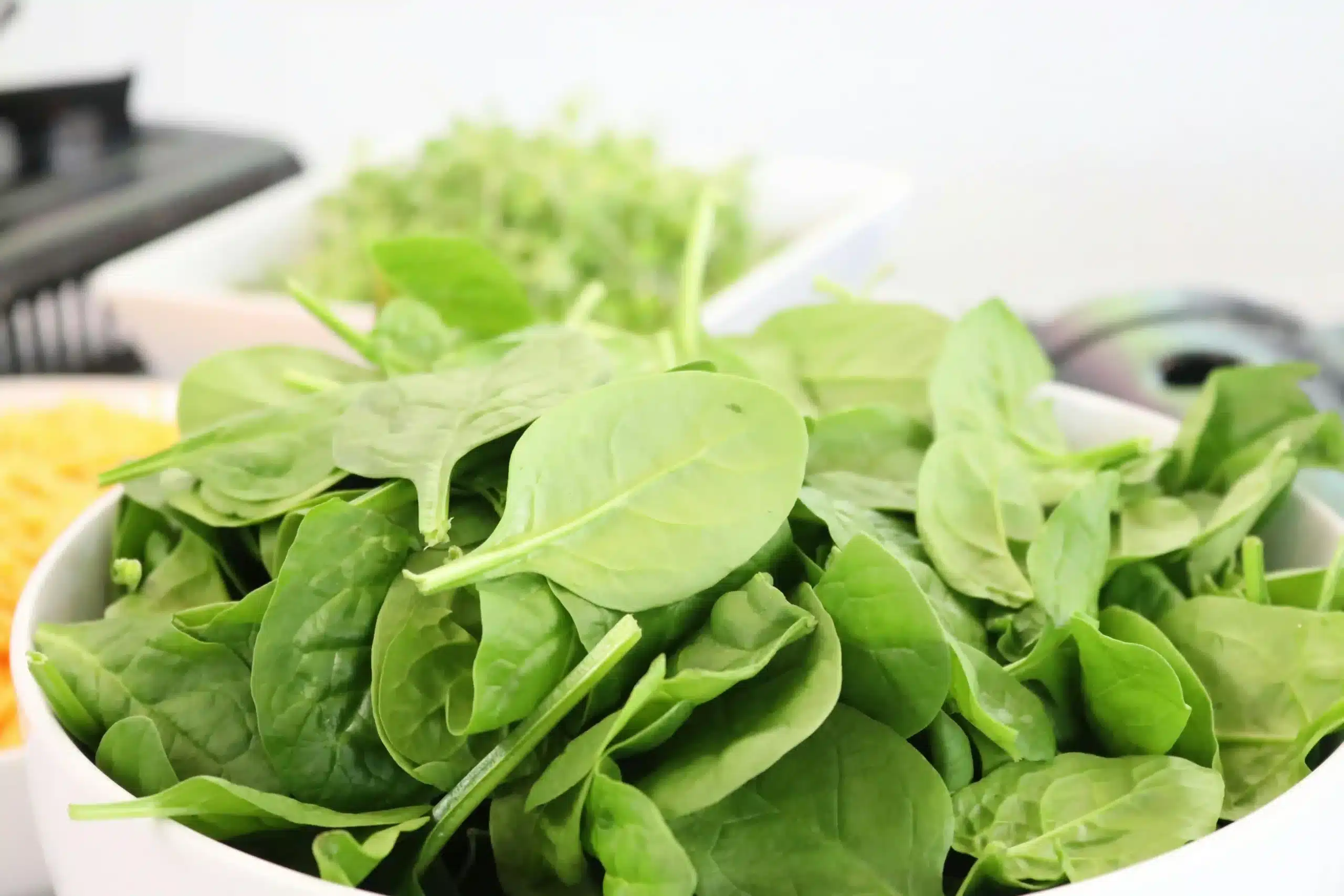
Did you know a single planting of certain leafy greens can survive temperatures as low as 15°F? This remarkable hardiness makes them a perfect choice for Georgia’s variable weather.
For those tending a plot in the Peach State, this opens the door to nearly year-round harvests of a powerful, iron-rich crop. The cool seasons of spring and fall are especially productive windows for leaf development.
This guide will show you how to leverage these periods for a bountiful yield. You will learn to manage unexpected frosts and sudden heat to protect your plants.
We cover methods for both in-ground beds and space-saving hydroponic setups. Our goal is to help you cultivate tender, flavorful leaves successfully.
Key Takeaways
- Georgia’s climate offers excellent opportunities for cultivating a cold-tolerant, nutrient-dense leafy green.
- Spring and fall are the prime seasons for achieving the best flavor and leaf production.
- This crop can withstand surprisingly low temperatures, making it a reliable choice.
- Gardeners can successfully grow this plant in traditional garden beds or modern hydroponic systems.
- Proper timing and simple protection techniques are key to overcoming weather challenges.
- A successful harvest provides a continuous supply of fresh, healthy greens for your table.
Introduction to Growing Spinach in Georgia
The remarkable versatility of this iron-rich vegetable makes it a standout choice for home gardens seeking year-round productivity. This leafy green adapts well to various growing methods and offers exceptional nutritional returns.
Overview of Spinach Benefits
This nutrient-dense crop provides exceptional concentrations of iron, vitamins A, C, and K. These essential nutrients support overall health and wellness through every stage of life.
The plant’s culinary flexibility extends from fresh salads to cooked dishes like quiches and omelets. This versatility justifies dedicating space to cultivating these healthy leaves.
Why Georgia is Ideal for Cool-Season Crops
The state’s climate offers distinct advantages for cool-season vegetable production. Mild winters and extended spring and fall seasons create multiple planting windows.
Gardeners across different regions can adjust timing based on local frost dates. The plant’s preference for temperatures between 35-75°F aligns perfectly with seasonal patterns here.
This efficient crop matures quickly, typically within 40-50 days. It maximizes garden productivity during periods when warm-season vegetables cannot thrive.
Spinach in Georgia: Understanding Local Conditions and Nutritional Value
For centuries, gardeners worldwide have cultivated this nutrient-packed leafy green for both fresh salads and cooked dishes. Its enduring popularity stems from remarkable adaptability to various growing conditions.
Historical Cultivation and Nutrient Benefits
The deep green color of these leaves directly relates to chlorophyll content. Professionals measure this using SPAD values. Higher numbers mean darker, more nutritious leaves.
Georgia’s rich soil supports excellent chlorophyll production. This results in superior leaf color and nutritional profiles. Proper soil amendments make a significant difference.
Taste quality involves balancing sweetness (Brix units) and tartness (acidity levels). Optimal growing conditions create pleasing flavor profiles. This makes the leaves perfect for fresh consumption.
Different cultivars offer varying color intensity and taste characteristics. This allows growers to match varieties to their preferences. Understanding these relationships helps with harvest timing decisions.
The crop’s historical success here demonstrates reliable performance. When planted during appropriate windows, it consistently delivers high-quality production. This makes it a valuable addition to any garden.
Ideal Climate and Seasonal Considerations
Strategic scheduling around temperature patterns is key to successful leaf production. Georgia’s variable climate offers distinct advantages for cool-season cultivation.
Spring and Fall Planting Guidelines
For earliest production, begin spring planting 4 to 6 weeks before the last frost date. Transplants can go into the garden 3 to 4 weeks before the frost-free date.
Fall planting typically occurs in late July through early August for direct seeding. September works well for transplanting seedlings during this productive season.
Managing Cold Snaps and Hot Weather
Established plants tolerate temperatures down into the teens, making them reliable during unpredictable weather. Cold snaps pose minimal threat to well-rooted crops.
Hot weather management becomes critical when temperatures exceed 75°F. These conditions trigger bolting, which causes leaves to become bitter.
Soil Preparation and Garden Planning
A successful harvest is built upon the quality of the soil and the strategic planning of your garden space. Getting these elements right from the start sets the stage for vigorous growth and a bountiful yield of healthy leaves.
Optimizing Soil pH, Nutrients, and Organic Matter
This crop thrives in soil with a pH between 6.5 and 7.0. This range ensures essential nutrients are readily available to the plants.
Enrich your garden bed by mixing three inches of aged compost into the top six inches of existing soil. This boosts organic matter, improving water retention and nutrient content.
Before planting, apply a balanced garden fertilizer, such as 10-10-10. Use about 1½ pounds per 100 square feet. This provides a nutritional foundation for rapid, healthy leaf development.
Choosing the Right Garden Location
Selecting the perfect spot is crucial. For the best growth in spring and fall, choose a location that receives full sun for most of the day.
As temperatures rise, partial shade can help extend the harvest. It keeps the plants cooler, delaying bolting.
Ensure the site has well-drained soil. Good drainage prevents soggy conditions that harm roots and can lead to disease. Consistent water is key, but roots must never sit in waterlogged soil.
Selecting the Right Spinach Cultivar
Different cultivars offer unique advantages that can make or break your growing season success. The choice you make directly affects heat tolerance, bolting resistance, and overall yield potential.
Heat-Resistant and Slow-to-Bolt Varieties
When temperatures rise, certain varieties stand out for their resilience. ‘Avon’ provides excellent heat tolerance, maturing in just 42 days. ‘Catalina’ offers upright growth and long-standing performance.
For extended harvest windows, consider ‘Winter Bloomsdale’ and ‘Long Standing Melody’. These plants resist premature bolting during unexpected warm spells. Their slow-to-bolt characteristics prove invaluable.
Summer greenhouse production requires specialized cultivars. Options like ‘Kona’ and ‘Sunangel’ maintain quality despite challenging conditions. They balance yield with consistent leaf characteristics.
Comparing Savoyed versus Smooth-Leafed Types
Leaf texture represents another critical consideration. Savoyed types feature attractive, crinkled leaves with traditional appeal. However, their puckered surface can trap soil particles.
Smooth-leafed varieties simplify cleaning and processing. Their flat surfaces release dirt easily during washing. This makes them ideal for fresh market production.
Taste profiles and color intensity vary across cultivars. Some prioritize darker green leaves with higher chlorophyll content. Others focus on yield or specific flavor balances.
Planting Techniques for Maximum Yield
Getting your seeds into the ground correctly is the first step toward a bountiful harvest. Proper techniques ensure strong establishment and optimal growth throughout the season.
Two main approaches exist for starting your crop: direct seeding and using transplants. Each method offers distinct advantages depending on your goals and timeline.
Direct Seeding Versus Using Transplants
Direct seeding involves placing seeds directly into prepared garden beds. This method causes minimal root disturbance and reduces costs.
Transplants accelerate production by 2-3 weeks compared to direct seeding. They’re ideal for gardeners seeking the earliest possible spring harvest.
| Method | Advantages | Best For |
|---|---|---|
| Direct Seeding | Lower cost, no transplant shock | Fall crops, large garden areas |
| Transplants | Faster harvest, better timing control | Early spring, limited space |
Optimal Spacing and Planting Depth
Correct spacing prevents overcrowding and promotes healthy development. Space transplants 6 to 8 inches apart with 12 inches between rows.
For intensive bed systems, position plants 6 inches apart in each direction. This maximizes your garden space while allowing proper air circulation.
Plant seeds approximately ½ inch deep and cover lightly. Firm the soil gently to ensure good seed-to-soil contact. This promotes consistent moisture uptake.
“Proper spacing is not just about giving plants room to grow—it’s about creating an environment where each plant can thrive without competition.”
Succession planting every 7 to 10 days ensures continuous harvests. This technique provides fresh leaves over an extended period rather than a single large flush.
Caring for Your Spinach Crop
Maintaining optimal conditions after planting ensures your crop reaches its full potential for flavor and yield. Consistent care prevents common issues that can compromise your harvest.
Proper management keeps plants growing vigorously throughout the season. Attention to detail makes the difference between average and exceptional results.
Watering, Fertilizing, and Mulching Tips
Provide about 1 inch of water weekly to maintain steady growth. Shallow roots require consistent moisture without saturation.
Feed regularly with water-soluble plant food for tender leaf production. Mulching conserves soil moisture and suppresses weeds effectively.
| Care Technique | Frequency | Benefits |
|---|---|---|
| Watering | Weekly (1 inch) | Prevents bitterness, supports growth |
| Fertilizing | Every 2-3 weeks | Promotes continuous leaf production |
| Mulching | After establishment | Moisture retention, weed control |
Pest and Disease Prevention Strategies
Monitor plants regularly for early signs of trouble. Aphids and leaf miners are common pests that affect leaves.
Use floating row covers to prevent insect infestations. Choose resistant varieties to avoid common diseases like downy mildew.
“Prevention beats treatment every time when it comes to garden pests. A little proactive care saves your crop from major damage.”
Insecticidal soap controls aphids without harmful residues. Proper spacing and air circulation reduce fungal diseases significantly.
Hydroponic Spinach Production in Georgia
Controlled environment agriculture opens the door to summer production when traditional field methods fail. This approach dramatically increases yield per unit area and extends the growing cycle.
Growers can bypass issues like intense heat, pests, and diseases. Hydroponic systems offer a clean, efficient pathway for year-round cultivation.
Deep Water Culture (DWC) System Essentials
A Deep Water Culture system is an excellent choice. Plants sit in net pots, with their roots suspended in a nutrient-rich, oxygenated solution.
This method provides constant access to water and food. A typical setup uses large trays filled with a solution made from a 15-5-20 fertilizer.
This mix provides 150 ppm nitrogen for robust growth. Aeration pumps and air stones are critical. They keep oxygen levels high for healthy root development.
Seedlings need 2-3 weeks to grow before transplanting. After moving into the DWC system, harvest is typically just 3-4 weeks away.
Managing Temperature and Light in Greenhouses
Summer heat is the biggest challenge for greenhouse production. Temperatures can easily soar above 90°F, causing plants to bolt.
Using shade cloth (30-50% shade factor) is essential. It protects tender leaves from sunburn and reduces the overall heat load.
Proper ventilation and site selection within the greenhouse also help. Cooler spots with good air circulation produce the highest quality leaves.
- Increase production per unit with high-density spacing.
- Select heat-tolerant cultivars to prevent bolting.
- Manage light intensity with shade cloth to avoid damage.
Troubleshooting Common Growing Challenges
Even the most carefully planned garden can encounter unexpected challenges that threaten your leafy green harvest. Understanding how to identify and address these issues early ensures your plants reach their full potential.
Preventing Bolting and Sunburn
Bolting occurs when plants shift from leaf production to flowering. This happens with day lengths exceeding 14 hours and temperatures above 75°F. The process makes leaves bitter and reduces yield.
Watch for early signs like rapid stem growth and thick stalks. Once flowering begins, harvest remaining usable leaves immediately. The change is irreversible.
Strategic shade use extends your harvest window. Provide partial shade during late spring to moderate temperature and light exposure. This delays bolting in sensitive plants.
Sunburn appears as bleached patches on leaf surfaces. Plants in full sun need protection during peak heat hours. Consider 30-40% shade cloth for summer protection.
Addressing Weed and Pest Issues
Weed management requires gentle techniques around shallow-rooted plants. Hand pulling or shallow cultivation works best. Aggressive hoeing can damage or uproot your crop.
Regular monitoring helps catch pests early. Check leaf undersides for aphids, flea beetles, and spider mites. These common pests feed on tender leaves.
Disease prevention focuses on cultural practices. Proper spacing improves air circulation. Avoid overhead irrigation to reduce moisture-related issues. Remove infected plant debris promptly.
For comprehensive guidance on managing these common problems growing spinach, established resources offer proven strategies. Prevention consistently proves more effective than treatment.
Harvesting and Post-Harvest Care
Mastering the art of selective harvesting transforms your garden into a continuous source of fresh, tender greens throughout the season. Proper technique ensures your plants keep producing new growth instead of ending their productive cycle prematurely.
Best Practices for Snipping Outer Leaves
Begin your harvest when outer leaves reach 3-4 inches in length. This timing allows you to enjoy usable greens while letting the plant continue developing new leaves from its central crown.
Use sharp scissors or a knife to make clean cuts at the base of leaf stems. This method causes less damage than tearing and helps prevent disease. The cut-and-come-again approach extends your harvest window significantly.
Remove only the outermost mature leaves while leaving the inner crown intact. This selective harvesting allows individual plants to produce continuously for several weeks. It also helps delay bolting by reducing the plant’s total leaf area.
During spring, monitor plants closely for bolting symptoms. Once seed stalks begin elongating, harvest all remaining plants immediately to avoid bitter flavors. Fall crops typically offer longer harvest windows due to cooler temperatures.
Strategic thinning during harvest provides immediate yields while benefiting remaining plants. Removing every other plant once they’re large enough gives the others more space and resources for accelerated growth.
Conclusion
Georgia’s favorable climate offers gardeners exceptional opportunities for extended production of cool-season crops. Success with growing spinach in this region requires strategic planning around temperature patterns and seasonal transitions.
From careful soil preparation to selecting appropriate cultivars, each decision impacts your final yield. Spinach plants thrive when matched to their intended season—heat-resistant varieties for late spring, cold-tolerant types for winter harvests.
Timing plantings relative to the last frost date maximizes productive growth periods. Managing light exposure through full sun during optimal temperatures or partial shade during transitions helps maintain quality.
The investment in proper care pays dividends in tender, flavorful leaves. Growers should adapt general guidelines to local microclimates for best results. This approach ensures a continuous supply of nutritious greens throughout the cool seasons.
