Can a feathery summer favorite really thrive when the thermometer dips? This question matters if you want fresh flavor through cool months and fast growth in a small space.
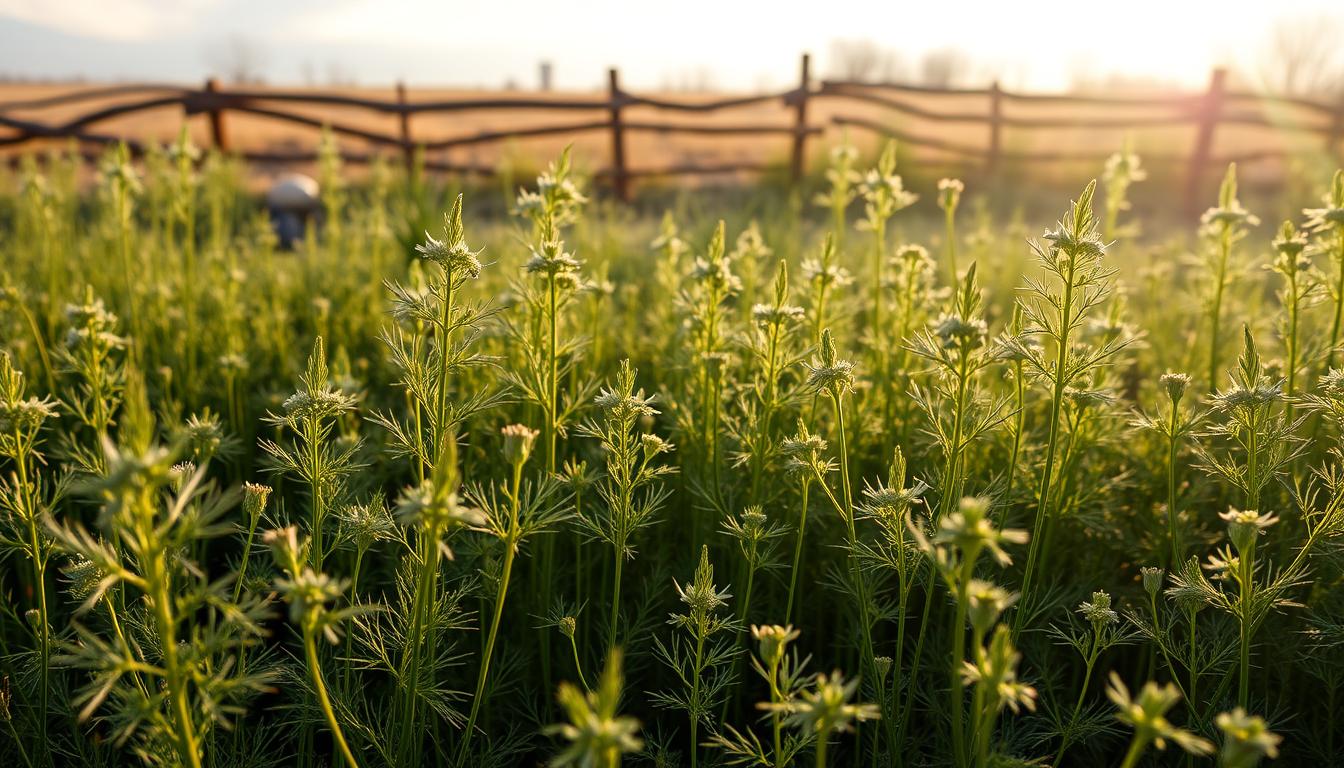
Dill is a cool-season herb with bright, feathery foliage and umbrella-shaped yellow flowers that lift any bed. It grows quickly, looks lovely next to vegetables and ornamentals, and gives kitchens a burst of citrusy, anise-like notes for fresh cooking.
This hardy little plant tolerates light frosts but can die when temps fall near 25°F, so time your sowing after the last freeze. Give it six or more hours of sun, steady moisture, and a sheltered spot to prevent lodging from wind.
Cut leaves as needed for best taste; trimming spurs branching and more harvests. When flower heads ripen, save the seeds for pickling and future sowing. With quick growth, garden beauty, and wildlife perks, this herb is a smart cool-season choice.
Key Takeaways
- Texas Dill blends fast winter growth with ornamental appeal.
- Light frosts are okay; hard freezes near 25°F can kill plants.
- Needs six-plus hours of sun, steady moisture, and wind protection.
- Harvest leaves fresh for best flavor; cut to encourage branching.
- Save dried umbels for seeds used in pickling and future crops.
- Flowers attract beneficial insects and support wildlife.
Understanding Texas Dill as a Cool-Season Herb in the United States
In many U.S. regions, this aromatic herb does best in the mild chill of late winter and early spring.
Cold tolerance and timing: Light frosts usually don’t harm healthy growth, but prolonged hard freezes near the mid-20s°F can kill roots and foliage. In demonstration beds, sowing after the last expected freeze helps gardeners capture the cool window without risking losses.
What to look for and where it thrives
This member of the Apiaceae family has hollow stems, finely divided bluish-green leaves, and flat yellow umbels that signal seed set. Those signs help you spot vigor and predict when leaf harvests will decline.
Choose a site with at least six hours of sun, slightly acidic, organic-rich soil, and good air movement. Keep moisture steady but avoid soggy beds; well-drained mixes meet both needs.
Wind protection matters. Gentle breezes reduce disease, but strong gusts can topple tall plants. In warmer zones, plant earlier in winter; in colder zones, delay sowing or use row cover for short cold snaps.
How to Grow Texas Dill Step by Step
Begin with well-prepared, loose soil that drains freely and holds steady moisture. Loosen the top 8–10 inches and fold in compost to improve texture and fertility. Aim for slightly acidic, well-drained conditions so roots stay healthy.
Seed sowing and transplant tips
Sow seeds 1/4 inch deep in rows or clusters. Keep the bed evenly moist; germination takes about 10–14 days in cool weather.
Because this herb develops a long taproot, favor direct seeding. If you transplant, move very small seedlings and disturb the root ball as little as possible.
Light, water and containers
Place plants where they receive at least six hours of sun and shelter from strong winds to prevent lodging. Water consistently—keep the soil lightly moist but never waterlogged.
For containers, choose 8–10 inch deep pots with good drainage and a quality, well-draining mix. Thin seedlings so each plant has room to mature.
Tip: Succession-sow every 2–3 weeks for a steady harvest and avoid planting near carrots to reduce root competition.
- Feed lightly; rely on compost rather than heavy nitrogen.
- Pair with brassicas for companion benefits.
- Space to improve airflow and reduce disease.
Harvesting, Cooking, and Garden Benefits of Dill
Morning harvests lock in aroma and encourage new growth for steady summer pickings.
Pick leaves in the cool of morning and use them quickly—flavor fades fast after cutting. Frequent trimming promotes branching, giving you more leafy harvests before the plant bolts.
Saving seed for pickling
When umbels shift from chartreuse to straw and tiny brown dots appear, cut the heads and hang them upside down in a paper bag to catch falling seed. Dry fully until brittle, then store airtight away from light.
From garden to kitchen
Fresh leaves lend lemon-anise lift to soups, marinades, and seafood dishes. Use crushed seeds for pickling brines and spice blends—their flavor is stronger than the foliage.
Bolting, self-seeding, and insects
As temperatures rise, plants will bolt and focus on flowers. Let some flower heads mature: they feed beneficial insects and attract pollinators.
Note: Dill is a host for black swallowtail caterpillars—plant extra to support wildlife while you harvest.
| Action | When | Result |
|---|---|---|
| Leaf harvest | Cool mornings, before heat | Best aroma; encourages branching |
| Seed saving | When umbels dry and brown | Storeable pickling seed |
| Manage self-seeding | After flowering | Deadhead or allow naturalizing |
| Succession sowing | Every 2–3 weeks | Continuous fresh supply |
- Harvest gently to avoid bruising; rinse and pat dry before use.
- Time leaf cuts ahead of hot spells to delay bolting.
- Keep a portion for flowers to benefit the local garden ecosystem.
Conclusion
Start with good soil and a shallow sowing; quick germination brings usable leaves within weeks. Sow direct after hard freezes pass and choose a sheltered, sunny spot for steady growth.
Focus on the basics: reliable sun, free-draining beds, and good airflow produce strong stems, abundant leaves, and tidy umbels ready for harvest.
Clip leaves often and use them right away for best flavor. Cut umbels as they brown to dry and save the seeds for pickling and future sowing.
Let some flowers stand to feed beneficial insects, and guide self-seeding where you want more plants. With a few packets of seeds, a sunny spot, and simple cool-weather care, you’ll enjoy dependable winter flavor and bright garden blooms.
