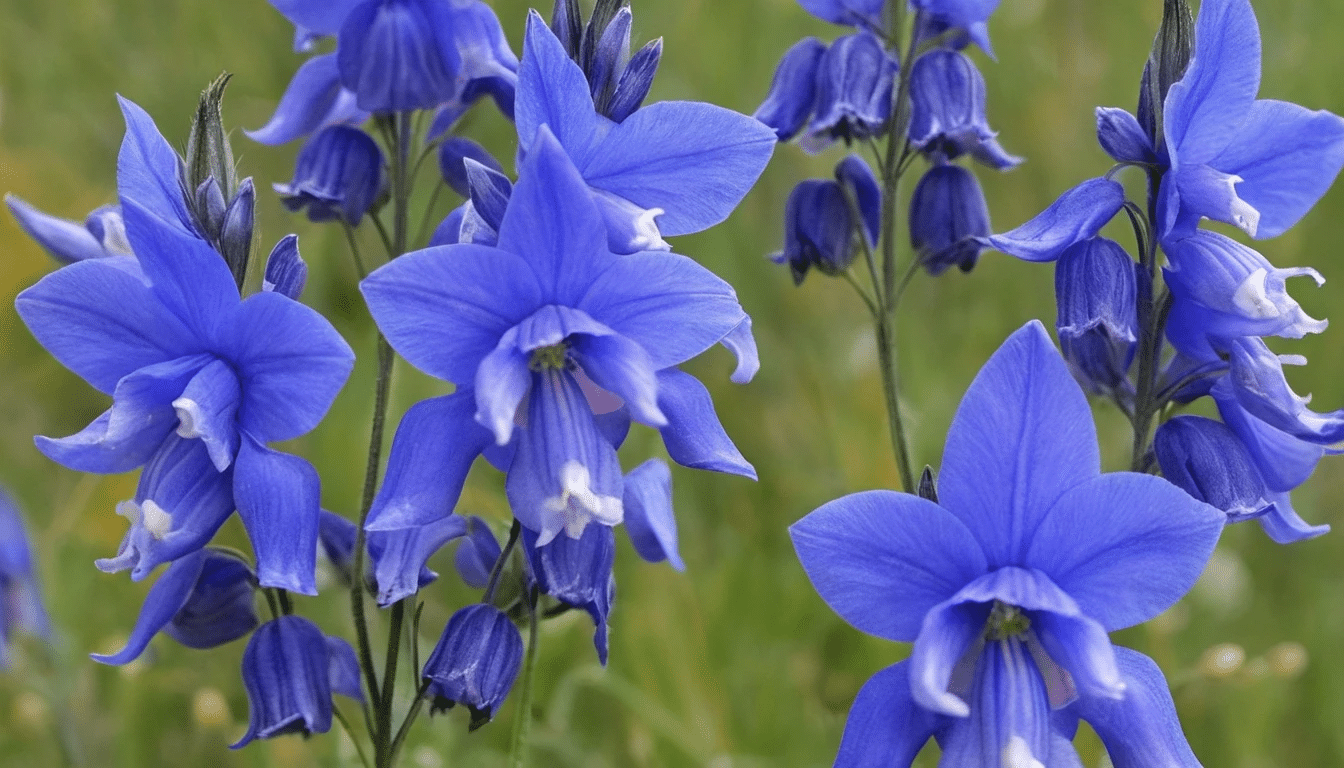
Imagine a flower that defies the cold, transforming a dormant winter garden into a vibrant spring spectacle. This is the magic of the Texas Larkspur. Unlike most annuals that fade with summer’s heat, this remarkable plant thrives on a unique schedule.
It begins its life in the cool soil of autumn. The seeds germinate and establish themselves throughout the winter months. This early start builds a strong root system. When warmer weather arrives, the plant is ready to explode with color.
By mid-spring, tall spikes of blue, pink, and white flowers create a stunning display. This bloom time perfectly bridges the gap between seasons. The best part? This beautiful cycle repeats itself year after year.
The plant is a prolific self-sower. It drops its own seeds, ensuring a fresh batch of plants returns without any extra effort from you. For gardeners, this means a reliable and breathtaking show season after season. It’s a perfect choice for those looking for fall-sown flower seeds for spring blooms.
This guide will walk you through everything you need to know. You’ll learn about its unique life cycle, the best fall planting techniques, and simple seed-saving methods. Get ready to enjoy a garden that wakes up early and puts on an unforgettable performance.
Key Takeaways
- Unique Annual Cycle: This larkspur germinates in fall, grows through winter, and blooms in spring, unlike typical annuals.
- Low-Maintenance Perennial Effect: Its self-sowing nature allows it to return year after year like a perennial.
- Ideal for Cool-Season Color: It provides vibrant blooms during the pleasant weather of mid-spring.
- Fall Planting is Key: Sowing seeds in autumn leverages cooler temperatures and winter rains for strong establishment.
- Attracts Pollinators: The tall flower spikes are a valuable nectar source for bees and butterflies.
Texas Larkspur: Characteristics and Growing Insights
Gardeners seeking vertical interest and pollinator-friendly blooms will appreciate these versatile flowers. Their unique features make them stand out in any landscape.
Diverse Colors and Varieties
The plants display elegant feathery leaves and tall spikes covered with thumbnail-sized flowers. This creates impressive vertical interest in garden beds.
Purple-blue is the predominant color, while white varieties appear frequently. Attractive pink shades occasionally emerge, offering design flexibility.
Most larkspurs reach 15-24 inches in typical gardens. In rich soil, they can grow up to 30 inches tall.
Botanically known as Consolida ambigua, these plants outperform large hybrid delphiniums in local conditions. They’re more dependable for consistent results.
Attracting Bees and Deer Resistance
The abundant flowers draw numerous bees to gardens. This provides essential food sources during cooler months when fewer plants bloom.
These plants are notably deer-resistant. This makes them valuable for areas where wildlife browsing concerns gardeners.
Many hybridized heirloom varieties exist. They’ve been selected over years for reliable performance and adaptability to various growing conditions.
Preparing Your Garden for Fall Planting
The secret to vibrant spring blooms begins with thoughtful garden preparation during the crisp days of fall. This timing allows plants to establish strong roots before winter’s arrival.
Step-by-Step Planting Guide
Start by sourcing seeds from successful local growers rather than commercial catalogs. Locally-adapted seeds often outperform purchased varieties.
Store collected seeds in your refrigerator from summer until mid-fall planting time. This cold treatment mimics natural stratification and maintains viability.
When ready to plant, lightly scratch the soil surface where you want flowers to appear. Scatter seeds evenly without deep burial. The process requires minimal effort.
Choosing the Right Location and Soil
Select sites with full morning sun and some afternoon shade. This protects plants during peak heat while providing ample light.
These flowers thrive in decently well-drained soils that avoid waterlogging. They adapt well to various garden conditions but prefer good drainage.
Plant among perennials that go dormant in winter. This creates pop-out color in empty spaces. Choose undisturbed areas where the self-sowing cycle can continue naturally.
Seasonal Care and Maintenance for Vibrant Blooms
Seasonal maintenance transforms your garden’s larkspur display from good to spectacular with minimal effort. Proper care throughout the year ensures healthy plants and abundant flowers.
Winter Protection and Watering Tips
Young seedlings need attention during the winter months. Water them if rainfall is scarce in your area.
Once established, these plants become drought-tolerant. Avoid overwatering to prevent root issues.
In spring, thin crowded areas for better airflow. This prevents disease in humid conditions.
Collecting and Saving Seeds for Next Year
After flowering ends, watch for seed pods turning brown. Cut stems into a bucket to collect seeds.
Let seeds dry completely before storage. Keep them in a cool indoor spot until next fall.
Enjoy cut flowers for arrangements during the weeks-long bloom period.
Encouraging Natural Self-Sowing
Leave some seed pods to scatter naturally. This creates delightful surprises the following year.
Avoid rototilling where larkspurs grow. Soil disturbance disrupts the self-sowing cycle.
With minimal care, your plants will return reliably. The display improves as the population expands.
| Seed Collection Method | Best For | Storage Requirements | Success Rate |
|---|---|---|---|
| Manual Collection | Controlled planting | Cool, dry indoor location | High (90%+) |
| Natural Self-Sowing | Low-maintenance gardens | No storage needed | Moderate (70-80%) |
| Partial Collection | Balanced approach | Refrigerator storage | Very High (95%+) |
Conclusion
Few gardening experiences compare to watching plants establish through winter and burst into color. The larkspur‘s unique cycle brings vibrant spring blooms when few other flowers appear. This creates a spectacular display that rewards minimal effort.
Growing these versatile plants is remarkably simple. Their feathery leaves and tall spikes add vertical interest to any garden. Once established, the larkspur population self-sows reliably year after year.
The delicate leaves support colorful blooms that attract pollinators while resisting deer. Each flower spike contributes to a beautiful, low-maintenance landscape. Start your own tradition this fall and enjoy seasonal anticipation.
