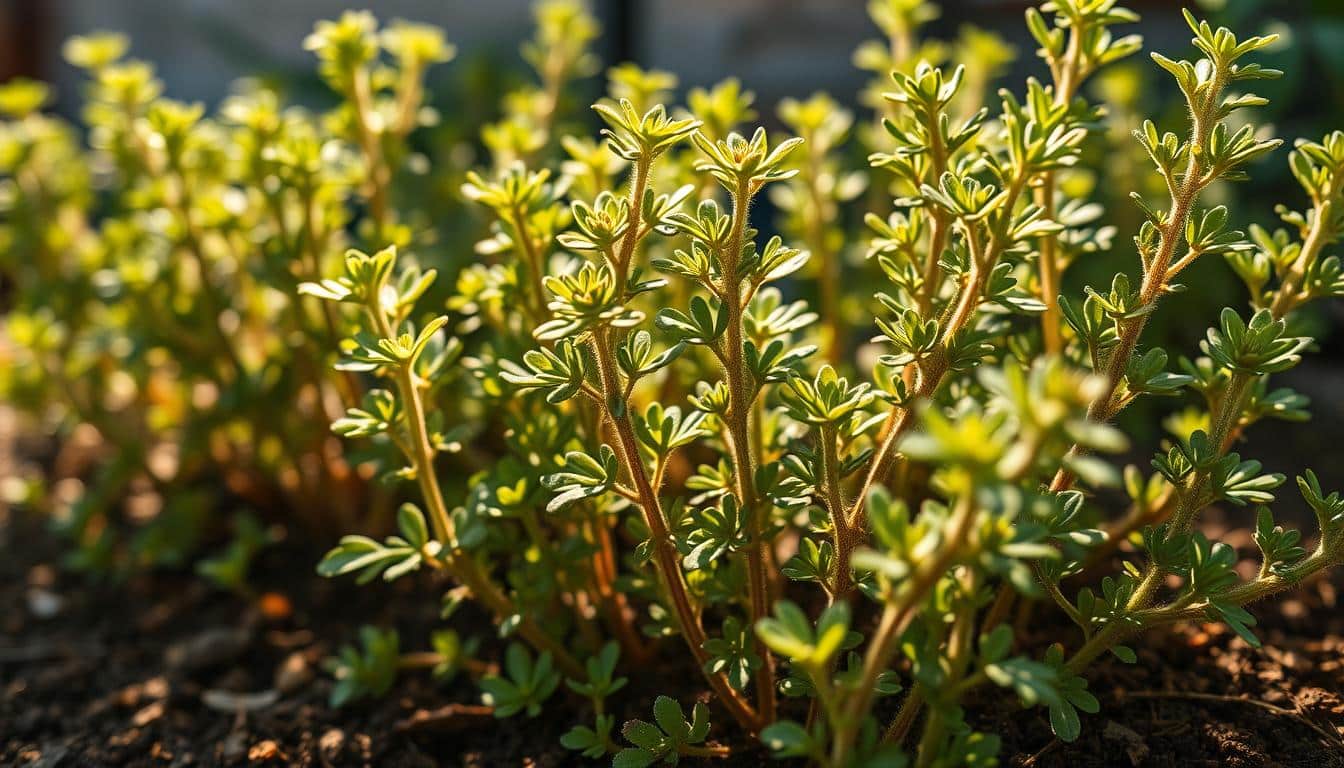
Can a sun-loving shrub really save your pizza nights after the first frost? This resilient herb often surprises cooks and gardeners alike.
Texas Oregano thrives in warm, rocky spots yet tolerates many colder snaps when mulched and sited well. The term mexican oregano covers two culinary groups: Poliomintha with lavender-pink blooms and Lippia with bright, citrusy-camphor notes.
This compact plant produces small, aromatic leaves that dry beautifully and keep flavor through winter. With a little planning—alkaline, well-drained soil, strong light, and deep, infrequent water—you can harvest and store enough to lift soups, stews, and pizzas all season.
The shrub blooms long into autumn, drawing bees, butterflies, and hummingbirds while adding dependable, low-maintenance aroma to borders and kitchen gardens. Read on to learn simple drying and storage tricks that lock in that bold, bright taste so a pinch goes a long way on cold nights.
Key Takeaways
- Texas Oregano is hardy and rebounds after mild winter dieback with mulch and a protected site.
- Mexican oregano refers to Poliomintha and Lippia groups, each with bold, citrusy-camphor flavor.
- Give the shrub alkaline, well-drained soil, strong light, and deep, infrequent watering.
- Dry and store leaves to preserve aroma for pizza, soups, and winter cooking.
- Long bloom season supports pollinators and adds garden value beyond the kitchen.
Texas Oregano
What you call mexican oregano at the nursery may be one of two very different herbs with similar uses.
Names, Species, and What You’re Really Growing
“Mexican oregano” is a culinary umbrella name that covers two botanical groups. One group is Poliomintha (mint family), including Poliomintha longiflora and the locally described P. bustamante.
The other is Lippia graveolens (Verbenaceae), a true shrub with small, intensely aromatic leaves. Knowing the correct name helps set expectations for flavor and care.
Where It Thrives
Poliomintha species do best in arid, rocky soils with full sun and make compact, flower-heavy plants for hot, dry sites.
Lippia graveolens prefers warm, scrubby landscapes and produces robust citrus-camphor notes that stand up to rich foods.
Cold Toughness vs. Tender Perennial
Both groups evolved in dry, open habitats, so they tolerate heat and stress well.
In cooler or droughty winters, leaves may drop; the woody stems usually rebound after rain and warmth. Expect seasonal dieback in marginal climates and plan mulch or microclimate protection when needed.
- Quick tip: Check the plant tag to learn whether you have Poliomintha or Lippia graveolens so you can tailor care and culinary use.
How to Grow and Care for Texas Oregano in the United States
Give it sun, stone-like drainage, and a roomy patch; the plant rewards you with steady growth and bloom.
Site selection matters: choose a bright, open location with full sun and strong airflow to keep foliage dry and oils concentrated. In very hot areas, light afternoon shade is acceptable and won’t blunt aroma.
Soil & Drainage
Match native conditions with slightly alkaline, fast-draining soil. Amend heavy clay with coarse grit or use raised beds to mimic rocky sites and prevent root rot.
Watering & Spacing
Water deeply but infrequently once established. In hot inland summers a weekly drip keeps growth steady; otherwise rely on rainfall.
Space plants about three feet apart to allow the shrub habit to spread and flowers to form without crowding.
Pruning, Winter, and Pests
Prune tip growth in spring to encourage a bushier form and more flowering nodes. After major blooms, remove spent stems to keep a compact mound.
Mulch the root zone and site near heat-reflective surfaces for winter protection. Expect dieback below 20°F; healthy crowns often resprout when warmer weather returns.
“Resinous foliage deters many chewing insects, and the strong scent makes the planting less attractive to deer.”
Pollinators & Containers
Lavender-pink tubular flowers feed bees, butterflies, and hummingbirds through the warm season, bringing garden benefits beyond the kitchen.
In pots, use a gritty mix, fertilize lightly, and let containers dry between waterings to keep leaves and oils potent.
| Need | Recommendation | Why it matters |
|---|---|---|
| Light | Full sun (partial afternoon shade in extreme heat) | Concentrates essential oils in leaves for better flavor |
| Soil | Slightly alkaline, gritty, well-drained | Prevents root rot and mimics native rocky habitats |
| Water | Deep, infrequent; weekly in hot summers | Encourages drought tolerance and strong roots |
| Spacing | About 3 ft × 3 ft | Allows airflow and full flowering habit |
Harvesting, Flavor, and Pizza-Night Uses
Harvesting at the right moment locks in the bright, citrusy notes that make this herb a pantry favorite. Pick mid-morning after dew dries to capture peak oils. Clip soft tips with several leaves or strip individual leaves from non-flowering stems for immediate use.
Leaves and Flowers: When and How to Harvest
Take sprigs before the main bloom for the most intense flavor. Save open flowers for salads or as a mild garnish; they add a floral lift without extra intensity.
Avoid heavy harvests during drought stress. Water lightly the day before cutting and leave 4–6 inches of growth so the plant recovers quickly.
Drying and Storage: Preserving Aroma and Potency
Air-dry small, loose bundles upside down in a dark, ventilated spot or use a dehydrator on low heat. When crisp, crumble and store in airtight glass away from light.
To keep pantry potency through winter pizza season, store small jars for daily use and refill from a larger, light-protected container to limit air exposure.
Cooking Notes and Recipes
Compared to Mediterranean oregano, mexican oregano is brighter and more camphor-like. Start with half the usual amount and adjust to taste.
- Classic dishes: posole with guajillo, enchiladas with a gentle lift, and chile relleno in tomato caldito.
- Pizza tip: fold a pinch into sauce or sprinkle on just out of the oven for a citrus-menthol spark.
Tea and Wellness
Steep a teaspoon of dried leaves for 5–10 minutes for a soothing infusion. Research on lippia graveolens identifies flavonoids like naringenin, cirsimaritin, and catechin/quercetin derivatives linked to antioxidant activity.
Conclusion
Set it in fast-draining soil and full sun for concentrated oils and steady growth. A sunny site, sparing water after establishment, and winter mulch will keep the shrub productive.
Check the plant tag to confirm the name—Poliomintha longiflora or graveolens—so you know its flavor profile and regional roots. Tip-prune and space plants about three feet for a bushier habit and more blooms.
Dry leaves carefully and store in airtight glass to enjoy a bright oregano lift on winter dishes. With low pest pressure and simple care, graveolens-lineage plants return culinary and pollinator value season after season.
