
Tow behind fertilizer spreaders are essential tools for anyone looking to maintain a healthy and lush lawn or garden. These devices are designed to attach to a variety of vehicles, such as lawn tractors, ATVs, or even some garden tractors, allowing for efficient and effective distribution of fertilizers, seeds, and other granular materials. The primary types of tow behind fertilizer spreaders can be categorized into two main groups: broadcast spreaders and drop spreaders.
Broadcast spreaders are designed to distribute material over a wide area, flinging it out in a fan-like pattern. This type is particularly useful for large lawns or fields where quick coverage is desired. The spread width can vary significantly, with some models capable of covering up to 12 feet in a single pass.
This efficiency makes broadcast spreaders ideal for applying granular fertilizers, herbicides, and even seeds. However, they require careful calibration to ensure even distribution and to avoid over-fertilization in certain areas. On the other hand, drop spreaders release material directly beneath the spreader, allowing for precise application.
This type is particularly advantageous when working near flower beds, sidewalks, or driveways, as it minimizes the risk of overspreading onto unwanted areas.
They are often preferred for smaller lawns or gardens where precision is paramount.
Understanding these distinctions is crucial for selecting the right type of spreader based on the specific needs of your lawn care regimen.
com/category/soil-compost/fertilizers/”>Soil Compost.
Key Takeaways
- There are two main types of tow behind fertilizer spreaders: broadcast spreaders and drop spreaders, each with their own advantages and disadvantages.
- When choosing a tow behind fertilizer spreader, consider factors such as the size of your lawn, the type of fertilizer you will be using, and the terrain of your lawn.
- Top features to look for in a tow behind fertilizer spreader include adjustable spread width, durable construction, and a calibrated flow rate control.
- When comparing the best tow behind fertilizer spreaders on the market, consider factors such as capacity, ease of assembly, and overall durability.
- Properly using a tow behind fertilizer spreader involves calibrating the spreader, following the manufacturer’s instructions, and applying the fertilizer at the correct rate for your lawn size.
- Maintenance and care for your tow behind fertilizer spreader includes cleaning it after each use, storing it properly, and performing regular maintenance on moving parts.
- Reviews of the best tow behind fertilizer spreaders from lawn care experts can provide valuable insights and recommendations for choosing the right spreader for your lawn.
- In conclusion, choosing the right tow behind fertilizer spreader for your lawn involves considering your specific needs, comparing features and reviews, and properly maintaining and using the spreader for optimal results.
Factors to Consider When Choosing a Tow Behind Fertilizer Spreader
When selecting a tow behind fertilizer spreader, several factors come into play that can significantly influence your decision. One of the most critical considerations is the size of your lawn or garden. Larger areas may benefit from a broadcast spreader due to its ability to cover more ground quickly, while smaller spaces might be better suited for a drop spreader that offers greater precision.
Additionally, the terrain of your property should be taken into account; uneven or hilly landscapes may require a more robust model that can handle such conditions without compromising performance. Another important factor is the type of material you plan to use with the spreader. Different fertilizers and seeds have varying granule sizes and weights, which can affect how well they flow through the spreader.
Some models are specifically designed to handle larger granules, while others may struggle with heavier materials. It’s essential to check the manufacturer’s specifications regarding compatibility with various types of fertilizers and seeds to ensure optimal performance. The construction quality and durability of the spreader are also vital considerations.
A well-built spreader will withstand the rigors of regular use and exposure to the elements. Look for models made from high-quality materials such as stainless steel or heavy-duty plastic that resist rust and corrosion. Additionally, consider the ease of assembly and disassembly, as well as how simple it is to clean and maintain the unit after use.
Top Features to Look for in a Tow Behind Fertilizer Spreader
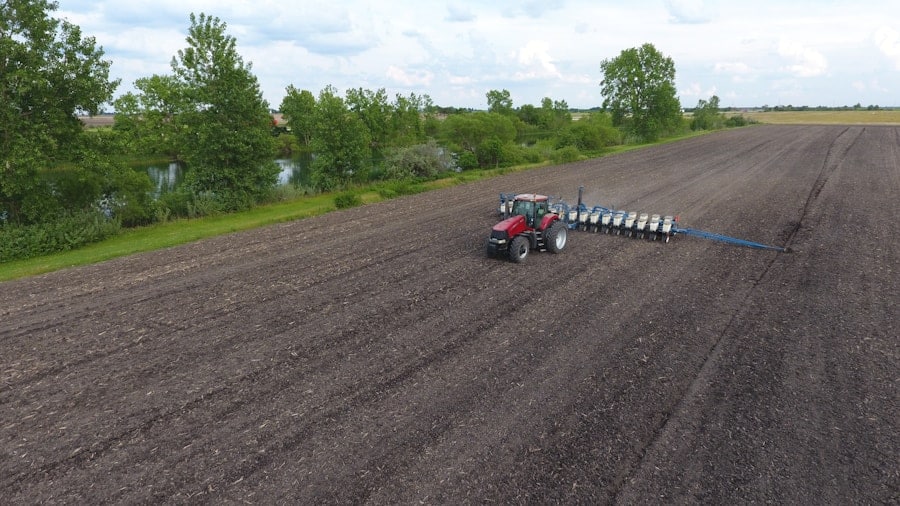
When evaluating tow behind fertilizer spreaders, certain features can enhance usability and efficiency. One key feature is the adjustable spread rate control, which allows users to customize the amount of material being dispensed based on their specific needs. This feature is particularly beneficial when switching between different types of fertilizers or when applying products at varying rates throughout the lawn.
Another important aspect is the hopper capacity. A larger hopper means fewer trips back to refill, which can save time during application. Many models offer hoppers ranging from 50 to 200 pounds or more, so it’s essential to choose one that aligns with the size of your lawn and your frequency of use.
Additionally, consider whether the hopper has a cover or lid; this can help protect your materials from moisture and contamination during storage. Wheels and tires are also critical components that can affect performance. Look for spreaders with large, durable wheels that can navigate rough terrain without getting stuck or causing damage to your lawn.
Some models even feature pneumatic tires that provide better traction and stability on uneven surfaces. Furthermore, consider whether the spreader has a reliable hitch system that allows for easy attachment and detachment from your towing vehicle.
Comparison of the Best Tow Behind Fertilizer Spreaders on the Market
| Brand | Capacity (lbs) | Spread Width (ft) | Material | Price |
|---|---|---|---|---|
| Agri-Fab | 130 | 10-12 | Steel | 250 |
| Brinly | 175 | 8-10 | Poly | 300 |
| Scotts | 100 | 10-12 | Plastic | 150 |
| Agri-Fab | 85 | 8-10 | Steel | 200 |
The market offers a variety of tow behind fertilizer spreaders, each with unique features and capabilities. One standout model is the Agri-Fab 45-0463 130-Pound Tow Behind Broadcast Spreader. This model boasts a large capacity hopper that can hold up to 130 pounds of material, making it suitable for larger lawns.
Its adjustable flow rate allows for precise application, while its durable construction ensures longevity. Another popular choice is the Brinly BS-26BH Tow Behind Broadcast Spreader. This model features a 175-pound capacity hopper and an innovative design that allows for easy calibration and adjustment of the spread rate.
Its heavy-duty construction ensures it can withstand tough conditions while providing consistent performance across various terrains. For those seeking precision in smaller areas, the EarthWay 2150 Commercial 50-Pound Tow Behind Broadcast Spreader is an excellent option. With its compact design and adjustable settings, this model excels in delivering accurate applications without overspreading.
Its sturdy build and ease of use make it a favorite among homeowners who prioritize accuracy in their lawn care routine.
Tips for Properly Using a Tow Behind Fertilizer Spreader
To achieve optimal results when using a tow behind fertilizer spreader, proper technique is essential. First and foremost, always calibrate your spreader before use. Calibration involves adjusting the settings based on the type of material you are using and the desired application rate.
Most manufacturers provide guidelines on how to calibrate their specific models, so be sure to consult these instructions for accurate results. When applying fertilizer or seed, it’s advisable to work in straight lines rather than overlapping passes. This approach helps ensure even coverage across your lawn while minimizing waste.
If using a broadcast spreader, consider making two passes—one in a north-south direction and another in an east-west direction—to achieve uniform distribution. Additionally, pay attention to weather conditions when applying fertilizers or seeds. Avoid spreading on windy days, as this can lead to uneven distribution and potential loss of material due to drift.
Similarly, applying during wet conditions can result in clumping or sticking within the spreader, leading to inconsistent application rates.
Maintenance and Care for Your Tow Behind Fertilizer Spreader

Proper maintenance is crucial for extending the lifespan of your tow behind fertilizer spreader and ensuring it operates efficiently over time. After each use, it’s important to clean out any residual fertilizer or seed from the hopper and spreading mechanism. Leftover materials can cause corrosion or clogging if not removed promptly.
Inspecting the wheels and tires regularly is also essential for maintaining performance. Check for any signs of wear or damage that could affect mobility during operation. If you notice any issues, such as flat tires or loose fittings, address them immediately to prevent further complications.
Lubrication is another key aspect of maintenance that should not be overlooked. Regularly lubricate moving parts according to the manufacturer’s recommendations to ensure smooth operation and prevent rust buildup. Additionally, store your spreader in a dry location away from direct sunlight when not in use; this will help protect it from environmental damage.
Reviews of the Best Tow Behind Fertilizer Spreaders from Lawn Care Experts
Lawn care experts often provide valuable insights into the best tow behind fertilizer spreaders available on the market today. For instance, many professionals praise the Agri-Fab 45-0463 for its robust construction and ease of use. Users have noted that its large capacity allows them to cover extensive areas without frequent refills, making it an efficient choice for larger properties.
The Brinly BS-26BH has also received high marks from experts who appreciate its adjustable settings and reliable performance across various terrains. Reviewers highlight its sturdy build quality and ease of calibration as significant advantages that contribute to its popularity among both homeowners and professional landscapers alike. In contrast, some experts recommend the EarthWay 2150 for those who prioritize precision in their applications.
Its compact design allows for easy maneuverability in tighter spaces while still delivering accurate results. Many users have reported satisfaction with its performance when applying both fertilizers and seeds.
Choosing the Right Tow Behind Fertilizer Spreader for Your Lawn
Selecting the right tow behind fertilizer spreader involves careful consideration of various factors including size, type, features, and maintenance requirements. By understanding the differences between broadcast and drop spreaders, evaluating your specific needs based on lawn size and terrain, and considering essential features such as adjustable settings and hopper capacity, you can make an informed decision that will enhance your lawn care efforts. Investing time in research and reading expert reviews can further guide you toward finding a model that meets your expectations for performance and durability.
Ultimately, choosing a high-quality tow behind fertilizer spreader tailored to your unique requirements will contribute significantly to achieving a healthy and vibrant lawn throughout the seasons.
If you are looking for the best tow behind fertilizer spreader to keep your garden healthy and thriving, you may also be interested in learning about common hosta plant diseases and their symptoms. Understanding how to identify and treat plant diseases can help you maintain a beautiful and vibrant garden. Check out this informative article on common hosta plant diseases to ensure your plants stay healthy and disease-free.
FAQs
What is a tow behind fertilizer spreader?
A tow behind fertilizer spreader is a piece of equipment that is attached to a lawn tractor or ATV and is used to evenly distribute fertilizer, seed, or other granular materials over a large area.
What are the benefits of using a tow behind fertilizer spreader?
Using a tow behind fertilizer spreader allows for efficient and even distribution of fertilizer or seed over a large area, saving time and effort compared to manual spreading. It also ensures that the materials are spread evenly, leading to better results.
What features should I look for in the best tow behind fertilizer spreader?
The best tow behind fertilizer spreader should have a durable construction, a large hopper capacity, adjustable spread width and rate, and a sturdy attachment mechanism for the towing vehicle. It should also be easy to use and maintain.
How do I choose the right tow behind fertilizer spreader for my needs?
When choosing a tow behind fertilizer spreader, consider the size of the area you need to cover, the type of materials you will be spreading, and the towing vehicle you will be using. It’s also important to consider the quality and durability of the spreader, as well as any additional features that may be important to you.
How do I maintain a tow behind fertilizer spreader?
To maintain a tow behind fertilizer spreader, it’s important to clean it thoroughly after each use to prevent corrosion and clogging. Regularly inspect and lubricate moving parts, and store the spreader in a dry, covered area when not in use. Follow the manufacturer’s guidelines for maintenance and care.
