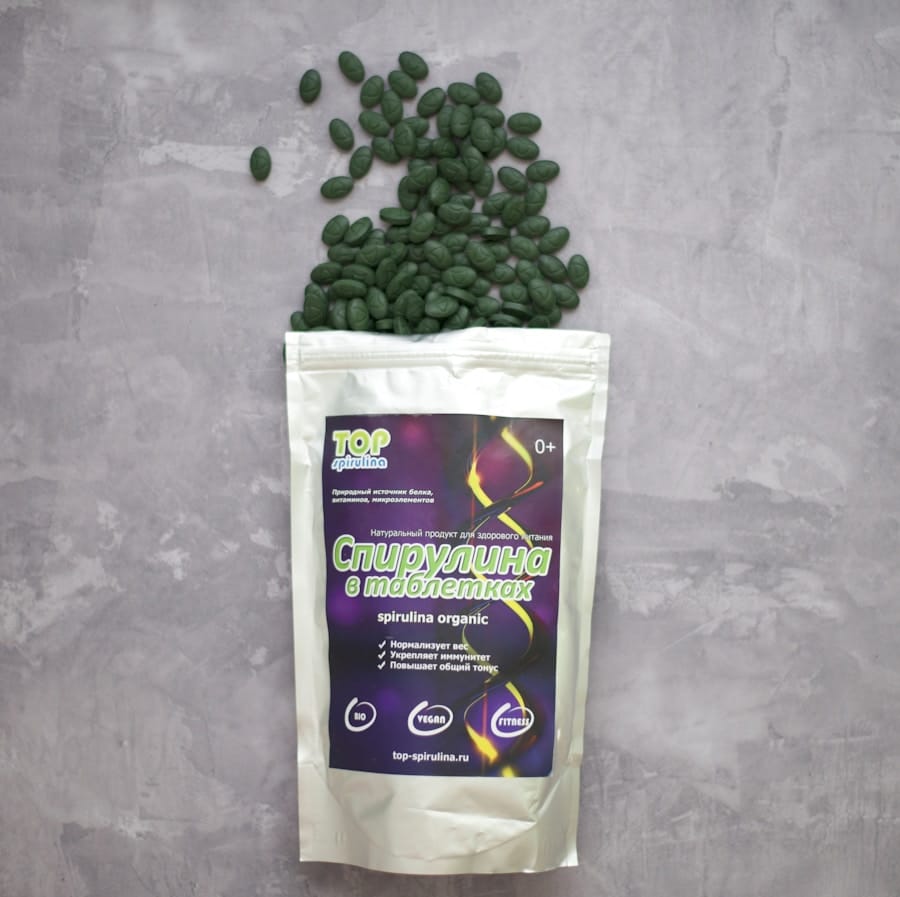
Organic fertilizers offer a multitude of advantages that can significantly enhance the health and productivity of your garden. Unlike synthetic fertilizers, which often provide a quick nutrient boost but can lead to soil degradation over time, organic fertilizers work to improve soil structure and fertility in a more sustainable manner. They are derived from natural sources such as plant matter, animal manure, and compost, which means they not only supply essential nutrients but also contribute to the overall ecosystem of the soil.
This holistic approach fosters a thriving environment for beneficial microorganisms, earthworms, and other soil-dwelling organisms that play a crucial role in nutrient cycling. Moreover, organic fertilizers release nutrients slowly, providing a steady supply that aligns with the plants’ growth cycles. This slow-release mechanism reduces the risk of nutrient leaching into waterways, which is a common issue with chemical fertilizers.
For instance, when heavy rains occur, synthetic fertilizers can wash away, leading to water pollution and algal blooms in nearby lakes and rivers. In contrast, organic fertilizers enhance the soil’s ability to retain moisture and nutrients, promoting healthier plant growth while minimizing environmental impact. The use of organic fertilizers can also lead to improved flavor and nutritional quality in fruits and vegetables, making them not only better for the environment but also for human health. Check out the latest fertilizers for your garden at Soil Compost.
Key Takeaways
- Organic fertilizer promotes healthy soil and plant growth, leading to better yields and stronger plants in your garden.
- Components of organic fertilizer include natural materials such as compost, manure, and bone meal, which provide essential nutrients for plants.
- Making your own organic fertilizer at home is cost-effective and environmentally friendly, using kitchen scraps and yard waste.
- Using organic fertilizer reduces the risk of water pollution and soil degradation, making it a more sustainable choice for the environment.
- When choosing organic fertilizer, consider the nutrient content, application method, and the specific needs of your plants for the best results.
Understanding the Components of Organic Fertilizer
To fully appreciate the benefits of organic fertilizers, it is essential to understand their components. Organic fertilizers typically consist of three primary macronutrients: nitrogen (N), phosphorus (P), and potassium (K), often referred to as NPK. Each of these nutrients plays a vital role in plant health.
Nitrogen is crucial for leaf and stem growth, phosphorus supports root development and flowering, while potassium is essential for overall plant vigor and disease resistance. Organic sources of these nutrients include materials such as bone meal for phosphorus, blood meal for nitrogen, and greensand or kelp meal for potassium. In addition to these macronutrients, organic fertilizers often contain micronutrients that are equally important for plant health but required in smaller quantities.
These micronutrients include iron, manganese, zinc, and copper, among others. Organic fertilizers can also provide beneficial organic matter that improves soil structure and enhances microbial activity. For example, compost not only supplies nutrients but also increases the soil’s water-holding capacity and aeration.
Understanding these components allows gardeners to select the right organic fertilizer based on their specific soil needs and plant requirements.
How to Make Your Own Organic Fertilizer at Home
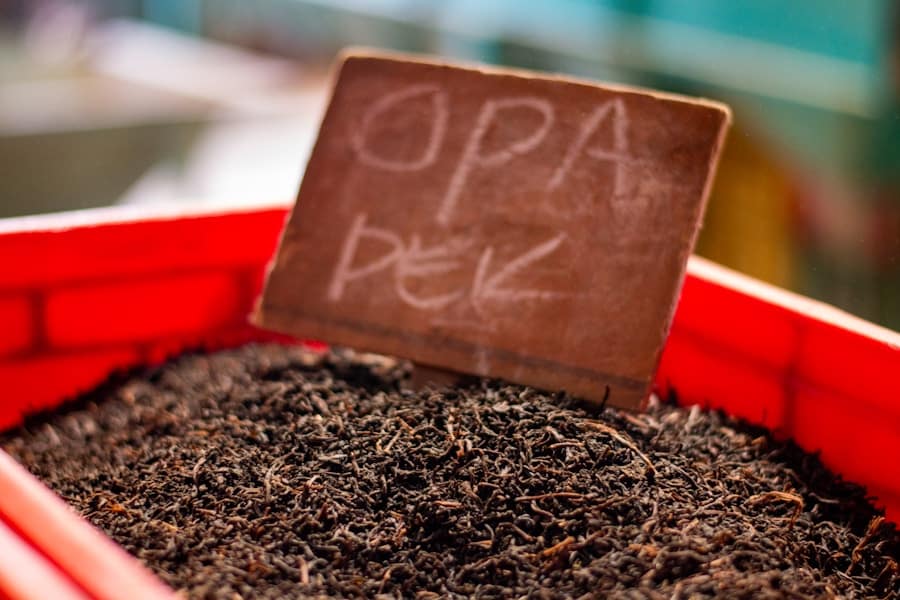
Creating your own organic fertilizer at home is a rewarding process that can save money while providing high-quality nutrients for your garden. One of the simplest methods is to make compost from kitchen scraps and yard waste. By collecting vegetable peels, fruit scraps, coffee grounds, grass clippings, and dried leaves, you can create a nutrient-rich compost pile or bin.
The key to successful composting is maintaining a balance between green materials (high in nitrogen) and brown materials (high in carbon). Turning the pile regularly helps aerate it and speeds up decomposition. Another effective homemade organic fertilizer is compost tea, which is made by steeping compost in water.
This liquid fertilizer is rich in nutrients and beneficial microorganisms that can be directly applied to plants or used as a foliar spray. To make compost tea, simply fill a burlap sack or mesh bag with finished compost and submerge it in a bucket of water for 24 to 48 hours. Stirring occasionally helps to infuse the water with nutrients.
The resulting tea can be diluted with additional water before application to avoid over-fertilization.
The Environmental Benefits of Using Organic Fertilizer
| Environmental Benefit | Data/Metric |
|---|---|
| Reduction in Soil Erosion | Organic fertilizers improve soil structure, reducing erosion by up to 50% compared to chemical fertilizers. |
| Water Conservation | Organic fertilizers increase water retention in soil, reducing water usage by up to 30% compared to chemical fertilizers. |
| Reduced Greenhouse Gas Emissions | Organic fertilizers release fewer greenhouse gases during production and application compared to chemical fertilizers. |
| Biodiversity Preservation | Organic fertilizers support diverse microbial populations in soil, promoting biodiversity and ecosystem health. |
| Improved Air Quality | Organic fertilizers reduce the release of ammonia and other harmful gases into the atmosphere compared to chemical fertilizers. |
The environmental benefits of using organic fertilizers extend far beyond individual gardens; they contribute positively to broader ecological systems. One significant advantage is the reduction of chemical runoff into waterways. Synthetic fertilizers often lead to nutrient pollution when excess chemicals wash away during rainstorms or irrigation.
This runoff can cause eutrophication in aquatic ecosystems, resulting in harmful algal blooms that deplete oxygen levels and harm aquatic life.
Additionally, organic fertilizers promote biodiversity within the soil ecosystem.
They support a diverse community of microorganisms that are essential for nutrient cycling and soil fertility. Healthy soils rich in organic matter can sequester carbon dioxide from the atmosphere, playing a role in mitigating climate change. Practices such as cover cropping and mulching with organic materials further enhance soil health while reducing erosion and improving water retention.
Choosing the Right Organic Fertilizer for Your Garden
Selecting the appropriate organic fertilizer for your garden requires an understanding of your soil’s specific needs and the requirements of your plants. Conducting a soil test is an excellent first step; it provides valuable information about nutrient levels, pH balance, and organic matter content. Based on the results, you can choose an organic fertilizer that addresses any deficiencies or imbalances.
For example, if your soil test indicates low nitrogen levels, you might opt for blood meal or fish emulsion as a nitrogen source. Different plants have varying nutrient requirements throughout their growth stages. For instance, leafy greens like spinach and lettuce benefit from higher nitrogen levels during their early growth phases, while flowering plants such as tomatoes may require more phosphorus as they begin to bloom.
Understanding these needs allows you to tailor your fertilization strategy effectively. Additionally, consider using slow-release organic fertilizers that provide nutrients over an extended period rather than quick-release options that may lead to nutrient spikes.
Tips for Properly Applying Organic Fertilizer to Your Garden
Timing is Everything
Timing is an essential factor; applying fertilizer at the right stage of plant growth ensures that nutrients are available when plants need them most. For instance, applying nitrogen-rich fertilizers early in the season supports vigorous leaf development, while phosphorus-rich fertilizers should be applied just before flowering to encourage robust blooms.
Application Rates Matter
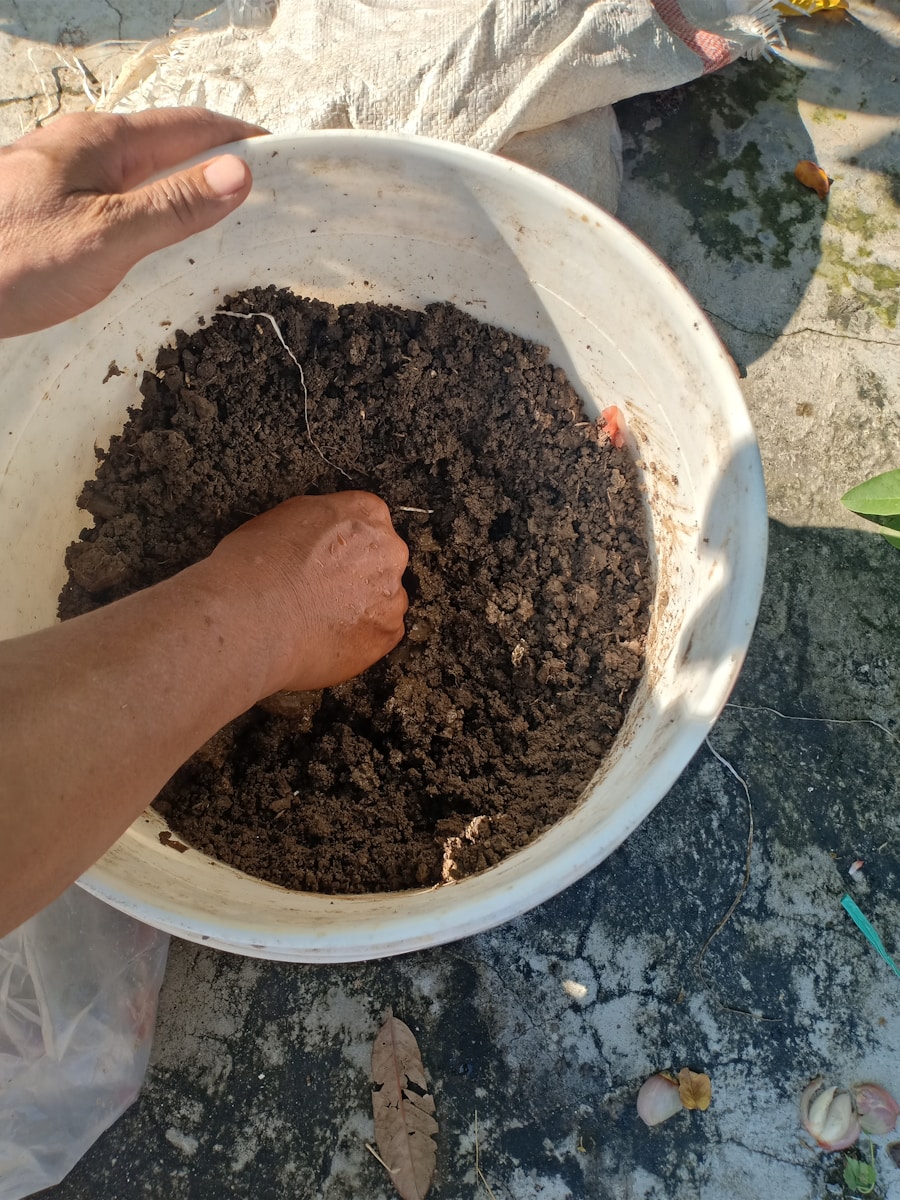
When applying organic fertilizer, it’s essential to follow recommended application rates based on the specific product being used. Over-fertilization can lead to nutrient imbalances and may harm plants rather than help them. Incorporating the fertilizer into the soil rather than simply spreading it on top can enhance nutrient uptake by roots.
Watering for Optimal Uptake
Additionally, watering after application helps dissolve the nutrients and facilitates their movement into the root zone.
Common Mistakes to Avoid When Using Organic Fertilizer
While organic fertilizers are generally safer than their synthetic counterparts, there are still common mistakes that gardeners should avoid to ensure optimal results. One frequent error is neglecting to conduct a soil test before applying fertilizer. Without understanding your soil’s nutrient profile, you may inadvertently apply too much or too little of certain nutrients, leading to poor plant performance or nutrient deficiencies.
Another mistake is failing to consider the timing of application. Applying organic fertilizer too late in the growing season may not provide sufficient time for plants to absorb the nutrients before harvest. Additionally, some gardeners may overlook the importance of proper storage for organic fertilizers; exposure to moisture can lead to spoilage or loss of effectiveness.
Ensuring that fertilizers are stored in a cool, dry place will help maintain their quality over time.
The Long-Term Impact of Organic Fertilizer on Soil Health and Plant Growth
The long-term impact of using organic fertilizers on soil health is profound and multifaceted. Over time, regular application of organic materials enhances soil structure by increasing its organic matter content. This improvement leads to better aeration and drainage while also enhancing the soil’s ability to retain moisture during dry periods.
Healthy soils rich in organic matter support diverse microbial communities that contribute to nutrient cycling and disease suppression. Furthermore, plants grown with organic fertilizers often exhibit improved resilience against pests and diseases due to healthier root systems and overall vigor. The gradual release of nutrients from organic sources ensures that plants receive a consistent supply throughout their growth cycle, leading to stronger plants with better yields over time.
As gardeners commit to using organic fertilizers, they not only foster immediate benefits for their plants but also contribute to the long-term sustainability of their gardening practices and the environment as a whole.
If you are looking for the best all-purpose organic fertilizer for your plants, you may want to check out this article on common yellow flower weeds identification guide. This article provides valuable information on how to identify and manage weeds that may be competing with your plants for nutrients. By using the right fertilizer and keeping weeds at bay, you can ensure that your plants thrive and remain healthy.
FAQs
What is the best all purpose organic fertilizer?
The best all purpose organic fertilizer is one that contains a balanced mix of essential nutrients such as nitrogen, phosphorus, and potassium, as well as other micronutrients. It should also be derived from natural sources such as compost, manure, or plant-based materials.
How do I use all purpose organic fertilizer?
All purpose organic fertilizer can be used by spreading it evenly over the soil in your garden or around the base of your plants. It can also be mixed into the soil when planting new plants or used to make a liquid fertilizer for watering.
What are the benefits of using all purpose organic fertilizer?
Using all purpose organic fertilizer can improve soil health, promote strong and healthy plant growth, and enhance the overall productivity of your garden. It also helps to support beneficial microorganisms in the soil and reduces the risk of chemical runoff into water sources.
Are there any drawbacks to using all purpose organic fertilizer?
While all purpose organic fertilizer is generally safe and beneficial for the environment, it may take longer to see results compared to synthetic fertilizers. It also may not provide as high of a concentration of nutrients as some synthetic options.
How often should I apply all purpose organic fertilizer?
The frequency of applying all purpose organic fertilizer depends on the specific product and the needs of your plants. In general, it is recommended to apply organic fertilizer at the beginning of the growing season and then periodically throughout the growing season as needed.
