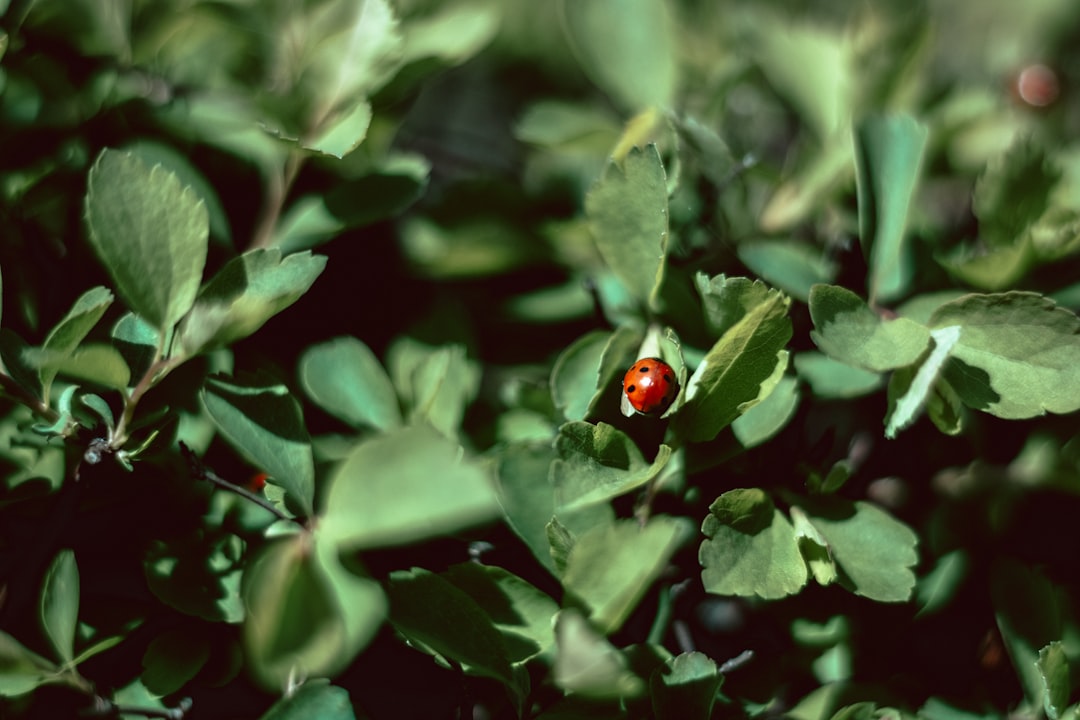
Ladybugs, often recognized by their vibrant red or orange bodies adorned with black spots, are more than just charming insects; they are invaluable allies in the garden. These beetles are renowned for their voracious appetite for aphids, spider mites, and other soft-bodied pests that can wreak havoc on plants. A single ladybug can consume up to 5,000 aphids in its lifetime, making them a natural pest control solution that can significantly reduce the need for chemical interventions.
This natural predation not only helps maintain the health of your plants but also promotes a more sustainable gardening practice. Beyond their role as pest controllers, ladybugs contribute to the overall biodiversity of the garden ecosystem. Their presence can attract other beneficial insects, such as lacewings and parasitic wasps, which further enhance pest management.
Additionally, ladybugs are a food source for birds and other wildlife, creating a balanced food web. By fostering an environment that supports ladybugs, gardeners can cultivate a thriving ecosystem that benefits not only their plants but also the surrounding wildlife.
Key Takeaways
- Ladybugs are beneficial for your garden as they feed on harmful pests like aphids, mites, and scale insects.
- Create a ladybug-friendly environment by providing shelter, water sources, and diverse plant species.
- Choose plants like dill, fennel, and marigold to attract ladybugs to your garden.
- Avoid using pesticides as they can harm ladybugs and other beneficial insects in your garden.
- Introduce ladybugs to your garden to help maintain a balanced ecosystem and manage pest populations.
Creating a Ladybug-Friendly Environment
To attract ladybugs to your garden, it is essential to create an environment that meets their needs. Ladybugs thrive in habitats that provide ample food sources and shelter. One of the first steps in creating a ladybug-friendly environment is to minimize disturbances in the garden.
This means avoiding excessive tilling or soil disruption, which can displace ladybug larvae and adults. Instead, consider adopting no-till gardening practices that preserve the natural habitat of these beneficial insects. In addition to minimizing disturbances, incorporating diverse plant life is crucial.
Ladybugs are more likely to inhabit gardens that offer a variety of flowering plants, as these provide nectar and pollen sources for adult ladybugs. By planting a mix of annuals and perennials that bloom at different times throughout the growing season, gardeners can ensure a continuous food supply for ladybugs. Furthermore, maintaining a healthy soil ecosystem through composting and organic amendments will support the growth of these plants, creating an inviting environment for ladybugs.
Choosing the Right Plants to Attract Ladybugs
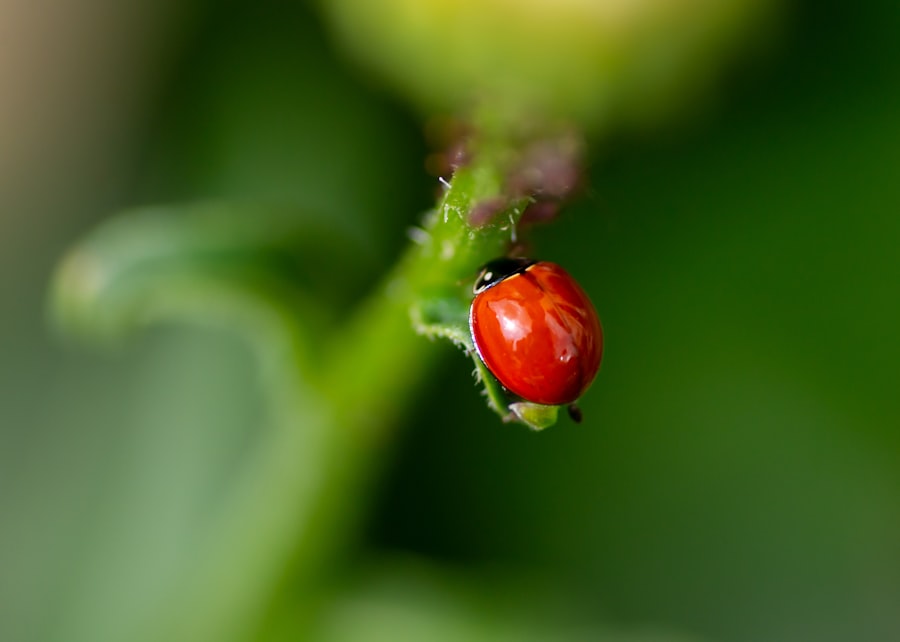
Selecting the right plants is fundamental to attracting ladybugs to your garden. Certain flowering plants are particularly effective at drawing these beneficial insects due to their nectar-rich blooms. For instance, plants such as dill, fennel, and yarrow are known to be favorites among ladybugs.
These plants not only provide nourishment but also serve as habitats for aphids, which ladybugs feed on. By strategically placing these plants throughout your garden, you can create hotspots that will entice ladybugs to settle in. In addition to herbs and flowering plants, consider incorporating native species into your garden design.
Native plants are adapted to local conditions and often attract a wider range of beneficial insects, including ladybugs. For example, goldenrod and asters are native perennials that bloom late in the season, providing essential food sources when other flowers have faded. By choosing a mix of native and non-native plants that bloom at various times, you can create a dynamic environment that supports ladybug populations throughout the growing season.
Providing Shelter and Water Sources for Ladybugs
Creating a hospitable environment for ladybugs goes beyond just providing food; it also involves offering shelter and water sources. Ladybugs require places to hide from predators and harsh weather conditions. Dense foliage, ground cover plants, and even small brush piles can serve as excellent shelters for these insects.
Additionally, leaving some areas of your garden undisturbed can create natural habitats where ladybugs can thrive. Water is another critical component of a ladybug-friendly garden. While ladybugs do not require large bodies of water, they do need access to moisture.
A shallow dish filled with water and pebbles can provide a safe drinking source without the risk of drowning. Alternatively, consider incorporating small water features or birdbaths with shallow edges into your garden design. These not only serve as hydration sources for ladybugs but also attract other beneficial wildlife, enhancing the overall biodiversity of your garden.
Avoiding the Use of Pesticides
One of the most significant threats to ladybug populations is the use of pesticides in gardening practices. Chemical pesticides can be harmful not only to target pests but also to beneficial insects like ladybugs. When pesticides are applied indiscriminately, they can disrupt the delicate balance of the ecosystem and lead to a decline in ladybug populations.
To protect these valuable allies, it is essential to adopt integrated pest management (IPM) strategies that prioritize natural pest control methods over chemical interventions.
Instead of reaching for chemical solutions at the first sign of pests, gardeners should consider alternative approaches such as introducing beneficial insects or using organic pest control methods like insecticidal soaps or neem oil.
These options are less harmful to ladybugs and other beneficial insects while still effectively managing pest populations.
By fostering an environment where ladybugs can thrive without the threat of pesticides, gardeners can create a more sustainable and resilient garden ecosystem.
Incorporating Diverse Plant Species
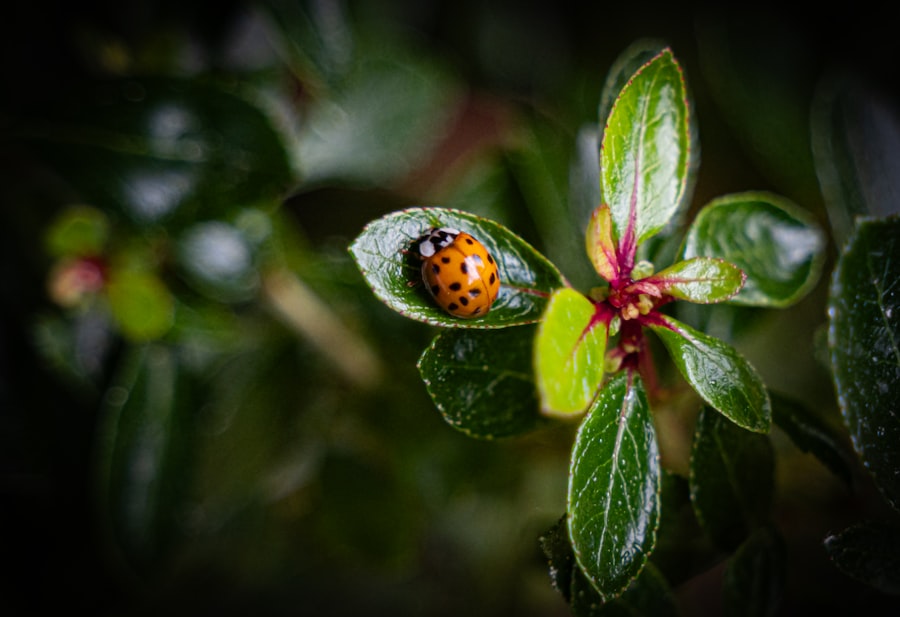
Diversity in plant species is crucial for attracting and sustaining ladybug populations in your garden. A varied plant palette not only provides food sources for ladybugs but also creates habitats that support other beneficial insects and wildlife. When planning your garden layout, consider incorporating a mix of flowering plants, herbs, shrubs, and trees that bloom at different times throughout the growing season.
This diversity ensures that there is always something in bloom to attract ladybugs and other pollinators.
Moreover, diverse plantings can help mitigate pest outbreaks by promoting natural predation.
For instance, interplanting flowers with vegetables can confuse pests and make it more challenging for them to locate their preferred hosts.
This strategy not only benefits ladybugs but also enhances overall plant health by reducing pest pressure. By embracing diversity in your garden design, you create a more resilient ecosystem that supports both ladybugs and the myriad of other beneficial organisms that contribute to a thriving garden.
Using Companion Planting to Attract Ladybugs
Companion planting is an effective strategy for attracting ladybugs while simultaneously enhancing plant health and productivity. This gardening technique involves planting different species together in ways that benefit one another. Certain plants can attract aphids or other pests that serve as food sources for ladybugs while also providing complementary benefits to neighboring plants.
For example, planting marigolds alongside vegetables can deter harmful nematodes while attracting beneficial insects like ladybugs. Another effective companion planting strategy involves using herbs such as dill or fennel near crops like tomatoes or peppers. These herbs not only attract ladybugs but also provide habitat for other beneficial insects that contribute to pest management.
By carefully selecting companion plants that support each other’s growth while attracting ladybugs, gardeners can create a harmonious ecosystem that promotes healthy plant development and reduces reliance on chemical pest control methods.
Introducing Ladybugs to Your Garden
If you find that your garden lacks a sufficient population of ladybugs despite creating an inviting environment, you may consider introducing them manually. Purchasing live ladybugs from reputable suppliers can be an effective way to boost their numbers in your garden. However, it is essential to release them strategically to ensure their survival and integration into your ecosystem.
When introducing ladybugs, choose a time when temperatures are mild and conditions are favorable for their establishment. Early evening or late afternoon releases are ideal since it allows them to acclimate without the stress of direct sunlight or extreme temperatures. Additionally, releasing them near food sources—such as aphid-infested plants—will help them settle into their new environment more quickly.
By taking these steps during the introduction process, you increase the likelihood of establishing a thriving population of ladybugs in your garden.
Maintaining a Balanced Ecosystem
A balanced ecosystem is vital for sustaining healthy populations of ladybugs and other beneficial insects in your garden. This balance involves understanding the interactions between various organisms within the ecosystem and ensuring that no single species dominates or disrupts this harmony. For instance, while it may be tempting to eliminate all pests immediately upon sighting them, it is essential to recognize that some pests serve as food sources for ladybugs and other beneficial insects.
To maintain this balance, gardeners should adopt practices that promote biodiversity and resilience within their gardens. This includes rotating crops annually to prevent pest buildup and planting cover crops during off-seasons to enrich soil health while providing habitat for beneficial organisms. Additionally, monitoring plant health regularly allows gardeners to identify potential issues early on without resorting to drastic measures that could harm beneficial insect populations.
Monitoring and Managing Pest Populations
Effective monitoring and management of pest populations are crucial components of maintaining a healthy garden ecosystem where ladybugs can thrive. Regularly inspecting plants for signs of pest activity allows gardeners to take proactive measures before infestations escalate beyond control. This monitoring should include checking for aphids, spider mites, and other soft-bodied pests that are primary food sources for ladybugs.
When pest populations begin to rise, consider implementing integrated pest management strategies rather than resorting immediately to chemical treatments. This may involve introducing additional beneficial insects or using organic solutions like insecticidal soap or neem oil as needed. By managing pest populations thoughtfully and strategically, gardeners can create an environment where ladybugs flourish while keeping harmful pests at bay.
Celebrating the Presence of Ladybugs in Your Garden
The presence of ladybugs in your garden is not just beneficial; it is also a cause for celebration! These charming insects symbolize good luck in many cultures and are often associated with healthy gardens filled with life and vitality. Observing their behavior—watching them glide gracefully from leaf to leaf or witnessing their larvae munching on aphids—can be a delightful experience for gardeners of all ages.
To celebrate the presence of ladybugs in your garden, consider creating educational opportunities for family members or neighbors about their importance in maintaining ecological balance. You might host workshops on organic gardening practices or share tips on attracting beneficial insects through social media platforms or community events. By fostering awareness about the role of ladybugs in gardening ecosystems, you contribute not only to your own garden’s health but also inspire others to embrace sustainable practices that benefit our planet as a whole.
If you want to enhance the beauty of your garden and attract beneficial insects like ladybugs, consider planting flowering bushes. Check out the article “Pretty in Pink: The Beauty of Flowering Bushes” for tips on selecting and caring for these plants. By creating a diverse and colorful garden, you can encourage ladybugs to visit and help control pests naturally. Additionally, using the right fertilizers, as discussed in <a href='https://chikusgarden.com/top-fertilizers-for-a-thriving-vegetable-garden/’>this article, can also contribute to a thriving ecosystem that attracts beneficial insects like ladybugs.
FAQs
What are ladybugs and why are they beneficial for gardens?
Ladybugs, also known as ladybirds or lady beetles, are small beetles that are considered beneficial insects for gardens. They are natural predators of aphids, mites, and other garden pests, making them valuable for controlling pest populations in gardens.
How can I attract ladybugs to my garden?
To attract ladybugs to your garden, you can plant a variety of flowers and herbs that they are attracted to, such as dill, fennel, cilantro, and yarrow. Additionally, providing a water source, such as a shallow dish of water, and avoiding the use of pesticides can help attract and retain ladybugs in your garden.
Are there specific plants that ladybugs are attracted to?
Yes, ladybugs are attracted to plants that produce pollen and nectar, such as dill, fennel, cilantro, yarrow, and other small-flowered plants. These plants provide a food source for adult ladybugs and can help attract them to your garden.
Can I purchase ladybugs to release in my garden?
While it is possible to purchase ladybugs for release in your garden, it is important to note that released ladybugs may not stay in your garden if there is not a sufficient food source or suitable habitat. It is often more effective to create a welcoming environment for ladybugs by planting the right flowers and avoiding pesticide use.
What are some other benefits of having ladybugs in my garden?
In addition to controlling pest populations, ladybugs can also help to pollinate certain plants and contribute to the overall health and balance of the garden ecosystem. Their presence can reduce the need for chemical pesticides and promote a more natural and sustainable approach to gardening.
