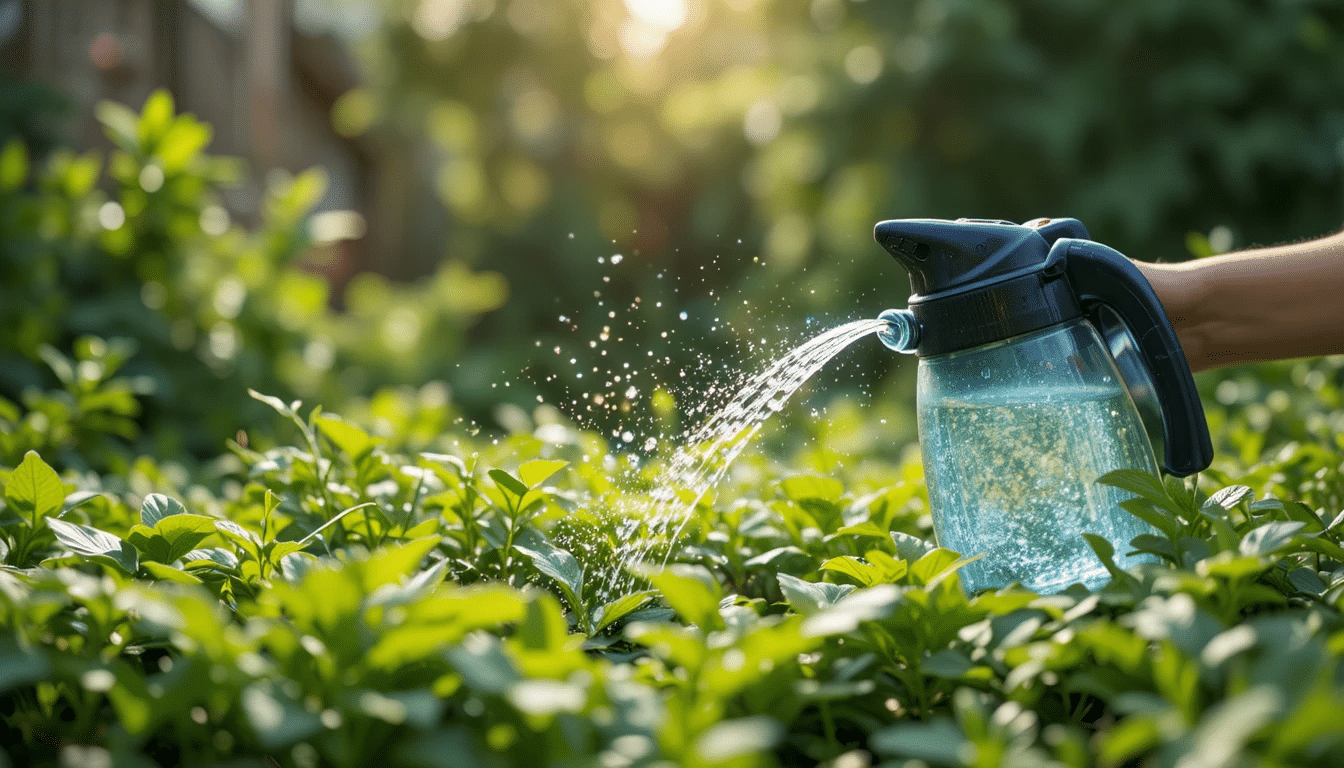
During summer’s peak, a staggering 50% of outdoor moisture can evaporate before ever reaching root systems. This startling fact highlights why timing matters so much for garden vitality.
Proper hydration practices during warm periods maintain healthy, thriving greenery throughout the growing season. Understanding when and how to provide moisture can mean the difference between vibrant, productive landscapes and stressed vegetation struggling to survive.
All living greenery requires hydration for essential chemical reactions within their cells. This process provides energy for growth and transports nutrients from soil to developing tissues.
Irrigation during extreme temperatures demands special attention to timing, techniques, and frequency. The goal is ensuring adequate moisture absorption without wasteful runoff.
This comprehensive guide covers the dos and don’ts of maintaining greenery during warm periods. You’ll learn about heat stress recognition and efficient irrigation methods.
Whether tending to container specimens, vegetable patches, or ornamental beds, these expert-backed strategies will optimize your routine. Effective practices conserve precious resources while promoting deeper root development.
More resilient greenery results from proper care, capable of withstanding challenging atmospheric conditions.
Key Takeaways
- Proper timing prevents significant moisture loss through evaporation
- Correct irrigation techniques promote deep root system development
- Understanding plant stress signals helps prevent damage during warm periods
- Efficient methods conserve resources while maintaining garden health
- Different garden areas may require customized watering approaches
- Consistent practices build plant resilience to environmental challenges
- Strategic hydration supports nutrient absorption and cellular functions
Understanding the Effects of Hot Weather on Plants
The relationship between soil health and plant survival becomes strained during warm spells. Elevated temperatures accelerate moisture loss through leaves in a process called transpiration. This creates increased demand for soil hydration.
Vegetation relies on adequate moisture for essential cellular functions. Proper hydration enables photosynthesis and nutrient transport from soil to growing tissues. When supplies diminish, greenery enters conservation mode.
How Heat Influences Soil Moisture and Nutrient Uptake
Warm conditions dramatically increase evaporation rates from earth surfaces. This reduces availability to root systems even shortly after irrigation. The situation creates a challenging hydration balance.
Extreme soil warmth above 85°F triggers semi-dormant survival states. During this phase, vegetation utilizes minimal nutrients. Fertilizer effectiveness decreases significantly under these circumstances.
Recognizing Signs of Heat Stress and Wilting
Stress manifests through visible changes in foliage and growth patterns. Initial symptoms include midday drooping and slight leaf curling. These represent temporary wilting that reverses with evening cooling.
Advanced stress shows as browned leaf edges and stunted development. Permanent wilting indicates irreversible damage to plant tissues. Understanding this progression helps gardeners intervene appropriately.
| Symptom Type | Temporary Wilting | Permanent Damage | Recovery Potential |
|---|---|---|---|
| Leaf Appearance | Drooping during peak sun | Crispy, brown edges | High with hydration |
| Soil Check | Moisture present | Completely dry | Limited recovery |
| Timing | Afternoon hours | All day | Immediate action needed |
| Plant Response | Natural conservation | Shutdown phase | Professional assessment |
Always verify soil conditions before irrigating. Some wilting represents natural heat response rather than true hydration crisis. Proper identification prevents overwatering while addressing genuine needs.
Optimizing Watering Techniques for Hot Days
Effective hydration strategies separate thriving gardens from struggling ones during periods of intense warmth. The method you choose directly impacts root development and overall plant health.
Deep Watering Versus Surface Watering Methods
Deep irrigation encourages vegetation to develop stronger, deeper root systems. These extensive networks can access moisture further down in the soil profile. This approach builds drought resilience.
Surface-level applications cause shallow root growth near the top layer. This makes specimens vulnerable to drying conditions and wind damage. Proper technique involves slow penetration to at least six inches deep.
Infrequent deep soakings prove more beneficial than frequent light sprinklings. Aim for thorough sessions up to three times weekly. This promotes deeper exploration by the root zone.
Watering Adjustments for Full Sun Exposure
Areas with continuous sunlight demand special attention during warm periods. Specimens in these locations may need more frequent hydration. However, timing remains more critical than mere frequency.
During peak daylight hours, rapid evaporation occurs. Much applied moisture never reaches the intended destination. Always target the base rather than foliage to prevent leaf issues.
Make sure all soil layers in the root area become thoroughly wet. Use your finger or a meter to check several inches below the surface. The top layer often dries while deeper earth retains adequate hydration.
When to water plants in hot weather
The clock plays a crucial role in determining how effectively your greenery receives essential hydration. Proper timing maximizes absorption while minimizing waste during warm periods.
Comparing Early Morning and Late Evening Benefits
Early morning irrigation between 5 am and 9 am offers optimal conditions. Cooler temperatures and calm winds reduce evaporation significantly.
This timing allows soil to absorb moisture thoroughly before daytime heat arrives. Greenery becomes properly hydrated to face intense sunlight ahead.
Evening sessions from 5 pm to 8 pm serve as the next best alternative. Specimens can uptake moisture overnight while foliage dries before darkness falls.
| Factor | Morning Watering | Evening Watering | Optimal Choice |
|---|---|---|---|
| Evaporation Rate | Very Low | Moderate | Morning |
| Disease Risk | Minimal | Moderate | Morning |
| Plant Absorption | Excellent | Good | Morning |
| Convenience | High | Medium | Personal Preference |
Midday irrigation proves inefficient due to rapid moisture loss. However, any hydration during extreme conditions beats complete dryness.
The best time depends on local climate patterns and personal schedule flexibility. Consistent timing matters more than perfection.
Implementing Efficient Watering Methods with Tools and Mulch
Modern irrigation equipment offers precision delivery that maximizes moisture retention in garden beds. The right tools make a significant difference in how effectively your greenery receives hydration during warm periods.
Selecting the right watering equipment and nozzles
Quality garden hoses that resist kinking provide reliable performance season after season. Long watering wands attach easily to extend your reach for difficult areas.
Thumb control nozzles eliminate hand fatigue during extended sessions. Pattern nozzles offer versatile spray settings for different garden needs.
These tools allow targeted application at the base of specimens, reaching hanging baskets and back corners efficiently.
The role of drip irrigation and organic mulch
Drip systems and soaker hoses represent the most efficient way to deliver moisture directly to the root zone. They minimize evaporation while ensuring consistent hydration.
Automatic timers with rain sensors provide reliable care even when you’re away. This approach works well for various garden layouts, including those featuring beautiful flowers that grow in specific.
Organic mulch like wood chips or straw conserves soil moisture and regulates temperature. Apply a 2-4 inch layer around greenery, keeping it away from stems.
During intense heat, increase mulch thickness to 4 inches for extra protection. This shading effect reduces surface evaporation significantly.
Adapting Watering Practices for Different Garden Setups
The finite soil volume in containers creates unique moisture management requirements for successful cultivation. Gardeners must recognize how potted specimens differ from those growing directly in earth beds.
Proper techniques vary significantly between these two environments. Each demands specific approaches for optimal health during warm periods.
Special Considerations for Container Plants and In-Ground Gardens
Potted vegetation faces rapid drying due to limited soil capacity. Smaller containers and porous materials like clay pots accelerate this process.
Check the top two inches of potting mix regularly. When dry, provide thorough soaking until drainage holes release excess liquid.
Move containers to shaded areas during extreme temperatures. Dark-colored planters absorb heat that can damage root systems.
Grouping potted specimens together increases humidity benefits. Placement under tree canopies offers natural protection.
| Characteristic | Container Gardening | In-Ground Gardens | Key Difference |
|---|---|---|---|
| Soil Volume | Limited capacity | Extensive profile | Moisture retention |
| Watering Frequency | Daily or more | 2-3 times weekly | Maintenance level |
| Root Development | Constrained growth | Deep exploration | Plant resilience |
| Temperature Impact | Rapid heating | Stable conditions | Stress management |
| Location Flexibility | Highly mobile | Fixed position | Adaptation options |
Earth-planted specimens benefit from deep, infrequent soakings. Their extensive root networks access moisture from deeper soil layers.
Establish an indicator plant with large leaves to signal hydration needs. Always verify soil conditions before applying any liquid.
Conclusion
Mastering your garden’s hydration needs during challenging periods ensures vibrant growth and resource conservation. The right approach combines smart timing, effective techniques, and proper tools.
Early morning remains the optimal time for irrigation, allowing soil to absorb moisture before the day’s heat arrives. Deep, infrequent sessions encourage strong root development far below the surface.
Efficient methods like drip systems and organic mulch make a significant difference. They deliver hydration directly to the root zone while reducing waste.
Remember that container specimens often need more frequent attention than those in the ground. Moving pots to shaded areas can offer relief from intense sun.
If your greenery suffers from extreme conditions, natural aids like coconut sugar can support recovery. Following these expert strategies leads to a thriving, resilient garden all season long.
