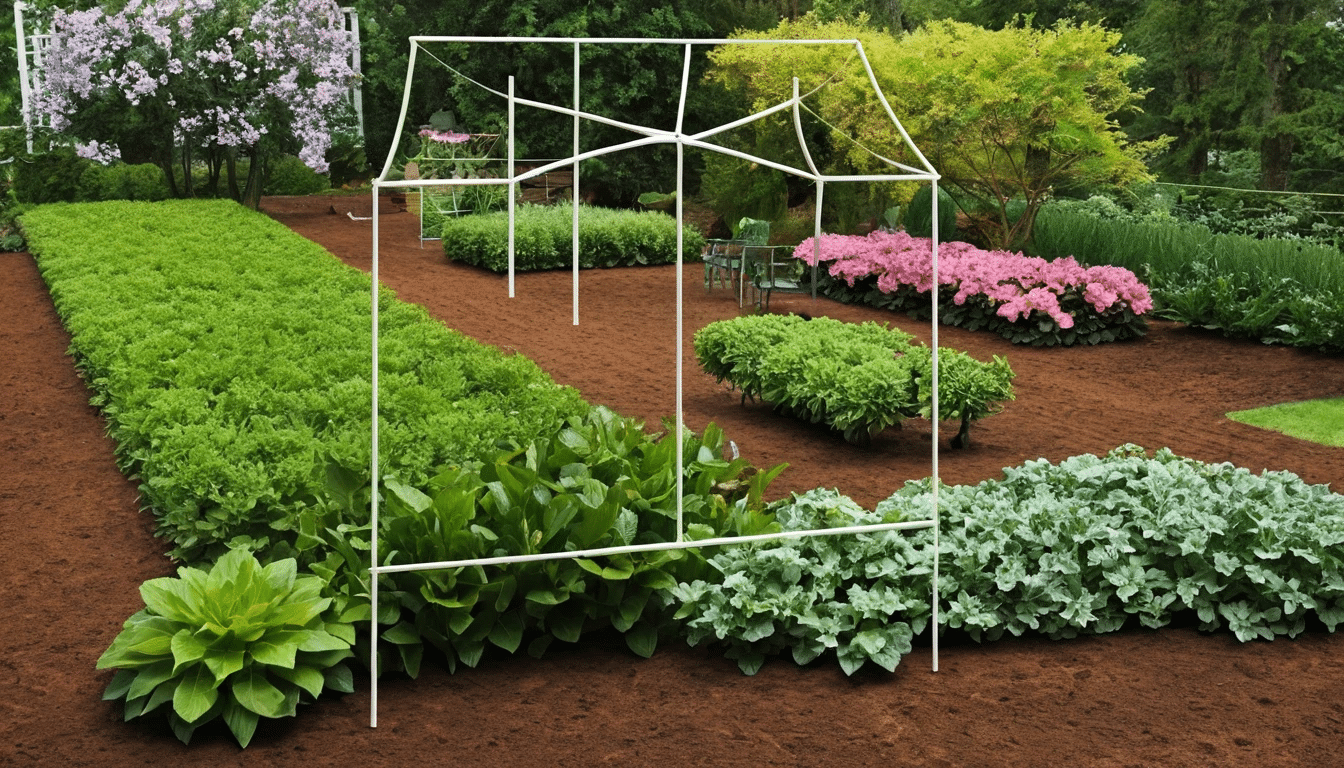
Did you know that 90% of people instinctively prefer landscapes that follow a specific mathematical pattern? This natural preference explains why some outdoor spaces feel perfectly balanced while others seem awkward or chaotic.
The golden ratio is a mathematical principle found throughout nature, from seashell spirals to flower petal arrangements. This 1.618 proportion creates visual harmony that our brains naturally recognize as beautiful. Designers have used this concept for centuries in architecture, art, and landscape planning.
Many gardeners unknowingly apply these principles when they plant in groups of three, five, or eight. These numbers form part of the Fibonacci sequence, which directly relates to the golden proportion. Your eye finds these arrangements pleasing because they mirror patterns seen in the natural world.
Traditional Japanese gardens demonstrate how mathematical proportions create calming environments. These spaces use golden rectangles and ratios to achieve their renowned soothing effects. The combination of precise measurement and aesthetic beauty creates spaces that feel both intentional and natural.
Understanding this design approach empowers anyone to create professional-looking landscapes. You can transform any outdoor area into a balanced, compelling environment. This systematic method removes guesswork while maintaining creative freedom in plant selection and arrangement.
Key Takeaways
- The golden ratio is a mathematical principle (1.618) that creates visual harmony
- This proportion appears throughout nature and has been used in design for centuries
- Many gardeners instinctively use golden ratio principles when planting in groups of 3, 5, or 8
- Japanese gardens exemplify the calming effects of proportional design
- Understanding this concept helps create balanced, professional-looking landscapes
- The approach provides a systematic way to make design decisions
- Mathematical proportion and aesthetic beauty work together seamlessly
Understanding the Golden Ratio and Its Role in Garden Design
From the spirals of seashells to the proportions of the human face, a specific mathematical relationship creates universal appeal. This principle, known as the golden ratio, measures approximately 1.618. It has guided creators for millennia.
The Origins and Mathematical Concepts
Thirteenth-century mathematician Fibonacci introduced this concept to Europe. Ancient Hindu and Moorish cultures already understood its power. The mathematical formula creates perfect balance.
A golden rectangle demonstrates this relationship clearly. When you divide the short side by the long side, it equals the long side divided by the sum of both sides. This creates the formula (A/B) = (B/(A+B)).
Golden Rectangle in Nature and Art
Nature displays this proportion everywhere. Nautilus shells spiral according to these principles. Sunflower seeds arrange themselves using the same mathematical rules.
Great works of art and architecture consistently use this proportion. The Greek Parthenon follows these measurements perfectly. Leonardo da Vinci’s paintings and Salvador Dali’s works incorporate the same ratio.
Humans find this proportion inherently pleasing. Our own bodies reflect these measurements. Facial features often align with golden ratio proportions.
Common objects like credit cards use these dimensions. This shows how familiar we already are with these design concepts. Both mathematical and artistic thinking arrive at the same conclusion.
Applying the golden ratio in gardening
The secret to creating visually harmonious gardens lies in applying time-tested design principles. These methods help organize outdoor spaces in a way that feels naturally balanced.
Working with Proportional Rectangles
Begin your garden design by establishing a proportional rectangle framework. To calculate the short sides, multiply your long side measurement by 0.618. For the opposite calculation, multiply the short side by 1.618 to find the long dimension.
This explains why many flowerbeds measure 5 feet by 8 feet. The mathematical relationship (5/8) equals (8/(5+8)), demonstrating the proportional balance.
Applying Numerical Sequences to Plant Arrangements
The Fibonacci sequence (0, 1, 1, 2, 3, 5, 8, 13…) provides excellent guidance for plant grouping. Each number results from adding the previous two numbers together.
Arrange your plants in clusters of 3, 5, or 8 specimens. This creates visual interest that even-numbered groupings cannot achieve. Many nurseries package bulbs in these numbers because they arrange more attractively.
| Plant Type | Ideal Height | Proportional Relationship |
|---|---|---|
| Tree | 6 feet | Base measurement |
| Shrubs | 4 feet | 0.67 ratio to tree |
| Perennials | 2.5 feet | 0.42 ratio to tree |
Apply these proportional principles to irregular garden shapes by drawing a rectangle around the area. Use the same calculation methods for that boundary.
Step-by-Step Garden Design Process
Creating a professionally designed garden space requires a systematic approach that transforms mathematical concepts into physical layouts. This process ensures your outdoor area achieves natural balance and visual appeal.
Mapping Out the Garden with Proportional Measurements
Begin by calculating your garden bed’s ideal dimensions. Multiply your chosen short side by 1.618 to determine the long side. For example, an 8-foot short side requires a 13-foot long side (8 × 1.618 = 12.9).
Verify your math by checking that the sum of both sides equals the long side multiplied by 1.618. Using our example: (8 + 12.9) = 20.9 feet, which matches (12.9 × 1.618). Metric users can apply the same formula.
For a visual approach, construct the shape geometrically. Draw a square on graph paper. Divide it horizontally and create a diagonal in the upper half. Use a compass to draw an arc from this diagonal. The arc’s highest point determines your rectangle’s extended length.
Translating Math into Aesthetic Plant Arrangements
Once your rectangle is mapped, distribute plants using Fibonacci numbers. Groups of 3, 5, or 8 specimens create naturally pleasing arrangements within the proportional space.
Use this table to guide your plant selection and placement based on proportional relationships to a key feature, like a tree.
| Plant Type | Ideal Grouping Number | Spacing Tip |
|---|---|---|
| Focal Point Tree | 1 (singular) | Place at a key intersection point |
| Medium Shrubs | 3 or 5 | Arrange in triangular patterns |
| Flowering Perennials | 5 or 8 | Cluster for visual impact |
Tools and Techniques for Implementation
Transfer your design to the ground using stakes, string, and a measuring tape. Mark the rectangle’s corners accurately. Remember, close approximations still yield excellent results.
These design tips help you work with existing landscape features. Adjust your measurements slightly to accommodate pathways or established plants. The math provides a framework, not a rigid constraint.
Incorporating Natural and Architectural Elements
Successful garden spaces achieve their appeal through thoughtful integration of architectural components with natural growth patterns. This approach creates environments where every element feels intentionally placed.
Integrating Pathways and Structural Features
Hardscape elements like walkways should follow mathematical patterns. Consider using Fibonacci sequences for paver arrangements. A real-world example features thirty-inch bluestone squares arranged in patterns of 2, 3, and 5.
This creates walkways that reinforce harmony throughout the entire space. The design ensures structural features complement rather than compete with planted areas.
Harmonizing Plant Heights with Golden Proportions
Vertical space management creates pleasing visual relationships. Elevating tree canopies to leave two-thirds open space below mimics human body proportions. This balance between open and full areas creates natural appeal.
In one installation, Boule de Neige rhododendrons were pruned to six-foot heights. Flowering was confined to the upper third. Eight Nikko Blue hydrangeas at four-foot heights created perfect proportional relationships.
Most perennials reached about two-and-a-half feet tall. This completed the three-layer height structure. The approach works in small courtyards or large lots alike.
Conclusion
Garden design becomes remarkably accessible when guided by proportions that resonate with our deepest aesthetic sensibilities. This approach provides both analytical and creative thinkers with a reliable framework for balanced outdoor spaces.
The mathematical principles remove guesswork while preserving personal creativity in plant selection and color choices. You don’t need advanced skills—simple multipliers and grouping numbers like 3, 5, and 8 create professional results.
Start by observing these proportions in your existing garden and in nature. Even one rectangular bed or Fibonacci grouping demonstrates the effectiveness before redesigning entire landscapes.
This method connects your space to centuries of artistic tradition, validating the instincts you’ve always found pleasing. Understanding these principles transforms garden planning from trial-and-error into confident, systematic design.
