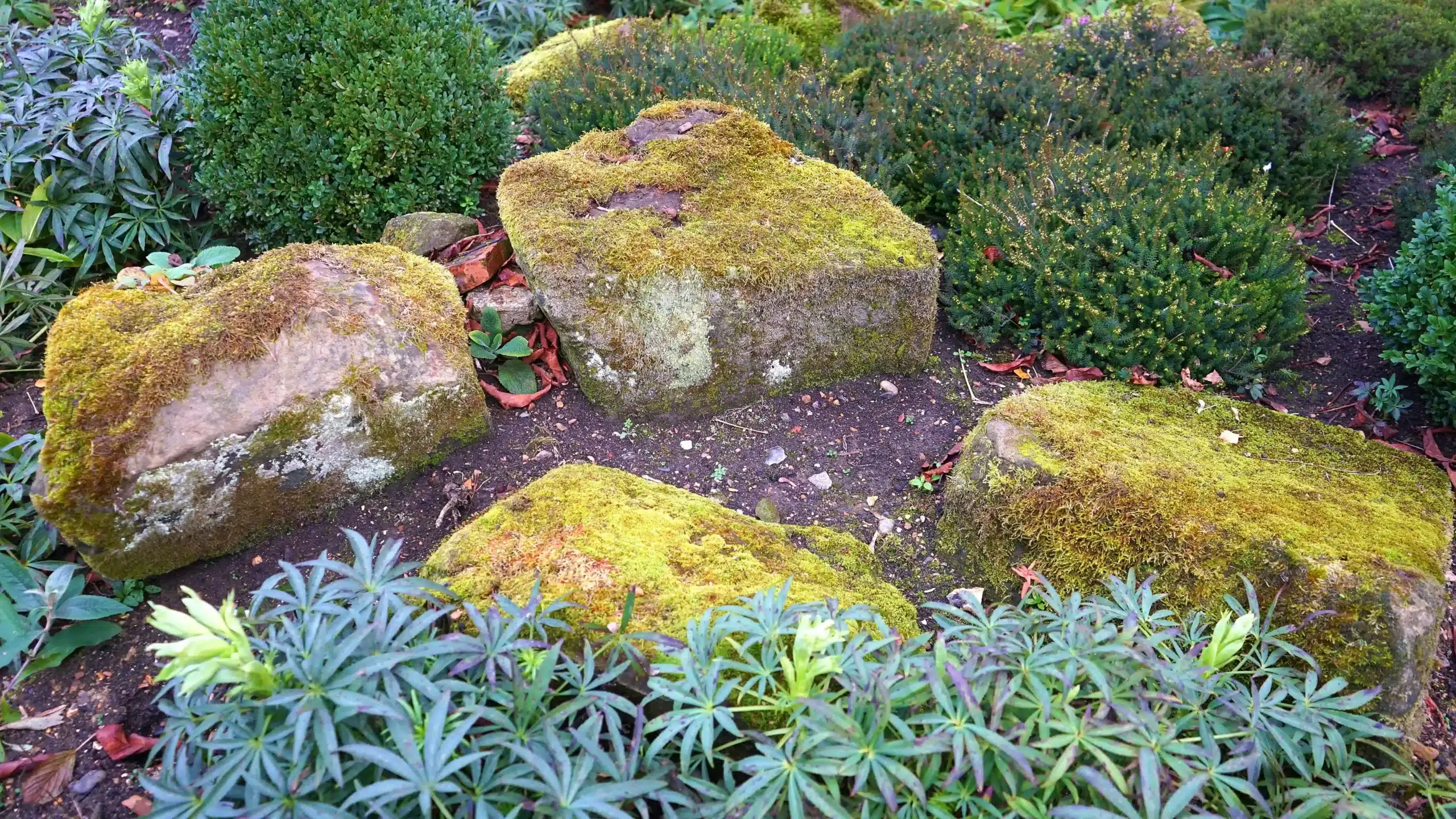
Did you know that your brain naturally prefers odd-numbered arrangements? Studies show that groupings of three, five, or seven elements create more visual harmony than even numbers. This psychological preference forms the foundation of a powerful garden design principle.
Professional landscapers use this approach to craft spaces that feel both intentional and naturally flowing. The concept involves repeating plant clusters in odd quantities. While often called the “rule of three,” it could just as easily be the rule of five or seven.
This design strategy has deep historical roots. John Thomas Smith first described the concept in 1797 while discussing visual balance in painting. Since then, creative fields from literature to interior design have embraced odd-numbered patterns.
The principle works beautifully across various settings. From small front yards to expansive backyard transformations, strategic plant placement creates cohesive outdoor environments. Even container gardening benefits from this approach.
Understanding this framework empowers gardeners at any skill level. It provides a simple method for arranging vegetation that maximizes visual impact. The result is a harmonious space that feels professionally designed yet completely natural.
Key Takeaways
- Odd-numbered plant groupings create more natural-looking garden spaces
- This design principle applies to groups of three, five, seven, or nine plants
- The concept originated in 1797 with visual balance principles in painting
- It works for gardens of all sizes, from small yards to large landscapes
- Both novice and experienced gardeners can use this approach effectively
- Strategic plant placement creates visual harmony and professional results
- The principle has been adopted across multiple creative disciplines
Mastering the rule of 3 in landscaping for Balanced Garden Design
Expert garden designers rely on a simple yet powerful visual trick to create spaces that feel effortlessly beautiful. This technique taps into how we naturally perceive patterns and arrangements.
Understanding the Concept Behind Odd-Number Groupings
Why do professionals favor groupings of three, five, or seven plants? The answer lies in visual perception. Our eye finds it difficult to split an odd number of items directly in half.
This creates a sense of dynamic balance. Contrast this with even numbers, like four or six. These arrangements can be easily divided, making the layout feel rigid and overly planned.
Odd-numbered groupings encourage a natural flow. Your gaze moves smoothly from one plant to the next without getting stuck. This principle of using odd numbers is a cornerstone of effective garden design, as detailed in this guide on the rule of three in gardening.
The effect is a landscape that appears established and organic, not artificial. It achieves harmony in a way that feels spontaneous. Think of it this way: one plant is a feature, two is a pair, but three forms a collection with real visual weight.
This approach keeps the viewer’s eye engaged, exploring the entire garden. It transforms simple plants into a cohesive, visually interesting composition. Understanding this “why” is the first step to mastering the design.
Design Strategies for Grouping Plants and Creating Harmony
Achieving balanced garden compositions requires thoughtful consideration of plant characteristics and placement. The right approach transforms individual specimens into cohesive visual displays.
Choosing Similar Plants for a Natural Look
Select identical plants or varieties with strong similarities. Too much diversity creates a scattered appearance. Similar foliage or growth habits create unified groupings.
Balancing Color, Height, and Texture in Groupings
Color provides the easiest way to create visual unity. Complementary hues naturally connect different species. Consider height and texture for additional harmony.
For example, three ornamental grasses with clumping habits work well together. This approach maintains balance while adding interest.
Incorporating Repetition and Staggered Placements
Avoid straight-line arrangements. Stagger plants in triangular patterns for threes. With five specimens, place three in back and two forward.
Mature perennials often blend into unified masses. The original planting numbers become less noticeable over time.
| Grouping Strategy | Characteristic Focus | Example Plants | Visual Benefit |
|---|---|---|---|
| Color-Based | Flower or foliage hue | Purple coneflower, lavender, salvia | Creates immediate visual cohesion |
| Height-Based | Mature plant size | Ornamental grasses, sedum, coreopsis | Establishes layered depth |
| Texture-Based | Foliage characteristics | Hostas, ferns, coral bells | Adds tactile visual interest |
These strategies work across various garden spaces. Thoughtful grouping creates professional results that feel naturally established.
Practical Applications: Containers, Shrubs, and Garden Features
Even the most compact outdoor areas benefit from thoughtful grouping techniques that create visual harmony. This approach works beautifully across various garden settings and plant types.
Applying the Principle in Container Gardens and Small Spaces
Container arrangements gain significant impact through strategic specimen placement. Try using three plants like echeveria or agave for textural trios.
Stagger groupings of pots in triangular patterns rather than straight lines. This creates natural movement in limited space.
Enhancing Larger Garden Beds and Focal Points
Substantial shrubs can serve as single specimens when they have distinct forms. Position them near gates or path endings for deliberate design.
Ornamental grasses work well in threes for layered depth. This approach maintains appeal over many years as plants mature.
| Application Type | Plant Examples | Arrangement Tips | Visual Benefit |
|---|---|---|---|
| Container Gardens | Three sanseverias, small cacti | Cascade sizes from large to small | Creates cohesive tabletops |
| Shrub Groupings | Boxwood, hydrangea, spirea | Place as focal points in borders | Adds structural interest |
| Garden Features | Ornamental grasses, perennials | Use odd numbers in beds | Establishes natural flow |
These practical tips help transform any outdoor area. The results feel professionally designed yet completely organic.
Conclusion
Creating professional-looking outdoor spaces often comes down to mastering a few fundamental design principles. The preference for odd numbers in plant arrangements taps into how our eye naturally perceives patterns, creating balance and visual harmony.
This approach works beautifully across different scales. Small container gardens benefit from trios of plants, while larger beds can accommodate groups of five or seven. When working with even numbers of purchased specimens, simply divide them into multiple odd-numbered groupings.
Remember that formal garden design sometimes calls for symmetry. Even-numbered arrangements create ordered, geometric layouts. Understanding when to apply—or break—this principle empowers you to create spaces that reflect your personal style.
Experiment with these techniques to transform your outdoor areas into cohesive, engaging environments that feel both intentional and naturally beautiful.
