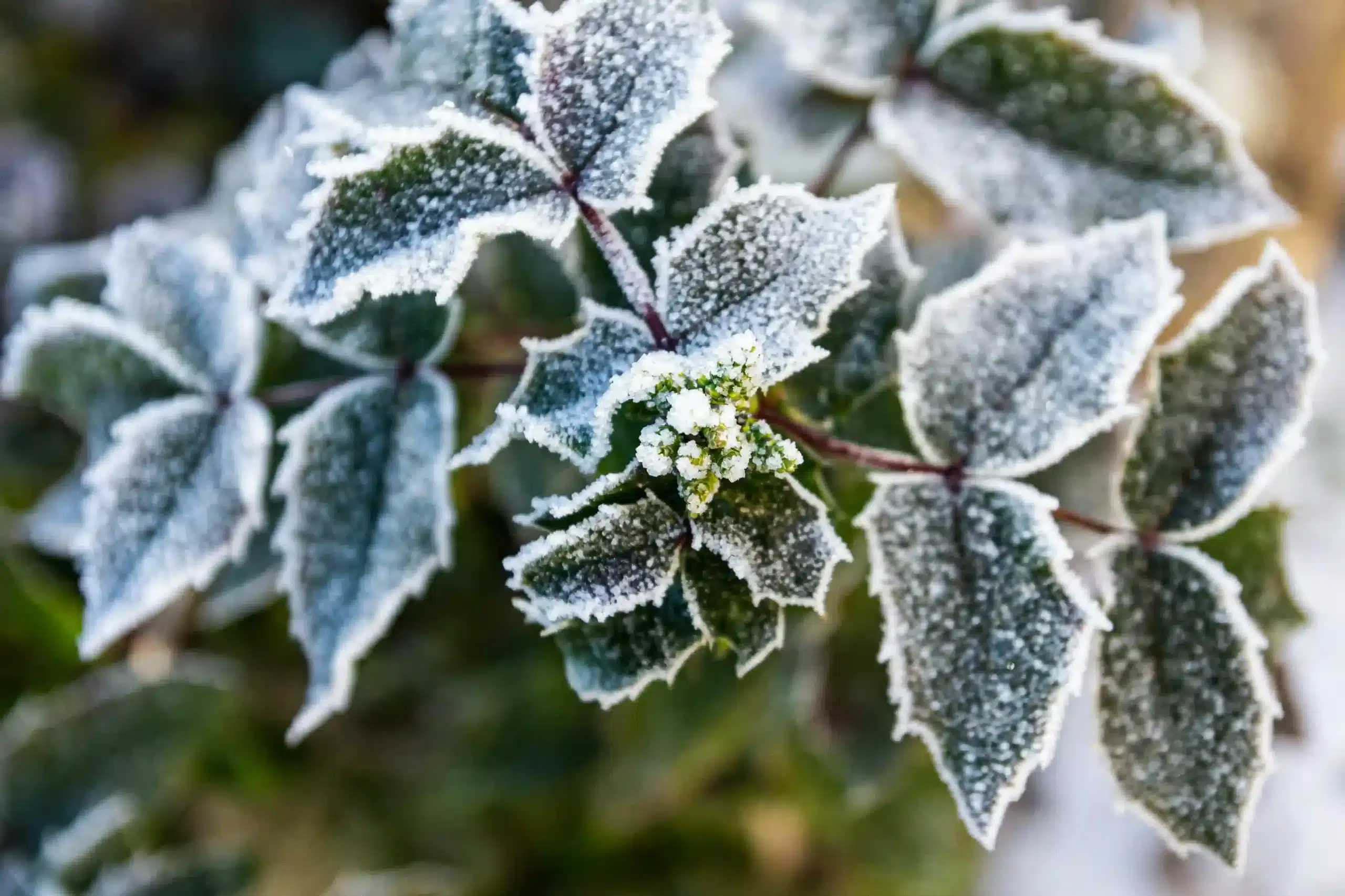
Did you know that over 90% of residential landscapes lose nearly all visual appeal during the coldest months? While most yards become barren and lifeless, your outdoor space can actually become a stunning seasonal showcase.
Strategic selection of cold-hardy specimens transforms dull spaces into captivating displays. Colorful foliage, bright berries, and interesting textures create visual interest when other vegetation goes dormant. This approach ensures your property maintains beauty throughout the entire year.
Our comprehensive guide explores how to cultivate a thriving landscape that shines during freezing temperatures. You’ll discover options ranging from evergreens to flowering shrubs that provide exceptional winter interest. Resources like Proven Winners’ collection of cold-resistant varieties offer excellent starting points.
Proper planning addresses common concerns about cold weather cultivation. From soil preparation to maintenance techniques, we cover everything needed for success. Gardeners of all experience levels can create vibrant outdoor spaces that defy winter’s bleak reputation.
Key Takeaways
- Winter landscapes don’t have to appear barren or lifeless
- Strategic plant selection creates visual interest during cold months
- Colorful foliage, berries, and bark textures provide seasonal appeal
- Proper planning addresses common cold-weather gardening concerns
- Resources exist to help identify suitable cold-resistant varieties
- Gardens can maintain beauty throughout the entire year
- Successful winter gardening requires appropriate soil preparation
Introduction to Winter Gardening
Contrary to popular belief, your outdoor space doesn’t need to fade into the background once temperatures drop. This period offers a unique chance to extend your landscape’s beauty. You can enjoy a functional and visually appealing yard throughout the colder months.
Many people think gardens must sleep after the first frost. This is a common misunderstanding. Numerous species actually thrive in cool weather conditions. They provide stunning ornamental value when most other vegetation is dormant.
The secret to a successful cold-weather landscape lies in smart selection. You need to choose specimens that can handle freezing temperatures. These choices will still offer color, texture, and structure. Your garden becomes a peaceful retreat during a time when outdoor moments are more special.
Planning for this season requires a different approach than spring or summer projects. Focus shifts to structural elements, evergreen foliage, and hardy selections. Understanding these differences is the foundation for a rewarding effort.
By embracing this concept, you maintain a connection with nature all year. It transforms the cold season from a gardening break into an active, beautiful time.
| Consideration | Spring/Summer Garden | Cold-Weather Garden |
|---|---|---|
| Primary Focus | Colorful blooms, rapid growth | Structure, texture, evergreen interest |
| Visual Appeal | Flowers and lush foliage | Berries, bark, silhouettes, and foliage |
| Maintenance Needs | Frequent watering, deadheading | Protection from elements, minimal pruning |
Understanding the Charm of a Winter Garden
Winter unveils architectural qualities in plants that summer’s abundance conceals. The season’s minimalist approach highlights structural elements often overlooked during warmer months. Every specimen becomes more significant against stark backdrops.
This landscape showcases ornamental features that other seasons hide. Exfoliating bark reveals intricate patterns. Architectural branching creates striking silhouettes against gray skies. Persistent berries glow with vibrant intensity when most flowers have faded.
Low winter light casts dramatic shadows across outdoor spaces. Frost and snow add magical transformations to seed heads and evergreen needles. These crystalline coatings create temporary artistry that changes daily.
Understanding this seasonal beauty helps gardeners appreciate cold months differently. Color comes from diverse sources beyond blooms. Evergreen foliage provides rich backgrounds. Colorful stems and ornamental grasses sway gracefully in chilly breezes.
Why a Winter Garden is Worth the Effort
Many homeowners overlook the incredible value that cold-season landscaping brings to their property throughout the entire year. While others see barren spaces, you can enjoy continuous visual interest. This approach transforms the coldest months into a time of beauty rather than dormancy.
Exceptional curb appeal stands out when neighboring yards appear empty. Your landscape maintains aesthetic value during months when people spend more time indoors looking out windows. This consistent attractiveness supports property values year-round.
Mental health benefits emerge from having beautiful elements to observe during shorter, darker days. The visual stimulation helps combat seasonal mood changes. Watching birds visit berry-producing shrubs creates peaceful moments of connection with nature.
Local wildlife depends on food sources when natural supplies dwindle. Your thoughtful selections provide crucial nutrition for birds and small animals. This ecological support adds meaningful purpose to your landscaping efforts.
Spring cleanup becomes significantly easier with well-chosen cold-hardy specimens. Many require minimal maintenance and transition smoothly into the new growing season. The initial planning time yields months of effortless enjoyment.
Your expertise shines through when visitors notice your landscape’s vitality during a typically dormant period. This creates opportunities for sharing knowledge with neighbors. The investment demonstrates sophisticated horticultural understanding that pays dividends across all seasons.
Preparing Your Garden for Cold Weather
The key to a thriving cold-weather landscape lies in thoughtful preparation during autumn. Proper groundwork ensures your outdoor space remains vibrant despite harsh conditions. Strategic measures protect your investment and maintain visual appeal.
Soil Preparation and Mulching Techniques
Healthy soil forms the foundation for garden resilience. Proper preparation before freezing temperatures sets the stage for survival. A 2-3 inch layer of mulch provides crucial insulation.
This protective blanket shields roots from damaging freeze-thaw cycles. Organic materials like shredded bark offer excellent protection. They gradually improve soil quality as they decompose.
Protecting Plants from Frost and Wind
Frost protection requires understanding each specimen’s hardiness. Tender varieties need burlap wraps or strategic placement. South-facing walls provide natural shelter from harsh elements.
Wind protection proves equally important as temperature management. Drying winds can desiccate foliage even in moderate cold. Proper placement reduces exposure to the worst winter gusts.
| Protection Type | Best For | Materials Needed | Application Timing |
|---|---|---|---|
| Mulching | Root insulation | Shredded bark, straw | After first hard frost |
| Burlap Wrapping | Tender shrubs | Burlap, stakes | Before freezing temperatures |
| Wind Barriers | Evergreen protection | Burlap screens, fencing | Early autumn |
Consider light exposure when positioning vulnerable specimens. Low winter sun angles create different shadow patterns. Strategic placement maximizes protection while ensuring adequate light for essential growth processes.
Top Winter Plants for Year-Round Interest
The coldest season unveils a secret world of stunning botanical performers. These selections maintain visual appeal when most landscapes fade. They combine evergreen foliage, colorful berries, and structural interest.
Featured Foliage and Berries
Coral Bells (Heuchera) deliver showstopping leaves in purple, silver, and near-black. Their foliage creates rich color accents against snow. This variety thrives in zones 4-9.
Bergenia, nicknamed Pigsqueak, offers thick, glossy leaves. It produces vibrant pink blossoms in late winter. This hardy choice suits zones 4-8 perfectly.
Winterberry Holly bursts with bright red berries that persist for months. These fruits attract birds and provide crucial food. It grows well in zones 3-9.
Seasonal Blooms and Color Accents
Hellebores defy the chill with cup-shaped flowers. They bloom from mid-winter into early spring. Available in many colors, they suit zones 4-9.
Red Twig Dogwood features stems that turn brilliant red. This creates fiery accents against a white backdrop. It is hardy in zones 2-7.
Ornamental grasses like Switch Grass add delicate texture. Their seed heads catch frost beautifully. These elements ensure your garden remains engaging throughout the year.
Exploring Evergreens Versus Deciduous Options
A well-balanced cold-weather garden masterfully combines the permanent presence of evergreens with the seasonal drama of deciduous varieties. This strategic pairing ensures visual interest throughout the entire year.
Evergreen selections maintain their foliage during the coldest months. They provide consistent structure when other vegetation goes dormant. Boxwoods serve as a popular evergreen shrub choice, maintaining excellent color in zones 5-9.
Inkberry Holly offers a native alternative resistant to disease and winter damage. These reliable performers create essential anchors in garden design.
Deciduous plants lose their leaves but reveal stunning winter features. Architectural branching and colorful bark become prominent. Red Twig Dogwood exemplifies this with brilliant stems that create fiery accents.
| Feature | Evergreen Plants | Deciduous Plants |
|---|---|---|
| Winter Foliage | Retain leaves year-round | Lose leaves seasonally |
| Structural Role | Provide constant backdrop | Offer seasonal changes |
| Color Sources | Consistent green foliage | Stem color, berries, bark |
| Winter Interest | Texture and form | Silhouettes and patterns |
| Maintenance | Minimal seasonal care | Reveal new features |
The combination creates layered interest with both consistency and seasonal drama. Understanding this balance helps gardeners design spaces that remain engaging during chilly months.
Expert Tips on Choosing the Best Plant for a Winter Garden
The foundation of successful cold-weather landscaping begins with understanding your specific growing conditions. Your USDA hardiness zone serves as the primary guide for determining which specimens will survive local temperature extremes.
Gardeners in frigid regions should prioritize exceptionally hardy cultivars. These varieties withstand prolonged freezing, heavy snow, and harsh winds. Witch hazel and red twig dogwood offer reliable performance in challenging climates.
Those in milder areas enjoy expanded options. Winter-flowering camellias and early bulbs provide color when most landscapes appear dormant. The best winter choices balance beauty with practical resilience.
“The most successful gardens consider seasonal interest across all twelve months, not just the growing season.”
Select specimens offering multiple seasons of appeal. Look for spring blooms, summer foliage, autumn color, and cold-month structure. This approach maximizes your landscape’s value throughout the year.
Incorporate varying heights from groundcovers to small trees. Layered designs create visual interest from both indoor and outdoor viewpoints. Consider maintenance requirements matching your available time and ability.
| Consideration | Cold Climate Priority | Mild Climate Advantage | Universal Benefit |
|---|---|---|---|
| Hardiness Level | Survival in extreme cold | Expanded variety options | Zone-appropriate performance |
| Seasonal Interest | Structure and berries | Winter flowers and foliage | Year-round visual appeal |
| Maintenance Needs | Wind and snow resistance | Continuous growth care | Appropriate time investment |
| Local Adaptation | Proven track record | Microclimate suitability | Reliable performance data |
Research local cultivar performance beyond zone ratings. Neighborhood gardens and extension services provide valuable insights. The ideal choice combines aesthetic appeal with environmental adaptability.
Providing the Ideal Conditions for Winter Plants
Success with cold-hardy specimens depends heavily on creating the right environmental conditions. Proper placement and soil preparation ensure your landscape thrives despite freezing temperatures.
Sun Exposure and Shade Management
Winter light patterns differ significantly from summer conditions. Lower sun angles and reduced daylight hours affect how specimens receive light.
North Pole Arborvitae thrives in full sun to partial shade across zones 3-8. False Cypress varieties need part sun to full sun for optimal performance. These selections require at least six hours of direct sunlight daily.
Shade-tolerant options like Bergenia prefer part sun to shade conditions. They perform well in north-facing beds or under evergreen canopies. Versatile choices such as Red Twig Dogwood adapt to various light situations.
Watering and Soil Drainage Considerations
Moisture management remains crucial despite cold temperatures. Evergreen varieties continue transpiring through their foliage during mild days.
Soil drainage becomes especially important during freezing conditions. Waterlogged soil that freezes can damage root systems. Well-draining sites are essential for survival.
| Plant Variety | Preferred Light Conditions | USDA Zones | Special Considerations |
|---|---|---|---|
| North Pole Arborvitae | Full sun to partial shade | 3-8 | Needs protection from reflected snow glare |
| Bergenia | Part sun to shade | 3-9 | Tolerates heavy shade under tree canopies |
| False Cypress | Part sun to full sun | 4-8 | Requires consistent light for golden foliage |
| Red Twig Dogwood | Sun or shade | 2-7 | Adaptable to various garden locations |
Proper site assessment before placement ensures each selection receives appropriate conditions. This preparation leads to thriving landscapes despite challenging weather.
Utilizing Textural Contrasts and Foliage Variety
The visual power of a cold-season landscape lies in the deliberate contrast of textures. When color is scarce, the interplay between fine, coarse, soft, and bold elements creates captivating scenes.
Ornamental grasses like Switch Grass provide dynamic movement. Their seed heads catch frost beautifully and sway in chilly breezes. This adds life to otherwise static views.
Fine-textured plants such as False Cypress and Boxwood offer soft, refined appearances. They contrast beautifully with bolder foliage varieties. Coral Bells contribute showstopping leaves in unique colors like purple and silver.
This variety extends beyond texture to include leaf shapes and sizes. From the cabbage-like leaves of Bergenia to conifer needles, the combinations are endless.
Strategic placement guides the eye through the garden. It creates focal points and visual pathways even without blooms.
| Texture Category | Example Plants | Visual Effect | Best Placement |
|---|---|---|---|
| Fine/Soft | False Cypress, Boxwood | Creates soft, feathery backdrops | Mass plantings, borders |
| Bold/Coarse | Bergenia, Coral Bells | Provides strong focal points | Foreground, specimen placements |
| Dynamic/Spiky | Switch Grass, Ornamental Grasses | Adds movement and delicate structure | Mid-border, against solid backgrounds |
Frost and snow accentuate these textural differences. They highlight the delicate structure of grass seed heads. This natural artistry changes daily.
Combining different foliage varieties prevents monotony. It results in sophisticated compositions that remain engaging throughout the season.
Enhancing Your Landscape with Berries and Decorative Stems
Few elements brighten a cold-weather garden more dramatically than colorful berries and decorative stems. These natural features create stunning visual interest when other vegetation goes dormant. They provide essential food sources for wildlife while adding vibrant color to your outdoor space.
Adding Visual Interest with Red Twig Dogwood and Holly
Red Twig Dogwood varieties like Arctic Fire showcase brilliant red stems that intensify as temperatures drop. This fiery display creates striking accents against snow-covered backgrounds. The colored stems also make excellent material for holiday arrangements when cut during the colder months.
Winterberry Holly produces abundant bright red berries that persist through the season. Berry Poppins variety lights up the landscape with its vibrant fruit. These berries offer crucial nutrition for birds while creating stunning visual displays.
Understanding pollination requirements ensures successful berry production. Many holly varieties need both male and female specimens planted nearby. Castle Spire Blue Holly yields vibrant red berries when grown with a male pollinator.
| Plant Variety | Primary Feature | USDA Zones | Special Considerations |
|---|---|---|---|
| Red Twig Dogwood (Arctic Fire) | Brilliant red stems | 2-7 | Stems intensify in cold; suitable for cutting |
| Winterberry Holly (Berry Poppins) | Bright red berries | 3-9 | Requires male pollinator for berry production |
| Castle Spire Blue Holly | Vibrant red berries | 5-7 | Attracts birds; needs male plant nearby |
| Berry Box Pyracomeles | Orange to red berries | 7-9 | Color transition from late fall through winter |
Berry Box Pyracomeles displays orange berries that transition to vibrant red from late fall into the colder season. This color change adds dynamic interest to your garden design. Strategic placement near windows or pathways maximizes enjoyment of these colorful features.
Combining plants with colorful stems and those bearing bright berries creates layered interest. This approach ensures multiple focal points throughout your landscape. The result is a visually engaging outdoor space that shines during challenging weather conditions.
Creative Landscaping Ideas for an Inviting Winter Scene
Strategic design elevates a cold-weather landscape from simple survival to a truly inviting scene. It involves layering specimens with different heights and textures.
Formal elements provide essential structure. Boxwood hedges and Holly borders create elegant garden rooms. These features remain clearly defined even under a blanket of snow.
Naturalized bulb placements offer delightful surprises. Snowdrops and crocus emerge underneath deciduous trees. They signal spring’s approach within the garden.
Foundation plantings with evergreen shrubs beautifully frame your home. This maintains curb appeal throughout the winter. It also provides a green backdrop for colorful berries.
Use low-growing varieties like Bergenia as effective ground cover. They edge pathways and prevent bare, muddy appearances. This adds interest at the soil level.
Position ornamental grasses where their seed heads catch the light. Silhouetting them against snow banks creates dramatic focal points. This adds movement to the scene.
| Design Element | Recommended Specimens | Strategic Placement | Visual Benefit |
|---|---|---|---|
| Structural Borders | Boxwood, Holly | Defining pathways and garden rooms | Clean lines and elegance |
| Naturalized Bulbs | Snowdrops, Crocus | Under deciduous trees | Early color and surprise |
| Foundation Planting | Evergreen shrubs | Along house foundation | Year-round framing and green backdrop |
| Textural Interest | Ornamental grasses | Against snow or evergreen backgrounds | Movement and light-catching silhouettes |
Repeating key varieties throughout the space establishes rhythm. This makes the design feel cohesive rather than scattered. Consider sight lines from indoor viewing points to ensure the best features are visible.
Understanding USDA Hardiness Zones and Weather Impacts
Your geographic location directly determines which varieties will thrive during the coldest months. The USDA Hardiness Zone Map divides North America into distinct regions based on average annual minimum temperatures. This system provides essential guidance for selecting specimens that can survive local conditions.
Matching Plant Varieties to Your Climate
Zone ratings range from zone 2 (extremely cold climates reaching -50°F) to zone 11 (tropical regions). Each zone represents a 10-degree Fahrenheit difference. Understanding your specific zone is the first step toward successful cold-weather gardening.
Different varieties demonstrate remarkable hardiness range differences. Red Twig Dogwood thrives in zones 2-7, making it suitable for very cold climates. Meanwhile, Waxwing Mirror Bush requires zones 9-11 and won’t survive in colder regions.
Microclimates within your property may allow growing specimens rated for slightly warmer zones. Protected south-facing locations or areas near buildings offer temperature advantages. These small pockets can expand your gardening possibilities.
| Zone Range | Temperature Extremes | Sample Cold-Hardy Varieties | Climate Considerations |
|---|---|---|---|
| Zones 2-4 | -50°F to -30°F | Red Twig Dogwood, Siberian Cypress | Consistent cold, heavy snow cover |
| Zones 5-7 | -20°F to 0°F | Coral Bells, Panicle Hydrangea, Pigsqueak | Freeze-thaw cycles common |
| Zones 8-9 | 10°F to 30°F | Winterberry Holly, Arborvitae | Mild winters with occasional frost |
| Zones 10-11 | 30°F to 40°F+ | Tropical varieties only | Minimal temperature variation |
Weather variability within zones affects specimen performance. Regions with consistent cold differ from areas experiencing freeze-thaw cycles. These cycles can damage specimens rated for the same zone.
Some tender specimens unsuitable for cold-winter zones can still be enjoyed as container varieties. Bring them indoors during freezing weather to extend your gardening palette beyond zone limitations. This strategy offers flexibility for gardeners in challenging climates.
Planting Techniques and Ongoing Winter Garden Maintenance
Establishing a resilient cold-season landscape requires mastering specific cultivation methods that extend beyond initial installation. Proper timing separates thriving outdoor spaces from those that merely survive challenging conditions.
Effective Pruning and Mulching Strategies
Fall represents the optimal period for installing most cold-hardy specimens. This timing allows root establishment before ground freezes. Early bloomers like Crocus and Snowdrops need fall placement to undergo necessary chilling.
Pruning approaches differ significantly during colder months. Leave Panicle Hydrangea flowers standing rather than cutting them back. Their dried blooms provide structural interest throughout the season.
Selective pruning of Red Twig Dogwood can harvest colorful stems for indoor arrangements. This practice encourages fresh growth that will provide even brighter color next year. Mulching maintains consistent soil temperatures and moisture levels.
Long-Term Care for Winter Resilience
Protect roots from frost heaving and temperature fluctuations that damage perennials. Ongoing maintenance commitments are generally minimal compared to summer gardens.
Focus primarily on observation during mild days. Check for animal damage and broken branches from snow load. Ensure adequate moisture during dry winter periods.
Understanding which specimens benefit from protection prevents unnecessary work. This ensures vulnerable varieties receive needed care during harsh months while hardy types handle exposure naturally.
Inspiration from Proven Winter Garden Designs
Studying established garden designs provides a shortcut to creating beautiful winter landscapes. Award-winning collections from Proven Winners showcase cultivars specifically bred for superior cold-weather performance. These reliable choices include North Pole Arborvitae, Arctic Fire Red Dogwood, and Berry Poppins Winterberry Holly.
Insights from Garden Writers and Photographers
Garden writer and photographer Janet Loughrey offers valuable insights into successful winter gardens. She emphasizes looking beyond colorful flowers to include structure, evergreen foliage, and attractive bark. Multi-sensory appeal becomes especially important during the coldest time of year.
Photographic inspiration reveals how winter light interacts differently with garden elements. Dramatic shadows, frost highlights, and golden-hour glows create magical effects. These moments transform ordinary landscapes into extraordinary scenes.
The best winter gardens balance evergreen structure with deciduous interest. This combination provides both permanence and seasonal dynamism. Each specimen should serve multiple purposes throughout the year.
Expert insights also highlight the importance of fragrance in garden design. Plants like Sweet Box and Witch Hazel offer powerful scents that seem remarkable during cold months. Learning from established designs helps avoid common mistakes like overcrowding or improper placement.
Conclusion
Your landscape can remain a vibrant sanctuary even as temperatures plummet. The initial effort pays lasting dividends, transforming the coldest season from a barren period into one of unique beauty and structure.
A thoughtful selection of specimens ensures continuous interest. This includes evergreen shrubs for form, perennials with colorful foliage, and varieties offering bright berries or decorative stems.
Success hinges on understanding your local conditions and choosing options that thrive in your specific zones. Whether your space receives full sun or shade, appropriate choices exist to create a captivating scene.
From the late fall color of certain shrubs to the brave blooms that appear in late winter, a well-planned garden provides a dynamic display. Discover inspiring options among the best flowering plants for winters.
By embracing this approach, you cultivate an outdoor space that offers comfort and visual appeal throughout the challenging months. Your garden becomes a testament to year-round gardening passion.
