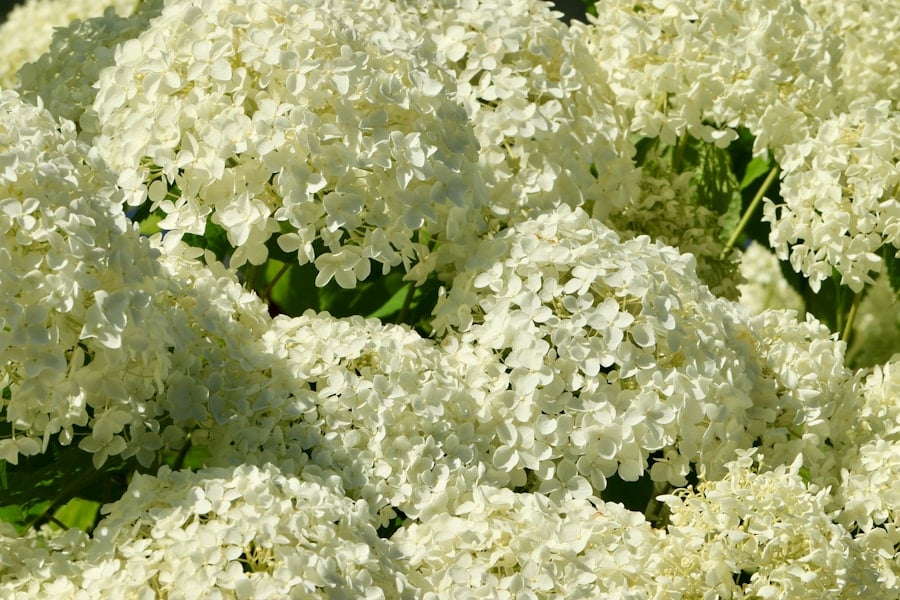
As I wander through my garden, I often find myself captivated by the delicate beauty of white flowering herbs. These plants, with their ethereal blooms, not only add a touch of elegance to any landscape but also serve a multitude of purposes. White flowering herbs have been cherished for centuries, both for their aesthetic appeal and their practical uses.
From culinary delights to medicinal remedies, these herbs are a treasure trove of benefits waiting to be explored. The allure of white flowers is undeniable; they evoke a sense of purity and tranquility.
Whether I am tending to my plants or simply enjoying their presence, the sight of white blooms swaying gently in the breeze brings me immense joy. In this article, I will delve into the many advantages of incorporating white flowering herbs into my garden, explore popular varieties, and share tips on how to care for them effectively. Visit Our Site for more information about our products.
Key Takeaways
- White flowering herbs add a touch of elegance and tranquility to any garden
- White flowering herbs attract beneficial insects and pollinators to your garden
- Popular varieties of white flowering herbs include white lavender, white sage, and white yarrow
- White flowering herbs require well-drained soil and plenty of sunlight for optimal growth
- Incorporate white flowering herbs into your garden design by planting them in clusters or using them as borders for pathways
Benefits of White Flowering Herbs in Your Garden
One of the most significant benefits of white flowering herbs is their ability to attract beneficial pollinators. As I observe bees and butterflies flitting from flower to flower, I am reminded of the vital role these creatures play in our ecosystem. By planting white flowering herbs, I not only enhance the beauty of my garden but also contribute to the health of the environment.
These herbs serve as a food source for pollinators, helping to sustain their populations and promote biodiversity. In addition to attracting pollinators, white flowering herbs can also serve as natural pest repellents. Many of these plants possess aromatic properties that deter unwanted insects while inviting beneficial ones.
For instance, I have found that planting white flowering herbs like catnip and chamomile helps keep pests at bay without resorting to chemical pesticides. This natural approach not only protects my plants but also ensures that my garden remains a safe haven for wildlife.
Popular Varieties of White Flowering Herbs
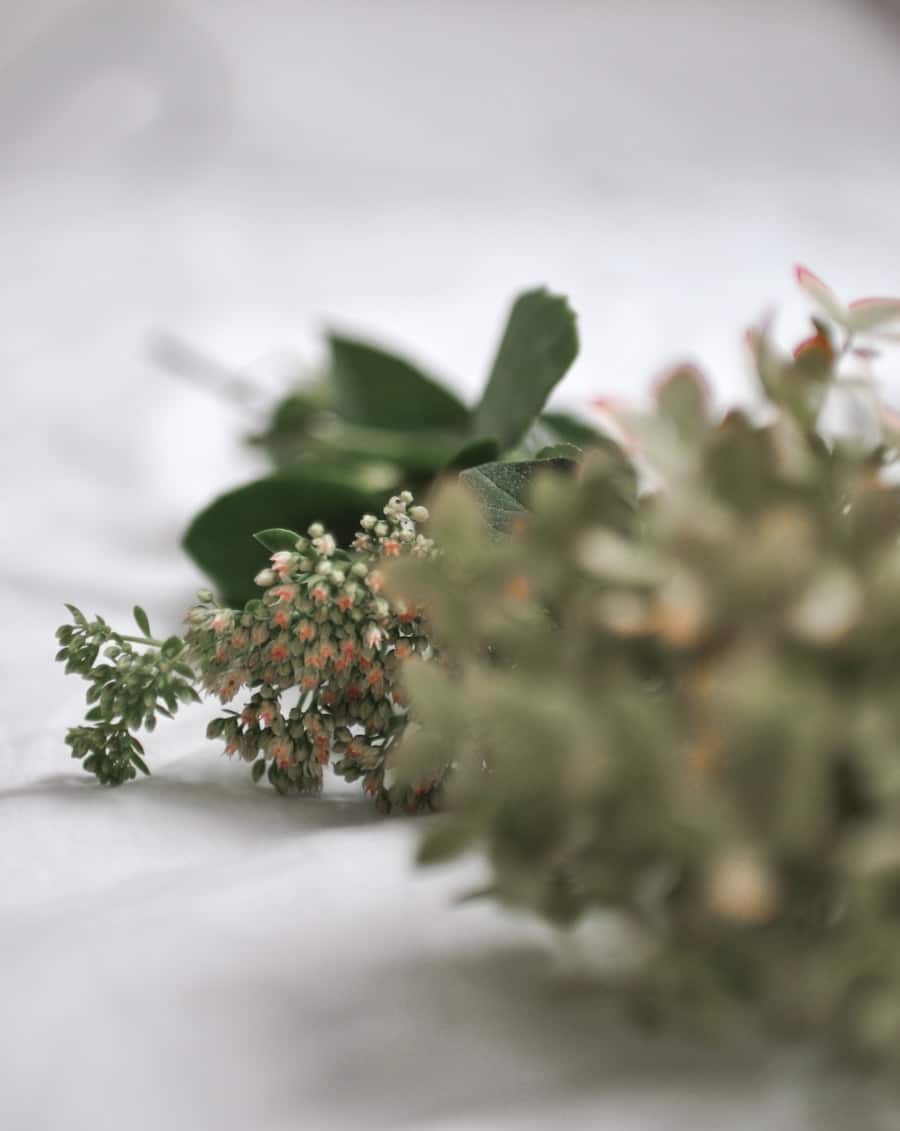
As I explore the world of white flowering herbs, I am continually amazed by the variety available. One of my favorites is the classic chamomile, known for its dainty white flowers and soothing properties. The gentle scent of chamomile fills the air as it blooms, reminding me of warm summer evenings spent sipping herbal tea.
This herb is not only beautiful but also offers numerous health benefits, making it a staple in my garden. Another delightful variety is the sweet alyssum, which produces clusters of tiny white flowers that create a carpet-like effect in my garden beds. The fragrance of sweet alyssum is intoxicating, attracting both pollinators and passersby alike.
I often use this herb as a border plant, where its low-growing habit complements taller plants beautifully. Additionally, I have found that sweet alyssum thrives in various conditions, making it an easy choice for any gardener.
How to Care for White Flowering Herbs
| Herb | Watering | Light | Soil | Pruning |
|---|---|---|---|---|
| Rosemary | Once a week | 6-8 hours of sunlight | Well-draining soil | Regularly to maintain shape |
| Lavender | Every 2 weeks | Full sunlight | Sandy or loamy soil | After flowering to promote new growth |
| Thyme | When soil is dry | Full sunlight | Well-draining soil | Regularly to prevent woody growth |
Caring for white flowering herbs requires attention to their specific needs, but the rewards are well worth the effort. One essential aspect of their care is ensuring they receive adequate sunlight. Most white flowering herbs thrive in full sun, so I make it a point to plant them in areas that receive at least six hours of direct sunlight each day.
This not only promotes healthy growth but also encourages abundant blooming. Watering is another critical factor in maintaining the health of my white flowering herbs. While these plants generally prefer well-drained soil, they still require consistent moisture, especially during dry spells.
I have learned to monitor the soil’s moisture levels closely and water accordingly, ensuring that my herbs remain hydrated without becoming waterlogged. Additionally, I find that mulching around the base of the plants helps retain moisture and suppress weeds, making my gardening tasks more manageable.
Design Ideas for Incorporating White Flowering Herbs into Your Garden
Incorporating white flowering herbs into my garden design has been an exciting journey filled with creativity and inspiration. One approach I enjoy is creating a monochromatic theme by pairing white flowering herbs with other plants that feature varying shades of green foliage. This combination allows the white blooms to stand out while providing a lush backdrop that enhances their beauty.
Another design idea I love is using white flowering herbs as focal points in my garden beds. By grouping several plants together, I can create a stunning display that draws the eye and invites exploration.
Additionally, I find that incorporating pathways or stepping stones around these clusters encourages visitors to meander through my garden and appreciate the delicate blooms up close.
Companion Planting with White Flowering Herbs
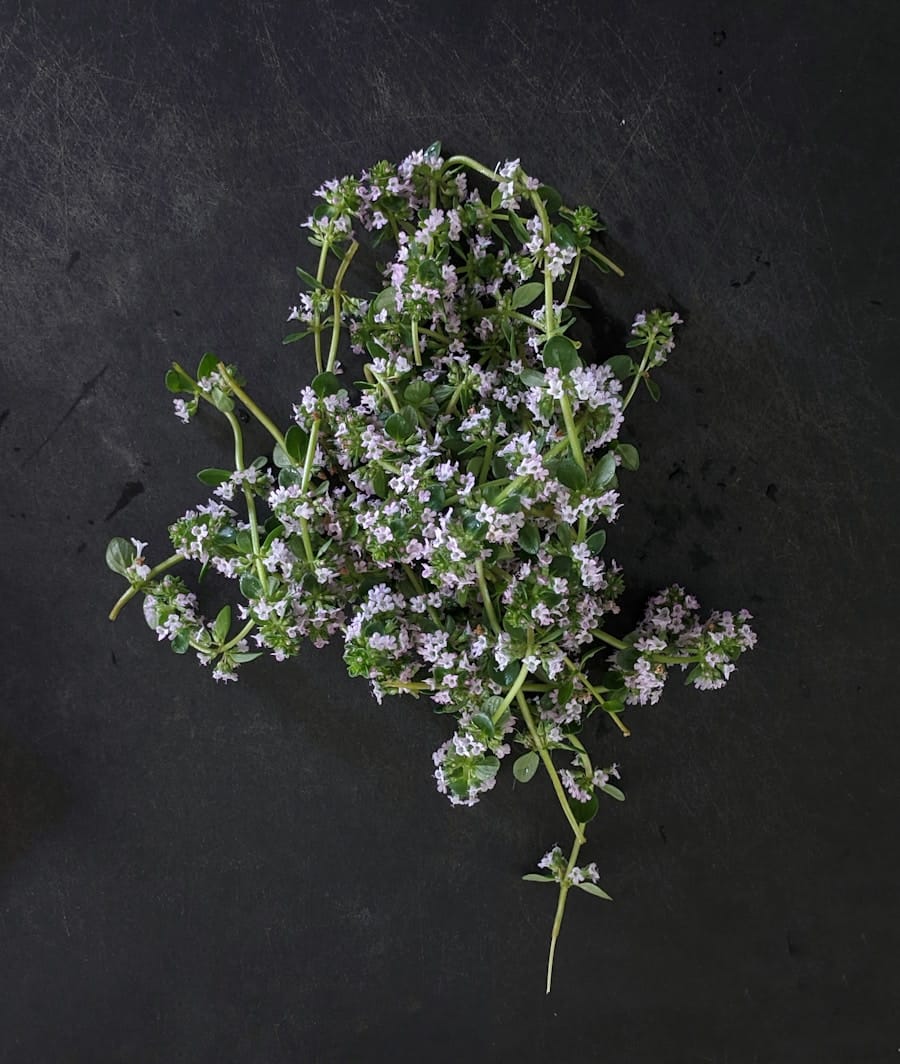
Companion planting is an essential practice in my gardening routine, and white flowering herbs play a significant role in this strategy. By planting these herbs alongside other vegetables and flowers, I can create a harmonious ecosystem that promotes growth and deters pests. For example, I have discovered that planting chamomile near my vegetable crops enhances their flavor while attracting beneficial insects that help control pests.
Another effective companion planting strategy involves using white flowering herbs like catnip or mint to repel unwanted insects from nearby plants. These aromatic herbs emit scents that deter pests such as aphids and beetles while attracting beneficial pollinators like ladybugs and lacewings. By strategically placing these herbs throughout my garden, I can create a balanced environment that supports healthy plant growth and minimizes pest issues.
Using White Flowering Herbs for Culinary and Medicinal Purposes
The versatility of white flowering herbs extends beyond their ornamental value; they also offer numerous culinary and medicinal uses that I have come to appreciate deeply. For instance, chamomile is not only a beautiful addition to my garden but also a key ingredient in soothing herbal teas. The calming properties of chamomile make it an excellent choice for promoting relaxation and aiding digestion.
In addition to chamomile, I have found that other white flowering herbs like dill and parsley can enhance my culinary creations. Dill’s feathery leaves and delicate flowers add a fresh flavor to salads and fish dishes, while parsley serves as a versatile garnish that brightens up any plate. By incorporating these herbs into my cooking, I can elevate simple meals into delightful culinary experiences.
Tips for Maintaining a Beautiful White Flowering Herb Garden
Maintaining a beautiful white flowering herb garden requires dedication and attention to detail, but the rewards are immeasurable. One crucial tip I have learned is to regularly deadhead spent blooms to encourage continuous flowering throughout the growing season. By removing faded flowers, I can redirect the plant’s energy toward producing new blooms rather than setting seeds.
Another essential aspect of maintenance is monitoring for pests and diseases. While white flowering herbs are generally resilient, they can still fall victim to common garden pests like aphids or spider mites. I make it a point to inspect my plants regularly for any signs of trouble and take action promptly if needed.
Whether it’s introducing beneficial insects or using organic pest control methods, staying vigilant helps ensure the health and beauty of my herb garden. In conclusion, cultivating white flowering herbs has enriched my gardening experience in countless ways. From their aesthetic appeal to their practical benefits, these plants have become an integral part of my outdoor sanctuary.
By understanding their care requirements, exploring design ideas, and utilizing them for culinary and medicinal purposes, I have created a thriving garden that brings me joy year after year. As I continue to nurture my collection of white flowering herbs, I look forward to discovering new varieties and expanding my knowledge about these remarkable plants.
If you are interested in learning more about herbs with white flowers, you may want to check out this article on how to repot aloe plants. Aloe is a versatile plant that is not only easy to care for but also has beautiful white flowers that can add a touch of elegance to any garden. This article provides step-by-step instructions on how to properly repot your aloe plant to ensure it continues to thrive and produce its lovely white blooms.
FAQs
What are some examples of herbs with white flowers?
Some examples of herbs with white flowers include chamomile, yarrow, feverfew, valerian, and white sage.
What are the benefits of growing herbs with white flowers?
Herbs with white flowers can attract beneficial insects to your garden, provide a calming and serene aesthetic, and some may also have medicinal properties.
How do I care for herbs with white flowers?
Herbs with white flowers generally require well-drained soil, adequate sunlight, and regular watering. It’s important to research the specific care requirements for each herb, as they may vary.
Can herbs with white flowers be used for culinary purposes?
Yes, some herbs with white flowers, such as chamomile and yarrow, can be used in cooking and herbal teas. However, it’s important to ensure that the herb is safe for consumption and to use it in moderation.
Are herbs with white flowers easy to grow?
Many herbs with white flowers are relatively easy to grow, making them a great choice for beginner gardeners. However, it’s important to research the specific needs of each herb and provide the appropriate growing conditions.
