Zone 4 is characterized by a temperate climate with cold winters and moderate summers, making it essential for gardeners to understand the specific shade conditions that exist within this zone. The USDA Plant Hardiness Zone Map classifies Zone 4 as having average annual minimum temperatures ranging from -30°F to -20°F (-34°C to -29°C). This means that during the winter months, plants must be resilient enough to withstand harsh frosts and snow.
Shade in Zone 4 can be categorized into three primary types: full shade, partial shade, and dappled shade. Full shade refers to areas that receive less than four hours of direct sunlight per day, while partial shade receives between four to six hours. Dappled shade occurs when sunlight filters through the leaves of taller trees, creating a mosaic of light and shadow.
Understanding these conditions is crucial for selecting the right plants. In full shade, the soil tends to retain moisture longer, which can lead to different challenges compared to areas with more sunlight. The competition for nutrients can also be more intense in shaded areas, as tree roots often spread out widely.
Therefore, gardeners must consider not only the light conditions but also the soil type, moisture levels, and the overall microclimate created by surrounding structures or vegetation. This knowledge allows for better planning and selection of plants that will thrive in these unique environments.
Key Takeaways
- Zone 4 shade conditions are characterized by limited sunlight and cooler temperatures, making it important to choose plants that thrive in these conditions.
- Shade loving plants are essential for Zone 4 gardens as they can add color, texture, and interest to areas with limited sunlight, creating a lush and inviting atmosphere.
- Top 5 perennial shade plants for Zone 4 include hostas, astilbes, ferns, bleeding hearts, and coral bells, which are known for their ability to thrive in shady environments.
- Best annual shade plants for Zone 4 gardens include impatiens, begonias, coleus, fuchsia, and lobelia, which can add seasonal color and variety to shaded areas.
- Creating a beautiful shade garden in Zone 4 involves selecting a variety of shade loving plants, incorporating different textures and heights, and adding elements such as pathways, seating areas, and decorative accents to enhance the overall aesthetic.
Importance of Choosing Shade Loving Plants for Zone 4 Gardens
Selecting shade-loving plants for Zone 4 gardens is vital for several reasons. Firstly, these plants are specifically adapted to thrive in low-light conditions, ensuring that they will flourish where other plants may struggle or fail. By choosing the right species, gardeners can create a vibrant and lush landscape that enhances the beauty of shaded areas.
Additionally, shade-loving plants often have unique foliage and flowers that can add texture and color to a garden, even in the absence of direct sunlight. Moreover, incorporating shade-loving plants into a garden can help improve biodiversity. Many native species are adapted to local conditions and provide essential habitats for various wildlife, including pollinators like bees and butterflies.
By planting these species, gardeners contribute to the ecological health of their area while also creating a visually appealing environment. Furthermore, shade gardens can serve as a refuge during hot summer months, providing cooler spaces for both people and wildlife alike.
Top 5 Perennial Shade Plants for Zone 4
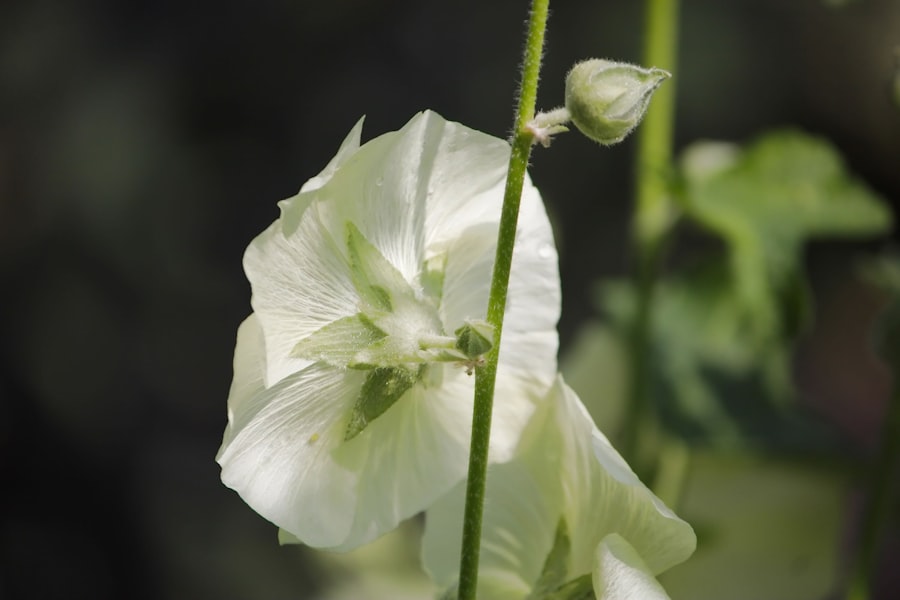
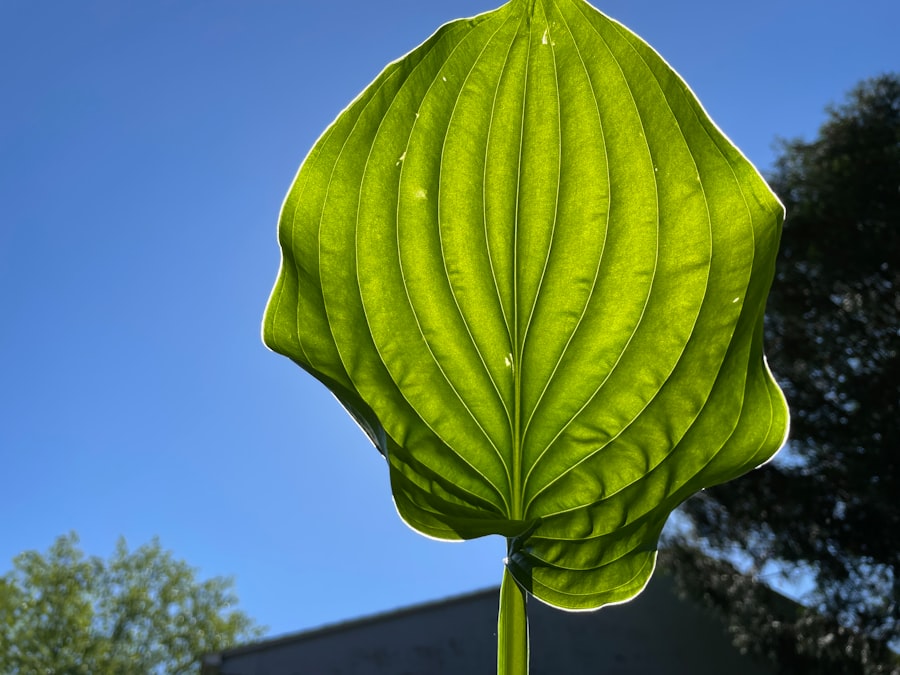
When it comes to perennial shade plants suitable for Zone 4, several species stand out due to their hardiness and aesthetic appeal. One of the top choices is the **Hosta**, known for its lush foliage and variety of leaf colors and textures. Hostas thrive in full to partial shade and can tolerate a range of soil types, making them versatile additions to any garden.
Their large leaves create a dramatic effect, and they produce lovely flowers in summer that attract pollinators. Another excellent option is the **Astilbe**, which offers feathery plumes of flowers in shades of pink, white, and red during the summer months.
Astilbe prefers moist soil and can thrive in full shade or partial shade conditions.
Its vibrant blooms contrast beautifully with its fern-like foliage, adding depth and interest to shaded areas. The **Pulmonaria**, or lungwort, is another perennial that excels in shady environments. With its spotted leaves and early spring flowers that range from blue to pink, Pulmonaria provides early-season color when many other plants are still dormant.
It thrives in moist, well-drained soil and can spread over time, making it an excellent ground cover option. **Brunnera macrophylla**, commonly known as Siberian Bugloss or False Forget-Me-Not, is also a fantastic choice for Zone 4 gardens. This perennial features heart-shaped leaves and clusters of small blue flowers that bloom in spring.
It prefers partial to full shade and moist soil conditions, making it ideal for woodland gardens. Lastly, **ferns** such as the **Ostrich Fern** (Matteuccia struthiopteris) are perfect for adding texture to shaded areas. These ferns thrive in moist, rich soils and can grow quite large, creating a lush backdrop for other shade-loving plants.
Their feathery fronds add an elegant touch to any garden design.
Best Annual Shade Plants for Zone 4 Gardens
In addition to perennials, annuals can also play a significant role in enhancing the beauty of shade gardens in Zone 4. One popular choice is the **Impatiens**, which are renowned for their vibrant blooms that come in various colors including red, pink, white, and purple. Impatiens thrive in full shade to partial shade and are perfect for adding splashes of color throughout the growing season.
They prefer well-drained soil and regular watering to keep their roots hydrated. Another excellent annual option is **Coleus**, which is celebrated for its stunning foliage rather than its flowers. Coleus plants come in a wide array of colors and patterns, making them ideal for creating visual interest in shady spots.
They thrive in partial shade and require consistent moisture to maintain their vibrant colors. **Begonias** are also well-suited for Zone 4 shade gardens. With their waxy leaves and colorful blooms, begonias can brighten up even the shadiest corners of a garden.
They prefer well-drained soil and can tolerate varying light conditions from full shade to partial sun. **Caladiums** are another striking choice for shaded areas. Known for their large, heart-shaped leaves adorned with vibrant patterns of green, pink, or white, caladiums thrive in warm weather and prefer moist soil conditions.
They are particularly effective when planted en masse for a dramatic effect. Lastly, **Torenia**, or wishbone flower, is an excellent annual that flourishes in shady environments. With its unique tubular flowers that come in shades of blue, purple, and white, Torenia adds charm to any garden setting.
It prefers consistently moist soil and partial shade conditions.
Creating a Beautiful Shade Garden in Zone 4
Creating a beautiful shade garden in Zone 4 requires careful planning and consideration of various factors such as plant selection, layout, and maintenance practices. The first step is assessing the light conditions throughout the day to determine which areas receive full shade versus partial shade. This assessment will guide plant selection and placement within the garden.
Once light conditions are understood, gardeners should consider incorporating layers into their design. Taller plants like ferns or astilbe can be placed at the back or center of beds, while shorter plants like hostas or pulmonaria can fill in the front or edges. This layering creates depth and visual interest while ensuring that all plants receive adequate light.
In addition to plant selection, incorporating hardscape elements such as pathways or seating areas can enhance the overall aesthetic of a shade garden. Using natural materials like stone or wood can create a harmonious look that blends with the surrounding environment. Adding decorative elements such as garden sculptures or birdbaths can also provide focal points within the garden.
Finally, incorporating mulch around plants helps retain moisture while suppressing weeds, contributing to a healthier garden environment. Organic mulches like shredded bark or wood chips not only improve soil quality as they decompose but also enhance the visual appeal of the garden.
Tips for Maintaining Shade Loving Plants in Zone 4
Maintaining shade-loving plants in Zone 4 requires attention to specific needs related to moisture levels, soil quality, and pest management. One critical aspect is ensuring adequate moisture since shaded areas can retain water longer than sunny spots. Regular watering is essential during dry spells; however, it’s important not to overwater as this can lead to root rot or fungal diseases.
Soil quality plays a significant role in plant health as well. Conducting a soil test can help determine pH levels and nutrient content, allowing gardeners to amend the soil accordingly with organic matter such as compost or well-rotted manure. This not only improves drainage but also provides essential nutrients that support healthy growth.
Pest management is another important consideration when maintaining shade gardens. While shaded areas may have fewer pests than sunny spots due to lower temperatures, issues such as slugs or snails can still arise. Implementing barriers like copper tape or using organic deterrents can help manage these pests effectively without harming beneficial insects.
Regular pruning is also beneficial for many perennial shade plants; removing dead or damaged foliage encourages new growth and improves air circulation around plants. Additionally, dividing perennials every few years helps prevent overcrowding while promoting healthier root systems.
Incorporating Shade Plants into Existing Zone 4 Landscapes
Incorporating shade plants into existing landscapes in Zone 4 can rejuvenate tired garden spaces while enhancing biodiversity. One effective approach is identifying underutilized areas within the landscape that receive limited sunlight due to nearby trees or structures. These spaces can be transformed into vibrant shade gardens by selecting appropriate plants that thrive under such conditions.
When integrating new plants into an established landscape, it’s essential to consider existing plant relationships and spacing requirements. For instance, if there are larger trees providing significant shade, selecting smaller understory plants like ferns or ground covers will ensure they don’t compete aggressively with established flora. Another strategy involves layering new plantings among existing ones to create a more natural look while maximizing space utilization.
For example, planting hostas around the base of larger shrubs can create an appealing transition between different heights while filling gaps in the landscape. Additionally, using containers filled with annuals or perennials allows for flexibility in design while providing opportunities for seasonal color changes without permanent alterations to the landscape. Containers can be strategically placed along pathways or near seating areas where they will receive filtered light.
Designing a Low-Maintenance Shade Garden in Zone 4
Designing a low-maintenance shade garden in Zone 4 involves selecting hardy plants that require minimal care while still providing visual interest throughout the seasons. One key strategy is choosing native species that are well-adapted to local conditions; these plants typically require less water and fertilizer than non-native varieties. Incorporating ground covers such as **Creeping Jenny** (Lysimachia nummularia) or **Vinca minor** (periwinkle) can help suppress weeds while providing attractive foliage year-round.
These low-growing plants spread quickly and fill empty spaces without demanding much attention once established. Utilizing mulch not only conserves moisture but also reduces weed growth significantly; organic mulches break down over time, enriching the soil while maintaining an aesthetically pleasing appearance throughout the growing season. Another aspect of low-maintenance design is selecting perennials with longer blooming periods or those that provide visual interest through foliage alone—such as ornamental grasses or variegated hostas—reducing the need for frequent replanting each year.
Finally, grouping plants with similar water needs together allows for more efficient irrigation practices; this minimizes water waste while ensuring all plants receive adequate hydration without excessive effort on behalf of the gardener.
Choosing the Right Shade Plants for Different Types of Shade in Zone 4
Choosing the right shade plants for different types of shade within Zone 4 requires an understanding of how varying light conditions affect plant growth and health. For full shade areas where sunlight is scarce—receiving less than four hours of direct light—plants like **ferns**, **hostas**, and **Pulmonaria** excel due to their ability to thrive without much light exposure. In partial shade—where plants receive four to six hours of sunlight—options expand significantly; species such as **Astilbe**, **Torenia**, and **Coleus** perform well under these conditions while benefiting from some direct sunlight during parts of the day.
Dappled shade presents unique opportunities as well; this type of light allows for more diverse plant selections since many species enjoy filtered sunlight throughout the day. Plants like **Brunnera macrophylla** or **Japanese painted fern** (Athyrium niponicum) thrive beautifully under these conditions. Understanding these distinctions helps gardeners make informed decisions about plant placement within their landscapes; grouping similar light-requirement species together not only enhances overall aesthetics but also promotes healthier growth patterns by minimizing competition among plants with differing needs.
Shade Plants for Zone 4 that Attract Wildlife
Incorporating shade plants into gardens not only enhances beauty but also supports local wildlife populations by providing essential habitats and food sources. Many native species thrive in shaded environments while attracting beneficial insects such as bees and butterflies; this creates a thriving ecosystem within your garden space. For instance, **Astilbe** produces nectar-rich flowers that attract pollinators during summer months; similarly, **Brunnera macrophylla** offers early-season blooms that serve as vital food sources when other flowers have yet to emerge.
Ferns also play an important role by providing shelter for various small creatures; their dense foliage creates microhabitats where insects can find refuge from predators while contributing to overall biodiversity within shaded landscapes. Additionally, incorporating berry-producing shrubs like **Elderberry** (Sambucus canadensis) into partially shaded areas provides food sources for birds during fall months; these shrubs thrive well under tree canopies while offering seasonal interest through both flowers and fruit production.
By thoughtfully selecting shade-loving plants that attract wildlife into your garden design—whether through nectar-rich blooms or berry-producing shrubs—you contribute positively towards local ecosystems while enjoying enhanced beauty within your own outdoor space.
The Benefits of Shade Plants in Zone 4 Gardens
The benefits of incorporating shade plants into Zone 4 gardens extend beyond mere aesthetics; these plants play crucial roles in promoting ecological balance while enhancing overall garden health. One significant advantage is their ability to improve soil quality through natural processes such as leaf litter decomposition; fallen leaves from trees provide organic matter that enriches soil over time—benefiting both existing flora as well as newly planted species. Shade plants also help regulate temperature within gardens by providing cooling effects during hot summer months; this creates comfortable microclimates where both people and wildlife can seek refuge from extreme heat—ultimately contributing towards energy conservation efforts by reducing reliance on air conditioning systems indoors.
Furthermore, shaded areas often require less water than sun-drenched spaces due to reduced evaporation rates; this makes them more sustainable options for gardeners looking to conserve resources while still enjoying vibrant landscapes filled with life. In addition to environmental benefits associated with planting strategies focused on shaded areas—such as improved biodiversity—these gardens offer opportunities for relaxation and enjoyment amidst nature’s beauty; creating tranquil spaces where individuals can unwind away from bustling urban environments fosters mental well-being while encouraging deeper connections with nature itself. By understanding how best to utilize available resources within shaded environments—whether through thoughtful plant selection or strategic design choices—gardeners can cultivate thriving ecosystems that benefit both themselves and surrounding wildlife alike.
If you’re looking to boost the growth of your shade-loving plants in Zone 4 gardens, consider using organic fertilizers like those recommended in this article. These fertilizers can provide essential nutrients to help your plants thrive in low-light conditions. Additionally, if you’re growing onions and garlic in your garden, you can enhance your harvest with the best fertilizer options outlined in this article. Understanding when to harvest hardneck garlic is also crucial for a successful harvest, so be sure to check out this complete guide for helpful tips and information.
FAQs
What are Zone 4 shade loving plants?
Zone 4 shade loving plants are plants that are well-suited to growing in USDA hardiness zone 4 and can thrive in shaded or partially shaded areas.
What are some examples of Zone 4 shade loving plants?
Some examples of Zone 4 shade loving plants include hostas, ferns, astilbes, bleeding hearts, and coral bells.
What are the best shade plants for Zone 4 gardens?
The best shade plants for Zone 4 gardens are those that are specifically suited to the climate and growing conditions of this zone, such as lungwort, foamflower, Japanese painted fern, and Jacob’s ladder.
How do I care for Zone 4 shade loving plants?
To care for Zone 4 shade loving plants, it is important to provide them with the right amount of water, soil, and light conditions. Additionally, regular maintenance such as pruning and fertilizing may be necessary to ensure their health and growth.
Can Zone 4 shade loving plants tolerate cold temperatures?
Yes, Zone 4 shade loving plants are able to tolerate cold temperatures, as they are specifically suited to the climate of this zone. However, it is important to provide them with adequate protection during extreme cold spells or harsh winter conditions.
