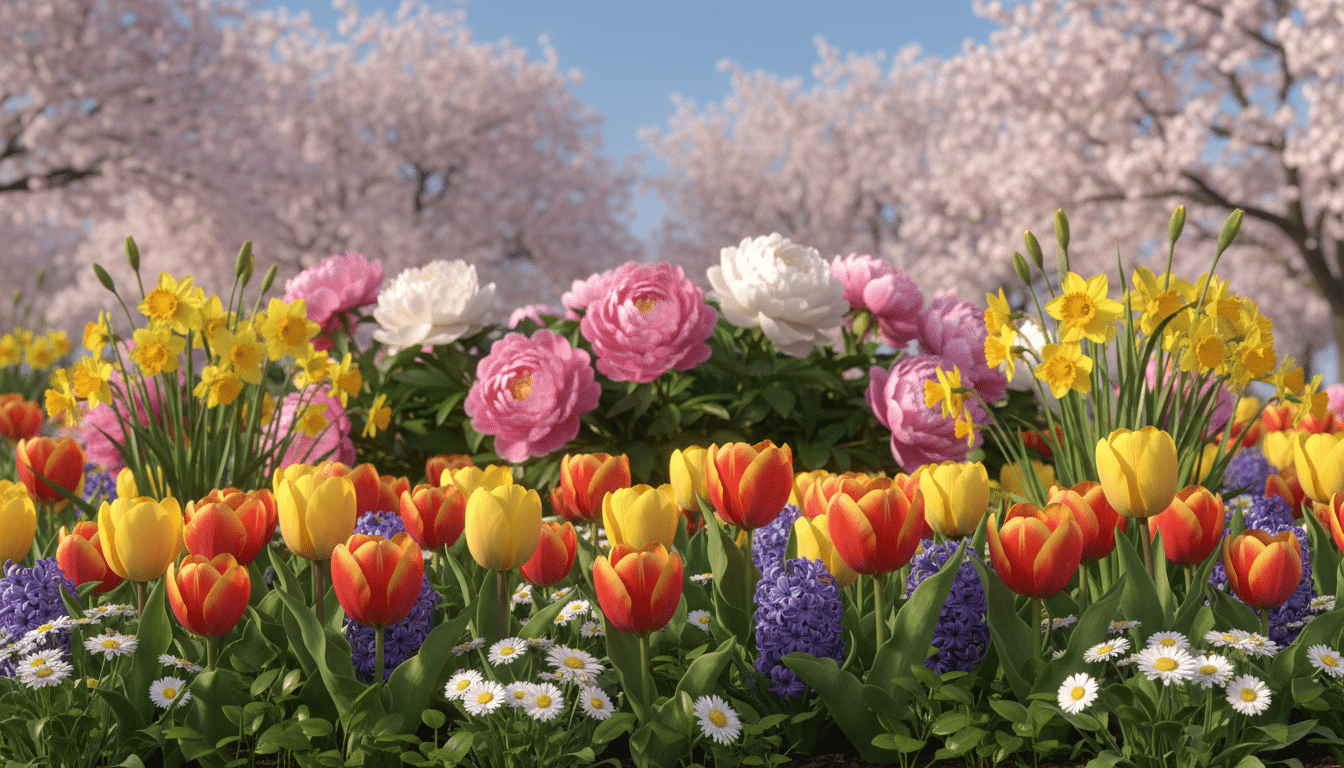
What if your outdoor space could burst with vibrant color from the first warm day until the frost returns? Selecting the right plants for the season is the secret to a landscape that thrives.
Planting in the cooler months allows many varieties to establish strong root systems. This leads to long-term health and a more spectacular display. A lush, welcoming environment isn’t just beautiful—it supports local wildlife too.
Some selections, like Sweet Alyssum, offer continuous blooms. Others, such as heat-tolerant African Daisy varieties, provide lasting power through the warmer days. Understanding what each plant needs is the key to success, whether you’re a novice or an expert gardener.
Your journey to a dazzling and dynamic yard starts here. Let’s explore the top choices that promise a season full of life and color.
Key Takeaways
- Choosing the right seasonal plants is the first step to creating a vibrant outdoor space.
- Spring planting allows for a lush landscape filled with diverse and beautiful foliage.
- The correct selections ensure your home exterior remains welcoming for visitors and wildlife.
- Professionals recommend varieties that establish strong roots in cooler weather for long-term vigor.
- Understanding the needs of your chosen varieties leads to a more successful and colorful display.
- Some plants, like Sweet Alyssum, bloom continuously, while others are prized for heat tolerance.
Introduction to a Vibrant Spring Garden
The natural signal to start planting arrives when trees like the pluot burst into bloom, covered in busy honeybees. In south-central Alabama, this sight marks the official start of the gardening season. Cooler soil and mild temperatures create the perfect environment for new plants.
A well-planned space serves as the foundation for a beautiful landscape. It will provide joy and color for many months to come.
Why Spring is the Ideal Time for Planting
Preparing beds early allows your selections to develop deep roots. This strong foundation helps them withstand the intense summer heat. A well-timed start is the key to long-term health and vigor.
“The spring season is nature’s way of showing us that change is beautiful and full of potential.”
Setting the Stage for a Colorful Display
A thoughtful plan involves choosing varieties that bloom at different times. This strategy maintains visual interest for months. For a striking contrast, consider incorporating beautiful black and white flowers into your design.
Dwarf lilac bushes, for example, offer a fragrant and reliable early show. Your outdoor space can become a dynamic canvas that evolves with the weeks.
Understanding Early and Late Spring Blooms
The secret to a landscape that captivates from March through June lies in understanding two distinct phases. Planning for both ensures a seamless relay of color in your outdoor space.
This sequential approach keeps your display lively and full. It turns a single burst of color into a months-long performance.
Embracing Early Spring Flowers
As winter fades, early bloomers wake up the soil. The cheerful yellow forsythia is a classic herald of the new season.
These pioneers thrive in cool soil. They build energy before the heat arrives, offering that first vital splash of color.
Transitioning to Late Spring Vibrance
Later, as days grow warmer and longer, a second wave takes over. Plants like lungwort often share the stage with the last tulips.
This transition marks the shift towards summer’s lushness. Including both groups guarantees your garden never looks bare.
| Characteristic | Early Spring | Late Spring |
|---|---|---|
| Typical Timing | March to April | May to early June |
| Soil & Temp | Cool, moist soil | Warming, settled soil |
| Example Plants | Forsythia, Crocus | Lungwort, Late Tulips |
| Garden Impact | Wake-up call of color | Full, lush vibrancy |
Knowing this schedule lets you coordinate care tasks. You can maximize the visual impact of each floral display.
Best Flowers to Grow in Spring
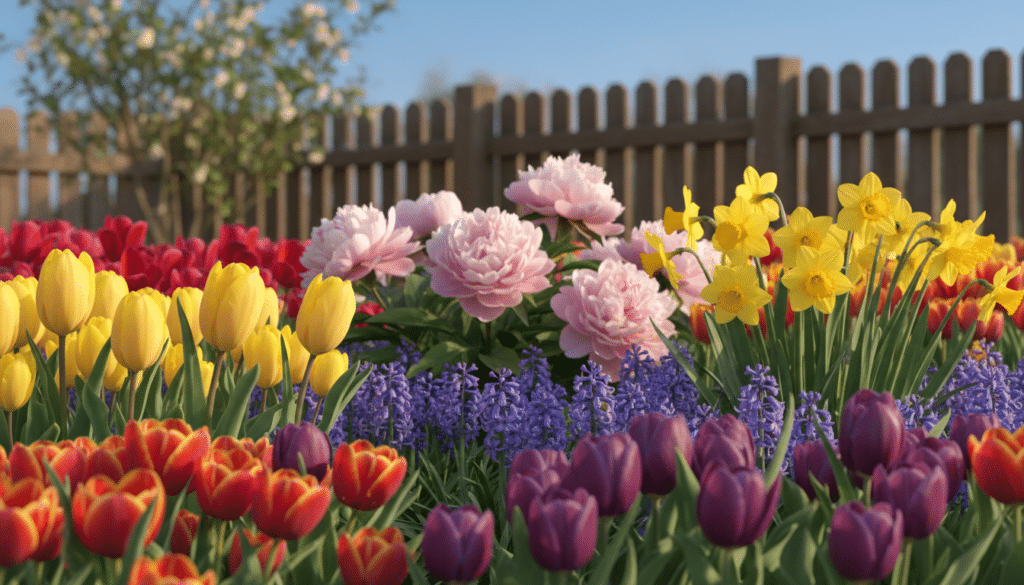
To achieve a professional-looking display with minimal fuss, focus on varieties celebrated for their non-stop performance. The right selections will transform your yard into a lively canvas of color.
Top Picks to Enhance Your Garden
Supertunia petunias are a standout choice for vibrant color. These plants bloom from planting until frost without needing deadheading. They offer a truly low-maintenance path to a continuous show.
Lupine provides a striking vertical element with its bold bloomspikes. These dramatic flowers appear in spring and persist well into the summer months. They add structure and long-lasting interest to any planting bed.
Selecting the right plants for your specific climate is the most important factor. This ensures your garden will bloom with vigor and health. Many gardeners prefer these specific selections for their reliable performance.
They require minimal intervention to maintain a beautiful appearance all season. By focusing on these top picks, you can create a stunning and dynamic display.
Popular Annuals for a Burst of Color
Nothing compares to the vibrant energy that annual plants bring to a landscape each season. These selections are perfect for creating an instant, dramatic display. They fill your space with rich hues from planting until frost.
You can experiment with new palettes every year. This flexibility makes annuals a favorite for many gardeners.
Supertunia, African Daisy, and More
Supertunia petunias, like the Bordeaux variety, are stars for instant spring color. They bloom non-stop without deadheading. Bright Lights African daisies are cool-weather-tolerant annuals. They provide a massive burst of warm colors.
Mixing different annuals creates unique combinations. This approach reflects your personal style. It enhances your garden’s visual impact.
Designing Containers with Annuals
Containers allow you to maximize color in small spaces. Supertunia petunias are essential for pots. They offer a wide range of vibrant colors.
Regular deadheading encourages even more flowers to bloom. This keeps your containers looking fresh. They remain a focal point all season long.
| Popular Annual | Key Feature | Best Use |
|---|---|---|
| Supertunia Petunias | Continuous blooms, no deadheading needed | Containers & hanging baskets |
| Bright Lights African Daisy | Cool-weather tolerant, vibrant warm colors | Mass planting for bold color |
| Other Annuals (e.g., Marigolds) | Reliable, pest-deterring | Borders and mixed beds |
| General Care Tip | Deadhead for more flowers | All container and garden uses |
Expert Tips for Planting in Full Sun and Shade
The foundation of a thriving landscape lies not just in what you plant, but precisely where you place it. Observing how light moves across your space is the first step to success.
Matching your selections to their preferred light conditions ensures they flourish with less effort from you.
Choosing the Right Location for Each Flower
Watch your yard for a full day. Note which areas bake in direct light and which are cool and shadowed.
Catmint is a versatile champion for full sun locations. It can even thrive in difficult garden beds where other plants struggle.
For areas with limited light, the Clematis Sparky series is a unique choice. It requires only four hours of direct sun per day to perform beautifully.
Soil Preparation and Watering Strategies
Proper soil preparation in your garden beds is essential. It provides the nutrients your spring plants need to survive the transition into summer.
Watering needs vary. Areas in full sun dry out faster than shady spots. Check soil moisture regularly.
| Light Condition | Hours of Direct Light | Soil Moisture Needs | Example Plants |
|---|---|---|---|
| Full Sun | 6+ hours | Dries quickly; water more often | Catmint, Supertunia |
| Partial Shade | 3-6 hours | Moderate; check before watering | Clematis Sparky |
| Full Shade | Less than 3 hours | Stays moist; water less | Hostas, Ferns |
Balancing these needs is the secret to a professional, thriving garden.
Diverse Selection of Perennials and Shrubs
For a garden with lasting structure and year-round appeal, look beyond annuals to the enduring world of perennials and shrubs. These plants form the permanent backbone of your landscape.
They provide reliable beauty that returns each season. Your outdoor space gains depth and maturity.
Featured Perennials Like False Indigo and Jacob’s Ladder
False Indigo is a durable, shrub-like perennial. It develops a deep tap root for drought tolerance.
This plant adds strong vertical structure. Its beautiful flowers attract pollinators throughout the spring.
Pigsqueak offers unique, thick leaves. They make a fun squeaking sound when rubbed.
This feature makes it a favorite for children’s gardens. It’s a tough ground cover with charming spring blooms.
Jacob’s Ladder is indispensable for shady spots. It offers delicate flowers and fern-like foliage.
This texture contrasts beautifully with broader leaves. It brightens up darker corners of your garden.
| Perennial | Key Feature | Ideal For |
|---|---|---|
| False Indigo | Deep tap root, shrub-like structure | Adding height & pollinator attraction |
| Pigsqueak | Thick, squeaky leaves | Children’s gardens & ground cover |
| Jacob’s Ladder | Fern-like foliage, delicate flowers | Shade gardens & textural contrast |
Incorporating a variety of these plants ensures your garden has a permanent framework. The foliage looks great even when flowers are not in bloom.
These long-lived perennials are excellent investments. They return year after year with reliable beauty.
Seasonal Transition: Preparing for Summer and Fall
With a little foresight, the vibrant display you nurtured this spring can set the stage for months of continued beauty. Your landscape can gracefully shift from the cool freshness of April to the warm abundance of July and beyond.
Maintaining Your Spring Blooms Longer
As days grow longer, simple techniques extend the show. Deadheading spent blossoms encourages many plants to produce a second flush. This effort rewards you with more blooms before the peak heat of summer arrives.
Some selections offer interest even after their petals drop. The seed pods of False Indigo, for example, persist beautifully into the fall. They add structural texture to your garden beds.
Heat-tolerant varieties like African Daisy are champions for longevity. Their blossoms can last deep into the summer months, often continuing into early fall. They bridge the gap between seasons seamlessly.
Post-Bloom Care for a Continuous Display
Proper care after flowering is crucial for plant health. It ensures your perennials and shrubs store enough energy to survive the upcoming summer. This preparation also sets the stage for next year’s performance.
Focus on consistent watering as temperatures rise. A layer of mulch helps retain soil moisture and suppresses weeds. These steps support robust roots throughout the hot summer.
By planning for this seasonal shift, you guarantee a dynamic garden. It remains a source of joy from the first days of spring until the final days of fall.
Attracting Pollinators and Beneficial Insects
A thriving garden ecosystem relies on more than just beautiful blooms. It needs active pollinators and helpful insects to stay healthy and productive.
Choosing Flowers That Invite Bees and Butterflies
Select specific plants known to welcome these vital visitors. Sweet Alyssum is a powerful choice. Its tiny, fragrant blossoms attract bees, butterflies, and beneficial ladybugs.
These insects help control pests like aphids naturally. Bleeding Heart is another excellent selection. Its unique, dangling blooms are highly effective at drawing hummingbirds to your space during the peak of the season.
Tips for a Healthy Garden Ecosystem
Creating a balanced environment involves thoughtful variety. Choose a mix of flowers that provide nectar and pollen throughout the spring.
This continuous supply supports bees, butterflies, and other essential pollinators. These plants add beauty while playing a critical role in the local environment.
Prioritizing pollinator-friendly choices transforms your landscape. It becomes a vibrant sanctuary that supports biodiversity. You’ll enjoy a lively and productive outdoor area all season long.
Budget-Friendly and Container Gardening Ideas
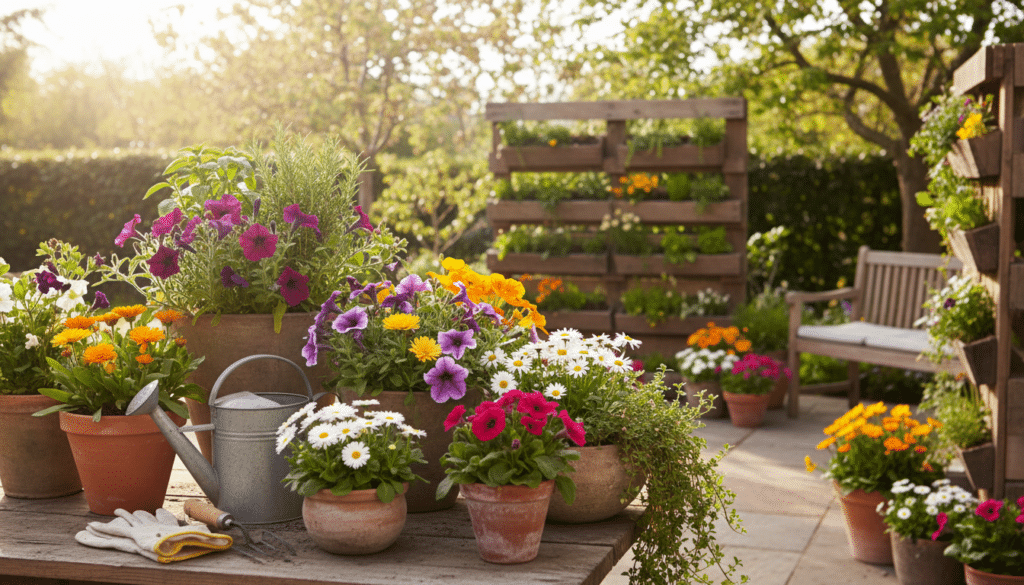
Limited space is no barrier to a vibrant spring display when you embrace the versatility of potted plants. Creating a stunning garden doesn’t require a large budget or expansive yard.
Maximizing Color in Small Spaces
For small gardens, a dwarf lilac shrub packs intense fragrance and flowering power into just a few square feet. It’s a perfect choice for patios or compact borders.
Spring Phlox is a wonderful groundcover that blooms in clusters. It pairs beautifully with tulips and other spring bulbs for a dense carpet of color.
Containers offer great flexibility. If you’re worried about frost, you can move your pots to safety during the cold weeks.
Many gardeners use bright yellow Forsythia as a showy shrub in their borders. They often choose it over others for its reliability and ease of care.
Deer-resistant varieties like the Lenten Rose or specific azaleas are ideal. They protect your precious plants from wildlife in problem gardens.
Conclusion
Transforming your outdoor area into a lively sanctuary is an achievable goal with the right seasonal selections. The rewarding process of creating a vibrant landscape begins by choosing plants suited to your specific environment and conditions.
Incorporate a mix of annuals, perennials, and shrubs. This strategic approach ensures your space remains colorful and inviting throughout the entire growing season. Always consider fundamental factors like light requirements and soil composition.
Providing your plants with a strong foundation promotes healthier, more vigorous growth. With consistent care and maintenance, your spring flowers will deliver lasting beauty.
They can provide joy and visual interest well into the summer and subsequent fall months. Thoughtful planning now helps your garden thrive for many seasons to come.
We hope this guide has inspired you to get outside and begin planting. Your own beautiful garden awaits.
