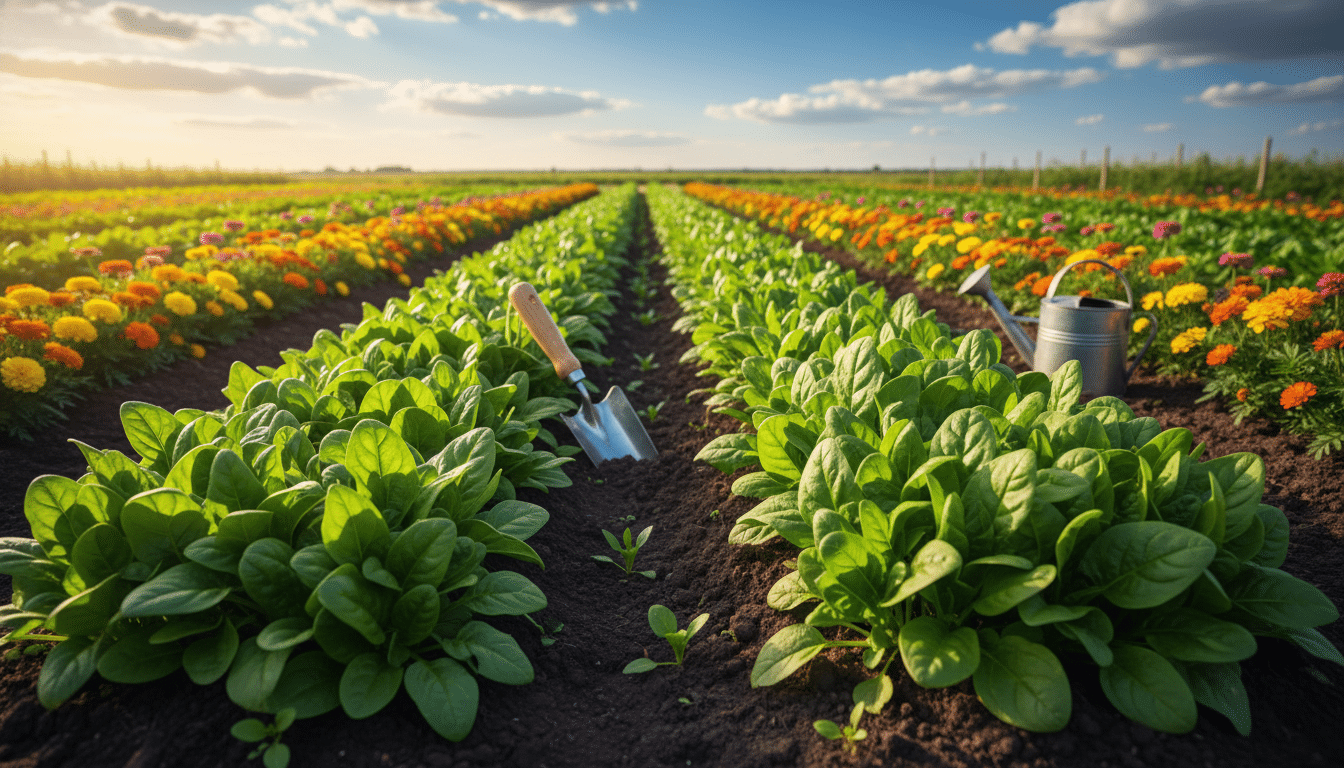
What if you could have a bowl of fresh, homegrown greens on your table in less time than it takes for a package to arrive?
Many gardeners believe cultivating leafy vegetables is a slow process. With the right approach, you can enjoy your own harvest in just 6 weeks. This quick turnaround from seed to maturity is possible in a well-managed garden environment.
Achieving this rapid development requires attention to a few key factors. Specific temperature windows and soil fertility levels are crucial for healthy leaves to form quickly.
This guide walks you through techniques for optimal plant development. You’ll learn about selecting the right varieties and the perfect timing for putting seeds in the ground. These methods help maximize your yield of nutritious greens.
Key Takeaways
- You can harvest leafy greens in as little as 6 weeks from seed.
- A well-managed garden environment is essential for rapid maturity.
- Paying close attention to temperature and soil fertility ensures healthy development.
- Selecting appropriate varieties and planting at the correct time boosts success.
- These techniques are valuable for both beginner and experienced gardeners.
- The goal is to produce a high-quality, nutritious crop in record time.
Understanding the Basics of Spinach Growth
Spinach plants reveal their best qualities when given the conditions they naturally prefer. This leafy green is a cool-weather crop. It thrives in the mild temperatures of spring and fall.
Knowing this fundamental trait is key to a successful garden. The plant is closely related to beets and Swiss chard. They share similar needs for healthy development.
Spinach as a Cool-Weather Crop
This crop prefers temperatures between 50°F and 60°F. In this range, it produces the most tender and delicious leaves. Hot weather causes the plant to bolt, turning leaves bitter.
Your timing is crucial. Planting in the spring or fall provides the ideal environment. Consistent soil moisture supports these plants as they thrive.
Key Nutritional and Flavor Benefits
The flavor of your harvest is shaped by growing conditions. Cooler weather preserves a rich, sweet taste. It prevents the leaves from developing a harsh bitterness.
Maintaining even soil moisture is essential. It ensures a bountiful harvest of dark green, nutritious leaves. For the best results, learn the perfect time to harvest spinach plants.
| Planting Season | Ideal Temperature Range | Key Soil Consideration | Expected Flavor Profile |
|---|---|---|---|
| Spring | 50°F – 65°F | Moist, well-drained soil | Sweet, tender leaves |
| Fall | 45°F – 60°F | Consistent moisture before frost | Rich, robust flavor |
| Overwintering (Mild Climates) | Above 40°F | Protected, mulched soil | Exceptionally sweet leaves |
Choosing the Right Spinach Seeds
A thriving patch of nutritious leaves isn’t an accident; it starts with intentional seed selection. The varieties you pick determine your harvest’s flavor, hardiness, and speed to maturity.
This choice is your first and most important step. High-quality seeds from trusted sources give your plants a strong start.
Exploring Spinach Varieties
Not all spinach is created equal. Different types excel in various conditions. Bloomsdale is a popular, hardy choice with savoyed leaves.
Long Standing Bloomsdale handles temperature extremes very well. It’s perfect for unpredictable spring or fall weather.
For superior nutrition and disease resistance, consider Abundant Bloomsdale. This specific cultivar performs reliably in many garden settings.
Tips for Buying High-Quality Seeds
Always source your seeds from reputable, independent companies. These suppliers often offer varieties adapted to specific bio-regions.
Check the seed packet for details on days to maturity and planting windows. This ensures the spinach seeds suit your local climate.
When you plant spinach, success comes from matching the seed to your garden’s unique environment. A little research upfront leads to a much better harvest.
Preparing Your Garden for Spinach
Creating the perfect home for your greens starts with thoughtful garden preparation. The right foundation ensures your spinach develops quickly and healthily. Focus on two main areas: enriching the earth and selecting the best planting space.
Soil Enrichment and Composting
Your garden’s soil is the primary source of nutrition. Mixing three inches of aged compost into the top six inches of native earth creates a fertile environment. This organic matter boosts nutrient levels and improves moisture retention.
Compost acts like a slow-release fertilizer. It provides essential nutrients for lush, rapid development. Your plants will thrive throughout the season with this rich base.
Choosing Containers, Raised Beds, or In-Ground Options
You have several choices for where to plant. Each option requires specific preparation for success.
A container must be at least six inches deep. This depth supports the root system and maintains steady moisture. Use a high-quality potting mix to prevent nutrient loss.
Raised beds offer excellent drainage and easy soil management. In-ground plots benefit from deep tilling and added compost. Consistent preparation is key for a productive crop.
Key considerations for your setup:
- Enrich any garden bed with rich organic matter like composted manure.
- Ensure containers are deep enough for healthy roots.
- A fertile soil environment helps plants thrive.
- Good preparation is the foundation for a healthy harvest.
Planting at the Optimal Temperature
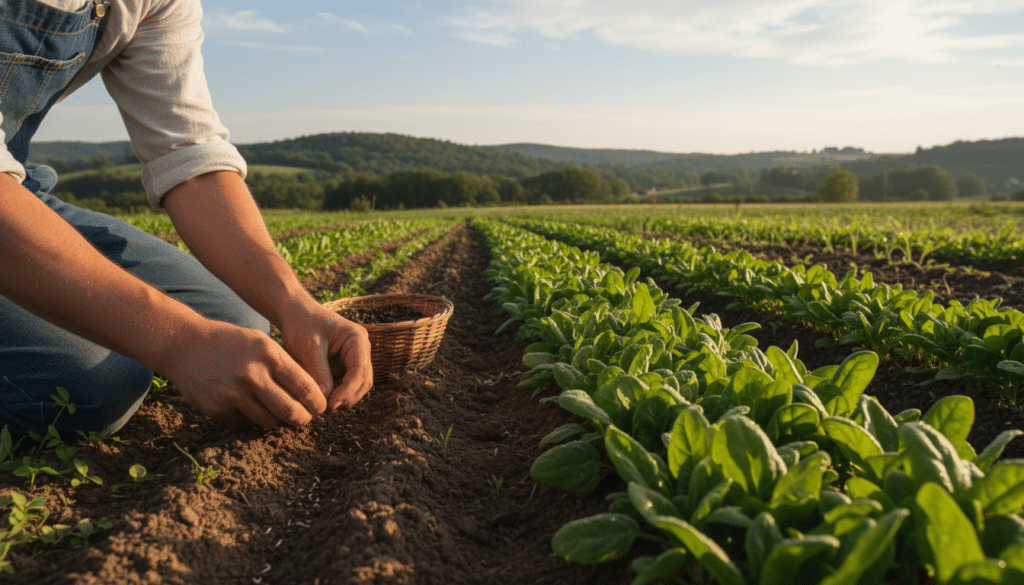
Getting your seeds into the ground at just the right moment makes all the difference. This leafy green thrives when you match your garden work with its preferred cool weather.
Your timing is the key to a quick and healthy crop. Focus on soil warmth and the season‘s changing light.
Ideal Sowing Windows for Spring and Fall
Begin in early spring as soon as the soil is workable. This avoids the heat of late spring. Aim for earth temperatures between 60°F and 75°F for the best start.
For a fall harvest, count back 6-8 weeks from your first expected frost. This gives plants time to establish before cold arrives.
Manage your planting schedule carefully. Long days over 14 hours of light can trigger bolting. You can extend your yield by sowing new seeds every two weeks during cool spring fall windows.
Maintaining Cool Soil Conditions
Keeping the earth cool is crucial, especially as the season warms. A layer of mulch helps retain moisture and lowers soil temperature.
Consistent watering in the morning also fights heat. In warm weather, consider using shade cloth. These steps protect your tender greens.
Direct Sowing vs Transplanting Spinach
A key decision in cultivating these vegetables is whether to sow directly or use started plants. Your choice influences root health and overall success.
Each method has its place in your garden plan. Understanding the strengths of both leads to a better harvest.
Benefits of Direct Sowing
Placing seeds straight into your garden bed is the recommended approach. This technique avoids disturbing the delicate root system.
Root shock often causes premature bolting. Direct sowing lets a strong taproot develop properly.
Your spinach establishes itself firmly in the soil. This foundation supports robust, healthy plants.
Handling Transplants with Care
Sometimes you might use pre-started plants from containers. Extra caution is needed during this process.
Handle the root ball gently to minimize stress. Try to match the soil temperature and pH to the original container.
This careful transition helps your plant adapt. Even in containers, gentle planting practices are vital.
For the most reliable results, direct sowing into your garden is often best. It gives your crop a strong, undisturbed start.
How to Grow Spinach Fast
Rapid leaf production isn’t a mystery; it’s the result of consistent care and smart adjustments. Your focus on two primary factors—soil moisture and nutrient availability—directly influences the speed and size of your harvest.
These tips create the ideal conditions for your plants to thrive. You’ll see a noticeable difference in just a few days.
Proven Techniques for Accelerated Growth
Steady water and nitrogen are the engines of fast growth. Uneven watering stresses your crop, leading to tough leaves.
Apply a nitrogen-rich organic fertilizer every three weeks. This fuels lush, rapid leaf development.
Thinning seedlings early is a non-negotiable step. It gives each plant ample room to expand.
| Technique | Primary Purpose | Key Action |
|---|---|---|
| Consistent Moisture | Prevent stress & tough leaves | Water deeply in the morning, 2-3 times per week |
| Nitrogen Supply | Fuel rapid leaf production | Side-dress with composted manure or fish emulsion |
| Strategic Thinning | Provide space for full size | Remove seedlings so plants are 4-6 inches apart |
| Afternoon Shade | Delay bolting in warm weather | Use a shade cloth or plant near taller crops |
Managing Temperature and Moisture for Quick Results
As summer approaches, heat becomes the biggest threat. Providing afternoon shade is a game-changer.
This simple step keeps soil and plants cooler, significantly extending your harvest window. Your spinach will stay productive for many more days.
Monitor your garden’s microclimate daily. Adjust watering based on temperature. A cool root zone encourages continuous growth.
The most successful gardeners don’t just plant; they observe and adapt. Your attention to detail ensures a bountiful, fast-maturing crop.
With these strategies, your spinach will develop quickly from seedling to harvest-ready greens.
Effective Fertilizing Methods for Spinach
Achieving those prized dark green leaves requires a strategic feeding plan. Your soil’s fertility directly shapes the color and flavor of your harvest.
This leafy green thrives in earth with a pH between 6.5 and 7.5. High nitrogen levels are essential for producing rich-tasting leaves.
Organic Fertilizer Options
Natural amendments provide steady nutrition. Blood meal or alfalfa meal mixed into your garden bed during preparation supplies crucial nitrogen.
Liquid options offer a quick boost. Fish emulsion is excellent for giving your crop a mid-season nutrient lift.
| Fertilizer Type | Primary Nutrient | Best Application Timing |
|---|---|---|
| Blood Meal | High Nitrogen | Soil preparation |
| Alfalfa Meal | Balanced N-P-K | Soil preparation & side-dressing |
| Fish Emulsion | Quick-release Nitrogen | Every 3-4 weeks during growth |
| Composted Manure | Slow-release Nutrients | Bed preparation in fall or early spring |
Timing and Application Techniques
Consistent soil nutrition is key to success. Apply a balanced feed when your seedlings have developed 4-5 true leaves.
Avoid over-fertilizing late in the season. This can lead to overly soft leaves and may encourage bolting.
Test your earth to ensure the proper pH range. This helps your plant absorb all the nutrients it needs for optimal development.
Proper Weed Control and Thinning Techniques
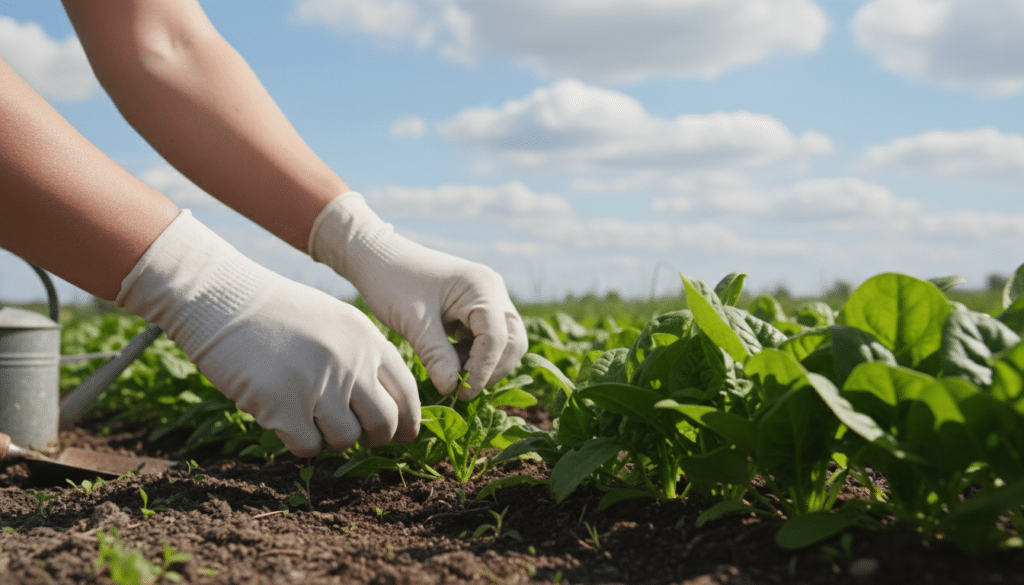
Your garden’s productivity hinges on two simple, regular tasks: managing weeds and giving your plants space. These actions ensure your crop gets all the nutrients, light, and water it needs.
Weekly Weeding Strategies
Weeding every week is non-negotiable. Unwanted plants compete fiercely with your crop. Use a stirrup hoe or your hands to clear them out.
This weekly habit keeps soil loose. It also prevents resource theft. Your plants will thrive without competition.
Best Practices for Thinning Seedlings
Thinning is a critical step for robust plants. After the first true leaves appear, thin seedlings to just one or two inches apart.
Later, thin them again to a final spacing of four to six inches. This gives each plant room to mature fully. The young, tender leaves you remove make a tasty salad addition.
Following these tips leads to a healthier garden. For the next step, learn the perfect way to harvest your spinach.
| Garden Task | Primary Tool | Ideal Frequency | Key Benefit |
|---|---|---|---|
| Weeding | Stirrup Hoe or Hands | Weekly | Eliminates competition for resources |
| Initial Thinning | Fingers or Scissors | After first true leaves | Provides 1-2 inches of space for early growth |
| Final Thinning | Fingers | When plants are crowded | Establishes 4-6 inches of space for mature plants |
A clean, well-spaced bed is the foundation of a bountiful harvest. Your consistent care pays off in vibrant, healthy leaves.
Keeping Pests and Diseases at Bay
Maintaining a robust harvest means actively defending your plants from invaders and illness. Tiny insects and fungal issues can quickly damage your crop if left unchecked.
Regular monitoring is your first line of defense. A healthy garden environment discourages many common problems before they start.
Identifying Common Spinach Pests
Flea beetles, spider mites, and aphids are frequent troublemakers. These small pests chew on tender leaves, creating holes or causing discoloration.
Early detection is crucial. Inspect the undersides of leaves often for tiny insects or webbing.
Organic Pest Control Methods
For larger animals like rabbits and deer, a physical barrier works best. Drape garden mesh over hoops to create a protective tunnel over your bed.
Secure the edges with pins. This simple setup keeps squirrels out for the whole season.
Watch for diseases in cool, damp weather. White spots on foliage may signal white rust. Downy mildew is another threat in late fall or early winter.
Good air circulation helps keep your plants healthy. Remove any affected plants promptly to protect the rest of your garden.
Tips for Optimizing Harvest and Storage
You can enjoy your nutritious crop for weeks with the right harvest and storage methods. The techniques you use when picking and handling your greens make a big difference in quality and longevity.
Harvesting Outer Leaves Regularly
Extend your picking window by using the “cut-and-come-again” approach. Pinch off the outer leaves once they reach a usable size, about three to four inches long.
This allows the center of the plant to keep producing new growth. You’ll have a continuous supply for fresh salads over many weeks.
Proper Cleaning and Storage Techniques
Always wash your leaves thoroughly after each harvest. Grit and sand trapped in the foliage can ruin a meal.
Dry them completely with a salad spinner or towels. Store the clean spinach in a breathable produce bag inside your refrigerator.
This keeps leaves crisp and tasty for up to one week. For a supply during the winter, blanch and freeze your bounty.
Need a large amount quickly? You can cut the whole plant at the base. Remember, this ends production for that specific spinach.
Seasonal Considerations for Spinach Growth
Your spinach’s success throughout the year depends on adapting your garden practices to each season’s unique challenges. Cool weather is this crop’s friend, but the calendar brings heat and cold. Your approach must shift to protect plants and extend harvests.
Smart timing and simple protections make all the difference. You can enjoy fresh leaves for many months with the right plan.
Adjusting Techniques for Spring, Fall, and Winter
In spring, your main goal is to beat the heat. Plant seeds as soon as the soil is workable. This gives your crop time to mature before summer’s long, hot days arrive.
Succession planting every few weeks ensures a steady supply. For fall, count back 6-8 weeks from your first expected frost. This schedule allows plants to establish strong roots.
Winter strategies depend on your climate. Spinach is very cold-hardy. Established plants tolerate frost temperatures down to the low 20s.
In zones 8 and southward, you can often overwinter your crop. For harsh conditions, a cold frame or a layer of hay offers excellent protection. This can lead to an early spring harvest.
Using containers provides flexibility. You can move them to shadier spots as summer approaches. This simple action helps delay the bolting process significantly.
| Season | Primary Goal | Key Action | Protection Method |
|---|---|---|---|
| Spring | Avoid summer heat & bolting | Early planting & succession sowing | Afternoon shade or shade cloth |
| Fall | Establish before frost | Plant 6-8 weeks before first frost | Mulch to retain soil warmth |
| Winter | Survive cold for early harvest | Overwinter in mild zones | Cold frame or hay mulch in cold climates |
Conclusion
Your journey from seed to salad bowl is now complete, and the rewards of home gardening are within easy reach. Cultivating these leafy vegetables can provide fresh, flavorful leaves in just about six weeks.
Success starts with your garden bed. Enriching the soil with rich compost and maintaining consistent moisture creates the ideal conditions for your plants to thrive.
Remember the simple tips for thinning seedlings and harvesting outer leaves regularly. These practices keep your crop productive throughout the entire season.
Whether you use containers or a traditional plot, choosing the right seeds and monitoring your plants closely are the final keys. We hope this guide gives you the confidence to enjoy the delicious flavor of your own home-grown greens.
