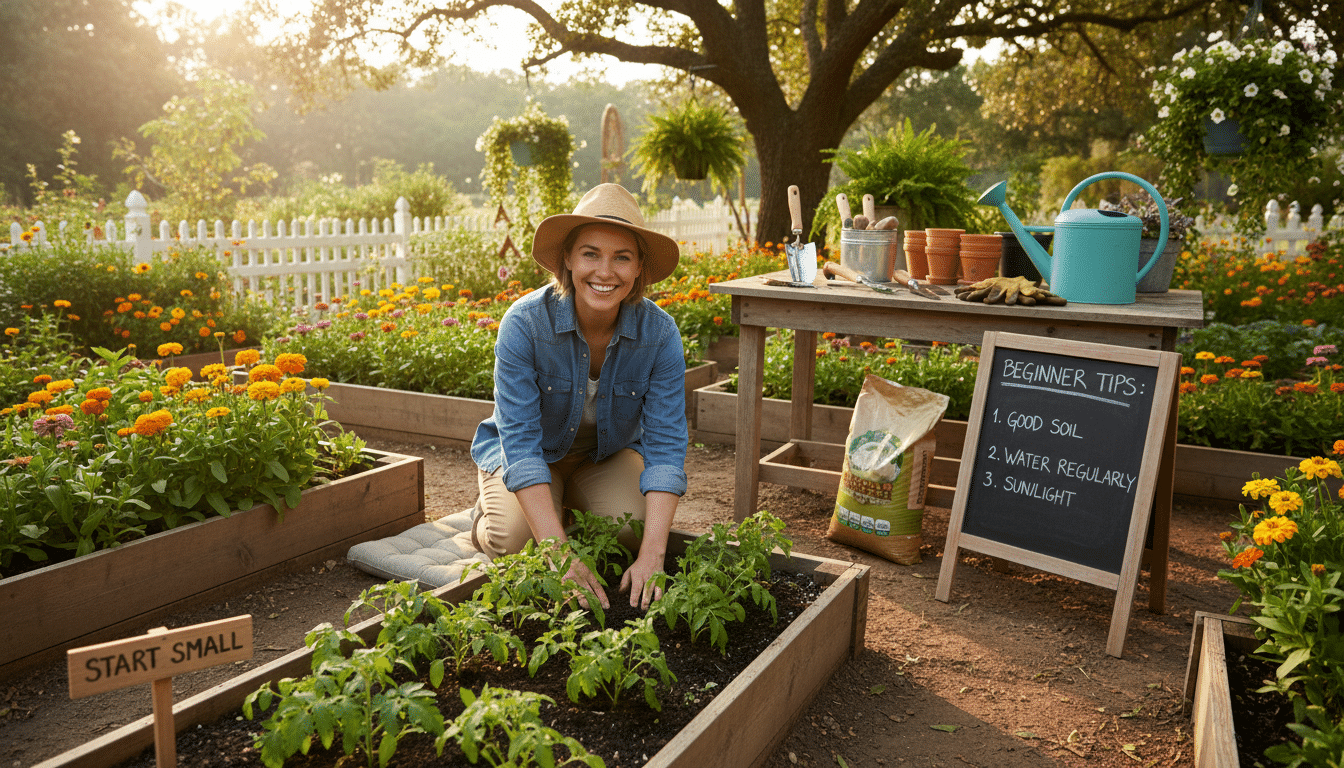
Have you ever wondered if you could actually cultivate your own fresh dinner right in your own backyard? Starting a garden might feel like a massive task, but the process is much simpler than you think.
You can get started today and see real success without needing a large farm or years of professional expertise. Growing your own food is a rewarding way to connect with nature right at home.
Many people worry they lack the time or specific knowledge to make plants thrive in their space. However, experts suggest that even a fresh beginner can flourish by avoiding simple mistakes like overplanting too early.
These beginner gardening tips will help you skip the common frustration of overwatering or choosing the wrong soil for your crops. With a little patience, you will see your backyard transform into a lush oasis.
Creating a productive garden involves understanding sunlight and basic gardening needs for your specific region. You don’t need expensive gear to enjoy your green space at home or on a patio.
Just focus on a few manageable steps to ensure your crops grow well and stay healthy. If you want to get started right now, this guide serves as your essential roadmap for growth.
We will show you how to manage a beautiful garden without feeling overwhelmed by the daily work. Let’s make sure you get started on the right foot to enjoy a lush garden this season.
Key Takeaways
- Begin with a small plot to keep your maintenance tasks manageable.
- Ensure your location receives at least six hours of direct sunlight.
- Invest in high-quality organic soil to provide essential plant nutrients.
- Select easy-to-grow vegetables like lettuce or tomatoes for your first season.
- Establish a consistent watering routine to prevent plant stress and disease.
- Harvest your vegetables frequently to encourage the plant to produce more.
Getting Started with Your First Garden
If you want to succeed this season, remember that less is often more when you start small. Managing a modest garden allows you to learn without feeling overwhelmed by daily maintenance tasks.
One of the most valuable gardening tips is to begin with a 4×4 or 4×8 foot raised bed. This size is the perfect space to grow several different plants while keeping watering and weeding manageable throughout the season.
You should pick three to five types of vegetables and buy three to five plants of each variety. This approach gives you variety without creating more work than you can handle during your first year.
| Garden Size | Setup Type | Maintenance Level |
|---|---|---|
| 4×4 Feet | Raised Bed | Very Low |
| 4×8 Feet | Raised Bed | Low |
| 10×10 Feet | In-ground Plot | Moderate |
Every new gardener discovers which crops thrive in their specific environment through trial and error. It is wise to view your first year as a learning experience to see how much time you can realistically dedicate.
As one experienced grower once noted:
“little by little a little becomes a lot”
By learning a few things each season, you will slowly become more skilled and confident. You can always expand your garden next season as your interests and skills grow. Keeping things simple ensures your new hobby remains joyful rather than becoming a dreaded chore. These basic gardening tips will help you start small and succeed.
Ultimately, it is much better to start small and finish the season with a harvest than to plant too much and give up.
Pick the Right Location and Garden Size
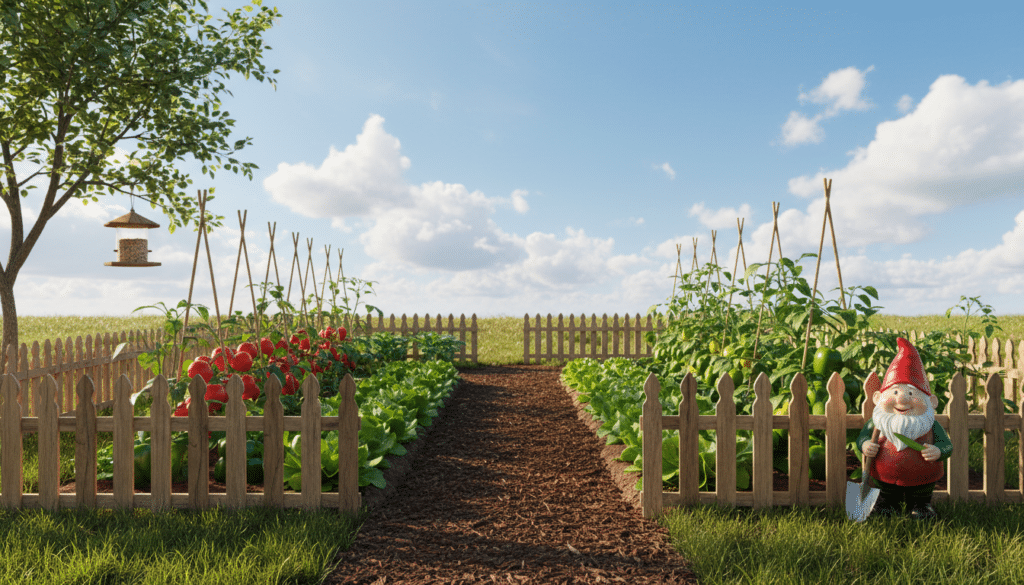
Choosing a strategic location ensures your vegetables thrive while making your chores much easier. You need to look for a spot that matches the specific needs of your plants. A functional garden layout saves time and energy throughout the growing season and keeps your hobby enjoyable.
Planning your space before you dig is the secret to a stress-free experience. You want an area that you will see every day so you don’t forget to check on your plants. Small adjustments to your plan now can lead to a much bigger harvest later.
Tip 1: Choose a Sunny Spot with 6-8 Hours of Direct Sunlight
Most vegetables need at least 6 to 8 hours of direct sunlight daily to grow strong. While leafy greens can manage with some shade, fruiting plants like tomatoes require at least 8 to 10 hours. Your vegetable garden will struggle to produce flowers or fruit without plenty of warm sun.
Full sunlight acts as the primary energy source for your plants to create nutrients. Ensure the area receives direct sun and isn’t blocked by the house or tall fences for half the day. Most crops perform much better when they soak up the afternoon sun. Always track the path of the sunlight before you finalize your build to avoid disappointment. Ensure your plants get enough sun to stay healthy.
Tip 2: Ensure Good Drainage and Avoid Low-Lying Areas
Healthy roots need oxygen to breathe, so you must avoid areas where water pools after heavy rain. Low-lying spots often lead to root rot, which can quickly kill your young plants. Look for high ground to ensure your garden stays well-drained and productive all year long.
| Category | Best Choice | Avoid This |
|---|---|---|
| Light | 8+ hours of direct light | Heavy shade from trees |
| Hydration | Near a spigot or hose | Far edges of the yard |
| Layout | A small beginner garden | Large, unmanageable plots |
Tip 3: Keep Your Garden Accessible to Water Sources
Accessibility is key when you are planning your new growing space. You will need to provide consistent moisture, so keep your beds close to a tap or rain barrel. Dragging a heavy hose across a large space makes the work exhausting and often leads to neglect.
You want a setup that is easy to reach during your daily routine. If the area is too far away, you might miss early signs of pests or disease. Staying close to home makes it easy to grab fresh herbs while you are cooking dinner.
Tip 4: Start Small with a 4×4 or 4×8 Foot Space
It is tempting to dream big, but starting with a limited space is much smarter for your first year. This size provides enough room for variety without becoming overwhelming for a beginner. You can easily reach the center of these beds to pull weeds or pick ripe produce without stepping on the soil.
Many experts suggest that a 4×4 area is perfect for learning the basics. You can grow a surprising amount of food in just sixteen square feet. Smaller areas are easier to mulch, weed, and manage when your schedule gets busy.
Tip 5: Consider Raised Beds or Containers for Better Control
Raised beds offer incredible control over soil quality and drainage compared to planting in the ground. They warm up faster in the spring and keep your growing space organized and tidy. This setup also provides a clear barrier that protects your plants from pets and children.
If you have a patio or balcony, using a container or a single bed works just as well. Raised beds eliminate the need to plow or till difficult, rocky soil. You can simply fill them with high-quality compost and start planting immediately.
“To plant a garden is to believe in tomorrow.”
Prepare Your Soil for Success
Before you ever put a seed in the ground, you must focus on what is happening beneath the surface. Healthy soil serves as the literal foundation for every productive garden you dream of building. While it might seem like extra work at first, this essential step sets up your entire bed for long-term success.
Tip 6: Test Your Soil Before Planting
Before planting, submit a soil sample to determine the pH and nutrient content. Your local Cooperative Extension center can provide a soil test kit to have your soil analyzed efficiently. This process provides specific recommendations for growing vegetables in your specific soil.
Amend the soil based on the results from the soil analysis. This prevents you from guessing what your soil needs for optimal growth. Over-fertilizing your soil can be just as harmful as having nutrient deficiencies in the soil.
Tip 7: Add Compost to Improve Soil Structure
Adding compost each season improves soil structure and fertility significantly. This type of organic matter helps the soil hold onto water while allowing excess to drain. Healthy soil is the foundation of a productive vegetable garden.
Quality compost provides beneficial microorganisms that keep your soil alive and vibrant. Investing time in soil preparation now will pay dividends throughout the entire growing season. It ensures your soil remains rich and workable for years to come.
Tip 8: Mix Quality Potting Soil for Container Gardens
For containers, you should purchase potting soil or make your own specialized mix. You can combine equal parts of compost, shredded pine bark mulch, and vermiculite. This blend ensures your container soil stays light and airy for root development.
| Ingredient | Benefit for Soil | Ratio |
|---|---|---|
| Compost | Adds vital nutrients | 1 Part |
| Pine Bark | Improves structure | 1 Part |
| Vermiculite | Retains moisture | 1 Part |
Tip 9: Avoid Using Garden Soil in Containers
Never use regular garden soil in container gardens. This soil becomes compacted in pots and drains poorly, which can suffocate plants. Compacted soil restricts root growth and prevents the soil from breathing properly.
Healthy soil is truly the foundation of every successful garden. Using the wrong soil in a pot will lead to struggling plants and yellowing leaves. Always choose a lightweight mix to ensure your soil supports healthy and strong roots.
Essential Beginner Gardening Tips for Plant Selection
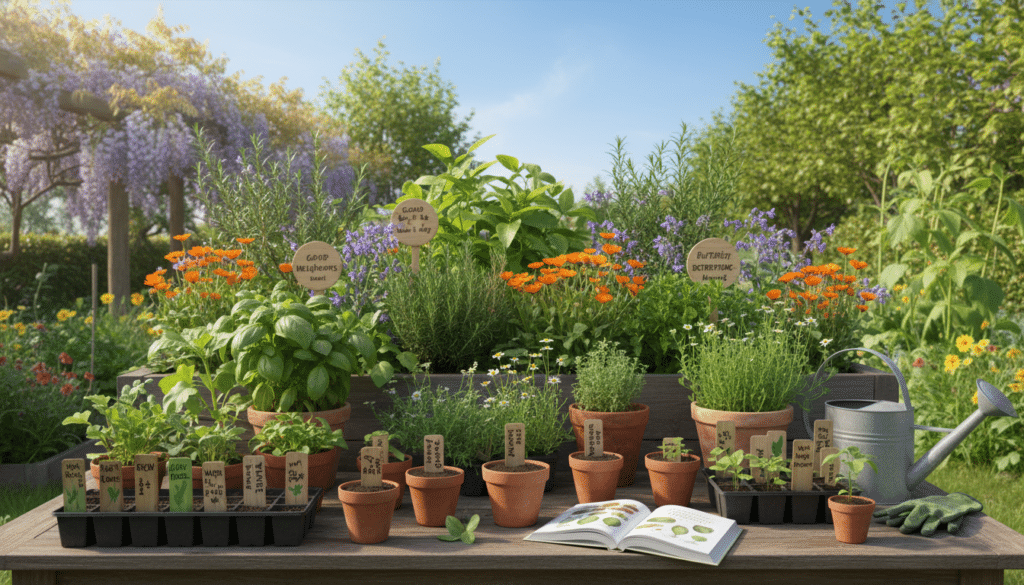
Selecting the perfect combination of seeds and starts ensures your hard work leads to a bountiful harvest. You might feel tempted to buy every packet on the shelf. Instead, focus on plants that fit your lifestyle, as every vegetable you choose should serve a purpose.
A smart selection process reduces waste and increases your satisfaction. By understanding what your local environment supports, you can avoid common pitfalls. Let’s look at how to narrow down your choices for the best results.
Tip 10: Grow What You Actually Eat
Grow only the food you and your family actually enjoy eating. There is no point in spending time growing food that will go to waste in your kitchen. Focus on herbs and fresh food you buy every week at the grocery store.
This approach ensures your food stays relevant to your table throughout the harvest. If you love salads, prioritize greens. If you rarely cook with squash, skip it for now to save space.
Tip 11: Start with Easy Vegetables Like Lettuce, Tomatoes, and Radishes
Some vegetables are much easier for beginners to manage than others. Start with reliable vegetables like lettuce, tomatoes, and radishes. These vegetables are forgiving and produce a heavy harvest even for new gardeners.
You can also try peppers, green beans, and zucchini. High-quality seeds for lettuce and transplants for tomatoes will give you the best results. These vegetables offer quick wins that build your confidence early on.
Tip 12: Understand Cool-Season vs Warm-Season Crops
Timing is everything when managing your growing season. You must distinguish between cool and warm season varieties. Crops like lettuce and peas enjoy the crisp air of early spring or late fall.
Conversely, heat-loving crops like tomatoes and peppers need the soil to warm up before planting. If you plan correctly, you can extend your season by planting cool crops again in the late summer. This strategy keeps your garden productive for most of the year.
Tip 13: Choose Disease-Resistant Varieties
Look for disease-resistant vegetable varieties to save yourself future headaches. For instance, tomatoes labeled VFN are bred to fight off common wilts and pests. Healthy plants from the start give you the best chance of success.
Reading seed packets carefully is the first line of defense against garden failure.
Tip 14: Mix in Flowers Like Marigolds for Pest Control
Mixing a flower like marigolds into your garden beds discourages pests and adds color. This specific flower acts as a natural shield for your vegetable patch. Every flower helps attract pollinators that are vital to your harvest.
Adding a beautiful flower also makes your space more enjoyable to work in. Beneficial insects are drawn to the nectar, helping to balance the ecosystem. It is a simple way to use nature to your advantage.
Tip 15: Practice Crop Rotation to Prevent Disease Buildup
Finally, keep your plants healthy by moving your crops around each year. Practicing crop rotation prevents soil-borne pests from settling into one spot for too long. If you plant the same family in the same soil every year, diseases can build up quickly.
Healthy plants thrive much better when you change their location annually. Consistent rotation is the secret to long-term soil health. It ensures your plants always have access to a balanced nutrient profile.
| Vegetable Variety | Season Type | Ideal Temperature | Best Starting Method |
|---|---|---|---|
| Lettuce | Cool | 45°F – 70°F | Direct Seed |
| Tomatoes | Warm | 70°F – 90°F | Transplant |
| Peppers | Warm | 75°F – 95°F | Transplant |
| Radishes | Cool | 40°F – 70°F | Direct Seed |
Planting Your Garden the Right Way
Success in the garden begins with how you handle your tiny seeds and young transplants during the initial planting phase. Putting your hands in the soil feels rewarding, but doing it correctly ensures your hard work pays off. Follow these steps to give your greenery the best start possible this year.
Tip 16: Know When to Use Seeds vs Transplants
Selecting the right method for your garden determines how well your harvest grows. Some vegetables like lettuce, beans, and carrots grow easily from seeds sown directly into your soil. However, others like tomatoes and peppers usually do better when you start them as transplants.
Root crops like carrots, radishes, and beets must always be direct-seeded because moving them disrupts their roots. If you are also adding perennials to your landscape, learning when to transplant coneflowers can help you expand your flower collection safely. This balance between starting from seed and using established plants creates a diverse and healthy environment.
Tip 17: Plant Seeds at the Proper Depth
You should plant each seed only two to three times as deep as its greatest diameter. If you plant them too deep, the small seeds may run out of energy before they reach the surface. Once you place the seeds, cover them with soil and firm the surface lightly with your hand.
Lightly pressing the soil ensures good seed-to-soil contact, which is necessary for germination. Use this table to understand the specific needs of common vegetables when planting.
| Vegetable Type | Planting Method | Why? |
|---|---|---|
| Carrots & Radishes | Direct seeds | Avoids root damage |
| Lettuce & Beans | Direct seeds | Fast germination |
| Tomatoes & Peppers | Transplants | Requires long warmth |
Tip 18: Follow Spacing Guidelines on Seed Packets
Always consult the seed packet to find the specific spacing requirements for your crop. Proper spacing allows every individual plant room to mature and reach its full size. This practice also ensures good airflow between your crops, which helps prevent common fungal disease problems.
Crowded plants compete for nutrients and water, often leading to a smaller harvest. Trust the information on the seed packet to maximize the efficiency of your planting rows.
Tip 19: Harden Off Transplants Before Planting
Before you move transplants into your outdoor beds, you must acclimate them to the weather. Spend one week slowly introducing them to full sun and wind for longer periods each day. This process prevents transplant shock and ensures your transplants survive the transition to the garden.
Check your local spring frost date before moving warm-season varieties outside. If you use peat pots in your beds, remove the top rim or bury it completely so it does not wick moisture away from the seed roots. Planting too early in the spring can damage tender foliage if a sudden cold snap occurs.
Tip 20: Use Succession Planting for Continuous Harvest
Succession planting is a smart technique where you stagger your start dates by one to two weeks. For example, sow your first seeds for lettuce during week one and your next set during week two. This method provides a continual harvest throughout the spring rather than everything ripening at once.
You can use this strategy for many fast-growing crops to keep your table full of fresh produce. Using these techniques with your seeds and young plants ensures a productive and organized growing season.
Watering, Mulching, and Garden Maintenance
Maintaining a thriving vegetable garden involves a consistent routine of hydration and protection. Successful gardening isn’t just about the initial planting; it is about the daily care you provide to your plants. By following these essential maintenance steps, you will ensure your plants stay strong through the entire season.
Tip 21: Water Deeply and Consistently, About 1 Inch Per Week
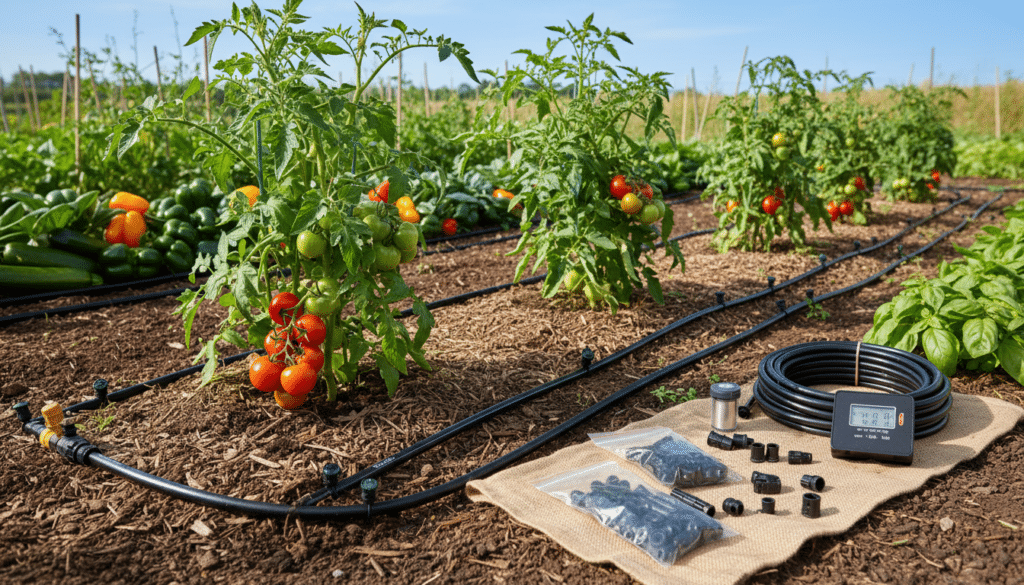
Managing water is the most important task for any beginner. If the soil is dry two inches down, it is time to add more water to your soil. On average, your vegetable garden needs about one inch of water per week, including rainfall.
It is vital to water the soil directly rather than the plant leaves. Splashing water on leaves often spreads diseases and creates fungal problems. You should aim to water deeply rather than frequently to encourage roots to grow deep into the earth.
Watch your plants for signs of drought stress, such as leaves drooping in the morning. Consistent hydration prevents the soil from drying out too quickly. This practice is especially important when temperatures start to rise.
Tip 22: Apply 1-2 Inches of Mulch to Retain Moisture
Apply 1-2 inches of organic mulch like shredded leaves or wheat straw to your garden beds. This layer helps retain soil moisture and suppresses weed growth effectively. It also helps moderate soil temperatures during the hot summer months.
Using mulch saves you time because you won’t have to pull every weed by hand. In the peak of summer, mulch keeps roots cool when temperatures soar. You can even use five or six layers of newspaper for a budget-friendly way to manage moisture.
Tip 23: Fertilize Based on Soil Test Recommendations
Always fertilize your plants based on your soil test recommendations. Overfertilizing can lead to lush green growth but very little fruit or flowers. It can also attract more pests to your gardening area because of the soft, new growth.
Crops like tomatoes or corn might need extra nutrients partway through the summer. Look for yellowing leaves, which often signal a nitrogen deficiency. Taking time to fertilize correctly ensures a better harvest and healthier plants.
Tip 24: Scout for Pests and Diseases Regularly
Scout for pests regularly by examining the undersides of leaves where they often hide. Intervening early can stop a few pests from becoming a massive infestation. Some pests, like slugs and snails, are much easier to find at night.
Look for “frass,” which is the residue left behind by hungry caterpillars. Learn to tell the difference between harmful pests and beneficial insects like ladybugs or bees. Protecting pollinators and predatory insects helps control pests naturally in your garden space.
Regular scouting for pests saves your crop from unexpected damage. Keeping your gardening tools clean also prevents the spread of disease between plants. A healthy plant is always your best defense against the heat of summer and fluctuating temperatures.
Essential Tools Every Beginner Gardener Needs
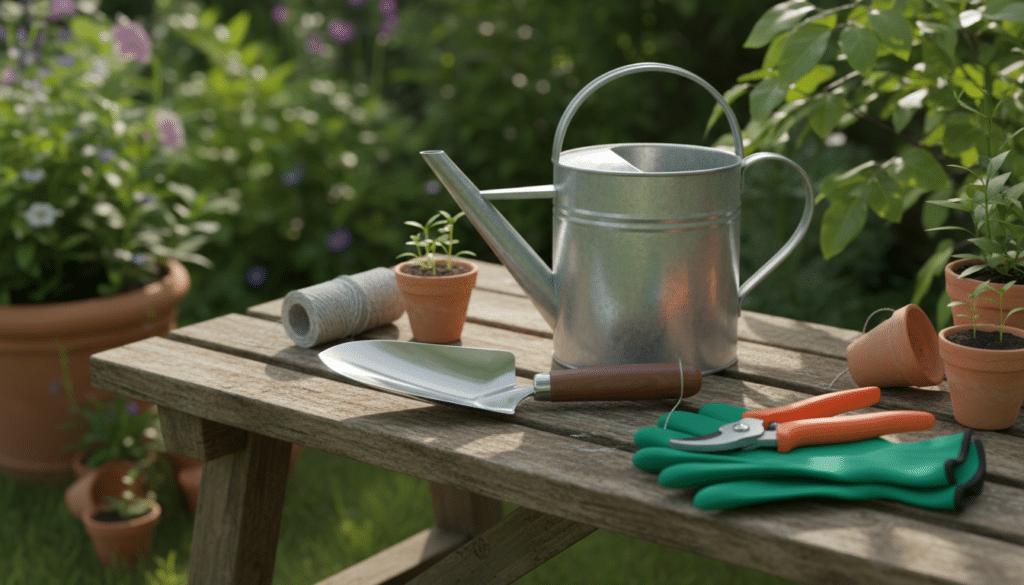
Equipping yourself with a reliable set of supplies ensures your time in the dirt is both productive and enjoyable. You do not need a shed full of expensive machinery to get started. Starting with just five essential items gives you everything needed to manage your space successfully.
Tip 25: Invest in Basic Quality Tools First
Investing in high-quality gardening tools from the beginning saves you significant money over time. Well-made gardening tools last for years, while cheap plastic versions break quickly and require constant replacement.
Select a sturdy garden trowel for digging small planting holes and moving seedlings into your garden beds. This tool is also perfect for working fresh organic compost into the soil in each bed.
Hand pruners are another essential for any serious gardener. Use them to harvest your vegetables cleanly and trim away dead foliage to maintain plant health throughout the season across the garden bed.
A reliable watering can or hose with a spray nozzle is absolutely critical for success. Consistent watering makes the huge difference between thriving plants and disappointing harvests in your vegetable garden.
Wear comfortable, well-fitting gloves to protect your skin from thorns, rough soil, and blisters. These are vital during planting and weeding sessions in your garden beds.
Finally, use a garden fork or spade to loosen compacted soil and mix in organic amendments. These basic tips ensure you have the right gear to maintain your vegetable garden without wasting energy. These tips help you build a solid foundation as you gain more experience.
Conclusion
Congratulations on learning these 25 essential tips! You are now prepared to successfully start and maintain your first garden. Whether you grow vegetables, herbs, or fruit, these steps lead to success. Every experienced gardener once started as a beginner who learned through practice.
Don’t be discouraged if things aren’t perfect in your first year. Each growing season teaches valuable lessons about your plants. Start planning your garden now by choosing a sunny location. Decide between raised beds or in-ground planting for your vegetable crops.
Success comes from starting small with manageable beds. Prepare healthy soil and choose beginner-friendly plants for the spring and fall. Stay consistent with basic care throughout the season. Growing your own vegetable plants provides fresh food and satisfying exercise.
Keep a garden journal to record which crops thrive in your bed. Experiment with new perennials as your confidence grows over time. Join a local gardening community to share crops and advice. With these foundations, you will create a thriving garden that brings joy for many years. Enjoy your harvest!
