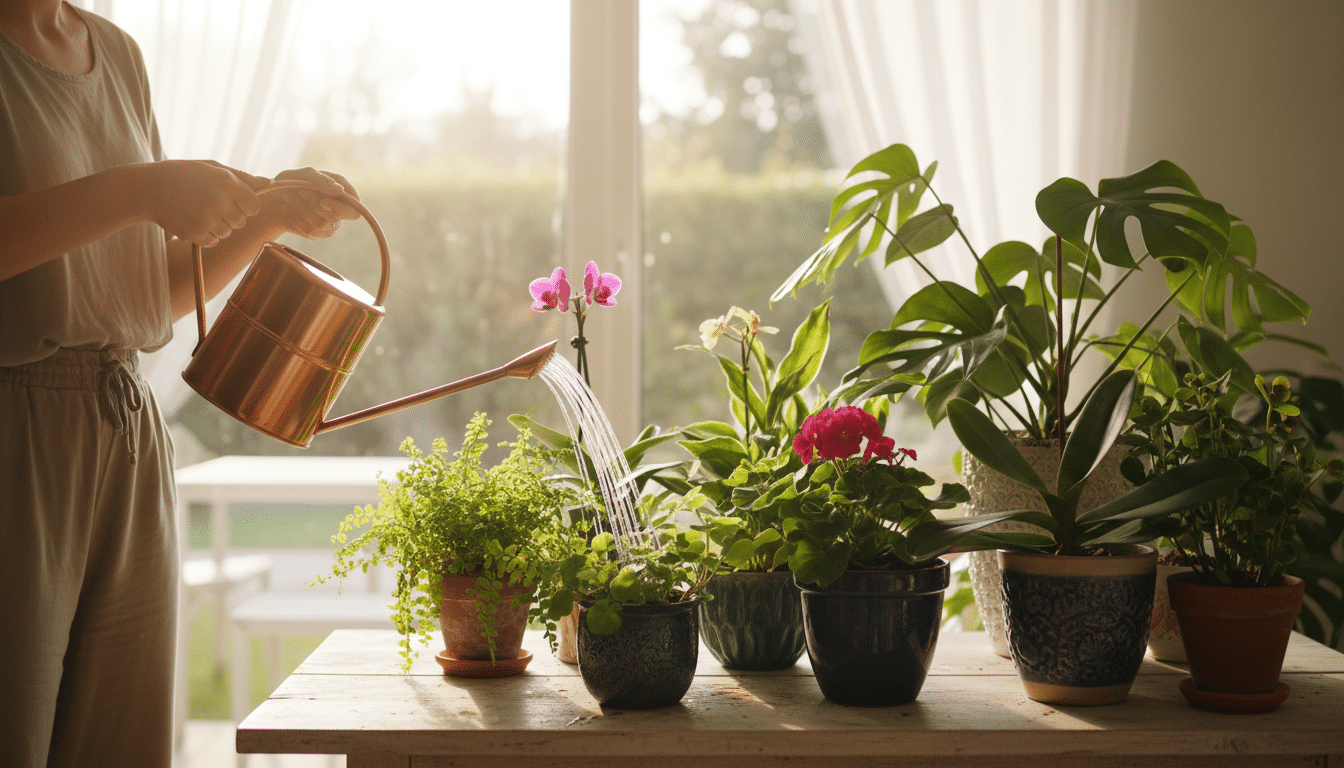
Have you ever wondered if your daily acts of love are actually causing your greenery to wilt away? Many indoor gardeners believe that more water means more life, but the reality is often quite different. Learning this skill is the most impactful way to keep your indoor garden thriving.
Whether you are a beginner or looking to refine your skills, success starts with a proper strategy in your home. Mastering how to water plants correctly involves three key elements: frequency, amount, and method. These factors work together to ensure each plant receives exactly what it needs to stay vibrant.
Many new owners face the challenge of overwatering their plants. This mistake is just as harmful as a drought because roots require a delicate balance of water and oxygen to survive. Without this balance, the soil becomes a place where decay begins rather than growth.
Proper watering requires learning to read the unique signals of your plant. Since there is no one-size-fits-all answer, you must adjust your watering routine based on specific environmental needs. This guide will help you keep your plants healthy by mastering practical techniques that prevent common problems.
By the end of this article, you will have the confidence to handle any hydration task. You will learn to adjust water levels to help your plants grow for years to come. Consistent watering habits transform a struggling garden into a lush, green sanctuary.
Key Takeaways
- Overwatering is a frequent mistake that can be as damaging as leaving soil too dry.
- Success depends on balancing frequency, amount, and technique.
- Healthy roots require a specific environment of both moisture and oxygen.
- Effective care involves reading unique signals from your greenery rather than following a strict calendar.
- There is no universal schedule for hydration; environmental factors change everything.
- Using the right method ensures that hydration reaches the areas where it is needed most.
Why Proper Watering Is Essential for Plant Health
Many people think hydration is just about quenching thirst, but it actually builds the very foundation of your greenery. Understanding why your plant thrives on hydration helps you become a much better gardener. Proper moisture management ensures your indoor garden stays vibrant and resilient all year long.
How Water Supports Plant Growth
All plants need liquid to fill up their internal cells. This vital process strengthens the fibers required to produce strong leaves and healthy stems. Water also serves as the primary vehicle for nutrient transport from the roots to the rest of the plant. Without this internal pressure, your garden cannot achieve consistent growth and vitality.
The Dangers of Overwatering and Underwatering
When you water too often, the soil stays saturated and lacks vital oxygen. These wet conditions can suffocate the roots and lead to a damaged root system. Saturated soil often invites nasty pests like fungus gnats or diseases like root rot.
Conversely, if you ignore your greenery when they need water, the internal system becomes brittle. Finding a balance ensures your plants maintain steady growth. Without enough water, many plants will simply wilt. Properly hydrated plants look stunning and stand tall against the elements.
| Hydration Status | Visual Signs | Root Condition |
|---|---|---|
| Overwatered | Yellowing leaves | Mushy and brown |
| Underwatered | Wilting or brown tips | Dry and brittle |
| Perfectly Balanced | Firm, green leaves | White and strong |
Understanding Different Plant Water Requirements
Before you grab your watering can, you must realize that not all greenery shares the same thirst levels. Just as humans prefer different climates, your plants have evolved specific adaptations based on their native habitats. Researching your specific plant before you water plants is the best way to prevent common health issues.
Tropical Plants vs. Succulents
Tropical varieties like ferns and calatheas come from humid rainforests and usually require soil that stays consistently moist. If these plants dry out completely, their leaves may quickly turn brown or crisp at the edges. They thrive when they have a steady supply of hydration to mimic their natural tropical home.
In contrast, succulents are built for arid desert conditions and prefer to stay on the dry side. You should be careful because these varieties are highly susceptible to root rot if you water plants too frequently. It is often better to let the soil dry out entirely before offering them another drink.
Indoor vs. Outdoor Plant Needs
The environment plays a huge role in how often your plant will need water throughout the week. Indoor spaces offer stable temperatures but lower light levels, which means the soil often stays damp for longer periods. You must adjust your routine to ensure you do not drown the roots in these static conditions.
Outdoor gardens face wind, fluctuating temperatures, and direct sun, which naturally speeds up the evaporation process. Even a hardy variety might require daily attention during a hot summer heatwave. Always check the soil moisture levels rather than relying on a fixed calendar date.
Water Requirements by Plant Type
Using the right watering strategy depends heavily on the species and its growth habits. For example, a thirsty Peace Lily will demand attention much more often than a hardy Snake plant kept in the same room. Understanding these differences helps you avoid the “one-size-fits-all” trap that leads to garden failure.
| Plant Category | Example Species | Watering Preference |
|---|---|---|
| Leafy Crops | Lettuce, Spinach | Consistently moist soil |
| Root Crops | Carrots, Beets | Less frequent deep watering |
| Drought Tolerant | Snake Plant, Aloe | Allow to dry out completely |
You should group your greenery by their specific watering needs to make your weekly routine much easier. This method ensures you never accidentally give too much moisture to a desert type while neglecting a thirsty tropical type. Consistent watering keeps your garden vibrant, healthy, and growing strong.
“The best fertilizer for any garden is the shadow of the gardener.”
Your plants will thrive when you take the time to learn their unique languages and rhythms. While one specific plant might be very vocal about its thirst, others suffer in silence. Healthy plants require a balance of observation and action tailored to their evolutionary history.
Key Factors That Determine Watering Frequency
Knowing when to grab your watering can is less about a calendar and more about observing specific conditions. Many variables influence how quickly a plant uses its supply.
As your experience grows over the year, you will start to notice these patterns naturally. Each home environment creates a unique schedule for every pot on your shelf.
Pot Size and Material Type
The container you choose plays a massive role in how much water stays available for your roots. A small size means the plant has less dirt to hold onto hydration, requiring more frequent attention.
Terra Cotta vs. Plastic Pots
Terra cotta and clay are porous materials that allow air to reach the root ball directly. Because air moves through the walls, water evaporates from the surface and sides much faster than in plastic.
Plastic pots are non-porous and trap moisture inside for a longer duration. You will find that plants in plastic need a drink much less often than their friends in clay.
The Importance of Drainage Holes
Drainage holes are non-negotiable for most plant species to prevent drowning the roots. They allow excess liquid to flow out the bottom, protecting the plant from rot.
Soil Type and Composition
The specific soil mix you use determines how much liquid is retained after each watering. Heavier mixes hold onto water longer, while gritty, well-draining mixes dry out in a short time.
If you use a top-dressing like moss or bark, it protects the surface from the air. This layer slows down evaporation, meaning you won’t need to water as frequently.
“To garden is to believe in tomorrow, and that starts with understanding the ground beneath the leaves.”
Environmental Conditions
External conditions like light and airflow dictate how hard your plant has to work. More activity from the plant means it will get thirsty much faster.
Light Exposure
Plants sitting in bright, direct sunlight perform photosynthesis at a much higher rate. This process uses up water quickly, so sun-loving plants need more consistent checks.
Temperature and Humidity
Higher temperatures in your home cause soil to dry out rapidly through evaporation. Conversely, high humidity levels keep the moisture in the air and the dirt, slowing down the drying process.
Seasonal Changes
Your watering time will shift as the seasons change outdoors. During the summer, plants are in their active growing phase and require plenty of hydration to thrive.
In the winter, many plants enter a period of rest and use very little water. Always reduce your frequency during the winter to avoid keeping the roots too wet while the plant sleeps.
| Factor | Increases Frequency | Decreases Frequency |
|---|---|---|
| Pot Material | Terra Cotta | Plastic or Ceramic |
| Light Level | Bright Indirect/Direct | Low Light |
| Season | Spring and Summer | Fall and Winter |
How to Check If Your Plants Need Water
Instead of sticking to a rigid calendar, you should learn to read the signs that your plant actually needs a drink. Developing a routine of checking the soil before you act is far better than following a strict watering schedule.
Conditions change daily, and these shifting factors impact how fast your pots dry out. Getting comfortable with a few checking techniques will soon become second nature to you.
The Finger Test Method
The simplest method is to stick your finger two to three inches below the surface to feel for wetness. Just because the top looks dusty doesn’t mean the roots are thirsty. Most roots sit deep in the pot and need you to feel for moisture at that lower level.
Using a Moisture Meter
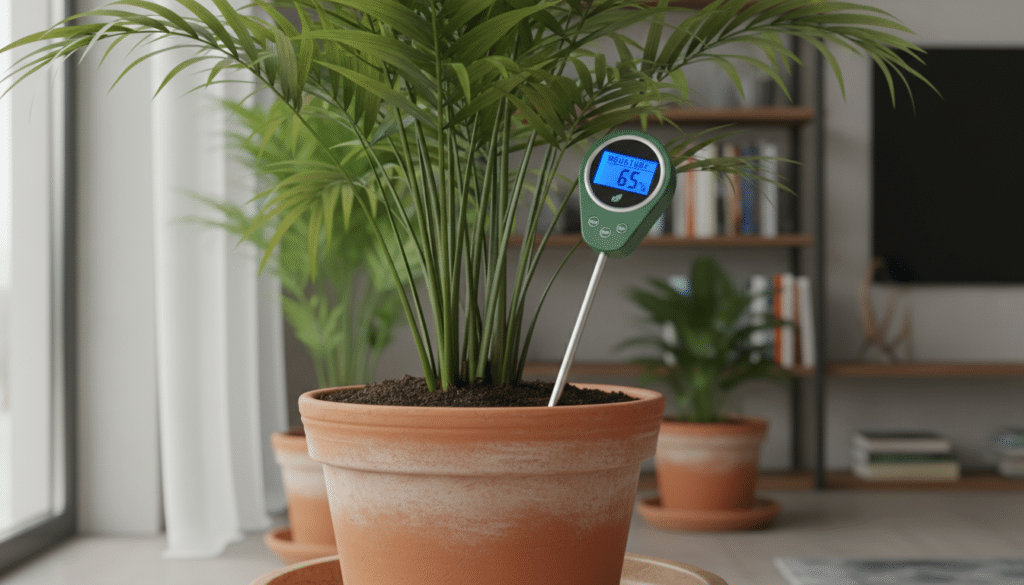
For large floor plants, a moisture meter for plants is an excellent tool for your home. It helps you check the soil at a depth of about six inches where your finger cannot reach. If the device does not detect any dampness, it is finally time to water your greenery.
Reading Visual Cues from Your Plants
Your plant often shows you exactly what it needs through the appearance of its leaves. If the foliage looks pale or wrinkled, it likely needs more water immediately. However, if the stems feel soft and mushy with brown spots, you are likely overwatering.
This visual method ensures you only add water when the soil is truly dry. Pay attention to these cues to keep your indoor garden thriving all year long.
How to Water Plants Correctly: Step-by-Step Guide
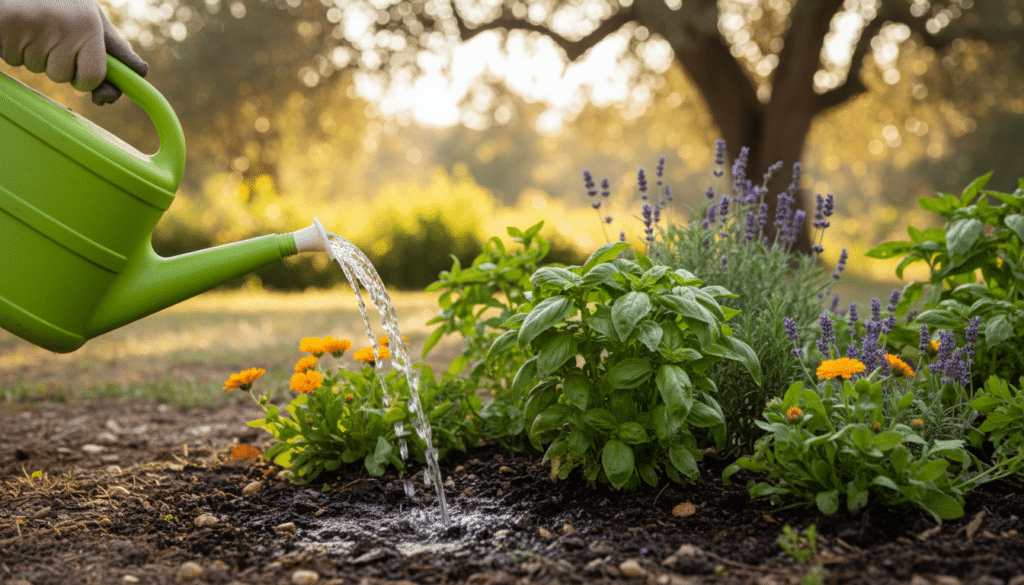
Taking the guesswork out of plant care starts with a clear, repeatable process for every watering session. By following these simple steps, you can turn a chore into a quick habit that ensures your foliage thrives.
“To plant a garden is to believe in tomorrow.”
Step 1: Choose the Right Time to Water
Aim to water your indoor plants during the morning or early day. A morning routine is best because plants are actively growing and can use moisture efficiently.
At this time, your plant processes nutrients with the help of sunlight. Finding the right time ensures your greenery uses hydration throughout the day.
Step 2: Use Room Temperature Water
Avoid using cold tap water directly from the faucet. Cold temperatures can shock the roots, while room temperature water is much gentler and better for absorption.
Step 3: Water at the Soil Level
Keep your watering can spout below the leaves and aim it directly at the water soil. This is the best way to prevent bacterial and fungal infections on the foliage.
Step 4: Water Evenly Around the Entire Pot
Do not just pour water in one single spot. Because root systems often mirror the foliage above, only wetting one side causes uneven development and lopsided growth.
Step 5: Water Thoroughly Until It Drains
Apply enough liquid so that it flows freely out of the bottom drainage holes. This thorough watering ensures that moisture reaches every root tip, not just the top of the soil.
Step 6: Remove Excess Water from Saucers
Wait a few minutes for the drainage to stop, then empty the saucer. Discarding excess liquid avoids soggy soil and keeps the leaves looking healthy and vibrant.
Determining the Right Amount of Water for Your Plants
Determining the perfect volume of moisture ensures your greenery thrives without the risk of rot for your plant. You must aim to moisten the soil to a depth of 20-30cm where the roots actually grow. Watering slowly helps the liquid soak in deeply around the roots rather than just running off the surface to keep your plants healthy.
General Guidelines by Plant Category
Different plants have specific moisture needs based on their natural environment. For example, succulents need just enough to moisten the root zone before drying out completely. Tropical plants require enough water to stay consistently moist throughout the soil without being soggy.
Adjusting Water Amounts in Summer vs. Winter
Your watering schedule must change as the seasons shift throughout the year. During the summer, your plant is active and uses resources quickly to stay cool. In the winter, plants rest and require much less water than during the warmer months.
Special Considerations for Different Container Sizes
The size of a pot determines how much moisture the soil can hold. Small pots dry out quickly and need smaller amounts more frequently. For containers, these plants need you to check them daily from spring through autumn and water plants when the top 2-3cm are dry.
For newly planted specimens, watering is vital for their survival. Give each new plant extra attention to help it establish a strong root system. You should water plants around the base until the soil is evenly moist down to a depth of 15cm.
Common Watering Mistakes and How to Avoid Them
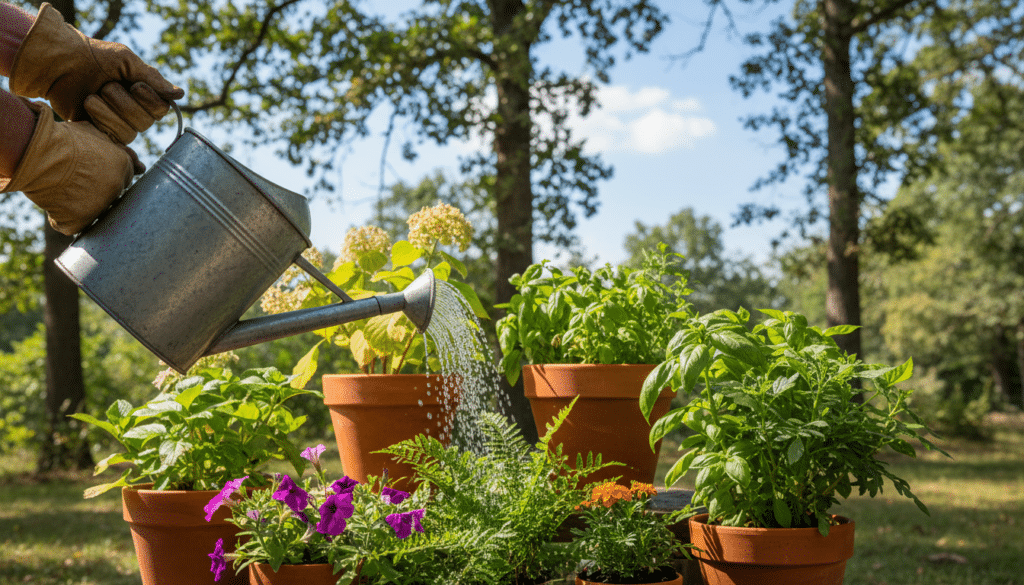
Many new hobbyists struggle with moisture levels, but these errors are easy to fix. Understanding the subtle signals from your greenery is the best way to keep it thriving. Overwatering is actually the most common reason plants fail in professional settings.
Signs You’re Overwatering Your Plants
If your plant feels soft or mushy, you are likely giving it too much water. You may also notice dark portions or brown spots appearing on the leaves.
Soggy soil left for a long time can lead to fungus gnats and root rot. Damaged roots cannot recover easily once they sit in stagnant liquid for too long.
Signs of Underwatering and Quick Fixes
When plants look pale or have wrinkled leaves, they are likely too dry. You might even notice the soil pulling away from the sides of the pot.
Luckily, most species recover from being dry much better than being drowned. If you are ever unsure, it is usually safer to wait an extra day before watering plants again.
Why Fixed Watering Schedules Don’t Work
A set schedule doesn’t account for what plants need at any specific moment. Avoid the “hit and run” method of splashing a little liquid every few days without truly soaking the roots.
Watering plants every single morning is simply too much for most indoor species. Always check the moisture level first to ensure oxygen can still reach the base of your greenery.
Conclusion
Learning how to properly hydrate your greenery is a rewarding journey that gets easier with experience. You will soon instinctively know when a plant in your home or garden needs attention. Always check if the soil dry below the surface before you water soil. If you find the soil dry often, your greenery may need a more flexible plan.
Apply these tips to keep your plants healthy throughout the year. Avoid splashing the foliage to keep the foliage clean and focus on the roots. Since conditions change, your greenery may need more water on sunny days. Choosing the right type for bright morning light is the best way to succeed.
In your garden, use organic matter to help plants retain moisture. Store rainwater and avoid using mains water unless it is a last resort. Observe the leaves to see what each plant requires. With experience, your watering routine will create a thriving garden. Use these tips to ensure your watering helps all your plants and water them effectively.
