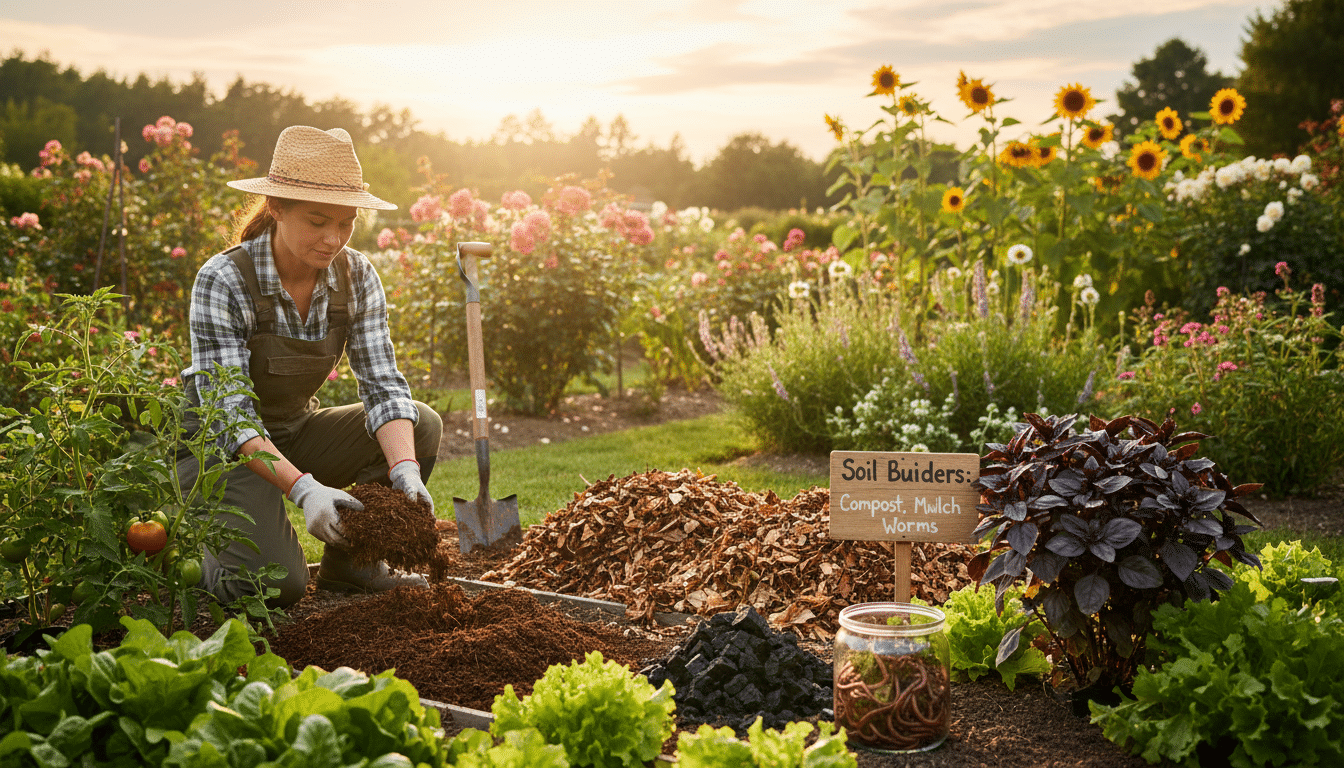
Have you ever wondered why some plants flourish while others barely survive despite your best efforts? The secret often lies beneath your feet, hidden within the very earth you walk upon. Healthy dirt acts as the heart of your growing space, fostering vibrant life that resists pests and weather.
Building healthy garden soil is more than a simple chore; it represents an ongoing relationship with the land. This friendly guide offers effective ways for transforming your dirt into a nutrient-rich haven without using harsh chemicals. Healthy soil provides the essential foundation for plants that stand a better chance against environmental stress.
By adding organic matter, you help sandy ground hold moisture or assist heavy clay with draining more easily. Understanding how to improve garden soil naturally ensures your plants stay resilient throughout the year. You can explore these gardening tips and resources for helping your green thumb flourish. Improving your soil is a rewarding journey that gets easier every season.
Key Takeaways
- Healthy ground is the foundation for thriving plants and better harvests.
- Adding organic matter improves water retention in sandy earth.
- Natural methods help heavy clay drain much more effectively.
- Soil care is an ongoing relationship rather than a one-time project.
- Natural amendments create lasting change without using synthetic products.
- Assessing your current ground conditions is the first step to success.
Understanding Your Garden Soil
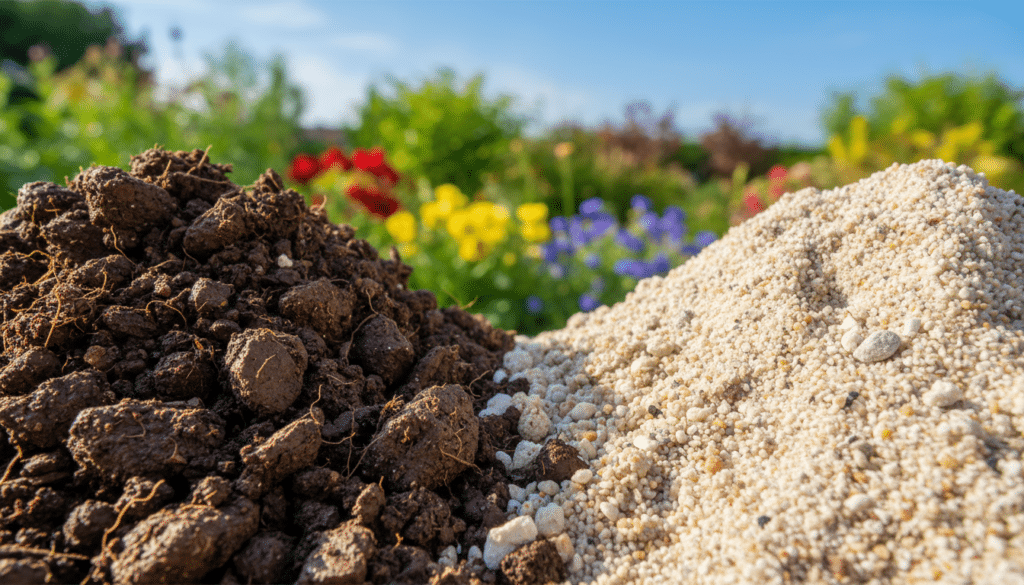
Your garden’s true potential is hidden within the complex makeup of its ground. Before you start planting, you must recognize that soil is a living ecosystem rather than just dirt. It acts as the foundation for everything you hope to harvest this season.
What Makes Soil Healthy?
Healthy earth is teeming with invisible activity that supports vigorous plant growth. It provides essential water, as many plants contain up to 90% moisture within their stems and leaves.
Good ground looks dark and crumbly, much like a wrung-out sponge. It offers a stable place for roots to anchor while allowing them to breathe freely.
“The nation that destroys its soil destroys itself.”
The Four Key Components of Good Soil
Every handful of earth contains four essential ingredients in specific proportions. Healthy soil usually consists of 45% mineral particles and 5% organic matter.
The remaining 50% is divided equally between air and moisture. These spaces between solids hold the nutrients that your greenery needs to survive.
Identifying Your Soil Type
You can discover your specific soil type by examining how it feels in your hands. Simple home tests help you understand how your garden handles moisture and fertility without a lab.
Clay Soil Characteristics
Clay features tiny, flat mineral particles that stick tightly together when they get wet. This creates a dense mud that is difficult for plants to penetrate and takes a long time to dry out.
Sandy Soil Characteristics
Sandy ground contains large, gritty particles that fit loosely together. This structure causes water to drain away too quickly, often washing away vital nutrients before roots can grab them.
Silty Soil Characteristics
Silty textures offer a middle ground with smooth, medium-sized particles. While it provides better drainage than heavy mud, it can still compact into a hard crust if you do not care for it properly.
Loamy Soil: The Gold Standard
Loamy soil is the ultimate goal for every home gardener. It feels damp but not sticky, crumbles with ease, and stays packed with rich organic material for your crops.
| Soil Type | Particle Size | Water Retention | Gardening Quality |
|---|---|---|---|
| Clay | Very Small | High | Heavy and Dense |
| Sand | Large | Low | Dries Out Fast |
| Silt | Medium | Moderate | Silky and Smooth |
| Loam | Mixed | Ideal | Perfect Foundation |
How to Improve Garden Soil Naturally: Test Your Soil First
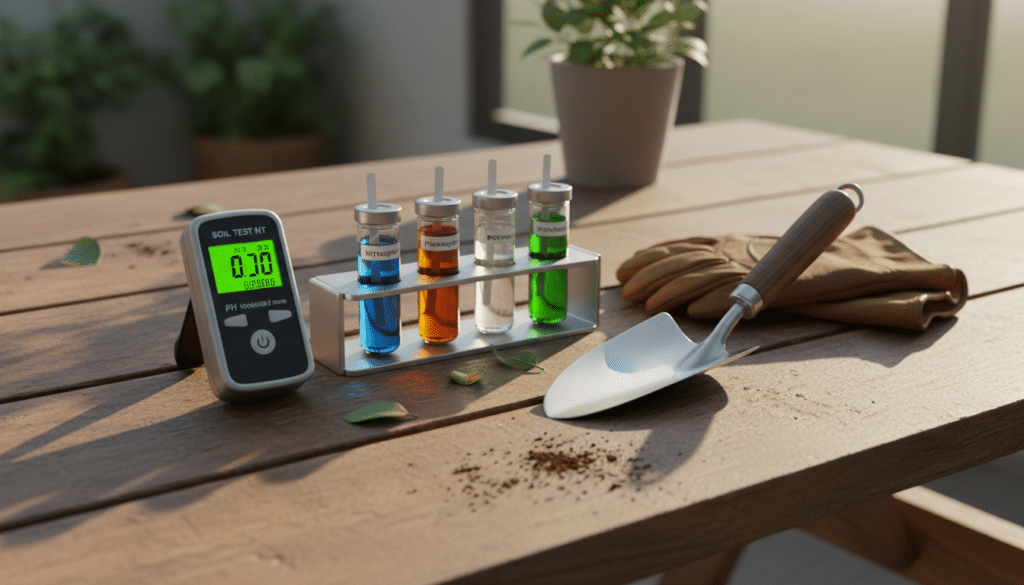
Understanding your dirt begins with a simple diagnostic step that reveals the hidden secrets of your backyard ecosystem. You might feel tempted to start digging and adding fertilizers immediately, but guessing can lead to expensive mistakes. A proper soil test acts as your roadmap, showing you exactly what your garden needs to thrive.
By taking the time to test your ground, you ensure that every amendment you add serves a specific purpose. This scientific approach saves you time and money while protecting the local environment from runoff. You will soon see that healthy gardening starts with data, not just intuition.
Why Soil Testing is Essential
A soil test is your secret weapon for long-term garden success. It prevents you from wasting money on organic amendments that your garden might not even require. You will discover the precise chemical makeup of your land, allowing for targeted improvements.
Detailed results remove the guesswork from your seasonal preparations. When you know the current state of your soil, you can create a customized plan for the year ahead. This ensures your plant life receives the perfect balance of care.
Testing Soil pH Levels
The pH level determines whether your garden is acidic or alkaline. This balance dramatically affects whether your crops can actually access nutrients that are already in the ground. Most vegetables grow best when the pH stays between 6.0 and 7.0.
The optimal zone for most species is 6.0 to 6.5, which supports strong microbial activity. If the level is too high or too low, your garden will struggle even if you add the best compost. Regular monitoring ensures the environment remains hospitable for your favorite crops.
Testing for Essential Nutrients
Testing for essential nutrients shows you the levels of the “big three” elements. These are vital for different stages of development. Knowing these numbers helps you choose the right organic fertilizers.
Nitrogen for Leaf Growth
Nitrogen testing reveals if you have enough of this element for lush green growth. It is especially important for leafy greens like kale and spinach. Without it, your stems may remain weak and stunted.
Phosphorus for Root Development
This element is crucial for building strong roots and producing beautiful flowers. High phosphorus levels are necessary for crops like tomatoes and squash to produce a heavy harvest. It provides the energy needed for early establishment.
Potassium for Overall Plant Health
Potassium helps your garden build resistance against common diseases and pests. It also plays a major role in the flavor and size of your fruits. Think of it as a total health booster for everything you grow.
Simple DIY Soil Tests You Can Do at Home
You do not always need a laboratory to understand your backyard. You can perform several effective evaluations at home using basic supplies. These methods provide instant feedback on your garden’s physical condition.
The Jar Test for Soil Texture
The jar test is a simple way to see your soil texture. Fill a clear jar halfway with dirt and add water, then shake it vigorously. After 24 hours, you will see distinct layers of sand, silt, and clay.
The Squeeze Test
The squeeze test is a quick way to check workability and moisture at home. Grab a handful of damp dirt and squeeze it in your palm. If it forms a sticky ball, you have high clay; if it crumbles instantly, it is likely sandy.
Add Compost and Organic Matter
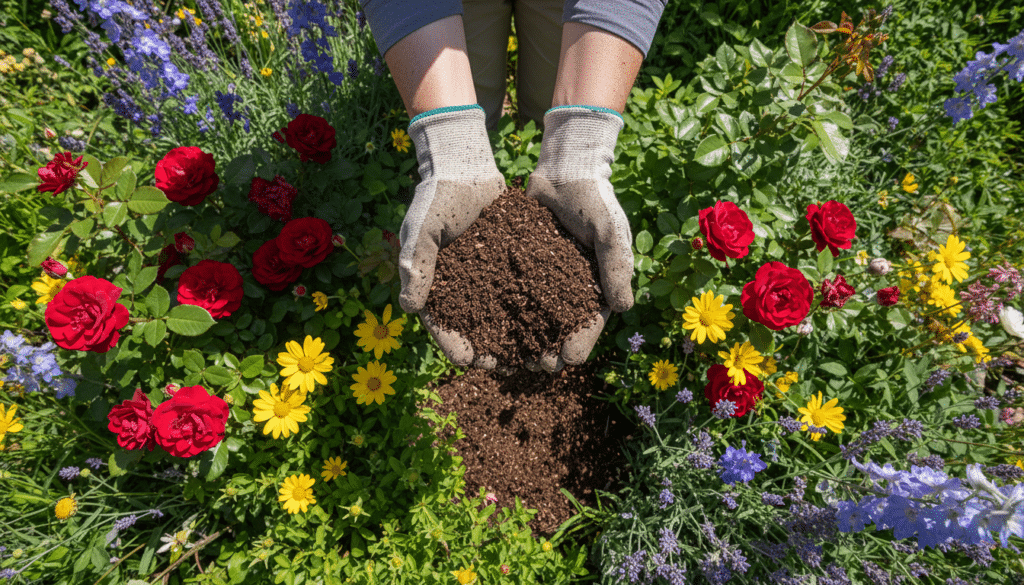
One of the single best things you can do for your landscape is to prioritize the addition of dark, rich organic matter. It acts as “garden gold,” turning poor dirt into a powerhouse of health for your plants. This simple step transforms the way your backyard grows.
Why Natural Material is the Key to Soil Health
This biological matter nurtures millions of beneficial organisms, including earthworms and helpful bacteria. These creatures consume the material and break it down into nutrients that your plants can easily absorb. Healthy soil is a living ecosystem that thrives when you feed it correctly.
Adding this material also improves the physical structure of the ground. It helps sandy types retain moisture and allows heavy clay to drain much more effectively. By creating small aggregates, it prevents the soil from becoming too compacted for roots to grow.
Best Sources for Your Beds
You can find many ways to improve your garden using items already in your yard or local community. Using a variety of sources ensures your plants receive a wide spectrum of essential minerals.
Finished Compost
This dark, crumbly substance is the ultimate all-around amendment for any gardener. High-quality compost provides balanced nutrition and introduces billions of beneficial microbes to the environment. It is the most reliable way to jumpstart a tired garden bed.
Aged Manure
Using aged manure from cows, horses, or chickens provides a concentrated boost of nitrogen. You must ensure it is fully decomposed to avoid burning sensitive plant roots. Manure that has sat for several months is safe and highly effective.
Leaf Mold and Grass Clippings
Dry leaves and fresh grass clippings are excellent free resources from your own lawn. These materials add valuable carbon and nitrogen to the existing matter in your garden. They are easy to collect and work wonders over time.
Other Organic Materials
You can also use wood chips, seaweed, or food scraps to build long-term fertility. Each of these items contributes to a diverse and resilient soil structure. Diversity in your amendments leads to a more stable growing environment.
How Much to Apply
If you are starting a new bed, mix 2-3 inches of compost into the top 6-8 inches of the ground. For established gardens, you should add organic matter by applying a 1-2 inch layer to the surface each year. Aim for the final blend to be about 25 percent natural material.
When to Feed Your Garden
Fall is the most ideal time to add compost to your landscape. This timing gives the materials all winter to break down before the spring growing season begins. However, you can also add organic matter in early spring if you plan a few weeks ahead.
How to Incorporate Everything into Soil
The best way to add compost is to spread it evenly and lightly mix it into the surface. You can also use the top-dressing method by letting earthworms pull the matter deeper into the soil naturally. This preserves the delicate underground structures while still providing necessary nutrients for your soil.
Adjust Soil pH with Natural Amendments
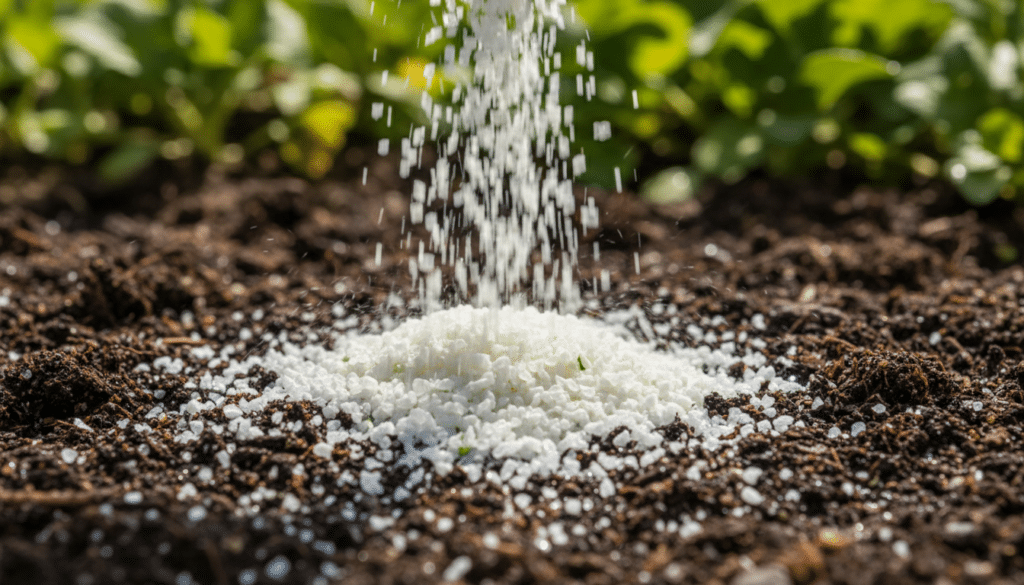
Improving your harvest starts with fine-tuning the acidity or alkalinity of your garden beds through natural amendments. A pH test below 7 means acidic soil, while anything above 7 is alkaline. Understanding these numbers helps you decide which natural boosters to use for a healthy garden.
Understanding Soil pH and Plant Health
The pH level of your soil directly impacts how well your plants absorb nutrients. Even if your dirt is rich in minerals, the wrong acidity level can lock them away from roots. Most garden vegetables prefer a slightly acidic range between 6.0 and 7.0 for optimal growth.
Raising Soil pH for Acidic Soils
If your test results come back below 6.0, your garden likely needs a boost to become less acidic. This is a common issue in rainy climates where minerals leach away quickly.
Using Garden Lime
Using garden lime is the most effective way to raise your pH levels naturally. You can choose calcitic lime or dolomite lime, but keep in mind that dolomite also adds magnesium. Be aware that gypsum is different; it improves structure but won’t change pH like a dedicated lime product.
Application Rates and Timing
Always follow the package instructions for application rates to avoid over-correcting. It is best to apply lime in the fall, as it works slowly and needs several months to react with the earth.
Lowering Soil pH for Alkaline Soils
For an alkaline environment, you need to bring the pH down to accommodate acid-loving crops. High alkaline levels can often lead to yellowing leaves and stunted growth in your garden.
Using Sulfur
Applying elemental sulfur is the most direct method to acidify soil that is too basic. Like other amendments, it requires time for bacteria to convert it into a form that shifts the chemistry.
Adding Compost and Pine Needles
You can also add organic matter to gently lower the pH over time. Mixing in finished compost or mulching with pine needles helps create a more acidic environment naturally. Using compost also builds better structure while slowly feeding your plants.
How Long pH Changes Take to Work
Changing your soil chemistry is not an overnight process. It often takes several months or even a full year to see a significant shift in the balance. Patience is key, so plan ahead and always retest before adding more amendments.
Apply Organic Mulch Regularly
Think of organic mulch as a cozy, protective blanket that you drape over your garden’s surface. This natural layer prevents harsh wind and heavy rain from eroding your precious soil. It also creates a barrier that keeps harmful soil bacteria away from your delicate plant stems.
The Benefits of Mulching Your Garden
Using mulch provides a massive boost to the health of your vegetable patch. It helps the ground retain moisture during hot summer days, which means you spend much less time watering. By blocking out the sun, it also stops weed seeds from sprouting and stealing nutrients.
Best Organic Mulches for Vegetable Gardens
Choosing the right materials for your organic mulch for vegetable gardens often depends on what you have nearby. Different plants may prefer different textures to thrive throughout the growing season.
Straw and Hay
Straw is a favorite among gardeners because it offers excellent weed suppression. It is easy to spread around larger plants like pumpkins or tomatoes. Just be careful to use “seed-free” straw to avoid growing unwanted grains in your beds.
Shredded Leaves
Autumn leaves are a free gift from your trees that you should never throw away. When you use shredded leaves, they create a light, breathable layer that improves soil structure as it rots. They are perfect for protecting the soil over the winter months.
Wood Chips and Bark
These materials represent a much tougher type of matter. They are ideal for garden pathways or around permanent fruit bushes because they take a long time to break down. They give your garden a clean, professional look while keeping your shoes dry.
Grass Clippings
Fresh grass clippings are rich in nitrogen and make a great mulch for heavy feeders. You should only apply them in thin layers to ensure air can still reach the roots. Make sure your lawn was not treated with chemical weed killers before you start spreading.
How to Apply Mulch Correctly
Spread your chosen material across the soil surface at a depth of two to four inches. Always remember to leave a small gap around the base of each plant stem to prevent rot. This specific technique ensures that moisture levels remain consistent without inviting fungal diseases.
How Mulch Becomes Tomorrow’s Organic Matter
Over time, active soil life breaks down this woody matter. Earthworms and tiny microbes gradually pull these materials deep into the earth. This amazing process transforms the decaying layer into rich organic matter.
This cycle ensures that your soil always has a fresh supply of organic matter to feed your crops. Eventually, this recycled matter becomes the very foundation of your garden’s fertility. You can enjoy better harvests every year by letting nature do the heavy lifting for you.
Use Cover Crops and Green Manure
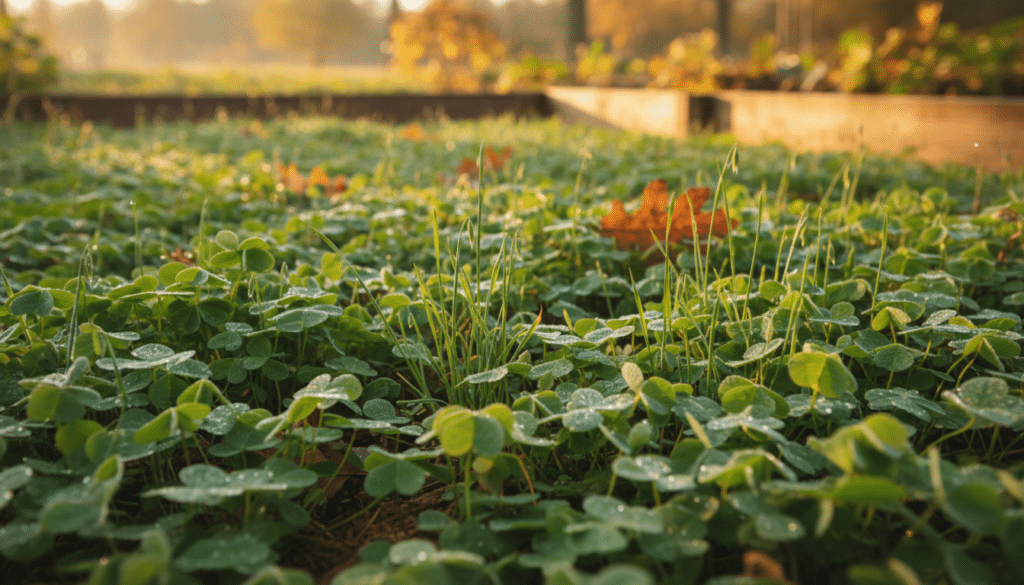
Instead of leaving your garden patches bare this winter, consider planting a living blanket. Using cover crops is a smart way to keep your soil active even when you are not currently growing vegetables for your table.
These specialized crops act as a placeholder for your garden. They protect the ground from the elements while building fertility naturally.
What Are Cover Crops?
Cover crops, often called green manure, are specific plants grown primarily to benefit the earth rather than for harvest. They allow your garden beds to rest while still producing high-quality organic material right where it is needed most in the soil.
Benefits of Growing Cover Crops
These crops prevent erosion during heavy winter rains and naturally suppress weed pressure. By filling empty spaces, they block out the light that unwanted weed seeds need to germinate.
Adopting this manure strategy ensures your garden stays healthy. It essentially allows you to grow your own fertilizer during the off-season months.
Best Cover Crops for Different Purposes
Different species offer unique advantages for your backyard ecosystem. You can choose a variety based on what your ground needs most right now to thrive.
Nitrogen-Fixing Legumes
Legumes like clover and field peas pull nitrogen from the air and store it in their tissues. This nitrogen becomes available to your future plants once the cover crop decomposes.
Deep-Rooting Crops for Aeration
Crops like daikon radish have strong roots that dive deep into the earth. These roots break up compacted layers, improving drainage and air flow for better growth in the coming season.
Fast-Growing Biomass Producers
Oats and buckwheat provide rapid growth and massive amounts of organic matter. They help crowd out any remaining weed survivors and build up the soil structure quickly before winter hits.
When and How to Plant Cover Crops
The best time to sow your seeds is usually in late summer or early fall. Simply broadcast the seeds over your prepared beds and lightly rake them in to ensure good contact with the ground.
Harvesting and Using Your Green Manure
The manure process ends just as the first flowers appear on your cover crop. You should cut the plants at the base before they set new seeds to prevent them from becoming weeds themselves.
Leave the cuttings on the soil as a nutrient-rich mulch. This simple method feeds your earth and prepares it for a highly productive new season.
Practice No-Till Gardening
Turning over the earth might feel like a spring tradition, but skipping the tilling can actually transform your soil health. When you stop digging, you allow a complex underground world to thrive without any interruption. This hands-off approach mimics nature, where layers of organic matter build up to create rich earth in your garden.
Why This Approach is Better for Soil Health
Tilling often destroys the delicate networks of fungal threads that help your crops thrive. These fungi form deep partnerships with plant roots, delivering vital water and nutrients. By keeping the soil intact, you preserve a stable home for the beneficial bacteria that keep plants strong and disease-resistant.
How the System Works
This method works by building fertility from the top down instead of mixing it in by hand. When you leave the ground undisturbed, you do not bring buried weed seeds to the surface where they can sprout. This creates a much cleaner garden environment over time and saves you hours of tedious weeding.
For established beds, follow a no-dig approach: top-dress with 1-2 inches of compost each year and let earthworms and microbes work it in naturally.
Starting Your First No-Dig Garden
To begin, you can cover existing grass or weeds with layers of plain, brown cardboard. Add several inches of high-quality compost on top, followed by a layer of organic mulch. You then plant your seedlings directly into this fresh surface to give them a head start.
Maintaining Healthy Growing Beds
Your maintenance routine becomes much simpler each season as the ground structure improves. You simply add more organic matter to the top of your beds and let the weather handle the rest. This constant addition of nutrients keeps your plants healthy while the ground becomes more porous every year.
The Vital Role of Underground Organisms
In an undisturbed system, earthworms are your hardest workers and most valuable allies. They pull organic material down from the top, creating tunnels that improve drainage and airflow. Their constant movement ensures your ground remains fertile and well-aerated without a shovel.
| Feature | Standard Tilling | No-Till Method |
|---|---|---|
| Structure | Broken and compacted | Stable and porous |
| Weed Pressure | High (stirs up weed seeds) | Low (seeds stay buried) |
| Living Biology | Disrupted populations | Thriving earthworms |
The microbes in your soil also form stable communities that break down waste efficiently. These tiny helpers ensure that your garden stays fertile without the need for synthetic chemicals. Over time, you will notice the ground feels spongier and looks much darker than before.
Amend Soil Based on Your Soil Type
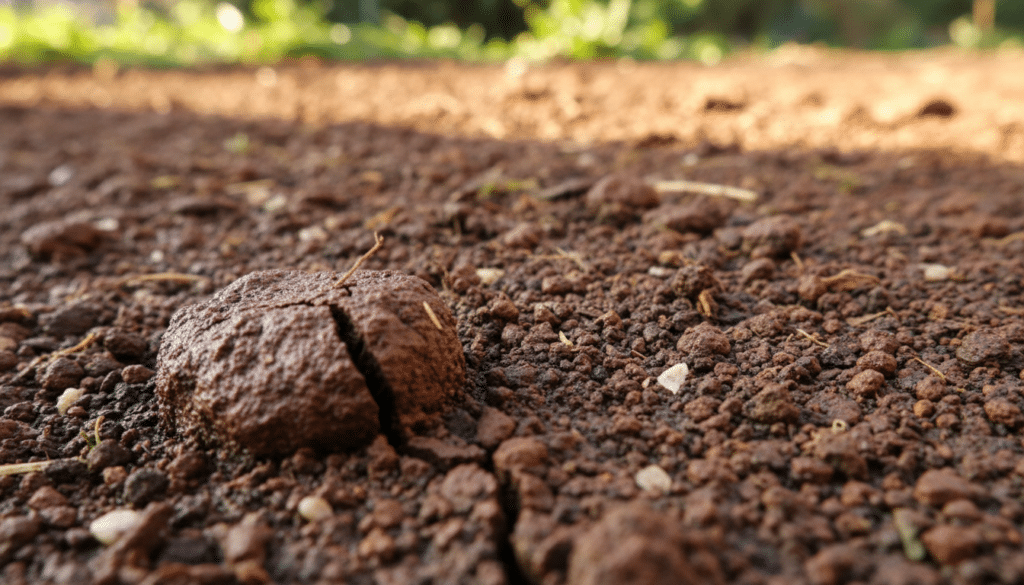
You can transform even the toughest ground by matching the right amendments to your specific soil texture. Every garden soil has its own personality and requires a custom touch to reach its full potential. Understanding whether you have heavy or light earth dictates which natural materials will provide the best results.
Improving Heavy Clay Soil
Heavy clay can be frustrating for gardeners because it feels like working with modeling dough. Tiny particles stick together tightly, making it very difficult for water and air to reach plant roots. When it dries out, it becomes hard and cracked, which physically stresses your plants.
Add Coarse Organic Matter
To fix this, you should add organic materials that are fibrous and thick. Try mixing in shredded bark, wood chips, or straw to create air spaces between those tight clay particles. This process naturally improves drainage and gives roots more room to grow over time.
Use Gypsum for Breaking Up Clay
Gypsum is a mineral that helps clay clumps break apart without changing the pH of your ground. It encourages the earth to form larger aggregates that drain effectively. This mineral allows oxygen to penetrate deeper into the root zone.
Avoid Adding Sand
Many people think adding sand will help, but this is a common mistake. Combining sand with heavy clay creates a substance similar to concrete. This mixture is actually worse for your garden soil than the original material.
Improving Sandy Soil
Sandy ground feels gritty and drains far too quickly, often leaving your plants thirsty. It lacks the natural ability to hold onto nutrients and water for long periods. You must focus on building density and nutrition to help your garden thrive.
Add Moisture-Retaining Amendments
Your primary goal is to increase moisture retention so your plants do not dry out in the afternoon sun. Incorporating plenty of organic matter acts like a sponge. This matter grabs onto liquid before it disappears deep into the ground where roots cannot reach it.
Use Compost and Aged Manure
Adding compost and well-aged manure provides a double benefit for sandy areas. These materials help bind loose particles together while providing a steady stream of nutrients. Always add organic materials at least once a year to keep the texture rich and dark.
Consider Coconut Coir
Coconut coir is a sustainable alternative to peat moss that works wonders in sand. It holds several times its weight in water and breaks down slowly. This ensures your plants have a consistent reservoir of hydration even during dry spells.
Improving Silty Soil
Silty ground is made of medium-sized grains that feel like soft flour. While it is often fertile, it packs down easily when it gets wet. You should mix in compost annually and avoid tilling to prevent the surface from becoming a hard crust.
Building Loamy Soil Over Time
Loam is the gold standard for any grower because it balances sand, silt, and clay perfectly. You achieve this by consistently adding organic matter and compost season after season. This creates a living ecosystem where beneficial organisms thrive and nutrients stay available for your crops.
When to Consider Raised Garden Beds
If your native ground is truly stubborn, building raised beds offers a shortcut to success. These beds give you total control over the soil mix from day one. They also offer superior drainage in rainy climates and warm up much faster in the early spring.
Keep your beds under four feet wide so you never have to step on the growing area. This prevents compaction and keeps your manure and other amendments working exactly where they should. By avoiding foot traffic, you keep the soil light and fluffy for your plants.
Building a great garden is not a sprint; it is a marathon that begins with a single shovel of compost.
Conclusion
You have now learned the essential steps to transform your garden soil naturally. Improving your soil is a rewarding process that builds season after season. Each bed gets richer and more productive as you nurture the life beneath the surface.
The key thing to remember is that you don’t need perfect dirt overnight. Even small additions of organic matter create lasting improvements that compound over time. As a gardener, you are cultivating an ecosystem that does the heavy lifting for you.
Your garden will reward these efforts with a healthier plant and deep root growth. By using a quality organic vegetable garden fertilizer, you provide the nutrients needed for success. This way is much more sustainable than relying on synthetic chemicals.
You will spend less time on weed control and more time picking fresh produce. Every gardener deserves a space that flourishes without constant struggle. The most important steps involve testing your soil and feeding organic matter like compost regularly.
Whether you sow cover seeds or add mulch, starting is the most vital thing you can do. This simple way ensures your next seeds have the best start in healthy soil. Nurturing your plant from the ground up leads to a bounty in your soil for the next season.
| Action Plan | Expected Result |
|---|---|
| Test Your Soil | Informed amendments |
| Add Compost | Better nutrient density |
| Apply Mulch | Moisture retention |
| Plant Cover Crops | Natural erosion control |
