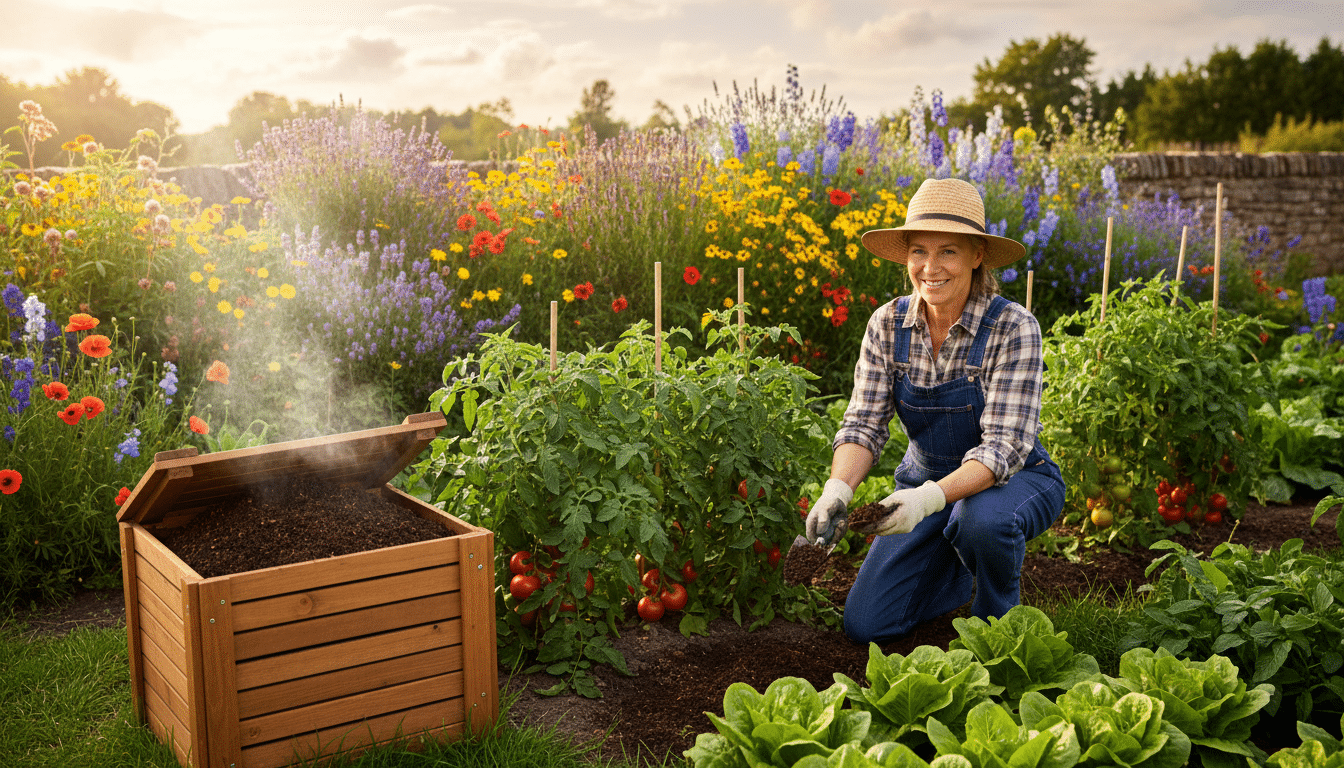
Have you ever wondered if kitchen scraps could be the secret ingredient your garden is missing? This organic material helps improve soil structure and supports the well-being of your flower beds.
It serves as a natural way to recycle nutrients back within the earth. By doing so, you create a sustainable cycle that keeps your backyard vibrant and productive.
When using compost, you are adding life within the soil by feeding helpful microbes. This amendment acts as a sponge, letting your plants access water during dry spells.
While this material is great, it is not a complete fertilizer for every crop. You might still need extra nutrients for heavy feeders like tomatoes or lush lawns. This simple step ensures your harvest remains plentiful throughout the season.
Finding the right balance is vital for plant health. Adding too much can cause runoff, so finding the proper technique is essential in every backyard. This guide will help you master the process for a thriving and rich soil for your plants.
Key Takeaways
- Compost serves as a powerful soil amendment rather than a full fertilizer.
- Adding organic matter improves water retention and supports beneficial microorganisms.
- Heavy-feeding vegetables may require supplemental nutrients alongside using compost.
- Proper application prevents nutrient leaching and protects local water quality.
- Consistent use of this “black gold” creates a thriving ecosystem for your yard.
- Balancing the amount of organic matter is crucial for long-term plant health.
Understanding What Compost Is and Why It Benefits Your Garden
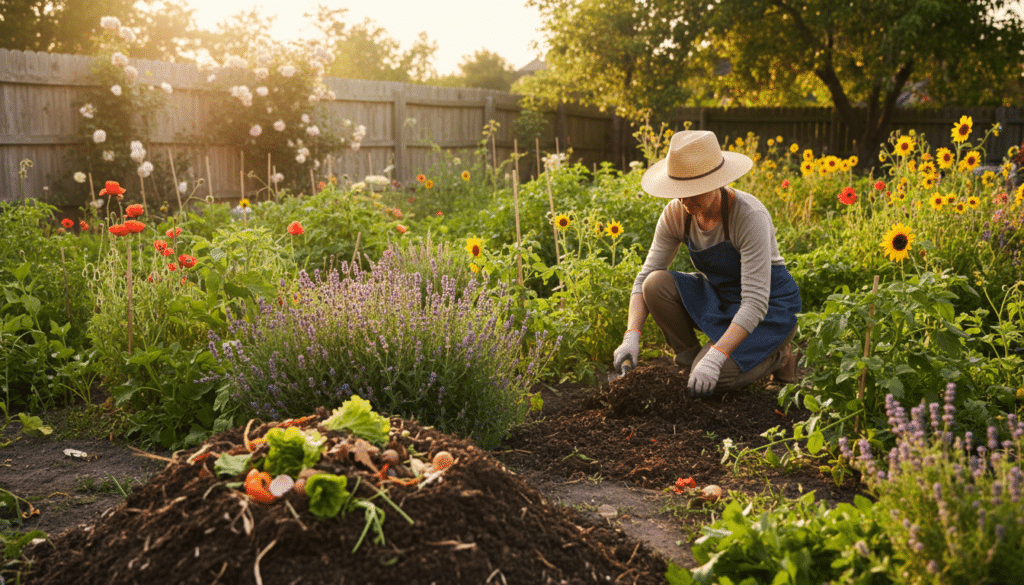
Imagine a natural substance that acts as both a sponge and a slow-release pantry for everything you grow in your backyard. This dark, crumbly material comes from the natural breakdown of biodegradable items by tiny microbes. Adding it to your beds provides a steady supply of food for your greenery while recycling waste into something valuable.
What Makes Compost an Essential Soil Amendment
You may think of it as just another fertilizer, but compost is actually a superior long-term builder. While standard fertilizers provide a quick hit of energy, this amendment improves soil health for years to come. It contains organic matter that releases nutrients slowly as microorganisms continue to work in the ground.
This slow-release process ensures your garden stays fed without the risk of chemical burn. Because it is rich in humus, it creates a stable environment where your garden can truly thrive over several seasons. You are essentially building a foundation rather than just adding a temporary supplement.
How Compost Improves Soil Structure and Water Retention
This amendment physically transforms the structure of your garden. In heavy clay areas, it creates tiny spaces for air so that roots can breathe and grow deep. Without these pockets, heavy ground becomes compacted and suffocates your roots.
In sandy areas, compost acts like a magnet for moisture. It helps the ground hold water longer, which means your plants stay hydrated even during hot summer days. This balance allows any garden type to manage moisture levels more effectively.
The Role of Compost in Feeding Beneficial Soil Organisms
Healthy soil is a living ecosystem filled with billions of tiny, helpful creatures. When you add this matter, you are providing a feast for earthworms, bacteria, and fungi. These organisms work around the clock to keep your plants strong and resistant to diseases.
As these creatures consume the organic matter, they create pathways for oxygen and water. This natural biological activity serves as a defense system against common garden pests. Using compost turns your backyard into a self-sustaining habitat that supports life from the ground up.
| Ground Type | Primary Benefit | Result for Garden |
|---|---|---|
| Heavy Clay | Loosens tight soil | Better drainage and root depth |
| Loose Sand | Holds moisture better | Prevents drying and nutrient loss |
| All Environments | Adds compost microbes | Suppresses pests and diseases |
| Exhausted Beds | Restores compost life | Increased yields for future crops |
| High-Traffic soil | Reduces compaction | Allows oxygen to reach roots |
How to Choose Quality Compost for Your Garden
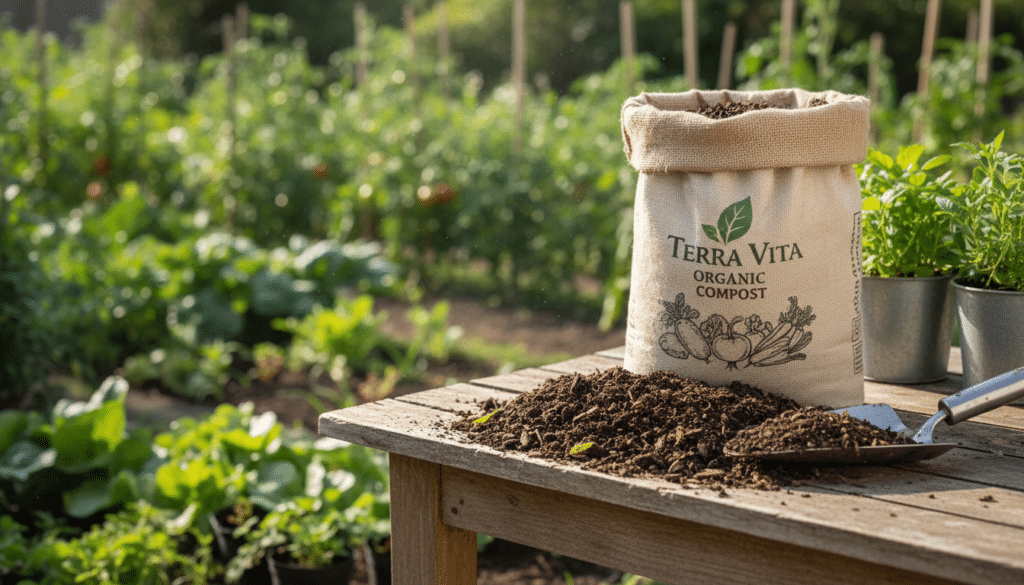
Shopping for quality bagged compost for vegetable garden success involves more than just picking the cheapest bag on the shelf. You want to make sure you are bringing home a product that actually helps your soil. Selecting the right amendment ensures your plants receive the nutrients they need to thrive throughout the season.
Recognizing Finished Compost by Appearance and Texture
High-quality finished compost should look like dark, rich topsoil instead of a pile of old leaves. You should not see any recognizable sticks, grass, or food scraps in the bag. If you can still identify the original ingredients, the pile needs more time to break down.
The texture should feel light and crumbly in your hands. Good compost typically passes through a 3/8-inch screen, meaning it lacks large rocks or plastic debris. Premium brands focus on this consistency to provide a product that is easy to mix into your existing garden beds.
Using the Smell Test to Identify Mature Compost
Your nose serves as one of the best tools to check the composting process. Finished compost should have a pleasant, earthy scent, much like the floor of a healthy forest. This clean smell indicates that beneficial microbes have successfully transformed the waste into plant food.
Avoid any bags that smell like ammonia, sulfur, or rotting garbage. These foul odors indicate that the material is not yet stable and could harm your plants. Immature products often consume nitrogen from the soil, which leaves your vegetables hungry and stunted.
Understanding Different Compost Source Materials
The original materials used in the pile determine the final nutrient content of the product. Manufacturers use a variety of sources to create a balanced amendment for your yard. Understanding these sources helps you pick the right blend for your specific gardening goals.
Yard Debris and Forestry Products
Many commercial options use yard debris and forestry products like sawdust or ground bark. These materials are generally uniform and help improve soil structure. While they are great for drainage, they may have lower nutrient levels than other specialty blends.
Manure-Based and Food Scrap Composts
Manure-based products provide a big nutrient boost but can sometimes have higher salt levels. Using food scraps in the composting process creates a very rich material for heavy feeders like tomatoes. However, these must be fully aged to keep pests away from your growing space.
Performing the Bag Test for Compost Maturity
If you aren’t sure if the product is ready use, try a simple test at home. Place a handful of moist compost in a zip-lock bag, seal it, and wait three days. This simple step can save your garden from potential damage caused by active decomposition.
If the bag smells sour when you open it, the microorganisms are still working. This means the temperature might still be high, and the finished compost needs more curing time. Always wait for the materials to stabilize before applying them directly to sensitive young seedlings.
Calculating How Much Compost You Need
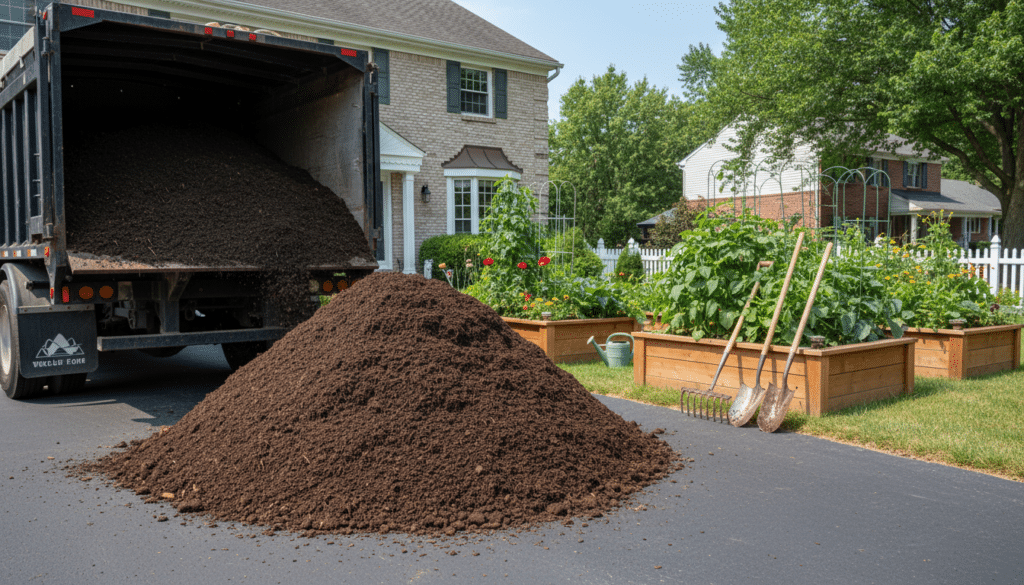
Planning your garden’s nutrient boost starts with a bit of simple math to find the perfect volume of soil amendment. Doing this work ahead of time saves you from making multiple trips to the store or leaving a project half-finished. You want to ensure every plant gets the right amount of compost for optimal growth.
Determining the Volume for Your Garden Project
To get the right amount, you must determine the total volume of your workspace. First, decide on the thickness of your layer compost. A common depth is 3 inches, which converts to 0.25 feet when you divide the inches by 12.
Multiply the length and width of your area by this decimal depth to find the total cubic feet. This simple formula ensures your plants receive a consistent layer of nutrients across the entire bed. Using a smartphone calculator is an easy way to make this layer compost math stress-free.
Converting Measurements to Cubic Feet and Yards
Most landscape suppliers sell materials by the cubic yard rather than by the foot. To find this number, simply divide your total cubic feet by 27. This conversion is vital because bulk landscape supplies are almost always sold in these larger increments.
Choosing Between Bagged and Bulk Compost
Choosing the right format depends on the size of your home garden and your budget. Small containers or tiny flower beds often only need a few bags from a local center. However, larger renovation projects benefit significantly from a professional bulk compost delivery service.
When Bagged Compost Makes Sense
Bagged options typically contain one to two cubic feet of material. One 1-cubic foot bag covers 12 square feet at a 1-inch depth. If you are starting new beds with a 3-inch layer, one bag only covers 4 square feet.
For a 100-square-foot area, you would need 25 bags. This can become quite expensive and difficult to transport in a standard vehicle. Bags are best for small touch-ups or keeping a small stash for indoor plants.
Cost-Effective Bulk Delivery Options
Bulk deliveries usually operate on a flat fee based on cubic yard increments. For instance, 7.5 cubic yards can cover 800 square feet at 3 inches deep. Choosing a compost delivery service saves significant time and money for large-scale landscaping.
How to Use Compost in Garden Vegetable Beds
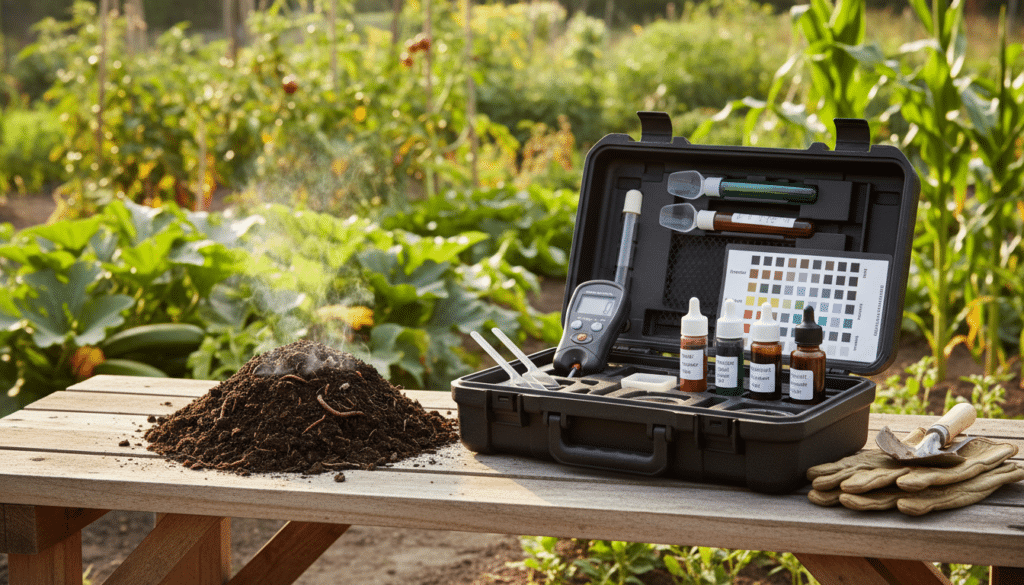
If you want a bountiful harvest, learning how to correctly apply compost in your vegetable garden is the first step. This natural material feeds your plants while improving the soil over time. By adding compost, you turn organic waste into “black gold” that supports a thriving garden.
Using compost soil reduces the need for synthetic chemicals. It creates a healthy environment where your vegetable crops can truly flourish. Let’s look at how to prepare your beds for success.
Preparing New Vegetable Garden Beds with Compost
Starting a new patch requires some initial effort to build the right foundation. This process ensures your soil has the proper texture and enough nutrients to support young seedlings.
Step 1: Spread 3-4 Inches of Compost Over the Area
Begin by spreading a thick layer of compost soil across the entire planting area. You should aim for a depth of 3 to 4 inches. This generous amount provides the organic matter needed for long-term vegetable growth.
Step 2: Add Soil Amendments Based on Testing
Before mixing, check your ground’s health with a testing kit. You might need to add lime or specific fertilizers to balance the pH levels. You can also consider using chicken poop as fertilizer if your plants need an extra nitrogen boost.
Step 3: Incorporate Materials into the Top 8-12 Inches
Use a digging fork or a spade to mix everything into the top 8 to 12 inches of soil. This depth allows roots to reach the nutrients easily as they grow. Proper mixing also increases air pockets and decreases heavy compaction.
Step 4: Remove Debris and Break Up Clods
Use a rake or the back of a shovel to remove any large stones or sticks. Break up large dirt clods to create a smooth, fine surface for planting your seeds. A clean bed makes it much easier to grow healthy food.
Maintaining Existing Vegetable Gardens
For established beds, adding compost once a year is usually enough. Spread a thin layer of roughly ¼ to 1 inch over the surface each autumn. Tilling this into the garden during the spring gives beneficial organisms time to work their magic.
Feeding Heavy-Feeder Plants Throughout the Growing Season
Some plants, like tomatoes and corn, need more food than others. Put a handful of compost directly into each hole when you first start planting. This gives the roots immediate access to essential minerals.
Once they begin growing quickly, add a half-inch layer around the base of the stem every month. This consistent supply of compost soil ensures you get a great harvest every single year.
Using Compost in Lawn Care and Turf Areas
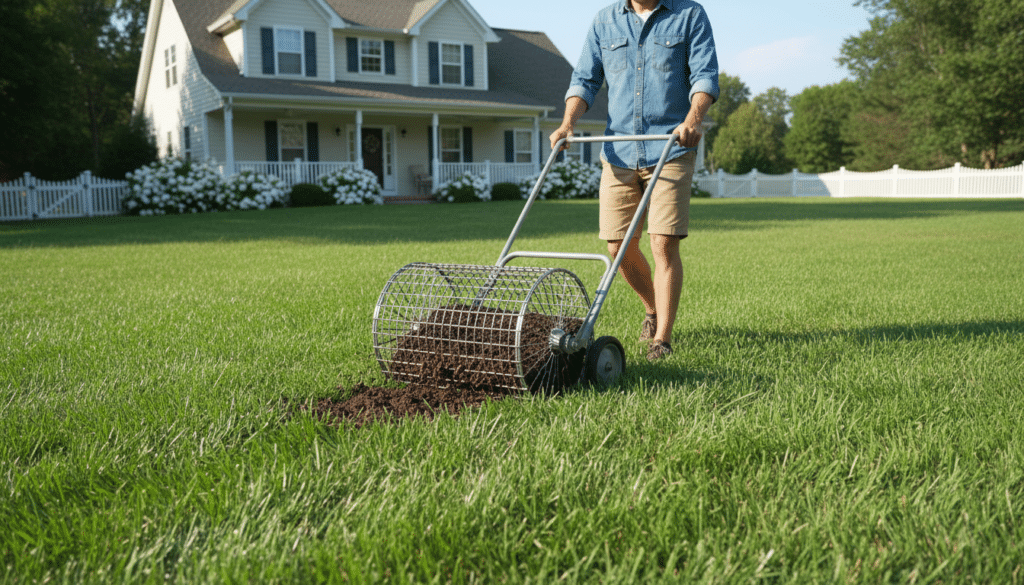
Your lawn can become the envy of the neighborhood when you start incorporating rich organic matter into your turf maintenance routine. Healthy turf begins beneath the surface where nutrient-dense amendments help your roots thrive.
Using a specialized compost lawn spreader tool makes this task much easier. It ensures even distribution across your yard for a professional finish.
Installing New Lawns with Compost Amendment
Before you throw down any seed, you need to prepare the ground properly for long-term success. Adding organic material now prevents future compaction issues and helps roots grow deep.
Mixing 1-2 Inches into Soil Before Seeding
Add 1-2 inches of compost over the intended lawn area for the best results. Use a rake or rototiller to mix this into the top 5-8 inches of soil.
This step creates a porous environment that allows air to reach the root zone. It provides a stable foundation for young seedlings to establish themselves quickly.
Using Compost as Mulch After Seeding
Once you spread your seed, apply a very thin layer of compost over the surface. This act protects the delicate seeds from wind and hungry birds during their first few days.
It also helps the ground retain the moisture necessary for successful sprouting. Keeping the moisture levels consistent is essential for a dense, lush carpet of green.
Topdressing Existing Lawns for Improved Health
Topdressing is a fantastic way to revitalize a tired yard without digging everything up. Use compost to treat bald spots by adding an extra inch to those specific areas before you reseed.
Step 1: Mow Short and Remove Grass Clippings
First, mow your lawn much shorter than usual to expose the surface. Use a bagging mower to collect the grass clippings and any yard debris.
Removing these grass clippings ensures your amendment makes direct contact with the soil. This prevents the organic matter from getting stuck on top of the blades.
Step 2: Core Aerate the Lawn Area
Run a core aerator over the yard to poke holes and pull up small plugs. Leave these plugs on the surface to break down naturally over time.
Don’t let old grass clippings block these holes during the process. The aeration step is vital for relieving compaction in heavy foot-traffic areas.
Step 3: Apply One-Quarter to One-Half Inch of Compost
Spread a compost top dressing across the entire lawn at a depth of roughly half an inch. Ensure the compost top layer fills the aeration holes to improve the soil structure.
This helps the ground hold water more efficiently and promotes healthy top growth. Apply compost consistently to suppress potential soil-borne diseases naturally.
Step 4: Overseed and Water Consistently
Use a seeder to fill in any gaps with fresh grass seed for a thick appearance. Water the area 3-4 times every day so the seedbed remains damp until you see growth.
The new grass will settle into the holes for perfect germination conditions. This extra effort creates a resilient lawn that stays beautiful throughout the year.
Best Timing for Lawn Compost Applications
Late spring and early fall are the absolute best windows for these projects. Seeds sprout much faster when the soil temperature remains above 60°F.
This timing gives your new grass enough strength to survive the coming seasons. Consistency is key to building a yard that crowds out weeds naturally.
Applying Compost to Landscape Plants and Trees
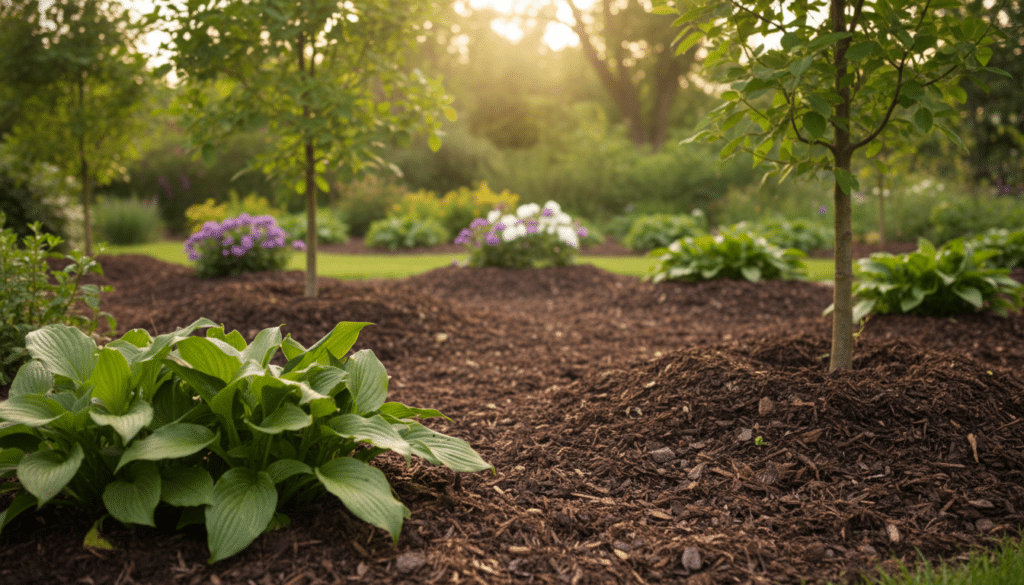
Transforming your landscape starts with giving your ornamental greenery the right foundation through strategic compost use. This organic matter breathes life into tired dirt while boosting fertility. You can prepare new beds or support established gardens easily with these methods.
Amending Landscape Beds Before Planting
Preparing a new planting site ensures your greenery thrives from day one. You want to create a rich environment before the first shovel hits the ground.
Spreading 3-4 Inches of Compost
Before you start digging, spread 3 to 4 inches of compost over the entire planting area. This provides a deep nutrient base for new roots to explore. It also helps the ground hold onto water more effectively.
Mixing to 6-8 Inches Depth
Mix the material into the top 6 to 8 inches of soil using a shovel or rototiller. Once blended, you can dig your holes and install your plants into the amended ground. This even distribution prevents “pockets” of nutrients that can cause uneven growth.
Using Compost as Surface Mulch for Established Plants
You can use compost as a surface mulch to suppress weeds and retain moisture. Apply a 2 to 3 inch layer of this dark mulch between your plants to keep roots cool. Be sure to keep the mulch at least 2 inches away from stems to prevent rot and disease.
Filling and Maintaining Raised Garden Beds
Filling raised beds requires a balanced structure to prevent compaction over time. Proper preparation ensures your vegetables and flowers have room to breathe and expand.
“To forget how to dig the earth and to tend the soil is to forget ourselves.”
Breaking Up Original Soil Surface
Always break up the original ground at the base of the bed before you fill it. First, add compost at a depth of 2 to 3 inches and incorporate it into the existing ground. This step ensures proper drainage between the bed and the native earth.
Choosing Soil Mixes for Raised Beds
You can add compost up to 25% by total volume when filling the rest of the bed. Many gardeners use a “three-way mix” of topsoil, sand, and organic matter. Expect newly filled beds to sink slightly as the material decomposes, so top them off annually.
| Bed Project | Size | Soil Mix Needed |
| :— | :— | :— |
| Four Raised Beds | 3′ x 8′ (6″ deep) | 1.7 Cubic Yards |
| One Small Bed | 4′ x 4′ (6″ deep) | 0.3 Cubic Yards |
| One Large Bed | 4′ x 12′ (6″ deep) | 0.9 Cubic Yards |
Proper Application Around Trees and Shrubs
Never put compost soil directly into a tree’s planting hole, as this can restrict root growth. Instead, backfill the hole with the original soil you removed during digging. Afterward, apply the compost soil as a surface mulch from the trunk out to the drip line.
Common Mistakes to Avoid When Using Compost
You might think adding organic waste to your yard is foolproof, but some common errors can ruin your harvest. Even natural soil amendments require careful handling to benefit your plants. Understanding these pitfalls ensures your garden thrives without facing unnecessary stress.
Identifying and Avoiding Herbicide-Contaminated Compost
Recognizing Plant Damage Symptoms
Look for distorted, twisted, or cupped leaves on broadleaf varieties, especially at the shoot ends. This often stems from residual chemicals in hay or grass clippings used in the composting process. These harmful materials can survive the breakdown of organic matter and damage your garden for seasons.
Questions to Ask Compost Vendors
Always ask if the vendor tests for herbicide residues before buying bulk loads. You should also request a lab analysis to check the pH and nutrient levels of the material. Make sure they store the product under tarps to block wind-blown weed seeds from landing in the pile.
Understanding the Risks of Adding Too Much Compost
Adding excessive material can cause phosphorus and potassium to leach into groundwater. This runoff often feeds harmful algae blooms in nearby ponds or lakes. High salt levels from over-application can also make your vegetable garden look stunted or burned.
Avoiding Immature Compost That Attracts Pests
If you can still see recognizable food scraps, the process is not finished yet. This raw food waste attracts rodents, raccoons, and other unwanted pests to your beds. Using unfinished materials can also harm young roots as the bacteria compete for nitrogen in the soil.
Keeping Compost Away from Plant Stems and Tree Bark
Always leave a gap of 1-2 inches between your soil amendment and the plant stems. Direct contact creates a moist environment that rots the bark and invites disease-carrying insects. Proper spacing allows for better air circulation and keeps the crown of the plant dry.
| Quality Marker | Ideal Range or Status | Main Purpose |
|---|---|---|
| Moisture Content | 40% to 60% | Prevents dust and ensures easy spreading in the yard. |
| Maturity Level | No visible food scraps | Prevents pests and protects delicate vegetable roots. |
| Storage Method | Covered under tarps | Protects materials from weed seeds and extreme temperature. |
| Source Analysis | Known waste origin | Ensures no herbicide-treated grass or hay entered the mix. |
Conclusion
You now possess the skills to use compost effectively to transform your outdoor space. No matter how you choose to make compost at home, your efforts keep waste out of landfills. Composting is a practical way to turn food scraps and yard waste into a valuable resource for your garden.
Applying finished compost to your garden soil improves its structure and helps retain moisture. This natural process provides vital nutrients to your vegetable garden over time. By composting regularly, you ensure your plants remain productive. Using finished compost that is ready use supports long-term plant health.
Whether you spread compost on top as mulch or work it in, the benefits are clear. Building great garden soil is a rewarding journey that gets better every year. When you use compost, you reduce your need for extra water. This rich compost feeds the tiny organisms living in your soil.
You are now prepared to make compost a central part of your home routine. Adding organic matter is the best way to help your soil. This matter ensures your garden remains vibrant. Through composting, you invest in a greener future using high-quality finished compost. Pure compost is black gold for any grower.
| Garden Goal | Compost Action | Key Benefit |
|---|---|---|
| Improve Soil | Mix in 3-4 inches | Better aeration and structure |
| Save Water | Apply as surface mulch | Increased moisture retention |
| Boost Health | Use finished compost | Slow-release nutrients for plants |
