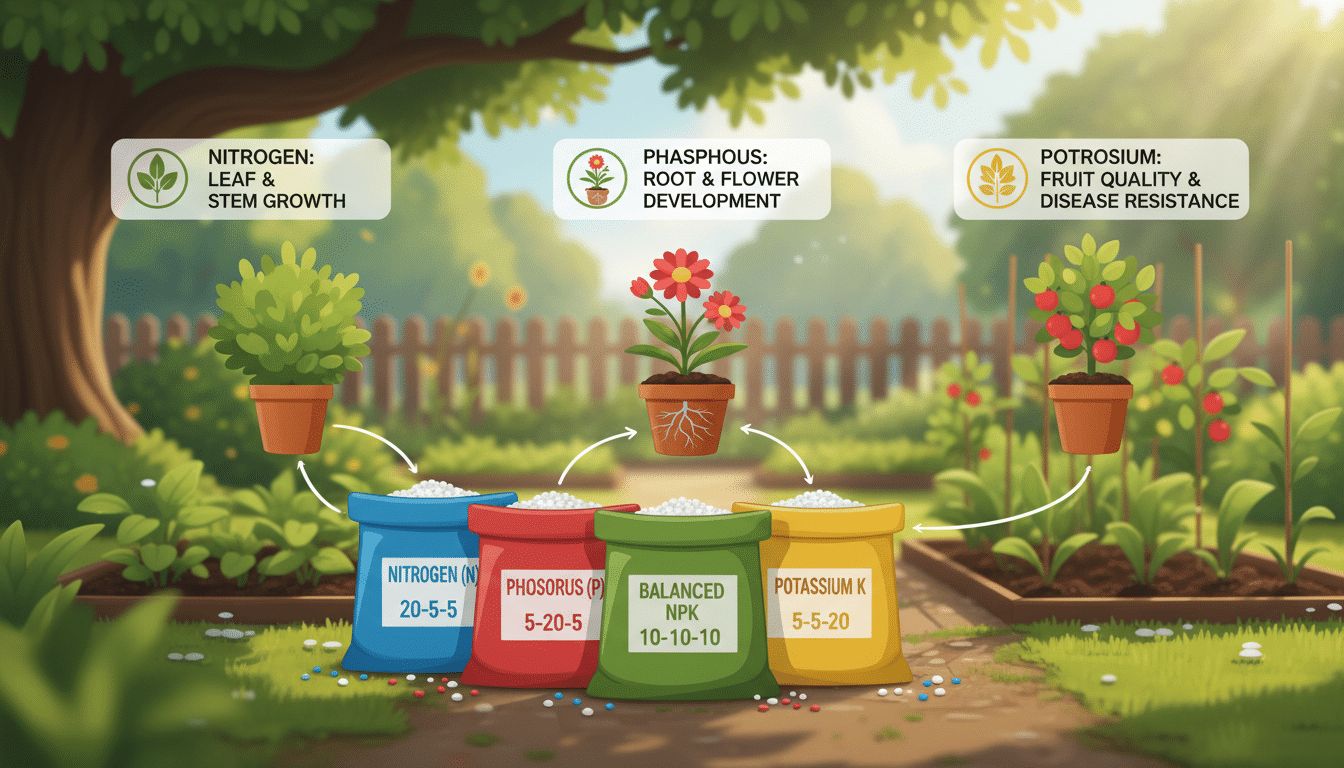
Have you ever stared at those three mysterious numbers on a garden bag and wondered if you were truly helping your garden? It is a common frustration for many backyard growers who simply want a healthy, green space. This NPK fertilizer explained resource will help you decode those digits once and for all.
Your plants require six primary macronutrients to thrive, including carbon, hydrogen, and oxygen from the environment. The rest, specifically nitrogen, phosphorus, and potassium, must come directly from the soil. This is where supplemental feeding provides essential nutrients that are otherwise missing for optimal growth.
Using the wrong product can be a massive waste of money and might even damage your greenery. This guide shows you how to choose the right option based on your specific gardening needs. You will feel confident knowing exactly what your soil and plants require to flourish.
Mastering the basics of which nutrients to add is the first step toward a lush lawn or vibrant flowers. Let’s look at how this simple knowledge can transform your results and keep your yard looking its best all year long.
Key Takeaways
- Nitrogen, phosphorus, and potassium are the three primary elements found in most supplements.
- Most dirt requires extra feeding to reach its full potential for healthy growth.
- The numbers on a label indicate the exact percentage of each specific mineral inside.
- Conducting a professional test is the best way to determine your yard’s unique needs.
- Proper application prevents chemical burn and saves money on gardening supplies.
NPK Fertilizer Explained: Decoding the Three-Number System
Those three numbers separated by dashes on your fertilizer packaging are more than just a code; they are the key to plant health. Understanding these numbers helps you decide exactly what your soil needs to thrive without any guesswork.
Every label follows a standardized system to show the concentration of essential elements. This clear labeling makes it easy for you to compare products and pick the one that fits your garden’s specific life stage.
What the Letters N-P-K Stand For
NPK represents the trio of primary elements that every plant requires to grow and resist disease. The first number in the sequence always stands for nitrogen (N). This element is essential for leaf growth and keeping your plants a vibrant green.
The second part of the label refers to phosphorus (P), which is often listed as phosphate. It helps develop strong root systems and beautiful blooms. Finally, the third part identifies potassium (K), or potash, which supports the overall health and vigor of your plants.
How to Read the Numbers on Fertilizer Labels
The ratio of these elements is always listed in the same specific order on every bag or bottle you buy. You might see a balanced ratio like 10-10-10, which contains equal parts of each element. Other formulas, like 24-4-12, are designed specifically for greening up a hungry lawn.
Learning to read these three numbers is your first step toward saving money. It allows you to avoid buying extra nutrients your soil already has. This informed choice ensures you only provide what your plants can actually use.
Understanding Nutrient Percentages by Weight
Each digit represents a specific percentage of that particular nutrient by its total weight. If you buy a 100-pound bag of 5-10-10 fertilizer, it contains 5 pounds of actual nitrogen. You would also get 10 pounds of phosphorus and 10 pounds of potassium.
The rest of the bag is filled with materials that help distribute the chemicals evenly. These fillers make it much easier to spread the product across your lawn or garden beds. By looking at the percentage, you can compare three numbers on different brands to find the most cost-effective fertilizer option.
| Label Number | Nutrient Type | Weight in 100lb Bag |
|---|---|---|
| First (10) | Nitrogen | 10 Pounds |
| Second (10) | Phosphorus | 10 Pounds |
| Third (10) | Potassium | 10 Pounds |
Breaking Down Each Nutrient: What Nitrogen, Phosphorus, and Potassium Do
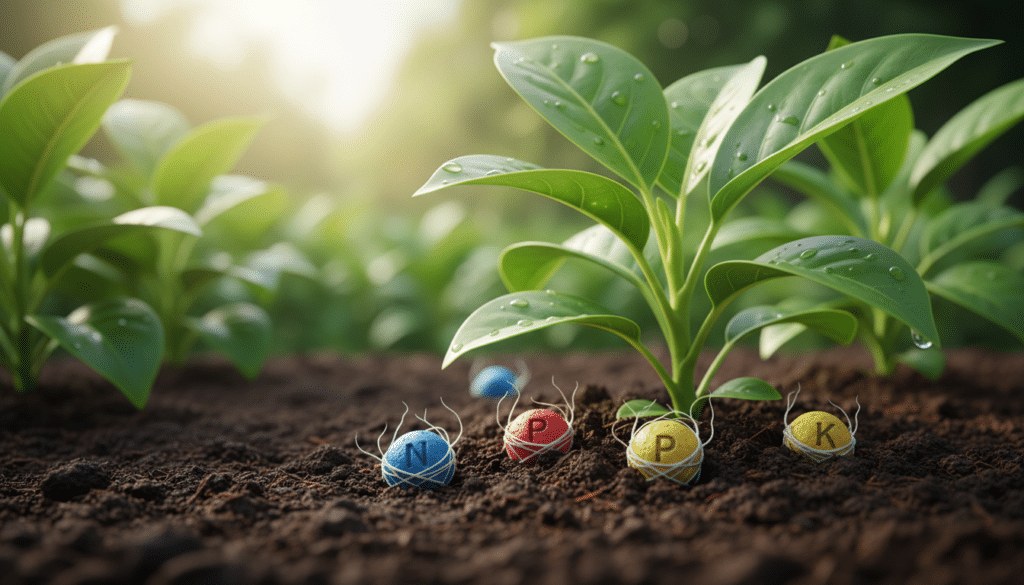
Grasping the specific functions of nitrogen, phosphorus, and potassium transforms the way you care for your soil. Each nutrient acts as a building block for different parts of your plants. When you provide the right balance, you ensure healthy development from the soil up to the tallest leaf.
Nitrogen (N): Fuel for Leaf Growth and Green Color
Nitrogen acts as the engine for your garden. It is the primary driver of leaf growth, helping your plants stay vibrant and lush. Without enough nitrogen, your garden would struggle to produce the energy it needs to survive.
Why Nitrogen Is Essential for Plant Growth
This nutrient is a key part of chlorophyll. This is the substance plants use for photosynthesis to turn sunlight into food. Nitrogen also helps build proteins and enzymes that support overall plant growth.
Signs Your Plants Need More Nitrogen
If your leaves start turning yellow, especially the older ones, you likely have a nitrogen deficiency. You might also notice stunted growth or thin, spindly stems. Adding a high-nitrogen fertilizer can quickly restore that deep green color.
Phosphorus (P): The Root and Bloom Developer
Phosphorus works mostly out of sight to build a strong foundation. It is essential for root health and the production of beautiful flowers. High phosphorus levels are often found in “bloom booster” formulas that encourage heavy yields.
How Phosphorus Supports Root Systems and Flowering
This element helps roots grow deep and wide, which anchors the plant firmly. Strong roots allow the plant to drink more water and find minerals. Phosphorus also triggers the plant to start producing healthy buds and fruit.
When Phosphorus Applications Make Sense
Focus on phosphorus when you are first planting or when you want more flowers. It provides the energy needed for new leaf growth and tissue repair. Many gardeners use it to help young seedlings get a great start in the spring.
“The soil is the great connector of lives, the source and destination of all.”
Potassium (K): Your Plant’s Defense Mechanism
Potassium serves as the immune system for your garden. It helps plants resist disease and manage environmental stress. While potassium doesn’t create visible “explosive” results like the others, it keeps the internal systems functioning properly.
How Potassium Helps Plants Resist Stress and Disease
This element regulates how plants use water by opening and closing tiny holes in each leaf. This helps your garden survive drought or extreme heat. Strong potassium levels also thicken cell walls to prevent disease from taking hold.
Why the Potassium Number Is Often Smallest
You might notice the potassium number on a bag is often the lowest. This is because many soils in the United States naturally contain enough potassium. However, adding a little ensures your plants stay resilient against harsh weather and pests.
| Nutrient | Primary Role | Visible Result |
|---|---|---|
| Nitrogen | Foliage production | Green leaves |
| Phosphorus | Foundation building | Strong root systems |
| Potassium | Stress management | Resists disease |
Beyond NPK: Other Nutrients Your Plants Need
Beyond the big three, a hidden world of minerals works to keep your garden strong. Plants need six main items to grow well and reach their full potential. While you use NPK, elements like carbon, hydrogen, and oxygen form the base of all life.
Your plants get carbon and hydrogen from air and water. Even with a good phosphate source, these items remain key. Carbon and hydrogen provide the strength needed for long-term health. A steady carbon and hydrogen supply keeps the garden tough.
Secondary Macronutrients (Calcium, Magnesium, and Sulfur)
Secondary nutrients like calcium, magnesium, and sulfur are critical for overall health. Calcium strengthens cell walls and helps roots grow. It ensures that young shoots develop properly from the very start.
Magnesium sits at the center of every chlorophyll molecule. This makes it vital for photosynthesis and a deep green color. Sulfur also keeps leaves green and aids growth alongside phosphate applications.
Micronutrients and Trace Minerals for Plant Health
You also need micronutrients in tiny but crucial amounts. These micronutrients include boron, chlorine, copper, and iron. Other essential micronutrients are manganese, molybdenum, nickel, and zinc.
When these micronutrients are deficient, you may see yellow leaves. Soil testing reveals which micronutrients your soil lacks. This allows you to add specific nutrients before they impact your harvest.
Properly balancing micronutrients is the secret to a professional-grade garden.
Without these micronutrients, even the best phosphate fertilizer cannot prevent poor growth. Trace micronutrients act as catalysts for many internal chemical reactions. Ensure your soil has these nutrients to keep your garden thriving.
| Category | Key Examples | Primary Function |
|---|---|---|
| Base Elements | Carbon, Hydrogen, Oxygen | Forms basic plant tissue |
| Secondary | Calcium, Magnesium, Sulfur | Boosts vigor and color |
| Trace Minerals | Iron, Zinc, Manganese | Supports chemical reactions |
Why You Should Test Your Soil Before Fertilizing
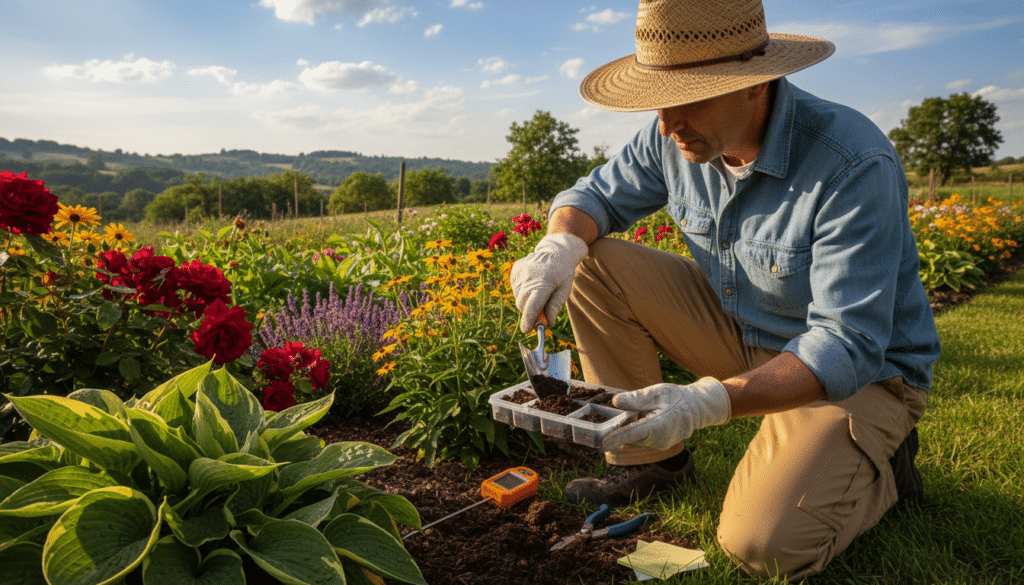
A simple soil test is the most effective way to prevent wasting money on fertilizers that your plants might not even need. This essential step should be your very first move in any gardening project.
By checking your dirt first, you avoid the frustration of poor plant growth. You also protect the environment from unnecessary chemical runoff into local water sources.
How Soil Testing Reveals What Your Garden Actually Needs
Your soil is a living system that changes constantly throughout the year. A professional test measures the specific nutrients soil contains and identifies the current pH levels.
Most lawn plants and garden crops prefer a pH level between 6.0 and 7.0. If the pH is too high or too low, the nutrients soil provides become “locked” and unavailable to the roots.
Getting Your Soil Tested Through Your County Extension Office
For the most accurate and useful results, you should work with your local County Extension Office. These experts provide professional services that analyze your samples for a small fee.
They take the guesswork out of the process by providing clear, scientific data. This is the best way to ensure your lawn gets exactly what it requires to stay green and healthy.
“Soil testing should be the very first step in almost any gardening endeavor to ensure long-term success and plant health.”
Reading Your Soil Test Results and Recommendations
Once you receive your soil test results, you will see a detailed breakdown of phosphorus, potassium, and other minerals. The report identifies which elements are already abundant and which ones are missing.
You can use these soil test results to pick a fertilizer with the perfect NPK ratio. This prevents the costly mistake of over-fertilizing, which can actually harm your plants and the surrounding ecosystem.
| Testing Action | What It Measures | Garden Benefit |
|---|---|---|
| pH Test | Acidity and Alkalinity | Unlocks available food |
| Soil Analysis | Macro and Micronutrients | Prevents over-application |
| Expert Advice | Professional Data | Saves time and money |
How Often You Should Retest Your Soil
You should test your backyard every 2 to 3 years to maintain optimal health. Soil conditions shift over time due to weather, plant growth, and previous fertilizer applications.
For example, heavy summer rain can leach nitrogen deep into the ground where roots cannot reach it. Regular checks help you confirm if your soil enough nutrients are still present to support healthy blooms.
Remember that your soil is an evolving resource that requires consistent attention. Maintaining soil enough nutrients is much easier when you have current data to guide your seasonal gardening decisions.
Organic vs. Synthetic Fertilizers: What’s the Difference?
When you stand in the garden center, the choice between organic and synthetic fertilizers often stops you in your tracks. You might see one bag labeled as “natural” and another promising “miracle” growth for your lawn. Both options provide essential nutrients, but they work in very different ways to feed your soil and plants. Understanding these differences helps you choose the best fertilizer for your specific gardening goals.
What Makes a Fertilizer Organic
Organic fertilizers come from natural sources like manure, bone meal, and composted plant matter. These products contain carbon molecules that feed the living organisms in your soil. For example, using manure doesn’t just add nutrients; it builds the soil structure over time.
Microbes in the soil must first break down this organic matter before your plants can use it. This natural process ensures a slow, steady release of nutrients for your garden. By choosing these organic matter items, you encourage a healthy environment rich in microbial activity. Because they use natural manure and other materials, they do not add excess salts to the dirt.
How Synthetic Fertilizers Are Made
Synthetic options are manufactured in laboratories using mineral compounds like ammonium nitrate and potassium sulfate. Scientists create these products through a chemical process to ensure nutrients are immediately available to your crops. While a synthetic nitrogen fertilizer can produce rapid green growth, it lacks the long-term benefits of natural options.
These products are essentially “fast food” for plants because they deliver nutrition instantly. However, using a synthetic nitrogen fertilizer does nothing to improve the quality of your soil over the years. This lab-made fertilizer focuses on the plant’s immediate needs rather than the earth’s health.
Comparing Benefits and Drawbacks of Each Type
Synthetic fertilizers give you precise control and fast results, which is great for correcting a deficiency. However, they are high in salts and can “burn” your plant roots if you apply too much. They can also leach into water sources, which may harm the local environment and beneficial microorganisms.
In contrast, organic options build long-term soil health and support beneficial microbial populations. They improve soil structure and help with nutrient cycling naturally. While they work more slowly, they are much safer for the delicate biology of your backyard garden.
Why Organic Fertilizer Labels Show Lower NPK Numbers
You might notice that organic fertilizers show much lower NPK numbers than synthetic brands. This does not mean they are weaker or less effective for your flowers or vegetables. It simply reflects how the law requires manufacturers to label their fertilizer products.
Labeling laws state that companies can only list nutrients that are immediately available to the plant. Since organic sources release their nutrition slowly, much of their power is hidden from the label. For example, a low-number organic product will continue to feed your plants long after a synthetic one has washed away.
| Feature | Organic Fertilizers | Synthetic Fertilizers |
|---|---|---|
| Primary Source | Manure and Plant Matter | Chemical Compounds |
| Nutrient Release | Slow and Steady | Immediate and Fast |
| Soil Health | Improves Soil Structure | May Increase Salt Levels |
| Environmental Risk | Very Low Risk | Possible Water Leaching |
Granular vs. Liquid Fertilizer: Choosing Your Application Method
Picking the right way to deliver nutrients can change how your garden looks and grows throughout the season. You have two main choices when it comes to the form of your fertilizer. Each one affects your plants in a unique way based on how quickly they can absorb the nutrients.
Your choice often depends on your garden size and how much time you have for maintenance. While some gardeners prefer the “set it and forget it” style, others enjoy a more hands-on feeding schedule. Understanding these differences helps you maintain a healthy and vibrant landscape.
Granular Fertilizers: Slow and Steady Feeding
Granular fertilizers come as dry pellets or prills that you spread across your soil. You work these solid pieces into the ground and then add water to help them dissolve. This process releases nutrients slowly over several weeks or even months.
These solid options often contain higher concentrations of nutrients to ensure they last longer. Because they stay in the soil, they provide a steady supply of food for consistent growth. You will find that these work best for establishing baseline nutrition at the start of the year.
Liquid Fertilizers: Fast-Acting Nutrition
Liquid fertilizers work much faster to meet your plant needs immediately. You mix the concentrate or dry powder with water to create a nutrient-rich solution. You can pour this on the soil or spray it directly onto the leaves for a rapid response.
When your garden needs a quick boost during active growth periods, these fast-acting fertilizers deliver results within days. They are excellent for correcting nutrient deficiencies quickly before any permanent damage occurs. Your garden will often show a greener color almost overnight after a liquid feed.
When to Use Each Type
You should use liquid fertilizer for your container plants because nutrients wash away quickly with frequent water. These plants need regular replenishment to stay healthy in their small pots. Liquid feeds give transplants a strong start in their new home as well.
Granular fertilizer is the better choice for large garden beds or lawns where you want long-term results. Since they have a higher salt content, you must water them in thoroughly to avoid burning your plants. Many experienced gardeners use granules for their main feeding and keep liquids for supplemental boosts.
| Feature | Granular Method | Liquid Method |
|---|---|---|
| Nutrient Release | Slow and steady | Fast and immediate |
| Application Frequency | Every 1-3 months | Every 1-2 weeks |
| Best Use Case | Large garden beds | Potted plants |
Ultimately, the health of each plant depends on a consistent supply of nutrients. Whether you choose a slow-release grain or a fast-acting liquid, the goal is to prevent stress. By matching the delivery method to your specific garden needs, you ensure steady growth all year long.
Matching NPK Ratios to Your Specific Plants
Every garden has its own unique requirements based on what you are growing. Choosing the right ratio for your landscape ensures your greenery gets the specific nutrients it needs to thrive. By matching your fertilizer to your plants, you avoid wasting money and promote much healthier growth throughout the season.
All-Purpose Fertilizers for General Garden Use (5-5-5 and 10-10-10)
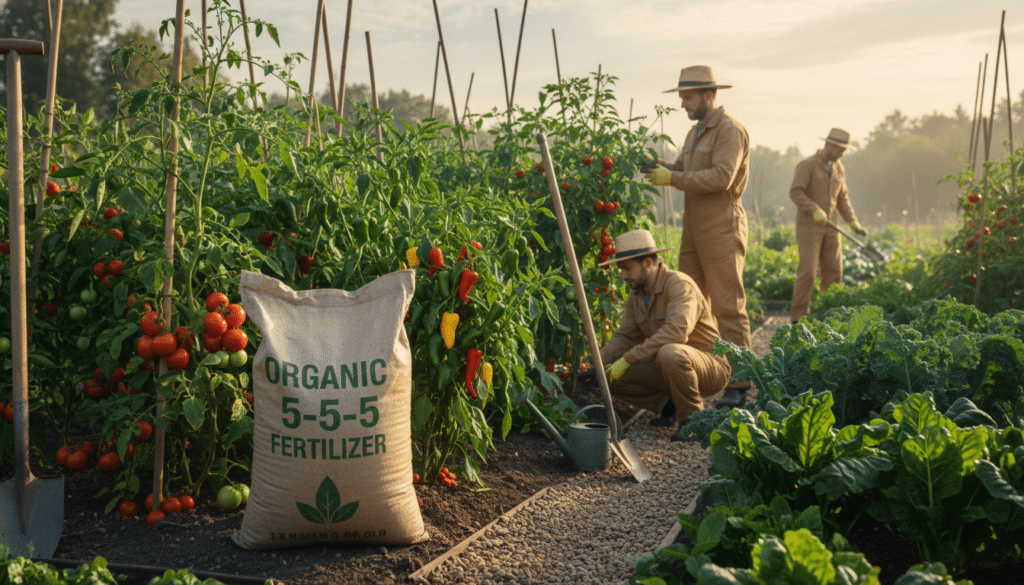
If you do not have specific soil needs, an all-purpose fertilizer like a 5-5-5 is a great choice. These balanced blends provide all three primary nutrients in equal amounts. They are very safe for general garden maintenance and mixed flower beds.
Using a 10-10-10 ratio works well when you are growing many different plants together. These formulas offer a steady supply of nitrogen, phosphorus, and potassium. It is the easiest way to keep a diverse backyard looking healthy without complicated math.
High-Nitrogen Formulas for Lawns and Leafy Vegetables (24-4-12, 20-2-6)
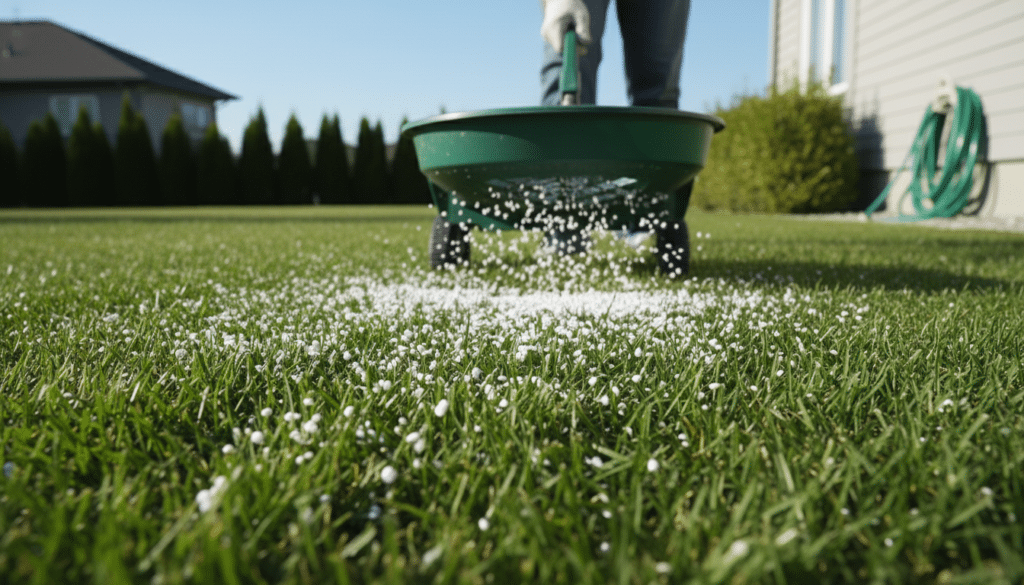
When you are growing a lawn, you usually want the first number on the bag to be much higher than the rest. Most lawn fertilizers high nitrogen promote the lush, deep green leaf growth that makes turf look attractive. Formulas like 24-4-12 or 20-2-6 are very common for home grass types.
Nitrogen is the main fuel for leafy development and strong color. For example, leafy vegetables like lettuce and spinach thrive with these specific blends. Finding fertilizers high nitrogen helps these crops grow quickly so they stay tender and flavorful for your table.
Balanced Formulas for Flowering Plants and Root Crops (5-10-10)
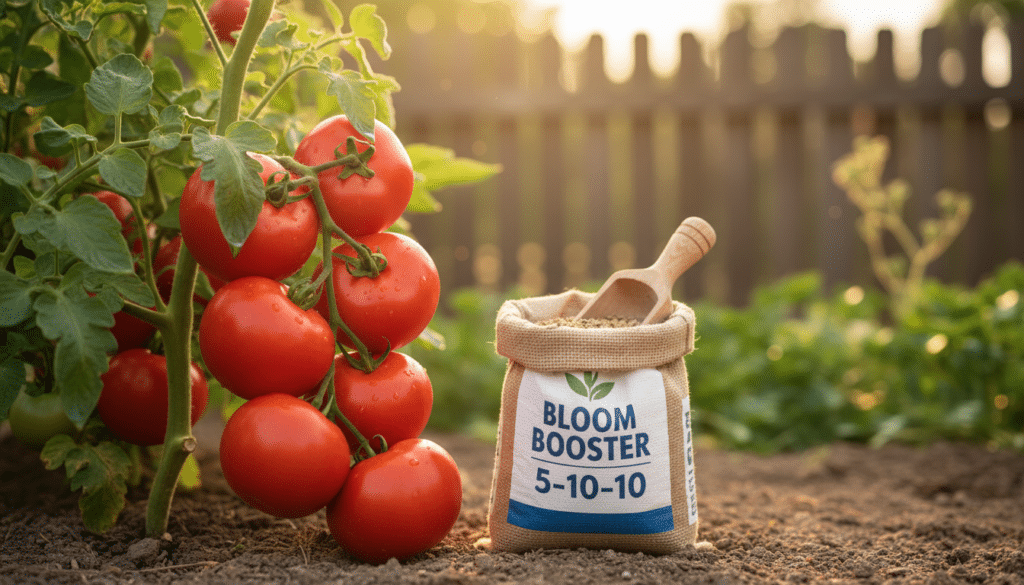
Flowering annuals and root crops like carrots or potatoes often prefer a different number on the label. They benefit from a 5-10-10 blend where the phosphorus and potassium levels are higher than the nitrogen. This shift in balance prevents the plants from growing only leaves.
High phosphorus levels support strong root development and encourage abundant flower production. Tomatoes also favor these types of plants during their fruiting stage. When you hold back the nitrogen, your garden focuses its energy on producing bigger fruits and more colorful blooms.
Specialty Fertilizers for Evergreens and Specific Plant Types
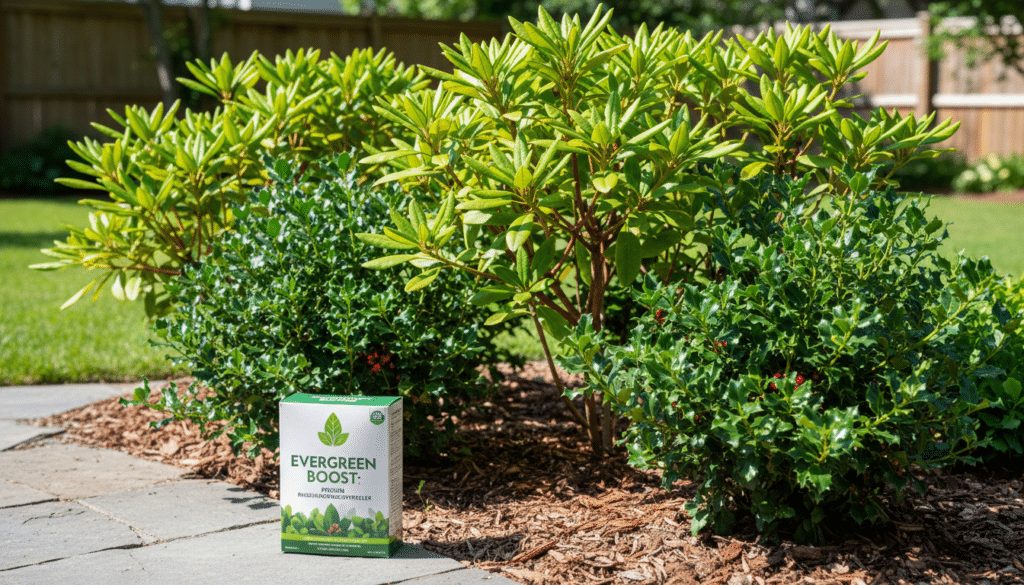
Some species have unique requirements that standard garden blends cannot easily meet. For example, evergreens like holly and rhododendron need fertilizers high nitrogen plus extra trace minerals to stay vibrant. Reading the first number tells you quickly if the product emphasizes the leaf vigor these bushes require.
These specialty products usually include iron, copper, and molybdenum to prevent yellowing. The middle number is often lower to keep the soil chemistry stable for acid-loving species. Providing this specialized food ensures your evergreens remain a deep, healthy green all year long.
How to Use NPK Fertilizer: A Step-by-Step Guide
Master the art of feeding your garden with this clear, step-by-step approach to using NPK products. Understanding your specific plants’ nutrient requirements throughout their life cycle helps you provide the right food at the right time for optimal development. Following a proper fertilizer application way ensures overall plant health throughout the seasons.
Step 1: Start with a Soil Test
Your fertilizer application process should always begin with a professional soil test. This essential test reveals exactly what nutrients your soil lacks and what it already has in abundance.
Step 2: Select the Right NPK Ratio Based on Your Results
Once you receive your results, select a fertilizer with an NPK ratio that addresses your specific deficiencies. Instead of grabbing any general-purpose product, look for a nitrogen fertilizer or phosphorus boost that matches your soils’ needs.
Step 3: Calculate How Much Fertilizer to Apply
Calculate the correct application rate by reading the fertilizer package instructions carefully. Adjust this based on your soil test recommendations and the square footage you are treating to meet specific requirements.
Step 4: Choose the Best Time to Fertilize
Timing matters tremendously for overall plant health and efficiency. Apply fertilizer when your plants are actively growing and can actually use the food rather than during dormancy. Grass development and weather shifts also influence these timing requirements.
In general, organic options are best applied in the fall so they have time to enrich the soil. Some commercial mixes combine organic bases with synthetic ingredients to ensure immediate availability during peak growth.
Step 5: Apply Fertilizer Using Proper Techniques
Use proper techniques like broadcasting granular fertilizer evenly across the soil surface. Work it into the top few inches of soil and keep it away from stems to prevent leaf burn or root damage.
Good-quality bonemeal worked into soil around newly planted bulbs keeps them springing up for several years.
Step 6: Water Thoroughly After Application
After applying any type of food, water your garden thoroughly. This crucial step helps dissolve granules and carries the nutrient down to the root zone for better growth.
Mistakes to Avoid When Fertilizing
One of the biggest mistakes is over-fertilizing because more is not always better for growth. Excess fertilizer actually damages plants and pollutes local waterways when it washes away. Never apply fertilizer to drought-stressed plants or frozen soils where it cannot be absorbed.
Sandy soils require more frequent fertilizer applications because nutrients leach away quickly. Keep detailed records of what you applied and how your garden responded to improve overall plant health. Finally, store your fertilizer in a cool, dry place to prevent moisture from causing clumping.
| Soil Type | Nutrient Retention | Watering Needs | Application Frequency |
|---|---|---|---|
| Sandy | Low | High | Frequent |
| Clay | High | Low | Infrequent |
| Loam | Moderate | Moderate | Seasonal |
Conclusion
Equipped with this knowledge, you can navigate garden center aisles confidently. You now understand how each number represents a specific NPK ratio. These numbers help you pick the right fertilizer for overall plant health.
Nitrogen drives lush growth, while phosphorus supports strong roots. Potassium, or potash, builds a plant that effectively resists environmental stress. Check if your soil already contains enough phosphorus or potassium before buying products.
Adding extra nutrients can harm your plant or sensitive soils. Use nitrogen for greens and phosphorus for colorful blooms. Potash remains vital for both overall plant health and long-term health.
Every plant thrives when nitrogen, phosphorus, and potassium are properly balanced. Applying the correct fertilizer improves your plant health throughout the season.
Always test your soil before adding fertilizer, as healthy soils often require less supplement. Watering helps nutrients reach roots and activates the fertilizer efficiently.
Use nitrogen, phosphorus, and potash to boost your plant. Targeted nitrogen, potassium, and nutrients create a beautiful garden.
High nitrogen and potassium levels ensure long-term health for every plant in any soil. This fertilizer balance depends entirely on your soil test results.
Excess nitrogen, phosphorus, or potassium and other nutrients can ruin the soil. Finally, monitoring your soil, nutrients, fertilizer, potassium, and nitrogen makes gardening simple.
