Did you know that the secret to a lush, vibrant garden might be hiding right in your kitchen trash can? Welcome to this comprehensive guide on boosting greenery naturally. Making your own organic fertilizer for plants at home is a fantastic method to save money.
You do not need to buy expensive commercial items to see amazing results. Simple kitchen scraps transform into powerful food that your garden will love. This approach gives you complete control over what nourishes your soil.
This easy way of feeding greenery requires minimal effort and materials you likely already have. Most people are surprised by how simple it is to use yard waste or pantry staples. You can start today with zero extra cost.
We will walk you through eight different DIY fertilizers suitable for any gardening style. Whether you grow vegetables or flowers, finding a natural organic fertilizer is perfect. Each option includes clear instructions to help you achieve the best results.
By the end of this article, you will have the confidence to feed your plants naturally. You can reduce waste while creating a sustainable garden that thrives all season long. Let us dive into these tips to help your yard flourish!
Key Takeaways
- Turn common kitchen scraps into nutrient-rich food for your garden.
- Save money by avoiding expensive synthetic commercial products.
- Gain full control over the natural ingredients in your soil.
- Discover eight easy recipes tailored for different types of greenery.
- Reduce household waste while supporting a sustainable environment.
- Master simple application methods that ensure your garden stays healthy.
Why Make Your Own Organic Fertilizer for Plants at Home
Taking control of your garden’s nutrition starts with understanding why DIY organic fertilizers are superior to store-bought options. You do not need expensive chemicals to see amazing results in your backyard. Instead, you can use simple household items to provide everything your greenery needs to thrive.
Making your own plant food allows you to tailor nutrients to specific needs. Whether you are growing tomatoes or roses, custom mixes give you total control. This approach ensures your plants get exactly what they need at the right time.
Cost Savings and Environmental Benefits
One of the best reasons to go DIY is the significant cost savings you will enjoy. Bulk materials or free kitchen scraps cost far less than packaged retail products. You can easily create a do-it-yourself lawn fertilizer using items you would usually toss in the bin.
Helping the environment is another massive benefit for any home gardener. By diverting kitchen waste and grass clippings from landfills, you reduce your carbon footprint. It is a common misconception that only natural products are safe, but both types are safe for the environment when applied correctly.
Understanding NPK: The Three Essential Nutrients
The three numbers on fertilizer labels refer to the concentration of major elements. For example, a 6-12-0 mix contains 6% nitrogen, 12% phosphate, and 0% potash. This element is essential for chlorophyll production and lush, leafy growth.
Phosphorus supports root development and flowering, while potassium strengthens overall plant growth. Having this information helps you choose the right homemade fertilizer for your specific garden goals. You can empower yourself to make better choices for your backyard without relying on commercial brands.
| Label Letter | Element Name | Main Benefit |
|---|---|---|
| N | Nitrogen | Leafy Foliage |
| P | Phosphorus | Strong Roots |
| K | Potassium | General Health |
How Organic Fertilizers Improve Soil Health
These materials work differently than synthetic ones by releasing food slowly as they decompose. This method feeds both your plants and the tiny beneficial organisms living in your garden. According to Utah State University Extension research:
“Organic materials not only supply nutrients but also increase soil organic matter levels, which improves soil physical properties like water holding capacity, drainage, and tilth.”
Regularly adding these materials improves soil structure over time. It helps sandy soil hold onto moisture much better than before. It also improves drainage in heavy clay areas, making it easier for roots to spread.
This steady supply of each nutrient ensures your garden stays healthy for years to come. By feeding the soil properly, you create a sustainable ecosystem right in your own yard. Your plants will surely thank you with vibrant colors and bountiful harvests.
1. Coffee Grounds: Nitrogen-Rich Plant Food
Your morning brew does more than just wake you up; the leftover coffee grounds are a goldmine for your garden. Instead of throwing them away, you can use organic waste to boost the health of your backyard greenery. These materials provide a steady source of energy that helps your landscape flourish throughout the growing season.
Nutrient Content and Benefits
Most people view old grounds as waste, but they are actually a powerhouse of nutrition. They break down slowly, providing a long-term source of vitality for your favorite garden beds.
What Coffee Grounds Provide
When you recycle coffee grounds, you provide your garden with an excellent source of 跑nitrogen. With a nutrient content of roughly 2%, this nitrogen is vital for lush, green leaf growth. They also contain trace amounts of potassium, calcium, and magnesium to effectively feed plants.
| Nutrient | Approximate Amount | Benefit to Plant |
|---|---|---|
| Nitrogen | 2.0% | Lush green foliage |
| Potassium | Trace | Overall disease resistance |
| Magnesium | Trace | Healthy photosynthesis |
Which Plants Benefit Most
Acid-loving plants thrive when you use this natural fertilizer in the soil. You will see great results with African violets, ferns, and ivies. Shrubs like azaleas and rhododendrons also appreciate the boost these coffee grounds provide to the root zone.
How to Use Coffee Grounds
There are several easy ways to incorporate this kitchen staple into your routine. Whether you prefer a dry application or a liquid boost, your garden will thank you.
Direct Application Method
The easiest way to apply coffee grounds is by sprinkling them directly onto the soil surface. You can also work them into the top few inches of the earth around your greenery. Adding them to a compost pile is another great way to balance your garden waste naturally.
Making Coffee Ground Tea
For a gentle liquid boost, you can steep used coffee grounds in water overnight. This creates a “tea” that is very easy for roots to absorb quickly. This method helps you feed plants without worrying about creating a heavy crust on the ground surface.
Important Precautions
While coffee grounds are helpful, they do lower the pH and increase acidity. Avoid using them on plants that prefer alkaline conditions, such as tomatoes or geraniums. Overdoing it can lead to stunted growth or brown leaf tips due to high acidity levels.
Gardening experts suggest it is vital to test on a single plant first before applying grounds to your whole collection.
To stay safe, make sure you monitor your greenery for any signs of stress after the first application. Using coffee grounds as part of a balanced routine ensures your garden stays healthy and vibrant all year long.
2. Eggshells: Calcium Boost for Strong Plants
If you want your greenery to stand tall and resist rot, reaching for the egg carton is a brilliant move. These kitchen leftovers are a goldmine of nutrients that strengthen your plants without the need for harsh chemicals.
Why Eggshells Work
Eggshells provide a natural source of minerals that many types of soil lack. By adding them to your garden routine, you ensure your greenery stays upright and healthy throughout the growing season.
Calcium Content and Plant Benefits
Calcium is a must-have for steady growth and thick cell walls. This mineral helps plants develop deep root systems and fight off common diseases that can ruin your harvest.
A typical egg shell contains just over 2g of calcium, which makes up 95 per cent of the shell according to BBC Gardeners’ World Magazine.
Preparation Methods
Before adding shells to your garden, you must prepare them correctly. This simple process helps the minerals break down faster so your garden can absorb the nutrients more easily.
Crushing and Mixing into Soil
First, rinse the shells thoroughly to remove any egg residue. Once they are dry, crush them into a very fine powder and mix this directly into the soil or your compost pile.
Creating Eggshell Tea
Another option is to make a liquid fertilizer. Steep your crushed shells in water overnight to create a nutritious “eggshell tea.” Pouring this water near the base of a plant provides a fast-acting nutrient hit for the roots.
Best Plants for Eggshell Fertilizer
Vegetables like tomatoes, peppers, and broccoli benefit most from this calcium boost. Succulents also thrive when the soil is slightly more alkaline. Be careful with acid-loving plants like blueberries, as eggshells can change the pH level over time.
| Application Method | Best Use Case | Nutrient Speed |
|---|---|---|
| Powdered Shells | Garden beds and potting mix | Slow release |
| Eggshell Tea | Potted greens and thirsty crops | Fast acting |
| Compost Addition | Broad soil enrichment | Steady release |
3. Banana Peels: Potassium for Vibrant Blooms
Don’t toss those leftover banana skins just yet, as they are a powerhouse of nutrition for your indoor garden. You can easily turn a simple banana peel into a high-quality organic fertilizer for your favorite plant. These scraps help you feed plants without spending a dime on chemical products.
Potassium and Other Nutrients in Banana Peels
Banana peels contain high levels of potassium, which is the “K” in the NPK ratio. This nutrient promotes strong stem development and vibrant flower production. It also improves general disease resistance in your greenery.
Beyond the main benefits, these peels offer small amounts of phosphorus, calcium, and magnesium. These minerals contribute to overall health and support various growth functions. Using them ensures your greenery stays lush and resilient throughout the year.
Application Techniques
You have several ways to use this kitchen waste depending on your needs. Each method allows nutrients to reach the roots effectively.
Burying Banana Peels
Cut your banana peels into small pieces to speed up the decomposition process. Bury them two to three inches deep around the base of your plants. This method allows the material to break down slowly and release nutrients gradually into the soil.
Making Banana Peel Water
You can create a liquid fertilizer by chopping several skins and placing them in a jar of water. Let the mixture let sit for two to three days in a cool spot. Once you let sit the jar long enough, strain the liquid and use it to hydrate your greenery.
For an even faster liquid fertilizer, try the blending technique. Mix fresh skins with water in a blender to create a nutrient-dense slurry. You can dilute this mixture and use it to water your garden for immediate results.
Ideal Plants and Timing
Certain varieties crave the extra boost that a banana peel provides. Flowering varieties like orchids, bromeliads, and peace lilies respond exceptionally well. Vegetables like tomatoes and roses also benefit from the extra potassium during their blooming stages.
Apply these treatments during the active growing season. This is the best time to feed plants because they need maximum energy for flowers and fruits. Always avoid placing whole peels on the soil surface, as they attract fruit flies and decompose far too slowly.
| Method | Best Use | Nutrient Release |
|---|---|---|
| Burying Pieces | Outdoor garden beds | Slow and steady |
| Peel Water | Potted houseplants | Moderate speed |
| Blended Slurry | Heavy feeders | Immediate boost |
4. Compost and Compost Tea: Complete Nutrition
Among all the organic fertilizers you can make at home, compost is the most complete source for your plants. According to Utah State Extension data, compost contains 1-3% nitrogen and balanced levels of phosphate and potash. By recycling your household waste, you create a living amendment full of beneficial microorganisms.
Essential Components for a Healthy Mix
Success begins with finding the right balance of raw materials. You must combine different types of items to keep the decomposition process moving quickly.
Green and Brown Materials
Green materials are nitrogen-rich items like vegetable scraps and grass clippings. These provide protein for the tiny organisms that live in the pile. Brown materials are carbon-rich, such as dried leaves or shredded cardboard, which provide energy for your compost.
Composting Process Basics
Try to maintain a 3:1 ratio of brown to green materials to avoid odors. Keep your pile moist with water and turn it every few weeks with a pitchfork. This ensures plenty of air reaches the middle for faster decomposition.
Brewing a Powerful Liquid Boost
You can turn your finished compost into a liquid tea for a fast growth boost. This liquid version allows nutrients to reach plant roots and leaves much faster than solid matter.
Brewing Method
Fill a cloth bag with compost and submerge it in a bucket of warm water for several days. For a more active version, use an aquarium pump to add oxygen during the steeping. Aeration creates a more biologically active fertilizer for your plants.
Application Guidelines
Dilute the dark liquid until it looks like a weak herbal brew. Apply it directly to the soil or spray it on leaves in your garden for a gentle feeding. This method is perfect for plants that need an immediate pick-me-up.
Benefits for Garden Soil
Regularly adding compost to your garden significantly improves the soil structure over time. It helps the soil hold more water while also improving drainage and aeration. Strong roots need this balance to thrive in any weather.
| Category | Examples | Primary Benefit |
|---|---|---|
| Green Materials | Grass, Scraps | Adds Nitrogen |
| Brown Materials | Leaves, Paper | Adds Carbon |
| Mature Compost | Finished Humus | Balanced Nutrients |
By recycling your yard waste this way, you turn your ground into a thriving environment. These organic fertilizers ensure your garden soil stays fertile and healthy for many seasons to come. Using compost is the best way to build long-term sustainability in your own backyard.
Regular use of organic fertilizers increases soil organic matter levels, which improves soil physical properties like water holding capacity, drainage, and tilth.
5. Epsom Salt: Magnesium for Healthy Growth
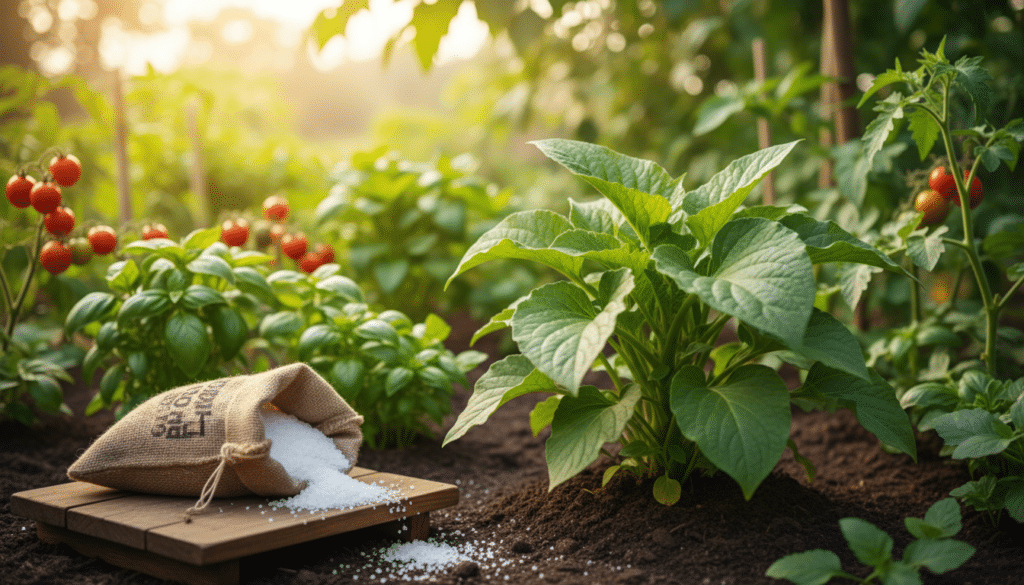
Beyond the bathroom cabinet, Epsom salt serves as an excellent mineral-rich additive for your backyard soil. This household staple consists of magnesium sulfate, which provides two vital elements for your greenery. It offers a simple way to boost health without harsh chemicals.
Magnesium and Sulfur Benefits
Magnesium acts as the heart of the chlorophyll molecule, which gives leaves their vibrant green color. Without it, your plants cannot effectively turn sunlight into energy for growth. Sulfur also plays a role by helping the roots absorb other minerals more effectively.
Magnesium is a central component of the chlorophyll molecule, essential for photosynthesis and energy production in greenery.
Identifying Magnesium Deficiency
Do you notice yellowing between the leaf veins while the veins themselves stay green? This condition, known as interveinal chlorosis, is a clear sign of a nutrient gap. It often happens in sandy soil where minerals wash away easily during heavy rains.
How to Use Epsom Salt
When you use organic methods like this, you ensure a safer environment for your garden. It works wonders for the “heavy feeders” in your yard like peppers and roses. This extra boost helps each plant thrive and produce more fruit.
Proper Dilution Ratios
To create a safe solution, dissolve one tablespoon of Epsom salt into a gallon of water. This concentration is mild enough to avoid burning the foliage or roots. Always stir the mixture well before you begin the application.
Application Frequency
Apply this mixture once a month during the active season of plant growth. You can pour it directly onto the soil or use a spray bottle for faster nutrient uptake through the leaves. Regular feeding during the spring ensures the best results.
| Plant Type | Recommended Amount | Frequency |
|---|---|---|
| Tomatoes | 1 tbsp per gallon | Once a Month |
| Roses | 1 tbsp per gallon | Once a Month |
| Citrus Trees | 2 tbsp per gallon | Bi-Monthly |
When Not to Use Epsom Salt
You should only add this fertilizer if your plant truly shows signs of a deficiency. Adding excessive amounts can actually block the uptake of calcium, leading to issues like blossom end rot. Keep track of water levels to ensure steady growth and healthy plants.
6. Grass Clippings and Leaves: Free Yard Waste Fertilizer
Every time you mow or rake, you are sitting on a goldmine of free nutrients for your garden. You can easily turn your yard waste into a high-quality resource for your soil. This simple habit keeps your plants healthy while saving you money on your garden upkeep.
Using materials you already have is the most sustainable way to grow a lush landscape. Instead of sending debris to the landfill, you can use it to build a thriving ecosystem right in your backyard. These materials act as a slow-release fuel that feeds the biology under the surface.
Nutrient Content of Grass and Leaves
Grass clippings are a powerful nitrogen source that you produce during regular lawn maintenance. They typically contain between 1-2% nitrogen, making them a top-tier choice for greening up your landscape. Since grass breaks down quickly, the nutrients become available to your gardens within a few weeks.
Research from Utah State Extension shows that leaves provide about 1% nitrogen along with essential trace minerals. While they have lower nutrient levels than fresh grass, they offer excellent long-term benefits. They help create a crumbly texture in the dirt that allows roots to breathe and grow deep.
Using Fresh vs. Decomposed Materials
You have two main choices when using these organic materials in your gardening routines. Fresh grass releases nutrients quickly, but it can mat down and block water if the layer is too thick. You should always apply fresh scraps in thin layers to ensure proper airflow.
Decomposed leaves are much gentler on your plants than fresh ones. They improve the soil structure without the risk of nitrogen burn that fresh scraps sometimes cause a sensitive plant. Decomposed material also attracts beneficial earthworms to your flower beds.
Grasscycling Benefits
The easiest way to provide a free fertilizer is to simply leave clippings on the lawn. This grasscycling process reduces yard debris and helps the ground retain moisture during hot summer months. It also saves you the physical effort normally spent bagging and hauling heavy lawn bags to the curb.
Leaf Mold Creation
You can create leaf mold by collecting autumn leaves and wetting them thoroughly. Place them in a large pile or a mesh bag for 6 to 12 months. Over time, they break down into a dark, crumbly amendment that acts like a sponge for water and nutrients.
Application Methods for Different Plants
When applying these items, use a thin layer of fresh clippings around vegetables to suppress a weed. This mulch layer keeps the roots cool while slowly feeding the crop. For larger trees and shrubs, spread decomposed leaves around the base to protect the root zone from temperature swings.
Always check for a weed seed before you spread clippings, especially if you mowed a tall lawn. You should also avoid using any grass treated with chemical herbicides. These chemicals can linger in the material and harm your sensitive flowers or vegetables.
| Material Type | Nitrogen Content | Nutrient Availability | Best Garden Use |
|---|---|---|---|
| Grass Clippings | 1% to 2% | Moderate / Fast | Vegetable mulch |
| Dry Leaves | Approx 1% | Slow | Compost brown matter |
| Leaf Mold | Trace | Slow Release | Soil conditioner |
| Grasscycling | 1% to 2% | Moderate | Lawn maintenance |
7. Fish Tank Water and Seaweed: Ocean-Based Nutrients
Your indoor pond and the local coastline offer some of the most potent organic fertilizers available for home use. These aquatic sources provide a diverse range of elements that land-based compost might lack. You can easily turn your routine aquarium maintenance into a growth session for your garden.
Benefits of Aquarium Water
Used fish tank water is a fantastic resource that many people simply pour down the drain. This liquid fertilizer contains natural waste that acts as a gentle booster for your indoor jungle.
Nitrogen and Phosphorus Content
The waste from your fish breaks down into nitrogen and phosphorus. These are the exact nutrients that your plants crave for vibrant, leafy growth.
The specific levels of the nutrient profile will vary based on your tank’s population. However, it generally provides a safe, moderate boost during every routine cleaning.
Safe Use Guidelines
You must only use water from freshwater aquariums to avoid killing your greenery. Never use salt water or any liquid treated with heavy medications.
Always ensure you change your aquarium water regularly. This ensures the concentration of minerals remains beneficial rather than overwhelming for your potting soil.
Seaweed as Fertilizer
If you live near the coast, you have access to seaweed, which is an incredible soil amendment. It is packed with micronutrients that help your garden thrive in tough conditions.
Collecting and Preparing Seaweed
Collect fresh seaweed from the beach and rinse it thoroughly with a hose. This step is vital because it removes excess salt that could dehydrate your plant.
Chop the materials into small pieces before mixing them into your soil. This helps the organic matter decompose faster and release its beneficial fertilizers into the root zone.
Trace Minerals and Plant Benefits
Kelp contains 5-10% potash, which is essential for healthy flowering and fruiting. It also provides iron and zinc, which are often missing from standard garden fertilizer.
These trace elements support the metabolism of your greenery. They also build better resistance against common garden diseases and pests.
Best Plants for These Fertilizers
Moisture-loving plants like ferns and calatheas love the nitrogen in aquarium runoff. They appreciate the gentle, consistent feeding that waste-filled liquids provide.
Meanwhile, philodendrons and spider plants respond beautifully to the mineral-rich profile of seaweed. Use these ocean-based boosters to keep your foliage looking lush and green all year long.
| Fertilizer Source | Primary Nutrients | Best Plant Match | Key Advantage |
|---|---|---|---|
| Aquarium Water | Nitrogen & Phosphorus | Ferns and Mosses | Zero Cost Liquid |
| Raw Seaweed | Potassium & Iron | Fruit-Bearing Plants | Soil Structure |
| Seaweed Extract | Balanced Trace Minerals | Pothos & Spider Plants | Rapid Absorption |
8. Manure Tea and Wood Ash: Powerful Organic Options
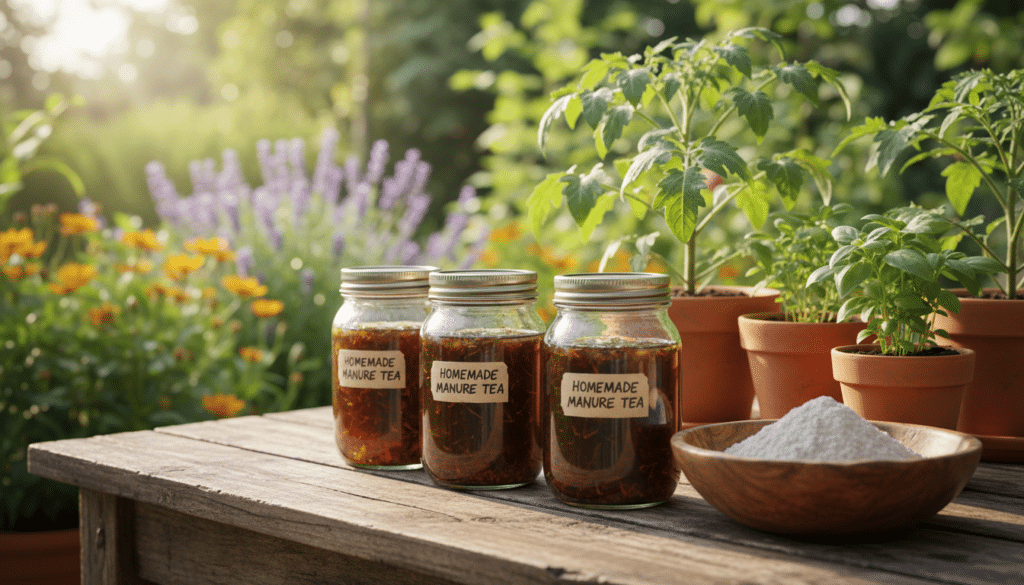
You might be surprised to learn that manure tea and wood ash are among the most effective traditional organic fertilizers available today. These options provide concentrated doses of nutrients that help your garden thrive throughout the season. Using these methods is incredibly rewarding for any home gardener looking to recycle waste.
Creating Manure Tea
Manure tea is a powerful liquid fertilizer made by steeping animal waste in water. This process creates a nutrient-rich solution that plants can absorb much faster than solid manure. It acts as a quick boost for heavy feeders during the peak growing season.
Types of Manure to Use
There are several types of manure you can use, each offering a unique nutrient profile. Many organic growers prefer poultry manure because it contains the highest nitrogen levels, typically ranging from 3% to 4%.
| Manure Type | Nitrogen (%) | Potash (%) | Availability |
|---|---|---|---|
| Poultry | 3-4% | 1-2% | Rapid |
| Sheep | 3-4% | 2-3% | Moderate |
| Cattle | 2-3% | 1-2% | Moderate |
Brewing Process
To brew the tea, place two cups of well-aged manure into a cloth or burlap bag. Submerge this bag in a five-gallon bucket of warm water for three to seven days. Always use composted materials to reduce the risk of introducing weed seeds or pathogens to your garden beds.
Using Wood Ash Safely
Wood ash is a fantastic potassium-rich amendment that helps balance acidic ground. While it contains no nitrogen, its high potash content is vital for building strong plant stems and healthy root systems.
Potassium and Alkaline Benefits
This amendment raises soil pH and provides a significant amount of calcium. It is especially helpful for your vegetable garden if you are growing plants that prefer slightly alkaline conditions. It can quickly transform the chemical balance of your garden patch.
Important Precautions and Limitations
Only apply small amounts of wood ash, roughly 10 to 15 pounds per 1,000 square feet annually. Never use ash from treated lumber, coal, or trash because these sources contain toxic chemicals. Avoid using these fertilizers on acid-loving plants like blueberries or azaleas to prevent growth issues.
Essential Tips for Using Homemade Organic Fertilizers
Success with DIY garden food depends on knowing exactly how and when to feed your green space. You have learned many ways to create great nourishment from household items. Now, you need to master the best application tips to keep your garden thriving throughout the year.
Avoiding Over-Fertilization and Nutrient Burn
Adding too many nutrients is a common mistake in gardening. This error can cause nutrient burn, which often appears as browning leaf edges or stunted growth. Excessive amounts of organic material can even harm the biology of your soil.
High salt levels in some mixtures may also damage a sensitive plant. Look for white crusts on the ground surface as a warning sign. Proper management prevents these salts from burning roots or polluting local water sources.
The Importance of Soil Testing
You should test your soil every two to three years to see what it really needs. A professional test usually costs between $10.00 and $40.00 per sample. This small investment provides ways to avoid wasteful or harmful applications of fertilizers.
When and How to Test Your Soil
Collect 10 to 12 small samples from different spots in your yard and mix them together. The best times for testing are early spring before planting or late fall after the harvest. Sending these samples to a laboratory ensures your organic fertilizer plan is based on facts.
Proper nutrient management ensures your landscape stays healthy without polluting the local water supply or inducing toxicity.
Application Timing and Frequency
Apply nitrogen-rich fertilizer during active growth periods for the best results. Do not feed your plants during extreme heat or drought to avoid unnecessary stress. Matching the timing to the specific growth stage helps the plants absorb everything efficiently.
Slow-release materials like compost work well when applied two or three times per season. Faster-acting fertilizers might require monthly applications during the peak summer months. Good management involves keeping a record of every application to track your progress.
Calculating Fertilizer Rates
Finding the right balance requires a simple math formula to protect your soil. Divide the pounds of nutrient needed by the percentage of that nutrient in your organic fertilizer. Then, multiply that by your total acreage or square footage.
For example, if you need 2 pounds of nitrogen for a 1400 square foot area using 12% nitrogen blood meal, the math is 2 ÷ 0.12 × 1.4. This means you need exactly 23 pounds of fertilizer. Using the correct math helps you make sure you do not over-apply powerful ingredients.
Testing Before Full Application
Always test a new mixture on just a few plants before treating the entire area. This allows you to observe how they react and ensures the blend is safe. If the greenery looks vibrant after a week, you can proceed with confidence across the whole space.
| Action Step | Recommended Frequency | Primary Benefit |
|---|---|---|
| Soil Testing | Every 2-3 Years | Prevents nutrient toxicity |
| Compost Application | 2-3 Times per Year | Builds long-term health |
| Liquid Feeding | Once per Month | Provides immediate boost |
| Visual Inspection | Weekly | Identifies nutrient burn |
Conclusion
Creating organic fertilizer is an eco-friendly approach that builds long-term soil health for your vegetables and fruit. By turning kitchen scraps into plant food, you reduce waste while boosting garden productivity. These many organic options, from coffee grounds to manure tea, offer unique benefits for every stage of plant growth.
Using homemade organic fertilizers is a practical way to nourish your vegetable patch and houseplants. Whether you apply eggshells or a liquid fertilizer, you are giving plants safe nutrition. Remember that successful gardening requires patience, as these organic fertilizers work slowly to improve the soil over time.
Always start with a soil test to understand your specific vegetable needs and avoid over-application that could hinder growth. You might begin with simple ways to feed plants, like using banana peel tea. Simply let sit your materials to steep properly before use for your fruit trees or vegetables.
Experiment with combinations to create a balanced plan for your vegetable harvest and healthy vegetables. Use this guide as a reference to find a new organic fertilizer to support healthy gardens.
Every vegetable grower can find success by nurturing each plant. Your journey toward a chemical-free home starts with these organic fertilizers for your next vegetable project.
