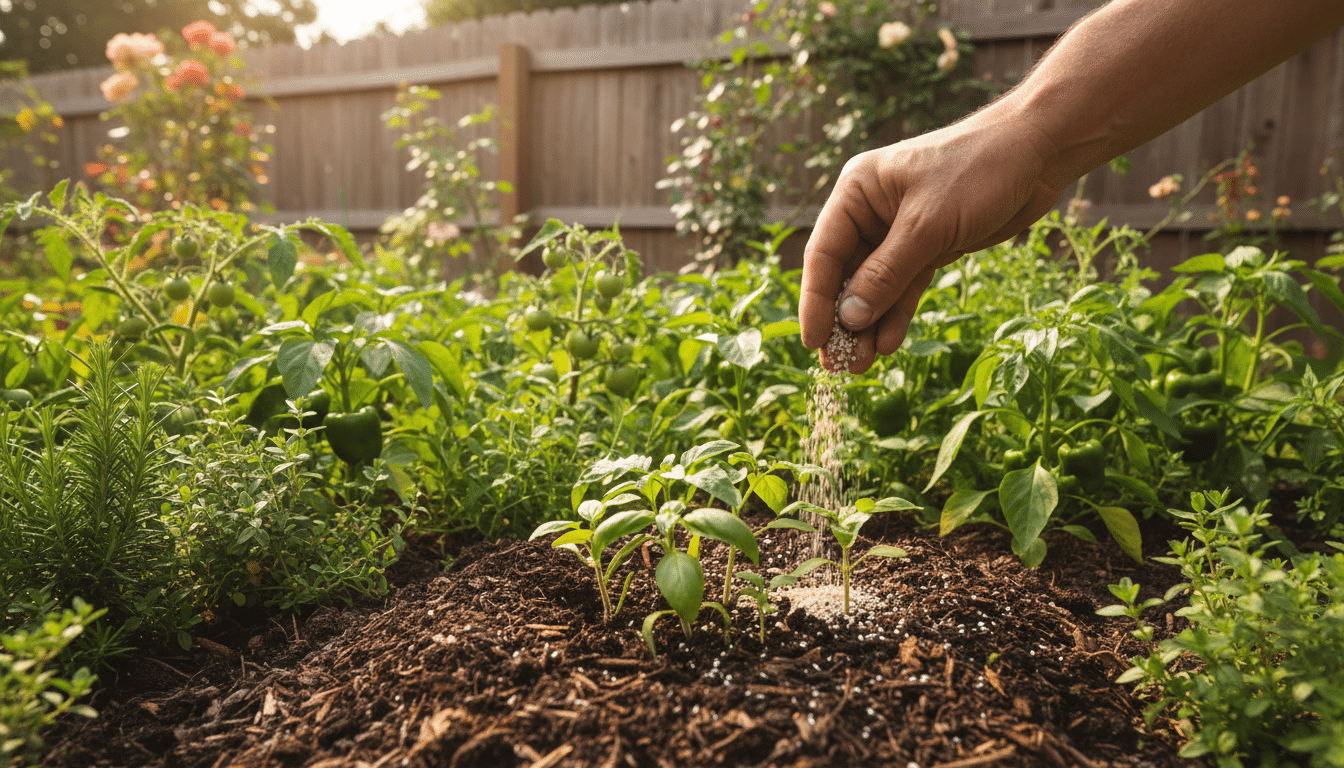
Have you ever wondered if your greenery is actually starving despite your best watering efforts? While hydration is vital, a lush garden requires a steady supply of nutrients to truly thrive throughout the season. Every plant needs the right fuel to reach its full potential and stay vibrant.
Using the right fertilizer ensures your soil stays rich and productive after every harvest. When you give plants what they need, they develop deep roots and stronger resilience. This fertilizer helps replace the nutrients that your crops consume from the soil over time.
However, more isn’t always better, as excessive feeding can hinder natural growth or damage sensitive roots. Mastering this balance is the heart of successful gardening. In this guide, you will discover when your plants are hungry and how to maintain healthy soil for every plant in your garden.
Key Takeaways
- Regular feeding is just as essential as watering for sustained greenery health.
- Harvesting crops depletes vital minerals that you must replace manually.
- Achieving a nutrient balance prevents the risks of stunted or abnormal growth.
- Properly nourished systems develop stronger roots and better disease resistance.
- Successful gardeners learn to spot the subtle signs of hungry vegetation.
Understanding Plant Fertilizers and Why They Matter
Think of garden feeding as a way to provide essential vitamins that support long-term health and vitality. Your backyard thrives when you give it the right balance of support.
Understanding how to fuel your soil ensures your greenery gets the best start. You can transform a struggling yard into a thriving landscape by learning a few basics.
What Is Fertilizer?
Fertilizer serves as a nutritional supplement that replaces the essential nutrients your plants need for healthy growth and development. Just like humans take vitamins, a plant requires extra help when the soil runs low on minerals.
This specialized food ensures your garden stays vibrant and productive throughout the year. It provides the energy required for your flowers to bloom and your vegetables to ripen.
“The soil is the great connector of lives.”
The NPK Ratio Explained
When you read the fertilizer bag, you will see three numbers known as the NPK ratio. This ratio tells you the exact percentages of the most critical nutrients your garden requires by weight.
The numbers represent Nitrogen (N), Phosphorus (P), and Potassium (K) in that specific order. The rest of the bag usually contains filler to help you apply fertilizer evenly across your garden beds.
Nitrogen for Foliage Growth
Nitrogen acts as the primary driver for lush, green foliage and strong stems. This nutrient is especially important for your leafy vegetables and ornamental shrubs. Ornamental plants rely on this nitrogen boost to maintain their vibrant color.
Phosphorus for Root Development
Phosphorus is essential for building deep, healthy roots. It helps your garden establish a solid foundation and encourages the production of abundant flowers. Maintaining balanced phosphorus levels ensures your blossoms are colorful and strong.
Potassium for Plant Health
Potassium functions as an immune system booster for every plant you grow. It helps them resist disease and tolerate stress from dry weather or extreme temperatures. Keeping high potassium levels maintains overall health during the peak growth season.
Quality fertilizer products often include extra nutrients like calcium, magnesium, and iron. These additional elements support complete nutrition for a professional-looking garden.
| Element | Primary Garden Role | Key Visible Result |
|---|---|---|
| Nitrogen (N) | Leaf and Stem Support | Lush Green Leaves |
| Phosphorus (P) | Root and Flower Production | Strong Foundations |
| Potassium (K) | Stress and Disease Resistance | Overall Hardiness |
How Often to Fertilize Garden Plants
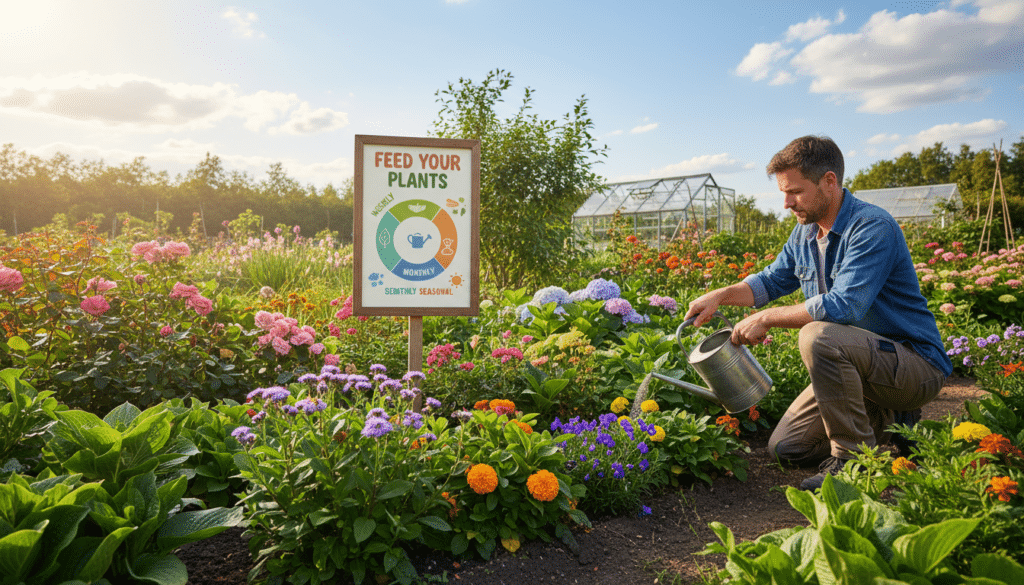
Knowing when to feed your greenery depends on several variables, ranging from the product type to the specific species in your soil. You want to provide enough nutrients to help them thrive without causing burn or waste. Finding the right rhythm ensures your garden stays vibrant throughout the year.
General Fertilizing Guidelines
The frequency depends heavily on the type of fertilizer you choose for your backyard. Liquid and water-soluble foods usually require application every 7 to 14 days because plants absorb them so quickly. If you are growing heavy feeders, you can boost your tomato seedlings with liquid to keep them productive and strong.
Granular continuous-release formulas often need only one or two applications during the entire growing season. Some gardeners feed vegetables once a month with quick-release products, while others prefer a single slow-release dose. Lawns typically do best with two feedings, usually in April and September, to maintain their lush green color.
Factors That Affect Fertilizing Frequency
Your garden‘s unique environment plays a major role in your specific feeding schedule. Containers require more frequent feeding than in-ground plants because water washes nutrients out of the soil quickly. A young plant in its peak growth time will also require more energy than an established, woody shrub.
“The best fertilizer is the gardener’s shadow, but a little actual plant food helps quite a bit too.”
Environmental conditions like heavy rainfall can also deplete the soil, making it necessary to re-evaluate your fertilizer plan. You should always watch your plants for signs of active growth, as this is when they can use the extra help most efficiently. Following a consistent routine prevents the stress of nutrient fluctuations for your favorite flowers.
| Fertilizer Type | Application Frequency | Ideal Use Case |
|---|---|---|
| Liquid / Water-Soluble | Every 1-2 Weeks | Potted Flowers & Seedlings |
| Granular (Quick Release) | Once Per Month | Fast-Growing Vegetables |
| Slow-Release Granular | 1-2 Times Per Year | Lawns, Trees, & Shrubs |
Fruit trees generally only require fertilization once a year during the early spring. By timing your applications correctly, you ensure that every plant receives exactly what it needs to flourish. This careful balance keeps your outdoor space looking its absolute best with minimal effort.
Best Times to Fertilize Throughout the Year
Success in the garden often depends on matching your feeding schedule to the natural rhythm of the seasons. By understanding when your plants need a boost, you ensure they remain healthy and vibrant all year long.
Every plant follows a specific cycle that dictates how it absorbs nutrients. Timing your applications correctly prevents waste and protects your green space from stress.
Spring: Starting Your Fertilizing Season
Spring is the critical time to kick off your routine as the ground thaws and the growing season begins. For edible crops, you should mix fertilizer into your soil before you even start planting.
If you have perennial flowering plants, wait until the ground is no longer frozen. Aim to feed them when the last frost date is only a few weeks away to encourage new growth.
Summer: Maintaining Growth
Once your garden is established, focus on maintaining steady growth during the warmer months. You should typically start a regular feeding regimen about a month after your initial planting to sustain the growing season.
Many plants experience major spurts in mid-summer, especially heavy feeders like corn and squash. This mid-season boost helps these crops stay productive during their peak production periods.
Fall: Preparing for Dormancy
As the weather cools in the fall, your strategy depends heavily on your local climate. In colder northern areas, give your plants their final feeding early in the season.
This allows annuals to finish their show while helping perennials store nutrients for their upcoming winter dormancy. Early feeding ensures the roots are strong enough to withstand the coming frost.
Winter: When to Stop Feeding
In regions where the ground freezes, you must stop applying fertilizer before the first freeze hits. This rest period is essential for the plant to harden off and survive the cold.
However, if you live in a southern region, you might continue feeding active vegetables throughout the winter. Always remember that even in warm areas, dormant trees and shrubs should still be allowed to rest.
| Season | Primary Focus | Key Action |
|---|---|---|
| Spring | Growth Kick-off | Mix nutrients into soil before planting |
| Summer | Peak Production | Boost heavy feeders during growth spurts |
| Fall | Dormancy Prep | Help perennials store energy for cold |
| Winter | Rest Period | Stop fertilizer use in freezing zones |
Fertilizing Different Types of Plants
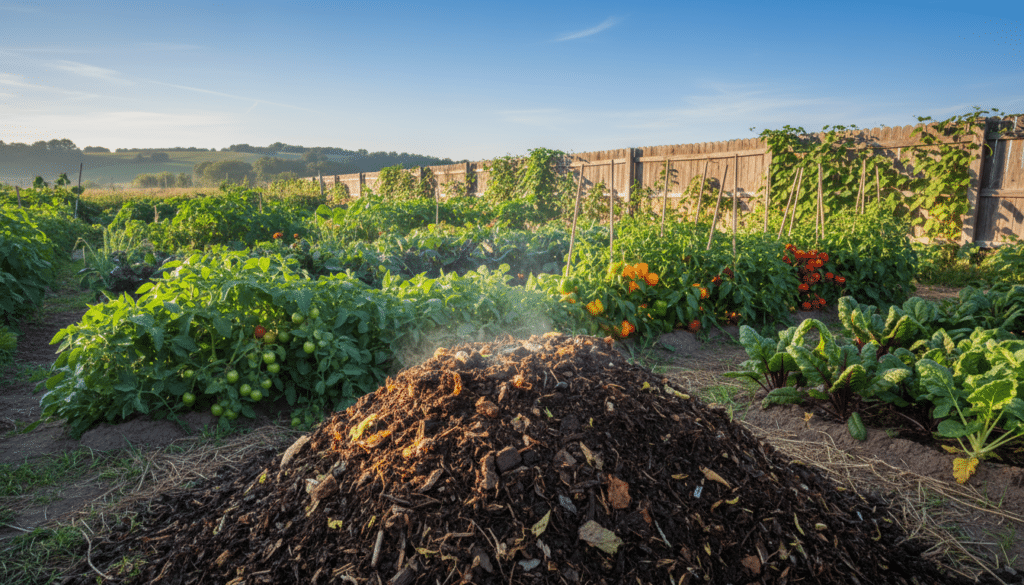
Tailoring your feeding schedule to each specific variety ensures a bountiful and healthy harvest. You cannot treat every living thing in your backyard the same way because they all have unique appetites. Giving your garden the right nutrients at the right time makes a massive difference in how everything grows.
Understanding these differences will help you avoid common mistakes like over-feeding or using the wrong minerals. You should focus on the specific needs of your vegetable patches and flower beds to see real results. Let’s look at how to feed various species for the best possible growth.
Vegetable Gardens
Feeding your vegetable crops requires a bit of strategy to get the best yields. Most vegetables benefit from a balanced formulation, such as a 3-4-4 ratio, to keep the plant strong throughout the season. When your vegetable garden needs a quick boost, consider using a 10-10-10 liquid fertilizer for balanced results.
Tomatoes and Fruiting Vegetables
Tomatoes need soil that is rich in calcium to prevent blossom-end rot from ruining your crop. Use a 3-4-6 ratio for tomatoes and switch to a low-nitrogen formula once you see flowers. This encourages the plant to produce fruit rather than just growing more green leaves.
Peppers, eggplants, and tomatoes need extra food after the first fruit sets. You should feed them again two weeks after picking your first tomato and once more a month later. Potassium is also vital for these plants to help the fruit develop its full flavor and size.
Leafy Greens
For spinach, kale, and mustard greens, nitrogen is your best friend early on. These plants benefit from feeding when they are about one-third grown. This helps them produce the tender, lush leaves you want for your salads.
Root Vegetables
You must be very careful with roots like carrots, beets, and parsnips. High-nitrogen fertilizers cause huge green tops but very tiny roots, which is not what you want. These vegetables should not have added nitrogen if you want a thick, healthy crop to pull from the soil.
Flowering Plants and Perennials
To get those beautiful, vibrant flowers, you should look for a product high in phosphorus. This specific nutrient supports heavy bloom development in your perennials and annuals. Feeding them as they start to bud will ensure your garden stays colorful all summer long.
Trees and Shrubs
Established trees and shrubs are generally low maintenance compared to other plants. They typically only need food once in the early spring as they “wake up” for the new growth cycle. Use a specialized tree formulation to provide the steady nutrition they need for strong branches.
Container Plants
Plants growing in pots are much hungrier than those in the ground. Because you water containers frequently, the nutrients tend to wash out through the drainage holes. You will need to fertilize these plants more often to keep them healthy and productive.
| Plant Type | Priority Nutrient | Feeding Schedule |
|---|---|---|
| Tomatoes | Calcium & Potassium | Mid-season and after first fruit set |
| Leafy Greens | Nitrogen | When plants are one-third grown |
| Root Crops | Low Nitrogen | Avoid extra nitrogen during growth |
| Flowering Perennials | Phosphorus | Early spring and when buds appear |
| Trees & Shrubs | Balanced/Specialized | Once annually in early spring |
Choosing Between Organic and Synthetic Fertilizers
Picking the right nutrients for your garden involves understanding the unique benefits of both organic and synthetic sources. You want what is best for your plants, but the labels can be confusing.
Choosing the right plant food often depends on your specific goals and how much time you have. Whether you want a quick green-up or long-term health, the source matters.
Synthetic Fertilizers: Quick-Release Options
Processed fertilizers come from refined natural salts like phosphate rock and potassium chloride. These options are usually water-soluble, meaning they provide almost instant results for your garden.
If you have struggling plants that need a fast boost, a synthetic fertilizer can provide a concentrated amount of food quickly. You must be careful because these fast-acting products can sometimes lead to an accidental overdose.
The high concentration of minerals is easily carried by water directly to the roots. While this promotes rapid growth, it does little to help the earth itself over the long run.
Organic Fertilizers: Slow-Release Benefits
Organic plant food comes from natural materials that break down slowly over several months. This process relies on tiny organisms in the soil to release the nutrients in a safe, steady way.
Unlike chemical options, organic food improves the overall structure of your soil as it decomposes. It adds vital organic matter that helps your garden hold moisture and breathe better.
These materials also stay where you put them. They won’t easily wash away into the local water supply even during heavy rain because they are not entirely water-soluble.
Cost Comparison and Long-Term Value
Synthetic options might seem cheaper at first glance, but they often require more frequent applications. Organic fertilizer typically costs more upfront, but you end up using a smaller amount over the season.
Because organic materials build a living ecosystem, they provide better value for the long-term health of your garden. You will see consistent growth and healthier soil without the risk of polluting the groundwater.
Many experienced gardeners use organic food as their primary plant food while keeping synthetics for emergencies. This balanced approach ensures excellent results while protecting the environment for future seasons.
| Feature | Organic Fertilizer | Synthetic Fertilizer | Garden Impact |
|---|---|---|---|
| Release Speed | Slow and steady | Immediate and fast | Affects how often you feed |
| Soil Health | Improves structure | No long-term benefit | Determines future fertility |
| Application | Less frequent | More frequent | Saves labor over time |
| Primary Goal | Building the earth | Feeding the plant | Defines your gardening style |
How to Apply Fertilizer Properly
Properly feeding your greens involves specific methods that protect delicate roots while maximizing nutrient uptake. Using the right technique ensures your garden gets the energy it needs without suffering from chemical burns. Follow these essential tips to master the application process and keep your plants healthy.
Applying Granular Fertilizers
Dry nutrients are a popular choice for many growers because they are easy to store and handle. You must correctly incorporate granular fertilizer into the earth to ensure the roots can actually reach the nutrients. This process begins before you even put your seeds in the ground.
Broadcasting Method
When preparing for soil planting, spread the product evenly by hand or with a mechanical spreader. Use a hoe or spade to work the granules into the top 3 to 5 inches soil. Spreading the mixture over the top inches of a large area creates a uniform nutrient base for new beds.
Side-Dressing Technique
For already growing plants, sprinkle a band of fertilizer along the side of your crop rows. Cultivate the food gently into the top inches of the earth, but stay away from the main stem. This method of soil planting maintenance adds a vital boost into the top inches soil without damaging the established root system.
Applying Liquid Fertilizers
Liquid plant food offers a fast-acting nutrient boost that the soil absorbs almost instantly. You should always dissolve the product in water according to the specific amount listed on the product label. Precision is key when dealing with concentrated liquid solutions to avoid harming your greenery.
Timing and Safety Tips
Never use a liquid solution at the same time you put a new plant in the garden. Root hairs often break during the move, and the fertilizer can enter these breaks and burn the tissues. Wait at least two weeks to let the root system recover before feeding.
- Always water your beds thoroughly with plain liquid before applying any nutrient solution.
- Check the label for dilution tips to ensure you do not burn the foliage.
- Wait three weeks after transplanting to allow the plants to settle into their new home.
The Importance of Soil Testing
Before you add any food to your soil, you need to know what is already there. Testing your ground in the autumn provides a clear map of nutrient levels for the upcoming spring season. This prevents you from over-fertilizing plants that might already have plenty of nitrogen or phosphorus.
| Application Method | Best Time to Use | Main Benefit |
|---|---|---|
| Broadcasting | Pre-planting | Uniform nutrient coverage |
| Side-Dressing | Mid-season | Targeted root feeding |
| Foliar Spray | Early morning | Rapid nutrient uptake |
Understanding your soil’s chemistry is the first step toward a truly productive and sustainable garden.
Local extension offices often provide testing services at a very low cost. You may find that after years of adding nutrients, your soil actually has high levels that could inhibit growth. Regular testing helps you maintain a strong and balanced environment for every crop you grow.
Signs Your Plants Need Fertilizing
Your garden often speaks to you through its appearance, signaling exactly when it needs a boost of energy. Recognizing these signs helps you maintain a healthy environment where every plant can flourish. When plants lack essential nutrients, they show specific physical symptoms that act as a cry for a specific nutrient.
Visual Indicators of Nutrient Deficiency
You might notice pale or yellowing leaves, which usually signal that your plants are hungry for nitrogen. If your growth seems slower than usual or your stems look limp, it is time to check your feeding schedule. These classic visual indicators tell you that your plants are struggling to reach their full potential.
A lack of phosphorus often turns foliage a strange purple color and prevents flowers from blooming properly. If you see brown, burnt-looking edges on older foliage, your soil might be low on potassium. These cues help you identify what is missing before the plant suffers permanent damage.
| Nutrient Deficiency | Visual Sign | Effect on Plant |
|---|---|---|
| Nitrogen | Yellowing foliage | Stunted development |
| Phosphorus | Purple-tinged leaves | Poor flower production |
| Potassium | Brown leaf edges | Weak, brittle stems |
Weak, droopy, or limp stems indicate deficiencies that compromise the overall structure of your garden. This makes your greenery more susceptible to damage from wind or pests. Always keep an eye out for these subtle changes in color and texture.
When Not to Fertilize
Before you grab the fertilizer, ensure that hunger is the real issue. Sometimes, drooping stems or spots are caused by overwatering, insects, or a specific disease. Adding more food to a sick plants can actually cause more stress than it cures.
Check the label directions to verify you are providing the right amount at the right time. If you are already following a strict schedule, the problem likely lies elsewhere in the soil. You should rule out environmental factors like sunlight and drainage first.
“The only thing worse than starving a plant of nutrients is to overfertilize it accidentally.”
Avoiding Over-Fertilization
Over-fertilization can cause more harm than underfeeding by burning sensitive parts of the greenery. High levels of nitrogen can lead to lush, green leaves but absolutely no fruit or blossoms. This is common with tomato plants that look incredibly healthy but fail to produce anything you can eat.
Excessive fertilizer minerals can burn roots and inhibit future development. Use only what your plant needs to keep the biological balance of your garden safe and productive. Remember, more is not always better when it comes to garden health.
Conclusion
You are now ready to transform your gardening results by applying the perfect amount of fertilizer at the right time. Understanding the NPK ratio on the label helps you support healthy plant development. Whether you have a specific vegetable or a decorative plant, every plant thrives with consistent care.
Always pull weeds before you apply plant food around the base of your plants. This ensures that the nutrients need go directly to your vegetables and tomatoes. Work the food into the top few inches of garden soil to guarantee a heavy harvest.
Keep your plant food near your gardening tools in the garden to stay organized, but store it safely. Set phone reminders for every few weeks during the growing season. This is a great way to provide feeding when plants need it most from spring through winter. Using fertilizer correctly keeps your routine simple.
Proper water and nutrients help prevent disease in your favorite outdoor space. You now have the tips to maintain healthy soil for fruit and flowers all year. Strong plants are much more resilient against pests and environmental stress.
Consistent feeding is the best way to manage what your garden soil and vegetable crops often need. This applies during soil planting and every active season. Add fertilizer to the soil to boost nutrients and improve overall soil quality.
| Gardening Task | Main Benefit |
|---|---|
| Pulling weeds | Prevents nutrients need loss in garden soil. |
| Use fertilizer | Supports plants and provides regular feeding. |
| Remove weeds | Keep fertilizer and feeding in the garden. |
## FAQ
### Q: What is the best season for vegetables like the tomato?
A: Most crops thrive when you provide food during the active growing season. For a cherry tomato, start in spring and repeat every few weeks for the best harvest. Check the label for the specific amount required for results.
### Q: Why does my vegetation often need help?
A: Robust vegetation resists issues better. Using a granular fertilizer like Espoma Plant-tone helps roots stay strong. Ensure the plot stays clear of invasive species that steal potassium. Healthy growth reduces the risk of disease later in the gardening year.
### Q: What do the numbers on plant food mean?
A: The ratio represents nitrogen, phosphorus, and potassium. These nutrients support green leaves, fruit production, and root development. Proper feeding ensures your plants need less help for great results.
### Q: Is winter a good time for soil planting?
A: No, stay away from adding nutrients when growth slows. Wait until the ground warms in spring. Adding water because your nutrients need rises during the summer season helps the flora wake up naturally. In fall, stop feeding before winter arrives.
### Q: What depth works best for granular fertilizer?
A: Mix it in the top few inches of soil. This way, the roots of your flowers reach the food quickly. Always follow the tips on the Miracle-Gro package label for the best amount.
