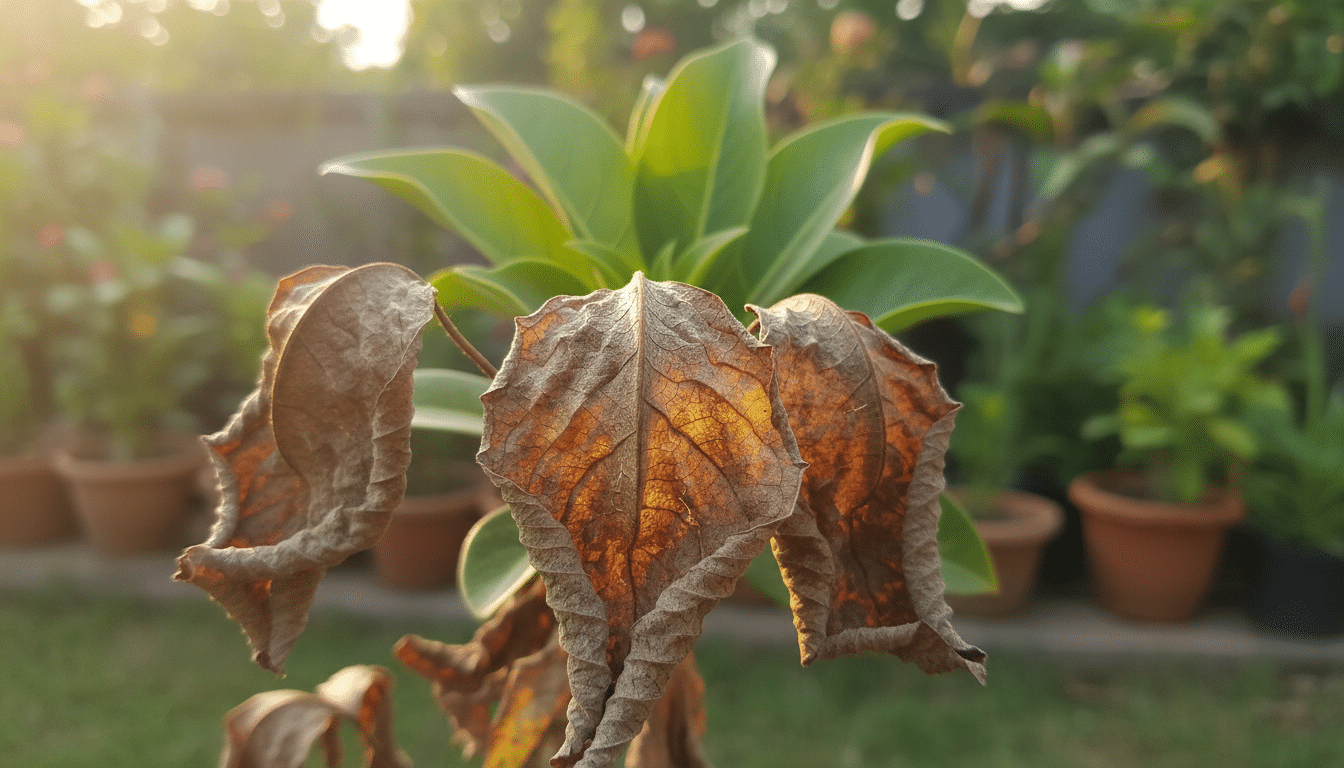
What if the vibrant green in your home is slowly fading to a worrying shade of brown? This sight can unsettle any plant lover. Those crispy, discolored leaves are more than an eyesore. They are a distress signal from your greenery.
When foliage changes color, it’s often crying out for help. Common culprits include improper watering, incorrect light, or unsuitable humidity. For instance, underwatering and excessive heat frequently cause lower leaves to turn brown and fall off.
Your green friends rely on you to decode these signs. Quick action is crucial to stop the problem from spreading. Understanding the root cause is the first step to a effective solution.
This guide will help you diagnose the issue. You’ll learn how to bring your indoor garden back to its lush, healthy state. Let’s explore the common reasons behind this change and the simple fixes you can apply today.
Key Takeaways
- Browning foliage is a common sign that your indoor plant is under stress.
- Underwatering and too much heat are frequent causes, especially for lower leaves.
- Environmental factors like light, water, and humidity levels play a major role.
- Acting quickly to identify the specific cause can prevent the issue from spreading.
- With the right care, you can often restore your plant’s health and vibrant color.
Recognizing the Signs: Symptoms of Browning Leaves
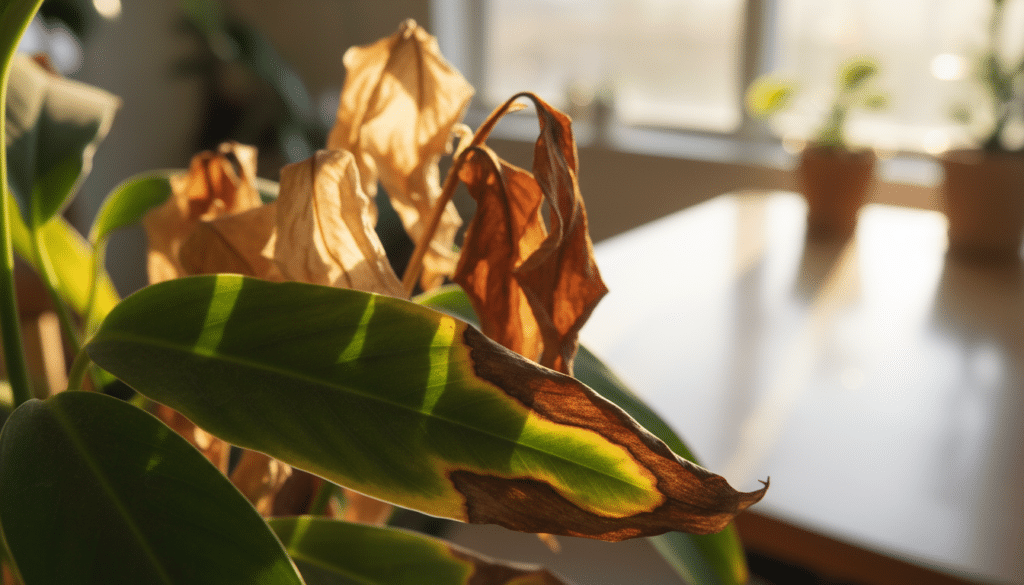
Different patterns of discoloration tell distinct stories about your green companion’s health. Learning to identify these visual cues is the first step toward a cure.
Identifying Brown Tips, Edges, and Overall Leaf Damage
Crispy, brown edges on your foliage often point to dry air. This is a common plea for more humidity.
When the lower leaves turn brown and drop, underwatering is a frequent suspect. The plant sacrifices its oldest parts to survive.
Look for spots, too. Dark ones with yellow halos can signal a fungal issue. Pale or white marks might simply be from cold water splashes.
| Symptom | Likely Cause | Quick Check |
|---|---|---|
| Brown leaf tips or edges | Low humidity | Check air moisture with a hygrometer |
| Lower leaves turning brown and falling | Underwatering | Feel the soil; if dry, water thoroughly |
| Dark spots with yellow margins | Fungal leaf spot | Isolate the plant; improve airflow |
| White spots on foliage | Cold water splashes | Use room-temperature water for watering |
Understanding the Role of Environmental Stress
These symptoms are your plant’s reaction to its surroundings. Dry, heated rooms challenge many popular houseplants.
Inconsistent watering habits create similar stress. The key is to match your care to the plant’s native environment.
By reading these signs correctly, you can adjust conditions before the damage spreads to new growth.
Diagnosing the Issue: Why Are My Plant Leaves Turning Brown
A methodical approach to diagnosis can reveal whether water, food, or climate is stressing your greenery. Let’s break down the main suspects.
Watering Practices and Root Health
Incorrect hydration is a top culprit. Both quality and quantity matter.
The Bloomscape Grow-How Team notes that tap water contains salts and chlorine. These can build up in the soil and burn leaf tips, causing brown edges.
Check if your green friend is root bound. Roots circling the pot or emerging from drainage holes restrict water uptake. This creates drought-like stress even with regular watering.
Nutrient Deficiencies and Fertilizer Effects
Food imbalances manifest on foliage. Over-fertilizing can scorch roots, leading to crispy brown leaves.
Always dilute fertilizer and apply to damp soil. Under-fertilizing also causes problems, like yellowing older leaves.
Examination of Light, Temperature, and Humidity Factors
Environmental stress is common. In winter, low light and dry, heated air challenge houseplants.
This often results in browning tips or leaf drop. Too much direct sun can scorch foliage, causing pale or brown spots.
For a visual guide on specific symptoms, see this resource on common plant diseases.
Practical How-To Guide for Plant Care Adjustments
The path to healthier foliage involves fine-tuning two fundamental aspects: hydration and atmosphere. Simple changes in your routine can make a world of difference.
Adjusting Watering Techniques and Using Alternative Water Sources
Start with your water source. The Bloomscape Grow-How Team recommends using distilled water or rainwater. This prevents chemical buildup from tap water that often burns leaf tips.
When you water, do it thoroughly. Soak the soil until moisture runs from the drainage holes in the pot. This is a great way to ensure even moisture for the roots.
Let the top inch of soil dry slightly between sessions. This watering rhythm prevents both drought and root rot.
Improving Airflow and Humidity Management
Dry air is a common enemy. Boost humidity by placing your houseplant on a tray of damp gravel. The evaporating water creates a better microclimate.
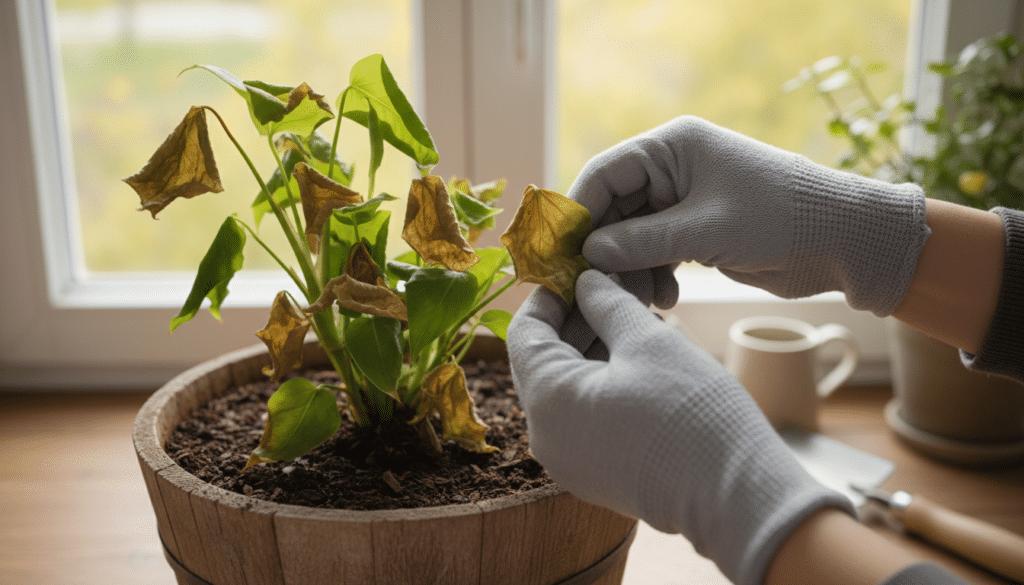
Prune off crispy brown edges with clean shears. This helps your green friend focus energy on new, healthy growth.
Good air circulation in your home is also vital. It helps prevent pests and fungal issues that cause unsightly spots on the leaves.
Specialized Tips for Different Plant Types and Conditions
Not all plants face the same challenges; indoor and outdoor environments demand distinct strategies. Your care must adapt to where your greenery lives and its specific needs.
Houseplant-Specific Care: Indoor Considerations
Delicate varieties like Calatheas and Ferns are sensitive to dry soil. They require consistent moisture to prevent their foliage from developing crispy edges.
When your houseplant sits in a sunny spot, it may need more frequent watering. The increased light and warmth can dry the soil quickly.
Adjust your routine in winter. Heated indoor air is very dry. This is a top culprit for browning tips on many container plants.
Garden and Patio Plant Challenges
Outdoor settings bring different issues. A gardener in Tampa, Florida, noted brown edges appeared rapidly after a heavy rain shower.
This can be a confusing sign. It often points to fungal diseases spurred by excess moisture on the leaves.
Always check for pests if you notice unusual spots. Good air circulation in your garden helps prevent these problems.
Monitor soil moisture closely. A lack of consistent water is a common reason potted patio plants struggle.
Conclusion
Caring for your greenery is a rewarding journey that thrives on observation and timely action. Maintaining vibrant leaves requires consistent attention to water, light, and humidity levels.
By spotting early signs of stress, like browning leaves, you can address issues before they spread. This proactive approach keeps your plants healthy and lush.
Whether nurturing a houseplant or tending a garden, the principles of good care remain the same. Regularly check soil moisture and environmental conditions.
Don’t hesitate to trim away damaged leaf tips. This simple step helps your green friend direct energy into fresh, strong growth.
If problems persist, consult a local nursery or gardening expert. Their tips can provide tailored solutions for your specific plant needs.
