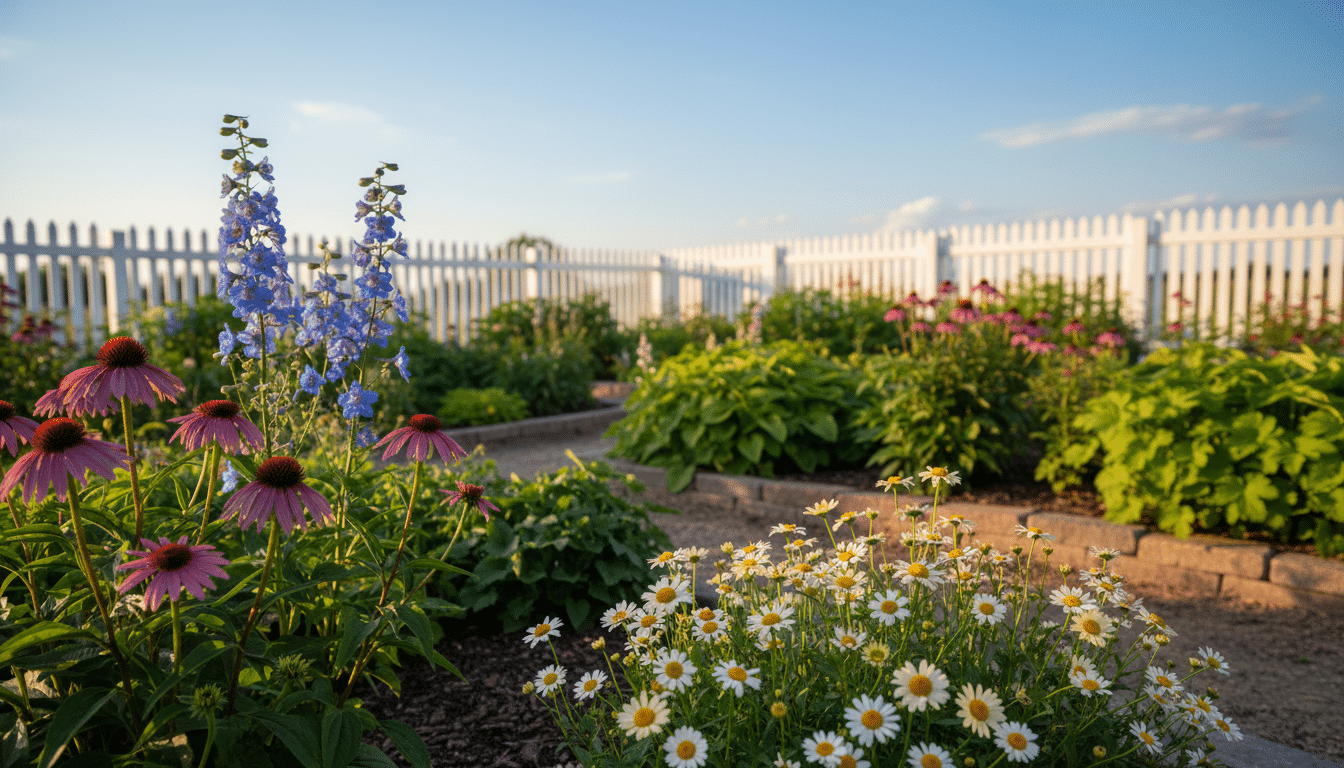
What if you could plant a garden once and enjoy its beauty for years, with minimal effort? Many new gardeners believe creating a vibrant outdoor space requires constant work and expertise.
This common belief is simply not true. A class of long-lived plants provides a stunning solution. These reliable varieties return each season, establishing a strong foundation for your landscape.
They are famously low-maintenance. This makes them ideal for people just starting their gardening journey. You can achieve a gorgeous display without daily chores.
From sunny Coreopsis to cheerful Black-Eyed Susans, many popular choices thrive with little care. You can explore a vibrant spectrum, including the sunny charm of yellow flower perennials, to build a garden that evolves through the seasons.
Selecting the right species builds confidence. Your outdoor space will remain healthy and colorful for many years. You won’t need to replant constantly.
Key Takeaways
- Long-lived plants return annually, saving you time and money.
- Low-maintenance nature makes them perfect for new gardeners.
- They provide a reliable foundation for a vibrant landscape.
- Many varieties adapt to different climates and soil types.
- Strategic selection ensures beauty throughout the growing season.
- Starting with these plants helps build gardening skills confidently.
- A well-planned garden offers continuous color with minimal effort.
Introduction to Perennial Flowers
A sustainable garden starts with understanding the difference between temporary and permanent plants. Annuals complete their entire life cycle in a single season. Perennials, however, live for several years.
This fundamental choice shapes your garden’s future. It determines how much work you’ll do each spring.
What Are Perennials?
These are long-lived plants that return for multiple growing seasons. Herbaceous types die back to the ground in autumn. They then regrow from their roots when spring arrives.
This cycle repeats for many years. It’s a clever survival strategy for the plant.
Benefits of Year-After-Year Blooms
The main advantage is sustainability. These varieties establish deep root systems. This helps them survive winter and drought.
You get reliable flowers without buying new ones every single spring. Your landscape matures and grows more beautiful year after year. This creates a lasting foundation for your garden.
For beginners, this reliability builds confidence. You can watch your garden evolve with less yearly effort.
Essential Growing Conditions for Success
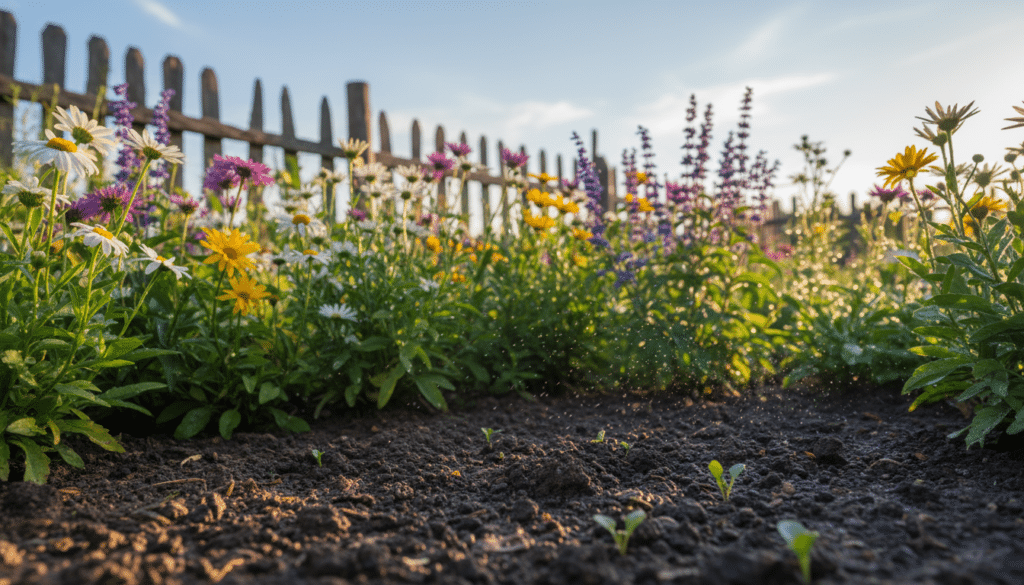
Getting your garden to thrive starts with mastering three fundamental elements: sun, soil, and water. When you provide these correctly, your landscape will reward you with vigorous growth and vibrant color.
Understanding Sunlight, Soil, and Water Needs
Light exposure is a critical factor. Many popular varieties need full sun to produce their best blooms. Without enough light, they may grow weak and fail to flower.
Your garden’s foundation is the earth itself. Most long-lived plants demand well-drained soil. This prevents moisture from pooling and causing root rot.
Consistent water is especially vital during the first growing season. Young plants are still establishing their roots and need regular support.
Take time to assess the light and moisture levels in your yard. This helps you match the right varieties to your specific environment. Properly preparing the soil before planting creates a nutrient-rich foundation for years of beauty.
How to Choose the Best Perennial Flowers for Beginners
Your local environment holds the key to selecting varieties that will thrive with ease. Smart choices are based on two main factors: your regional climate and the specific light conditions in your yard.
Matching Plants to Your Local Climate
Start by finding your USDA Hardiness Zone. This map tells you the average lowest winter temperature in your area.
It is the most effective way to ensure your plants can survive the cold. Species suited to your zone will establish stronger roots.
Native species are a smart pick. They are naturally adapted to local soil and weather patterns.
This makes them less vulnerable to pests and diseases. Your garden becomes more resilient from the start.
Evaluating Garden Locations: Full Sun vs. Partial Shade
Watch how the sun moves across your space during the day. Areas with six or more hours of direct light are considered full sun.
Spaces with dappled light or morning-only sun offer partial shade. This simple observation determines which species will flourish.
Light-loving varieties need that bright exposure to bloom well. Others perform beautifully in softer, shaded spots.
Taking time to research these needs prevents common mistakes. You will create a more successful, blooming landscape.
Top Perennial Varieties for a Stunning Garden
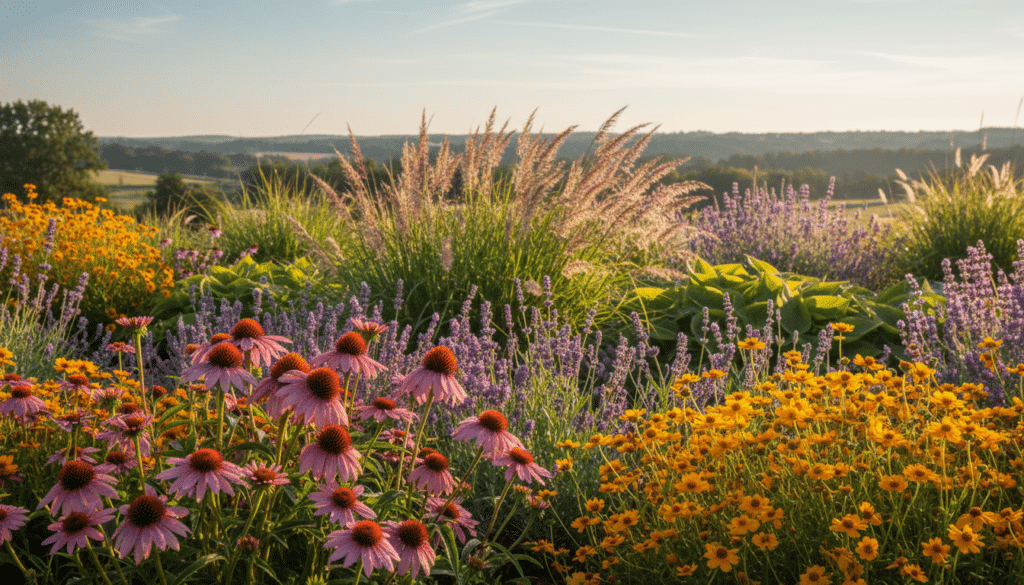
Discover a curated list of top-performing plants that form the backbone of a beautiful, enduring garden.
These reliable varieties offer incredible color and require minimal care.
Lively Daylilies and Shasta Daisies
Daylilies are incredibly resilient. They produce showy flowers on tall stems and tolerate partial shade well.
Hardy in Zones 3 to 9, they are a superb choice for new gardeners.
Shasta daisies offer a classic, cheerful look. They thrive in full sun or partial shade.
These plants grow to a height of 2 to 3 feet, adding lovely structure.
Colorful Black-Eyed Susans and Purple Coneflowers
Black-eyed Susans are truly tough plants. They bring bright yellow blooms from midsummer into fall.
They prefer sun and well-drained soil to perform their best.
Purple coneflowers are famous for their prominent cones. They attract bees and butterflies all season long.
For strong stems and abundant flowers, give them full sun and well-drained soil.
| Plant | Typical Height | Sun Needs | Hardiness Zones | Key Feature |
|---|---|---|---|---|
| Daylily | 1-4 ft | Full Sun to Partial Shade | 3-9 | Showy, resilient blooms |
| Shasta Daisy | 2-3 ft | Full Sun to Partial Shade | 4-8 | Classic white flowers |
| Black-eyed Susan | 2-3 ft | Full Sun | 5-9 | Long summer bloom |
| Purple Coneflower | 2-4 ft | Full Sun | 3-8 | Attracts pollinators |
| Russian Sage | 3-5 ft | Full Sun | 3-9 | Airy lavender-blue flowers |
| Hosta | 1-3 ft | Full to Partial Shade | 3-9 | Diverse, lush foliage |
For sunny, dry spots, Russian sage adds wispy texture. In shade, hostas provide stunning foliage.
Mixing these species creates a display with interest from spring through fall.
Planting and Maintenance Tips for Low-Care Gardening
Maintaining a vibrant landscape doesn’t require constant work, just smart timing and a few key techniques.
Following a simple seasonal guide keeps your garden healthy and beautiful year after year.
Seasonal Planting Guidelines and Soil Preparation
Autumn is the perfect time to put new plants in the ground. The warm soil helps them establish strong roots before the winter freeze.
Always prepare your soil first. Mixing in compost gives your garden the nutrients it needs to thrive.
Simple Pruning, Dividing, and Watering Techniques
A little routine care makes a big difference. Here are essential tips:
- Divide crowded clumps every few years in early spring or fall. This rejuvenates your plants for more flowers.
- Prune dead stems in early spring to clear the way for fresh growth.
- Water new additions consistently during their first summer, especially in dry spells.
- Remove faded blooms to encourage more to form.
- Cut back fleshy foliage in autumn to prevent rot.
These easy steps ensure your perennials remain vigorous with minimal effort.
Unique Features & Seasonal Blooms of Perennial Flowers
One of the greatest joys of gardening with hardy plants is watching the seasonal parade of blooms unfold. These reliable varieties offer more than just color; they create a dynamic, living habitat in your yard.
Their ability to provide interest and support wildlife throughout the year is a key feature.
Highlights from Early Spring to Late Summer
Early spring is a magical time. Many perennials push through the ground, offering the first vital nectar for hungry bees.
By early summer, your garden explodes with color. Diverse species reach their peak height, producing stunning flowers.
Late summer brings a wonderful second act. Many plants offer another round of blooms that sustain butterflies until fall.
Attracting Bees, Butterflies, and Other Pollinators
Even when not flowering, unique foliage adds lush texture. This creates a beautiful backdrop all season long.
Observing these changes is a helpful guide. You learn which plants are favorite stops for bees and butterflies.
By selecting a range that blooms from spring through summer, your space becomes a wildlife hub. It’s a rewarding cycle of beauty and life.
Enhanced Garden Design with Perennial Accents
Elevate your garden’s appeal by focusing on structure and seasonal interest, not just individual blooms. Thoughtful design turns separate plants into a unified, stunning landscape.
This approach creates a space that feels intentional and evolves beautifully throughout the year.
Companion Planting and Foliage Contrast
Pairing different species together is a powerful guide. Companion planting maximizes space and can improve overall plant health.
It also creates a more visually appealing scene. Contrast is key to great design.
Using plants with different leaf colors and textures adds incredible depth. Bold foliage makes simple flower beds look professionally curated.
Think about height and bloom time. Place taller stems at the back and shorter ones in front.
This tiered effect ensures every flower gets noticed. A well-planned garden uses a range of heights.
It also staggers bloom times from spring to fall. This guarantees there’s always something interesting to see.
| Design Principle | Purpose | Example Pairing |
|---|---|---|
| Companion Planting | Improves health & maximizes space | Coneflower with Russian Sage |
| Foliage Contrast | Adds depth & visual interest | Hosta with Coral Bells |
| Height Layering | Creates a tiered, full look | Tall Susans behind short Daisies |
| Seasonal Staggering | Ensures year-round appeal | Spring Bleeding Heart with Fall Aster |
Incorporate grasses or shrubs for winter structure. They provide a backdrop when other plants are dormant.
These tips help your garden thrive in every season. Your landscape will remain attractive, even when flowers are not in bloom.
Good design starts with preparing the ground and understanding sun needs. From there, you can build a cohesive and beautiful outdoor space.
Conclusion
Embarking on your gardening adventure with reliable perennials is a step toward creating lasting beauty. These hardy plants form the backbone of a vibrant landscape that returns each year.
Success comes from understanding basic needs. Match your garden spots to the right light, whether full sun or partial shade. Good soil preparation gives your flowers a strong start.
Simple tips keep your plants healthy. Divide crowded clumps in early spring or fall. Prune old stems to encourage fresh growth. This care ensures abundant flowers and a stunning flower show every season.
Your efforts will be rewarded. You’ll enjoy a parade of color from spring through fall, even into winter with interesting structure. Your space will buzz with bees and butterflies. With patience and time, you create an outdoor haven that delights for many years.
This guide aims to give you the confidence to begin. Your unique environment will thrive with the right choices. Happy gardening!
