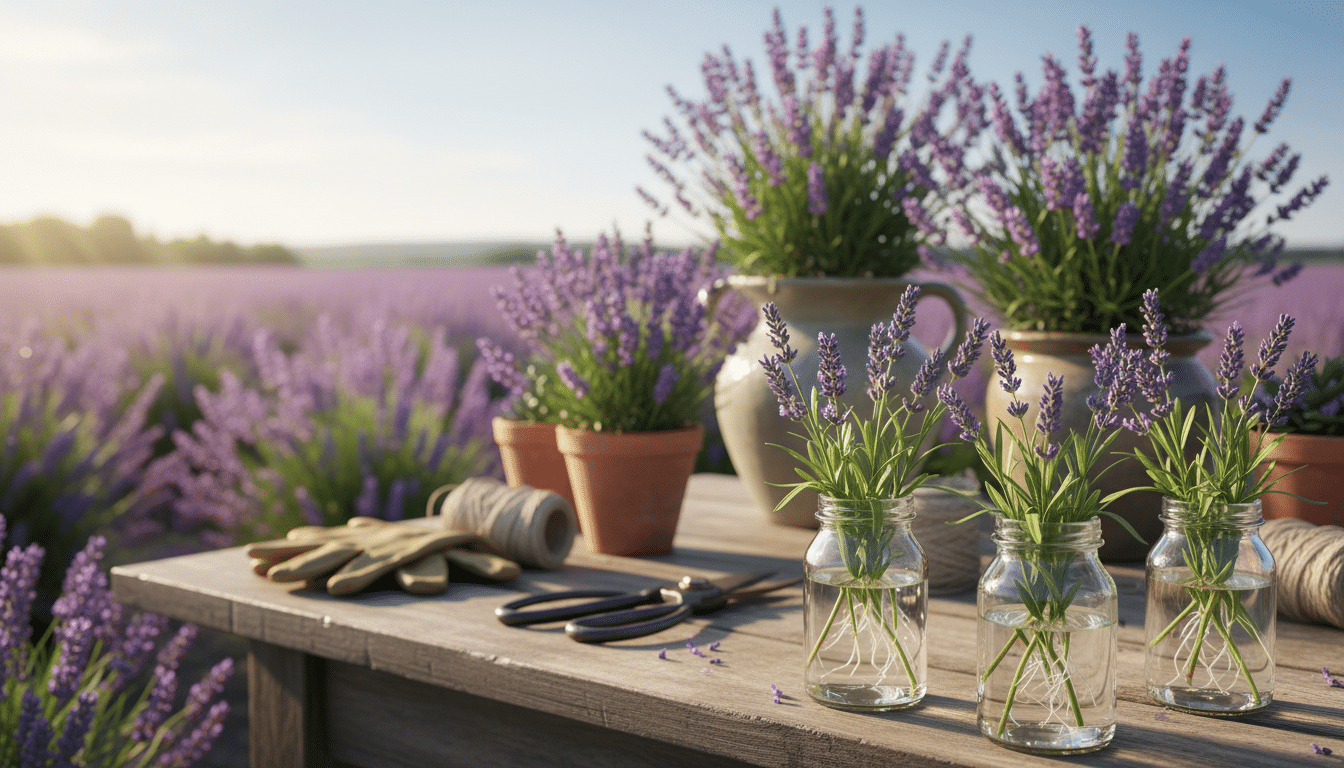
What if you could fill your entire garden with fragrant, showy bushes without spending a single dollar? This dream is entirely possible and easier than you might think.
Julian Palphramand of British Garden Centres notes that lavender is a popular choice for home gardeners looking to expand their collection. Propagating lavender from cuttings is a fantastic way to achieve this goal.
A single lavender plant can grow into a large, beautiful bush. It attracts beneficial pollinators like bees and butterflies to your outdoor space.
Many find that creating new plants this way is a surprisingly simple process. It allows you to replicate the specific aroma and shape of your favorite variety.
Whether you are a beginner or an expert, this rewarding project ensures an endless supply of these charming additions for your landscape.
Key Takeaways
- Expanding your garden with new lavender bushes can be done for free using cuttings.
- This method is an excellent way to attract bees, butterflies, and birds to your yard.
- The process is simpler than many gardeners expect, making it suitable for all skill levels.
- A single plant can quickly develop into a large, showy, and fragrant bush.
- Propagation ensures you have a continuous supply of your favorite lavender varieties.
- It allows you to precisely copy the scent and form of a plant you already love.
- Following the right techniques helps your new plants thrive in your specific space.
Introduction to Lavender Propagation
Propagation offers a straightforward path to multiplying your lavender collection, preserving the exact qualities you love. This process is a form of plant cloning.
Expert Max Lincelé explains it as a technique to create new plants from a healthy mother plant. It is especially vital for specific hybrids.
Overview of the Propagation Process
The primary method uses cuttings, specifically semi-hardwood stems. This woody cutting approach works for all lavender varieties.
It is a practical and reliable way for home gardeners. You bypass the long wait and uncertainty of sowing seeds.
Benefits of Growing Lavender at Home
Nico and Nat Dicou of Lincoln Street Farm emphasize consistency. Propagation guarantees the look and scent you adore.
Seeds can take months to sprout. Using cuttings is a much faster way to expand your garden.
For infertile hybrids like lavandin, this is the only method. Human intervention through propagation is required to create new plants.
You perfectly duplicate your favorite lavender plants. Their unique aroma, shape, and size remain consistent.
| Method | Time to Established Plant | Success Rate & Trait Consistency |
|---|---|---|
| Propagation from Cuttings | Several weeks to a few months | High. Exact clone of the parent plant. |
| Growing from Seeds | 3 months to germinate, plus growing time | Variable. Offspring may differ from parent. |
| Lavandin Hybrid | Requires cuttings | Only possible through propagation. |
This table highlights why many choose to propagate lavender. It is efficient and delivers predictable, beautiful results.
Essential Steps: How to Grow Lavender from Cuttings
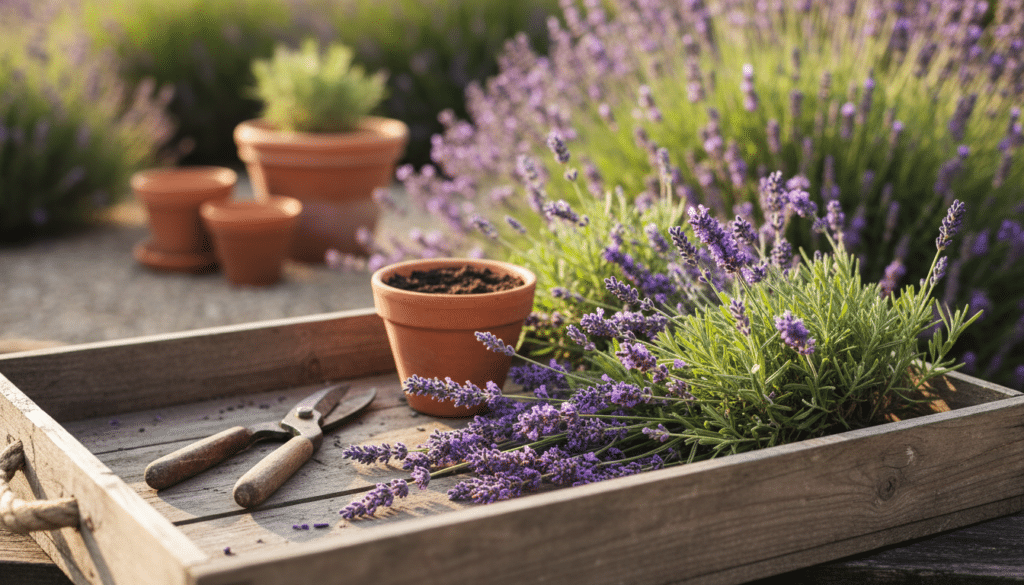
For gardeners seeking reliable results, propagating lavender from cuttings stands out as the premier method. Following a few key steps ensures your new plants thrive from the very start.
Why Propagation is Ideal for Lavender
Julian Palphramand of British Garden Centres recommends take lavender stems about four to six inches long. Make a clean cut just below a leaf joint on the stem.
Max Lincelé advises using woody cuttings from a mother plant aged three to six years. This maintains the vigor of your new lavender.
Your rooting mix is crucial. Combine well-draining compost with grit or perlite. This creates the perfect environment for roots to develop.
After planting lavender in a pot, water it well. Keeping the soil moist is a critical step for encouraging strong root growth.
Materials and Tools for Successful Propagation
Your propagation project begins with assembling a few key tools and selecting a vigorous parent plant. Having the correct supplies on hand streamlines the entire process and boosts your chances of success.
Required Gardening Tools and Supplies
You’ll need a sharp, clean pair of scissors or pruning snips. Sterilizing your tools before use is a simple but critical step. This prevents the spread of disease to your parent and new plants.
Nico and Nat Dicou of Lincoln Street Farm recommend a specific mix for your cuttings. Combine one part peat moss with two parts vermiculite. This blend offers excellent drainage and moisture retention.
A rooting hormone can significantly speed up the process. While optional, this hormone encourages faster and more robust rooting. You’ll also need clean pots with ample drainage holes.
Selecting a Healthy Lavender Plant
Your source plant is the blueprint for your new lavender. Always choose a mature, thriving specimen from your garden. Look for strong, woody stems and vibrant foliage.
Make sure the parent shows no signs of pest damage or disease. A healthy, three to six-year-old plant yields the most vigorous cuttings. This careful selection is the first secret to creating beautiful lavender plants.
Preparing and Taking Your Lavender Cuttings

The moment you take a cutting from a lavender plant, you’re starting a journey to create an exact copy. This critical step determines the future health of your new plants. Proper preparation ensures strong root development.
Softwood vs Hardwood Cutting Methods
Gardeners use two main techniques for taking cuttings. Nico and Nat Dicou show that softwood cuttings come from pliable, new growth. These are best taken in late spring.
They are typically 1.5 to 2 inches long. Hardwood cuttings use mature, woody stems from late summer. These are often four to six inches in length.
Your choice depends on the time of year and the plant’s condition. Both methods can yield excellent results with the right care.
| Cutting Type | Best Time to Take | Key Characteristics |
|---|---|---|
| Softwood | Late Spring | Pliable, new growth, 1.5-2 inches long, roots faster. |
| Hardwood | Late Summer/Fall | Woody, mature stems, 4-6 inches long, sturdier start. |
| Success Rate | High for Both | Proper preparation leads to vigorous rooting for either type. |
Using Sterile Tools and Rooting Hormone
First, make sure your scissors or snips are clean. Sterilizing tools prevents disease. This protects both the parent and new lavender.
Strip the leaves from the lower half of the stem. This spot will go into the soil. Next, dip the bare end into a rooting hormone.
This hormone stimulates faster root growth. Julian Palphramand advises placing the treated cutting into a pot. Use a well-draining mix of compost and peat moss.
Trim any flowers or buds. This redirects energy to root formation instead of flowering. In about 3 to 4 weeks, you should see new roots forming.
Creating the Ideal Environment for Rooting
Think of the rooting phase as a nurturing nursery for your future lavender plants. The conditions you provide in the first few weeks determine if your cuttings develop strong roots or fail.
Choosing the Right Soil Mix and Containers
Your soil blend is critical. Nico and Nat Dicou recommend one part peat moss to two parts vermiculite. This mix holds moisture while draining excess water.
Use clean pots with drainage holes. A small pot prevents the soil from staying too wet. This protects the stem from rot.
| Soil Component | Primary Purpose | Recommended Ratio |
|---|---|---|
| Peat Moss | Retains consistent moisture | 1 part |
| Vermiculite | Improves drainage and aeration | 2 parts |
| Perlite (Optional) | Prevents compaction, enhances airflow | ½ part |
Managing Humidity and Light Conditions
High humidity keeps cuttings fresh. Cover your pot with a clear plastic bag or bottle. This creates a mini greenhouse.
Nico and Nat use a humidity dome with a grow light for seven hours daily. This encourages rapid root growth. Keep the medium moist, not soggy.
Trim any flowers during the first summer. This directs energy to rooting. Max Lincelé advises waiting until after winter frost to move new plants to a sunny spot.
This careful environment mimics techniques used to propagate a clematis. It gives your lavender cuttings the best chance to thrive.
Troubleshooting Common Propagation Challenges
Navigating common issues during propagation can turn potential setbacks into learning opportunities. Expert Max Lincelé notes a 60-80% success rate for woody lavender cuttings when proper storage and planting steps are followed.
If a lavender plant struggles, first check the soil. These Mediterranean natives demand excellent drainage and despise soggy conditions. Overly wet soil can quickly halt root growth.
During the first summer, hand-pull weeds around your new plants. This protects their delicate, shallow roots from disturbance while letting them absorb vital nutrients.
Wondering if your cutting has taken hold? After a few weeks, a very gentle tug can reveal resistance, indicating new roots are forming.
Remember, even without a rooting hormone, your cuttings can succeed. Consistent moisture and bright, indirect light are the true keys to propagating lavender successfully.
