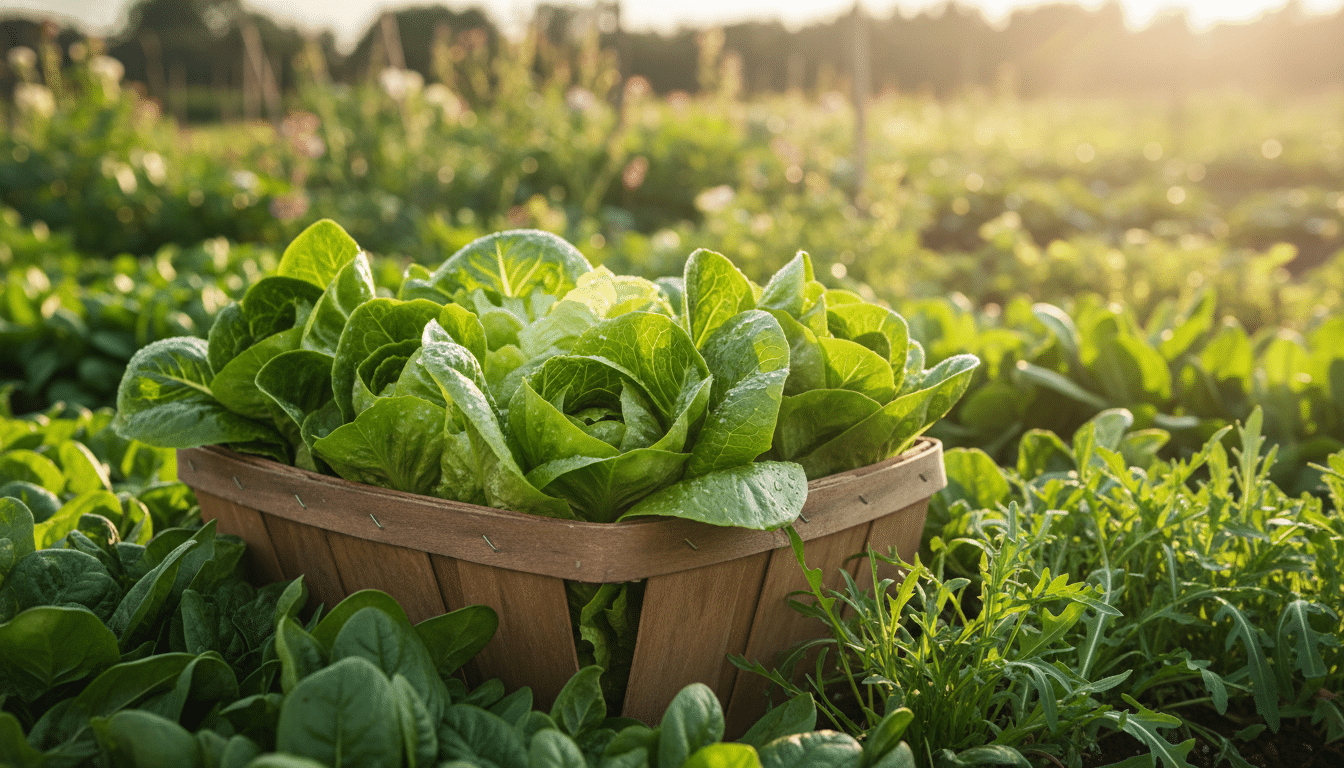
Would you like a salad bowl that never stays empty throughout summer? Have you ever felt frustrated after pulling up a whole crop for just one dinner? Imagine walking through your backyard and plucking fresh leaves from stems while keeping your crop alive. This guide shows a game-changing method for enjoying crisp greens for months.
A specific technique keeps crops productive throughout a whole growing season. Instead of pulling a whole plant, you simply take what you need and let it grow back. This ensures you have a steady supply of food without starting over from seeds every week.
Whether you have a small container or a large garden, this approach saves money and reduces waste. You will love superior flavor from your garden compared with limp options found at supermarkets. Homegrown leaves stay crunchy and nutrient-dense because they go straight from soil to your table.
Proper ways to harvest lettuce transform your relationship with your backyard produce. By the end, you will have the confidence to keep each crop thriving and delicious. You are about to master a skill that makes your backyard much more efficient.
Key Takeaways
- Use “cut and come again” for continuous growth.
- Pick only outer leaves so roots stay intact.
- Save money by extending crop life for months.
- Enjoy better flavor than store-bought bags.
- Maximize small spaces with frequent picking.
What Is the Cut and Come Again Method for Harvesting Lettuce
The secret to a never-ending salad bowl lies in a simple yet effective gardening technique known as cut and come again. Instead of pulling the entire head from the soil, this method allows you to gather fresh greens while the roots stay put. You essentially learn how to harvest lettuce without killing the plant, turning a one-time crop into a recurring feast.
Traditional farming usually involves waiting for a large head to form and then chopping the whole thing off at once. This method changes the game by focusing on the outer leaves. By leaving the central growing point, or the crown, the lettuce remains healthy and active.
Think of this process as giving your plant a haircut rather than ending its life cycle. As long as the base stays intact, the lettuce will continue to push out new leaves from its center. This works because greens naturally grow from the inside out, replacing older foliage as you use it.
“The glory of gardening: hands in the dirt, head in the sun, heart with nature. To nurture a garden is to feed not just the body, but the soul.”
You only take the leaves you are ready to eat right now. This approach is particularly successful with loose-leaf lettuce varieties that do not form a tight, hard ball. You can use it on almost any garden green to keep your kitchen stocked with minimal effort.
The plant will continue this regenerative cycle throughout the cool growing season. Eventually, rising temperatures may cause it to bolt, but until then, you can enjoy multiple servings of lettuce. It is a sustainable way to garden that maximizes your space and your time.
Learning this technique allows you to harvest fresh greens for several weeks on end. You get a higher yield from a small garden bed while keeping the leaves fresh in the ground until the last possible moment.
| Feature | Traditional Harvest | Cut and Come Again |
|---|---|---|
| Yield frequency | Once per plant | Multiple times |
| Plant survival | Plant is removed | Plant keeps growing |
| Best for | Firm head varieties | Loose-leaf varieties |
- Continuous Growth: Focuses on removing outer foliage while preserving the center.
- Regenerative Power: The crown stays safe to push out fresh growth.
- Better Value: One seed provides several bowls of salad over many months.
Benefits of Harvesting Lettuce Without Killing the Plant
Adopting a continuous harvesting strategy offers significant advantages for both your gardening routine and your dinner plate. Instead of ending the life of your plant, you create a sustainable system that provides food for weeks. This approach ensures you always have a source of crisp nutrition right outside your door.
Maximum Value from Your Garden Space
Most backyard gardens have limited room for large rows of vegetables. By keeping your plants alive, you make every square inch count. You do not have to wait for new seeds to sprout just to enjoy another meal.
This method allows small-scale gardeners to produce a surprisingly large amount of food. It is perfect for urban gardeners or those with small raised beds. You maximize your yield without needing a massive farm.
Efficiency and Multiple Harvests
The “cut and come again” method turns a single seedling into a long-term producer. You can walk to your garden just 30 minutes before dinner to cut perfectly crisp leaves. This efficiency means you spend less time replanting and more time enjoying your hard work.
You can even generate a bit of extra income if you have a surplus. Many people are willing to pay a premium for high-quality produce. Selling your extra harvest at a local farmer’s market is a great way to share your success.
Reduced Waste and Superior Freshness
You will never again face that depressing moment of finding a slimy bag of forgotten lettuce in your crisper drawer. By picking only what you need for tonight’s salads, nothing sits wilting in your refrigerator. You control exactly how much you take from the plant.
“The glory of gardening: hands in the dirt, head in the sun, heart with nature.”
Store-bought greens often travel hundreds of miles, losing vitamins and flavor along the way. With this method, you consume leaves at their peak nutritional value. This approach is particularly valuable for small households where a full head might spoil before it is finished.
| Feature | Garden Harvest | Store-Bought |
|---|---|---|
| Freshness | Harvested minutes before eating | Days or weeks old |
| Waste | Zero waste (pick as needed) | High risk of spoilage |
| Flavor | Sweet and crisp | Often bland or bitter |
When to Harvest Lettuce for Continuous Production
You can begin enjoying your homegrown salads much earlier than you might expect if you follow a few simple timing rules. Since lettuce is edible at almost every stage of its growth, you do not have to wait for full maturity to begin your first harvest. Flexibility is the greatest advantage of this growing method.
First Harvest Timing
You can begin plucking individual lettuce leaves as soon as they reach a size you find appealing for your plate. While many gardeners wait until the leaves are four inches long, the plant is delicious and tender from the very start.
If your seeds were sown too closely together, treat the thinning process as a bonus harvest rather than a chore. Simply snip the extra seedlings at the soil level when they are only an inch or two tall. These tiny microgreens are incredibly delicate and provide a punch of flavor to any dish.
Subsequent Harvest Schedule
To keep your production going throughout the entire season, you must give the plants enough time to recover. After cutting, the center of the plant needs a period of rest to push out new growth from the crown.
Most varieties are ready for a second or third clipping within one to two weeks depending on the weather. Regular harvesting actually encourages the plant to stay in its vegetative state longer, delaying the natural urge to produce seeds.
Harvesting Baby Lettuce
Baby greens represent a premium garden product that often costs top dollar at specialty grocery stores. These leaves are at their absolute peak for sweetness and offer a texture that mature plants simply cannot match.
- Better Plant Health: Thinning baby leaves reduces competition for nutrients and light among your remaining plants.
- Peak Sweetness: Harvesting early ensures you catch the foliage before any summer heat introduces bitterness.
- Dense Planting: You can plant your seeds thick on purpose to enjoy a steady supply of baby leaves while a few chosen plants grow to full size.
By snipping these tender morsels early, you ensure your kitchen is always stocked with the highest quality produce. This approach turns a simple garden bed into a continuous salad bar for your home.
How to Harvest Lettuce Without Killing the Plant: Step-by-Step Instructions
Ready to fill your salad bowl without ending the life of your favorite lettuce plants? Taking a precise approach allows you to enjoy fresh salads while keeping your garden lush. Follow these simple steps to master the technique perfectly.
Gather Your Harvesting Tools
Preparation is the key to a clean cut that doesn’t bruise your plants. Using the right equipment prevents damage and keeps your greens crisp for much longer. Always ensure your tools are sterilized before you begin your garden work.
Sharp Kitchen Knife or Garden Scissors
A clean, sharp blade is essential for a healthy plant. Dull tools can tear the stems, which might lead to disease or slow regrowth. Sharpness ensures the plant heals quickly and continues to produce leaves.
Large Bowl for Collection
Have a clean container ready to catch your greens immediately. This keeps the leaves off the soil and helps maintain their peak freshness. A stainless steel or BPA-free plastic bowl works best for this task.
Step 1: Grasp the Lettuce Leaves Together
Start by gently gathering the outer leaves into a bunch with one hand. You want to hold them firmly but carefully to avoid crushing the delicate foliage. This helps you see exactly where the stems meet the center of the plant.
Step 2: Cut 2-3 Inches Above the Crown
Using your cutting tool, slice through the gathered leaves in one swift motion. Make sure you are cutting high enough to leave the center growth point intact. This method ensures the plant can still photosynthesize and produce new growth quickly.
Understanding the Crown Location
The crown is the central point where the leaves emerge from the root system. It usually sits just above the soil surface. Never cut into this area, as it is the “heart” of the plant’s life.
Avoiding Common Cutting Mistakes
One big mistake is cutting too low or taking the inner leaves first. Focus on the outer, older leaves to encourage the inner ones to expand. A clean horizontal cut is much better than a jagged or slanted one.
Step 3: Place Harvested Leaves in Bowl
Immediately move your fresh greens into your bowl to protect them from the sun. If you are harvesting on a warm day, you might even want a damp paper towel in the bowl. This keeps your harvest from wilting before it reaches your kitchen.
Step 4: Continue Watering and Care
Your job isn’t done once the cutting is over. Regrowth depends entirely on the care you provide immediately after the harvest. Treat your plants with kindness to ensure they return even stronger.
- After harvesting, your lettuce plants need consistent moisture to regenerate quickly—water them thoroughly at the base right after cutting.
- Maintain your regular watering schedule throughout the regrowth period, keeping soil consistently moist but not waterlogged.
- Consider applying a diluted liquid fertilizer about a week after harvesting to give your plants a nutrient boost for producing new leaves.
- Keep weeds pulled around your lettuce so they’re not competing for water and nutrients during this critical regrowth phase.
- Monitor your plants over the next few days—you should see new leaves beginning to emerge from the crown within just 3-4 days if conditions are right.
- This ongoing care is what makes the cut and come again approach so successful—treat your harvested plants well, and they’ll reward you with multiple additional cuttings.
Harvesting Different Lettuce Varieties
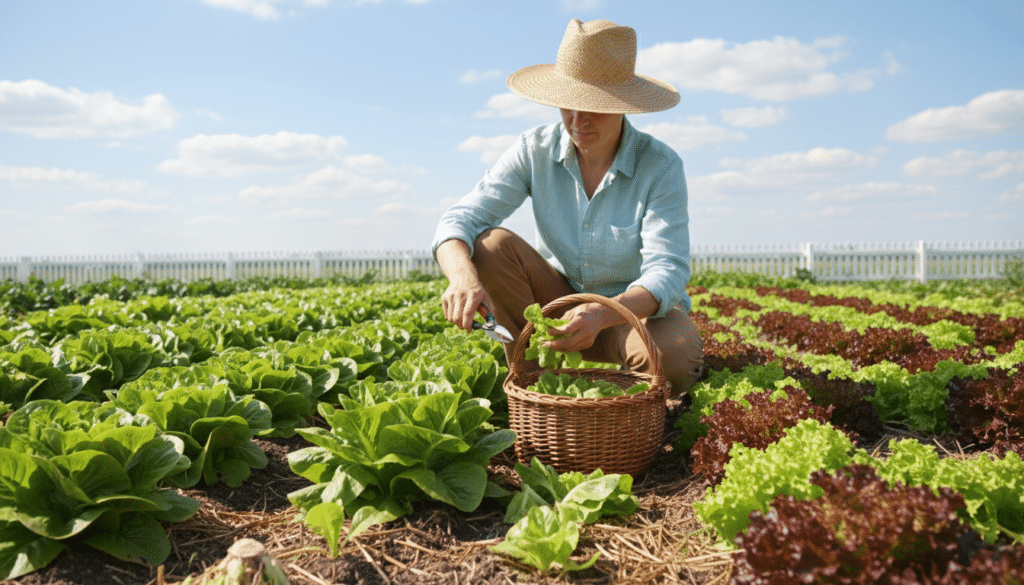
You can actually treat almost any type of lettuce as a leaf lettuce if you know the right tricks for harvesting. Understanding the unique traits of different lettuce varieties allows you to maximize your yield throughout the growing season. By adjusting your technique, you ensure each plant stays healthy and productive for many weeks.
How to Harvest Loose Leaf Lettuce
Loose leaf types are the most forgiving for the cut and come again method because they do not form tight heads. You should start by snipping the outer leaves once they reach about four inches in length. This encourages the center of the plant to keep producing fresh growth for your next bowl of greens.
| Lettuce Type | Leaf Texture | Growth Habit |
|---|---|---|
| Loose Leaf | Tender and Thin | Open Rosette |
| Butterhead | Velvety and Soft | Loose Round Head |
| Romaine | Crisp and Sturdy | Tall and Upright |
Harvesting Head Lettuce and Romaine
Many gardeners believe they must wait for a full head to form before they can begin their harvest. However, you can harvest individual leaves from Romaine or Crisphead varieties very early in the cycle. Treating these as leaf lettuce gives you a head start on your salads while the rest of the plant continues to mature.
Working with Butter Lettuce
Butter lettuce, also known as Bibb or Boston lettuce, offers a velvety texture that is highly prized by home chefs. These lettuce varieties occupy a middle ground between loose leaf types and those that form very tight, hard heads. Because they are often heat-sensitive, harvesting the outer leaves helps reduce stress on the plant during warmer days.
Popular types like Buttercrunch or Tom Thumb respond beautifully to a gentle, repetitive picking approach. You should handle these delicate leaves with extra care to prevent bruising since their structure is quite soft. The tender inner leaves are ideal for delicate salads, while the larger exterior ones make perfect lettuce wraps.
“The glory of gardening: hands in the dirt, head in the sun, heart with nature.”
As your plants reach the end of their productive life, you may notice them growing tall and producing flowers. If you want to keep your garden going, you can learn how to harvest lettuce seeds from your favorite varieties. This simple step ensures you have plenty of seeds ready for the next planting window.
What to Do When Your Lettuce Plants Bolt
Understanding the signs of a bolting plant helps you decide between a final salad harvest or starting a seed collection. As the heat of summer arrives, your greens will naturally reach the end of their production cycle. This is the time when the plant shifts its energy from growing leaves to creating new life.
You may feel disappointed when your beautiful rows start to stretch toward the sky. However, this process is a vital part of the garden cycle. It allows you to become self-sufficient by gathering your own planting materials for next year.
Recognizing Bolting Signs
The most obvious sign of bolting is the sudden growth of a tall central stalk. You will notice the leaves becoming smaller and sparse as they grow higher up the stem. If you snap a leaf, you might see a milky white sap that signals a change in chemistry.
Taste is the ultimate test for any gardener. Once the plant begins this transition, the leaves will taste incredibly bitter. At this stage, the foliage is no longer pleasant to eat, so you can stop picking them for your kitchen.
Preventing Lettuce from Going to Seed Too Early
While you cannot stop the process forever, you can delay it to enjoy more salads. Keep the soil cool by applying a thick layer of organic mulch around the base of your crops. This acts as insulation against the scorching afternoon sun.
You should also provide plenty of water during dry spells to reduce stress. Using a shade cloth can help drop the temperature by several degrees. These simple steps keep your greens productive for several extra weeks.
Harvesting and Saving Lettuce Seeds
If you want to save seeds from your best performers, you must leave the lettuce plants in the ground. It usually takes about six to eight weeks for the flowers to mature fully. During this period, the plant focuses entirely on seed production rather than leaf quality.
To prevent losing your seeds to the wind, place a small mesh organza bag over the developing flower heads. Wait until the flowers transform into fluffy, dandelion-like structures. When the tiny seeds inside turn a deep brown color, they are ready for the next step.
Cut the entire stalk at its base and hang it upside down in a cool, dry area like a garage. Let the plant dry for two to three weeks to prevent mildew from forming later. Once it is crisp, shake the plant over a bucket to release your bounty. Store your collection in a labeled paper envelope for up to five years.
| Bolting Stage | Leaf Flavor | Garden Action |
|---|---|---|
| Early Stretching | Slightly Bitter | Final harvest of leaves |
| Flowering | Very Bitter | Apply mesh bags to heads |
| Seed Maturity | Inedible | Cut, dry, and store seeds |
Extending Your Growing Season with Succession Planting
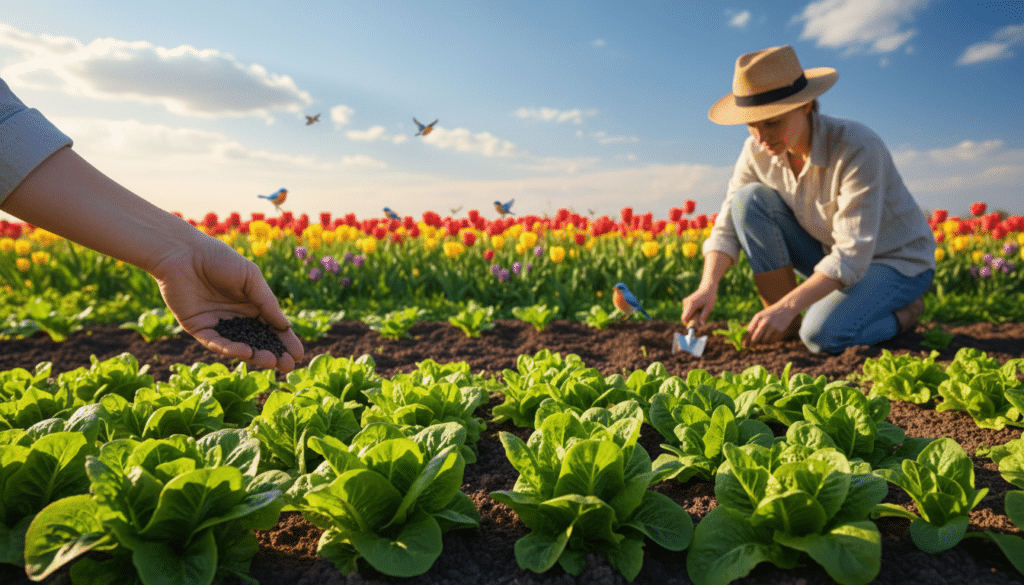
Achieving a continuous supply of leafy greens requires more than just a single planting date. You must understand how to manage your growing season to avoid a harvest gap in your kitchen. Because lettuce is a cool-season crop, timing is everything for healthy plants.
Staggering Your Lettuce Plantings
You can maintain a constant supply by sowing new seeds every two to three weeks. This method keeps your salad greens coming even as older rows begin to fade. In the early spring, start as soon as you can work the soil effectively.
If you live in a region with hot summers, plan to stop when the day gets too hot. Once temperatures hit the mid-70s, lettuce often struggles and may turn bitter. Consistency is the secret to a long-lasting garden.
Best Times for Spring and Fall Lettuce
Your first spring harvest usually happens before the last frost of the year. However, a fall garden often offers even better results. Lettuce grown in the fall often tastes sweeter because the cool nights act like a natural antifreeze.
Succession planting is the best way to ensure you never run out of fresh leaves for your family dinner.
Start your late-year season about 6-8 weeks before the first frost hits your area. This ensures your spring and late-year efforts provide food for most of the year. During this season, the fall air helps the leaves stay crisp and delicious.
| Season | Planting Window | Optimal Temp |
|---|---|---|
| Spring | 4-6 weeks before frost | 45-75°F |
| Fall | 6-8 weeks before frost | 45-75°F |
| Winter | Year-round (Mild Zones) | Above 32°F |
Conclusion
Mastering the art of a perpetual harvest means you can enjoy fresh bowls of greens from your own backyard for months. This guide shows that you don’t need to pull up the entire lettuce plant to enjoy a fresh salad. You simply need the right tools and a little bit of patience to see great results.
By using the cut and come again method, you turn your garden into a productive resource for your kitchen. Just remember to cut above the crown and keep your plants well-watered throughout the week. This simple way of working ensures your lettuce keeps growing back quickly and stays sweet.
These techniques help you save money and reduce waste while providing home-grown produce all season long. Whether you grow romaine or loose-leaf varieties, these plants reward your effort with high yields. Follow this method to harvest lettuce like a pro and keep your table stocked with the best lettuce available.
Now is the time to head out to your garden and start your first salad harvest. Enjoy the taste of fresh lettuce that you grew with your own two hands! When you harvest lettuce correctly, the supply of lettuce in your yard never truly ends. This guide makes your gardening journey successful and fun.
| Harvest Step | Key Requirement | Expected Benefit |
|---|---|---|
| Cutting Height | 2-3 inches above the crown | Promotes rapid and healthy regrowth |
| Leaf Selection | Outer leaves first | Allows center to continue developing |
| Maintenance | Consistent watering | Prevents bitterness and keeps leaves crisp |
