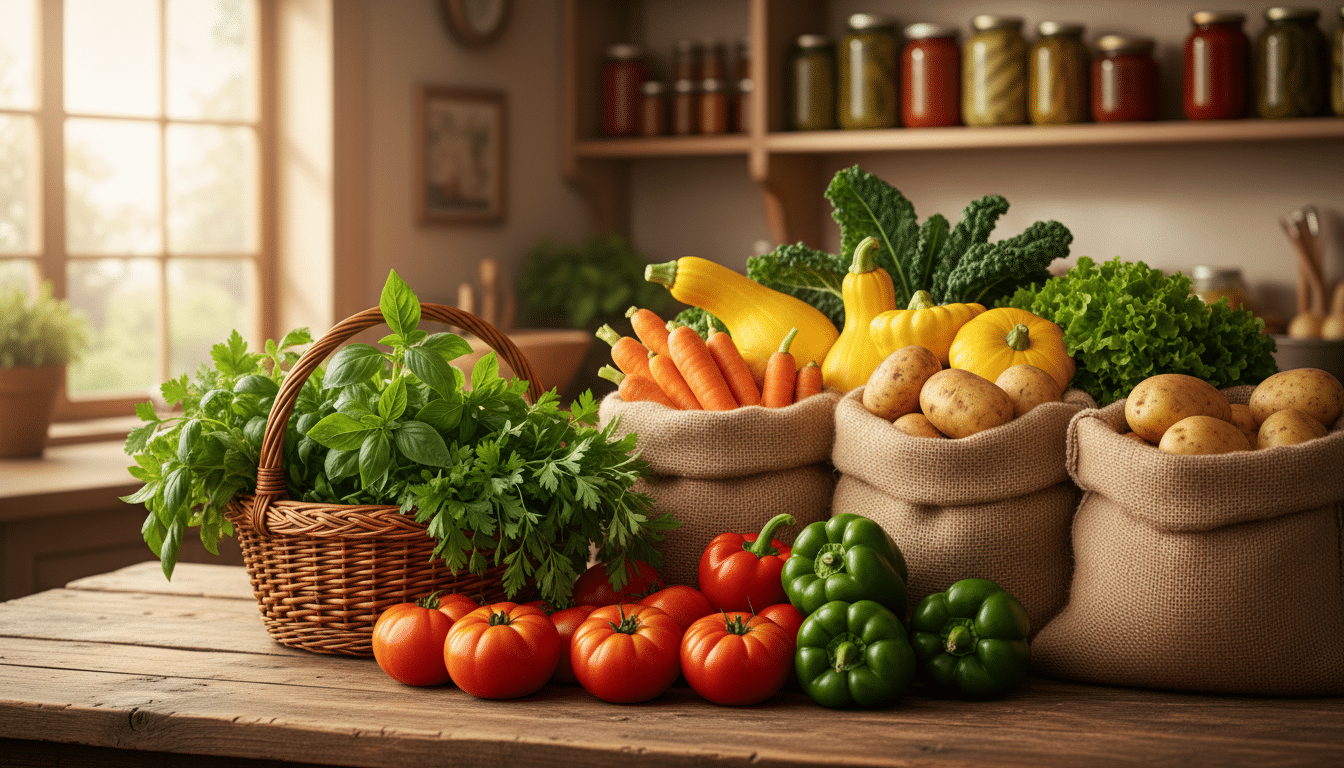
Have you ever wondered if your hard-earned bounty could really last until the first snow falls without losing its crunch? You have spent the entire season caring for every plant, and now a massive harvest sits on your counter. Learning the right way of keeping these items fresh ensures you enjoy your garden rewards for months.
Proper storage techniques help reduce food waste and save much money at the local grocery store. When you understand the methods for keeping produce correctly, you maintain that superior flavor found only in homegrown crops. It is truly nice eating a crisp carrot in the middle of a cold winter.
Your success begins the moment you pick your vegetables and continues as you find the best spots in your home. Different crops require specific storage needs for staying healthy and firm throughout the year. This guide will show you effective use of your storage spaces without needing an old-fashioned root cellar.
Key Takeaways
- Identify specific humidity and temperature needs for every crop.
- Start the preservation process during the picking stage for best results.
- Utilize cool, dark areas in your house mimicking a root cellar.
- Properly curing certain items significantly extends their shelf life.
- Maintain peak flavor and nutrition by avoiding common preservation mistakes.
Why Proper Post-Harvest Storage Extends Your Harvest Season
Mastering the art of post-harvest care allows you to stretch your garden’s productivity into the coldest months of the year. By using proper storage techniques, you extend your harvest from a fleeting summer event into a year-round supply. This allows you to enjoy homegrown vegetables that taste significantly better than grocery store options.
Your success directly impacts your grocery budget. Fresh produce prices often skyrocket when the weather turns, and the quality usually diminishes. Investing time into learning these methods pays off when you are eating crisp carrots in January.
Properly stored vegetables can last from weeks to several months depending on the variety and storage conditions.
Temperature control is critical for maintaining freshness. For every 10°F increase above the ideal storage temperature, shelf life can decrease by up to 25 percent. Keeping your area cool is the absolute key to a long season.
Understanding different varieties helps you plan your meals strategically. Some crops like beets can last for five months, while others like sweet corn keep for only five days. Success starts in the spring by picking the right variety for long-term keeping.
- Choose a “long keeper” seed type during your spring garden planning.
- Check your inventory every few weeks to remove any items showing signs of decay.
- Master different storage methods to effectively double or triple your harvest length.
| Crop Category | Storage Duration | Ideal Conditions |
|---|---|---|
| Root crops | 4–5 Months | Cold and Moist |
| Winter Squash | 3–6 Months | Cool and Dry |
| Leafy Greens | 1–2 Weeks | Cold and Moist |
Your efforts in the garden don’t have to end when the frost arrives. By focusing on preservation, you can enjoy a bounty of food throughout the winter. This simple shift in perspective turns a hobby into a sustainable lifestyle.
Understanding the Three Main Storage Conditions
To keep your garden bounty edible for months, you must learn about three specific climate categories. Each vegetable has its own preference for air moisture and warmth. Providing the right conditions ensures your food stays crisp and flavorful while preventing premature rot or sprouting.
“The harvest is not the end; it is only the beginning of a different kind of gardening.”
Cold and Moist (32-40°F, 90-95% Humidity)
Many root vegetables love a chilly, damp environment to prevent them from shriveling. Aim for a high humidity of 90% to 95% to keep these items hydrated and firm. This setup mimics the natural earth where carrots, beets, and parsnips usually grow throughout the winter months.
You can achieve these levels by placing vegetables in perforated plastic bags or containers of damp sand. Without enough moisture, your root crops will lose their snap and become rubbery within weeks. Always check these bins regularly to ensure the packing material remains slightly damp but never soaking wet.
Cold and Dry (32-40°F, 60-70% Humidity)
Some crops prefer cold air but need a much lower moisture level to stay sound. Keeping the air between 60% and 70% moisture prevents the growth of mold and fungus on sensitive skins. This environment works well for specific types of apples or cold-hardy onions that require a deep winter chill.
Good air circulation is vital in this category to sweep away any excess moisture. You should avoid stacking these items too deeply to prevent trapped pockets of damp air. A well-ventilated garage or a specific corner of a cold basement often provides the perfect balance for these vegetables.
Cool and Dry (50-60°F, Under 60% Humidity)
Garlic, onions, and shallots thrive in cool dry environments between 50°F and 60°F. You must properly cure these crops for two to four weeks at room temperature before moving them. This curing process allows them to develop tough outer skins that protect the flesh from decay.
You can achieve these slightly warmer temperatures more easily in most homes than the freezing settings needed for root crops. Low moisture levels prevent mold growth on the papery skins of alliums while moderate warmth keeps them dormant. This makes the category perfect for beginners who are just starting their storage journey.
Winter squash, pumpkins, and sweet potatoes also fall into this category. They prefer room-temperature environments that you can easily provide in various spots throughout your house. Check your closets, mudrooms, or even under the bed for the most consistent climate.
| Category | Temperature Range | Moisture Level | Best For |
|---|---|---|---|
| Cold and Moist | 32–40°F | 90–95% | Carrots, Beets, Parsnips |
| Cold and Dry | 32–40°F | 60–70% | Onions, Cabbage |
| Cool and Dry | 50–60°F | <60% | Garlic, Squash, Pumpkins |
Step 1: Harvest Your Vegetables the Right Way
Long-term preservation starts in the garden, not the cellar, making your picking technique essential. You want to ensure every vegetable enters your pantry in peak condition. Taking extra care now prevents heartache and wasted food later in the season.
Timing Your Harvest for Maximum Storage Life
Pick your vegetables when they reach full maturity but before they become overripe. Overripe veggies tend to break down quickly and lose their flavor during storage. You should also aim to harvest during the cool morning hours while the plants are still hydrated.
Avoid harvesting right after a heavy rain. Wet vegetables are more prone to mold and fungal issues. Wait for a dry day to ensure your bounty is as clean and dry as possible from the start.
Handle Gently to Avoid Bruising and Damage
Treat your vegetables like fragile treasures rather than hardy objects. Even a small drop onto a hard surface can cause internal bruising that you cannot see immediately. These soft spots become the primary entry points for rot and bacteria.
“Handle a vegetable as you would a glass ornament, for a bruise is the first step toward decay.”
Use sharp garden shears or a clean knife to detach vegetables from the vine. Pulling or yanking can damage the plant and the fruit itself. Gentle handling ensures the protective outer skin remains intact.
Leave Stems On and Don’t Wash Before Storing
Keep at least an inch or two of stem attached to pumpkins, squash, and peppers. The stem acts as a natural seal that keeps moisture inside and keeps pathogens out. Removing the stem creates an open wound that invites spoilage.
Resist the urge to wash your harvest until you are ready to eat it. Water encourages mold growth and removes the natural “bloom” or waxy coating that protects many vegetables. Simply brush off large clumps of dry soil with your hands or a soft cloth.
Select Only Unblemished Produce for Storage
You have probably heard that “one bad apple spoils the whole bunch.” This is absolutely true for your stored vegetables because a single rotting item spreads disease to everything nearby. Inspecting every vegetable carefully before you tuck it away protects your entire winter supply.
Sort your produce into two piles: “perfect for keeping” and “use now.” If you have crops that aren’t good enough for long-term keeping, do not throw them away. Simply cook them up for dinner or freeze them for later use.
Being selective might feel wasteful at first, but it actually saves your best produce. By removing anything with cuts, insect damage, or soft spots, you ensure a successful storage season. High-quality vegetables are the only ones that will survive the months ahead.
| Condition | Storage Action | Best Method |
|---|---|---|
| Firm & Unblemished | Store Long-term | Root Cellar or Cool Room |
| Minor Scratches | Eat Immediately | Fresh Cooking |
| Bruised or Cut | Process Now | Freezing or Canning |
| Insect Damage | Process Now | Trim and Cook |
Step 2: Cure Vegetables That Need It
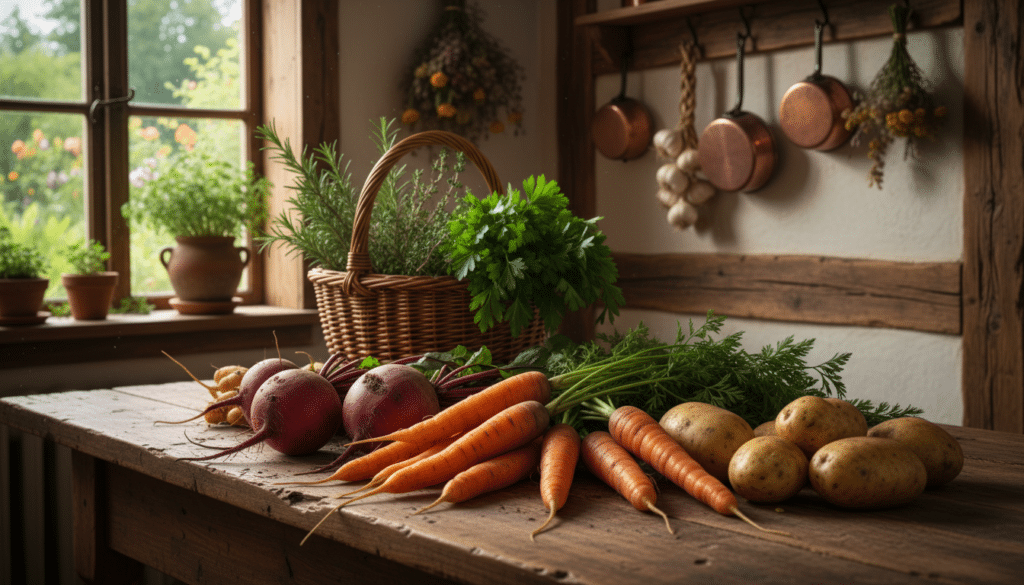
Giving your garden bounty a chance to rest and heal is the secret way to prevent rot during the cold months. Curing allows the outer skins of your vegetables to toughen and dry out properly.
This essential step prepares them for long-term storage by sealing in moisture and keeping harmful bacteria out. It essentially creates a natural protective barrier around your food.
Which Vegetables Require Curing
Not every plant in your garden needs this extra step before you put them away. You primarily focus on root crops and thick-skinned items that you want to keep through the winter.
Specifically, you should cure potatoes, winter squash, and pumpkins. Alliums like onions and garlic also demand a good drying period to prevent soft rot from setting in.
The Curing Process: Temperature and Time Requirements
Curing is not a “one size fits all” process for every single plant. Winter gourds prefer a warm, humid spot for about ten days to harden their shells.
Conversely, your bulbs like a shady, breezy location for several weeks to dry their outer layers. Make sure you provide enough air circulation so moisture does not get trapped against the skins.
Always keep your produce out of direct sunlight during this time. Too much sun can sunscald your harvest and lead to premature spoilage.
Signs Your Vegetables Are Properly Cured
You will know your winter gourds are ready for storage when you cannot make a dent in the skin with your thumbnail. The rind should feel rock-hard and sound hollow when you tap it gently.
For your onions and garlic, look for completely dry, papery outer skins that rustle when you handle them. There should be no hint of moisture or green coloring remaining at the neck of the bulb.
The stems on these cured crops should be completely dry and brittle. They should break cleanly if you try to bend them rather than folding over while still flexible.
Curing is the bridge between a fresh harvest and a long-lasting winter pantry.
Always set aside any produce that does not show these signs after the recommended time. Use these items immediately rather than risking them in your pantry where they will likely rot.
| Produce Type | Curing Temp | Time Needed | Key Success Sign |
|---|---|---|---|
| Potatoes | 45-60°F | 10-14 Days | Thickened, tough skin |
| Winter Squash | 80-85°F | 10 Days | Rock-hard rind |
| Onions/Garlic | 75-80°F | 2-4 Weeks | Dry, papery skins |
Step 3: Choose the Right Storage Containers
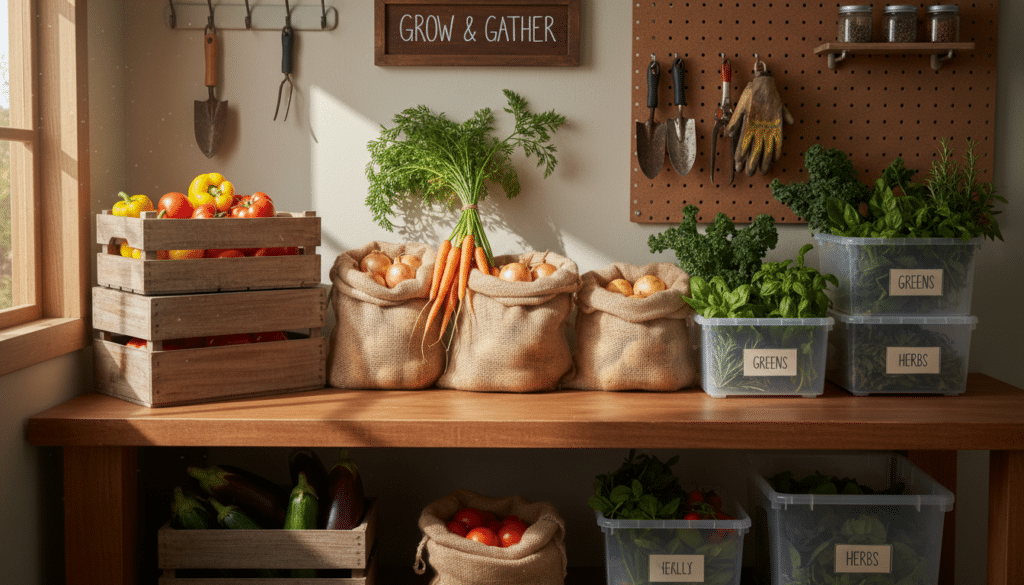
The vessel you choose for your garden bounty plays a massive role in how long it stays crisp. Your goal is to balance airflow with moisture retention to prevent both mold and shriveling. Different vegetables require specific types of housing to thrive in storage.
Breathable Options: Mesh Bags and Burlap Sacks
For items that enjoy high airflow, mesh bags for vegetable storage are an excellent choice. These bags allow air to circulate freely around each bulb, which prevents the buildup of moisture. You can easily hang them from hooks in a cool pantry or garage.
Burlap sacks offer a similar benefit but provide more protection from light. They work well for produce that needs to stay dry and dark. Always check that your bags are clean before filling them with your harvest.
Cardboard Boxes, Wooden Crates, and Baskets
Wooden crates and baskets are classic choices for a reason. They provide a sturdy structure while still allowing some air to pass through the slats. These are perfect for larger items like winter squash or pumpkins.
Cardboard boxes are a budget-friendly alternative that you likely already have. You can easily tuck them into a corner of your basement. Just be sure to leave the tops open or poke holes in the sides for ventilation.
Using Sand, Peat Moss, or Sawdust for Root Crops
For many root crops, you should store them in containers without holes. Use damp (not wet) sand, peat moss, wood shavings, or straw. This method mimics the natural environment where roots stay hydrated underground.
Layer your root produce in single layers so they do not touch. Place thick layers of your packing material between every level. Keep a spray bottle nearby to keep the material consistently damp.
- Root vegetables stored in damp sand or sawdust stay crisp for months because these materials maintain high humidity.
- You should use containers like plastic totes or old coolers since you need to keep the packing material moist.
- Start with several inches of material, arrange your harvest so they don’t touch, and cover them completely before the next layer.
- Check moisture levels monthly and mist with a spray bottle; it should feel like a wrung-out sponge.
Step 4: How to Store Garden Vegetables After Harvest by Type
Knowing the unique requirements for every crop ensures your hard work doesn’t go to waste in the pantry. Different vegetables thrive in various environments, so tailoring your approach is key to keeping them fresh. There are several things you must consider, such as temperature and airflow, to ensure your storage efforts are successful.
Every plant has a “happy place” where it remains crisp and nutritious for as long as possible. By grouping your harvest based on these needs, you can maximize your long-term storage results and enjoy home-grown food well into the spring.
Storing Root Vegetables in Damp Sand or Sawdust
Root crops love moisture but hate sitting in puddles. Placing them in a medium like damp sand helps maintain the high humidity they need to stay firm. This method mimics the cool, damp earth where they grew.
Carrots, Beets, Turnips, and Rutabagas
For these hardy roots, start by removing the green tops to prevent moisture loss. Layer them in a sturdy container filled with damp sand, ensuring no two roots touch each other. This setup prevents the spread of rot and keeps them crunchy for months.
Parsnips and Celeriac
Parsnips often taste sweeter after they experience a light freeze in the ground. Once you dig them up, treat them just like carrots by packing them in cool, moist sand. Celeriac also benefits from this treatment, as it prevents the tough skin from drying out completely.
Storing Potatoes in Dark, Cool Spaces
Potatoes are simple to keep if you remember one rule: stay away from the light. Exposure to sun or indoor lights causes them to turn green and produce bitter toxins. Keep them in a dark, well-ventilated spot like a basement or a dedicated locker.
Always keep your potatoes away from onions. When stored together, they release gases that make each other sprout or rot much faster. Check your spuds regularly and remove any that feel soft or show signs of decay.
Storing Onions, Garlic, and Shallots
Unlike root crops, these pungent bulbs prefer a dry environment with plenty of air movement. Once they are cured, you can hang them in mesh bags or braid them together. A cool, dry closet or a ventilated garage is an ideal spot for these kitchen staples.
Storing Winter Squash, Pumpkins, and Sweet Potatoes
These heavy hitters are different because they actually prefer slightly warmer winter temperatures. You should store them in a place that stays around 50 to 60 degrees Fahrenheit. If they get too cold, their texture becomes watery and they lose their natural sweetness.
Storing Cabbage, Brussels Sprouts, and Apples
These crops are incredibly hardy and often survive a light frost in the garden. In fact, many gardeners leave brussels sprouts on the stalk until they are ready to eat. They can stay fresh in the garden until a hard freeze arrives.
| Vegetable/Fruit | Best Environment | Shelf Life |
|---|---|---|
| Cabbage | Cold and Moist | Up to 5 Months |
| Apples | Cold and Dry | 2-4 Months |
| Brussels Sprouts | Cold and Moist | 1 Month |
Cabbage is a champion of longevity, often lasting five months under the right conditions. You should wrap each head in newspaper and place them in a cold area. Over time, the outer leaves will dry out and turn papery, but you can simply peel these leaves away to find a fresh, crisp head inside.
When it comes to apples, remember that they are social but toxic neighbors. They release ethylene gas, which causes other nearby produce to ripen and rot prematurely. To prevent this, wrap each individual fruit in newspaper to contain the gas and protect them from bruising.
Keep your apples in a separate area from your leafy greens and carrots. This simple step prevents your entire harvest from spoiling at once. Regular inspections will help you find any “bad apples” before they affect the rest of your stash.
Step 5: Find the Best Storage Locations Without a Root Cellar
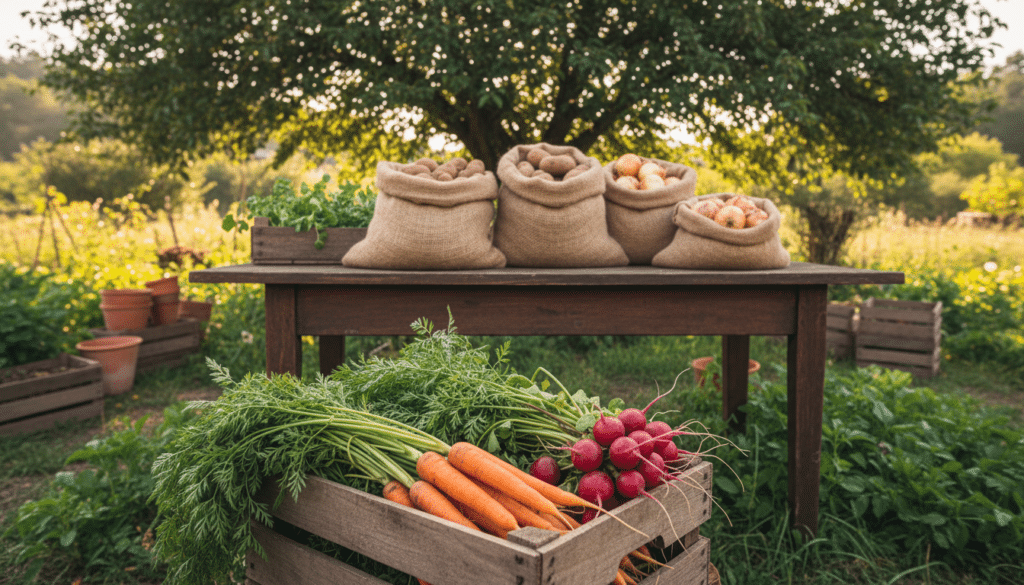
Even without a traditional root cellar, you can successfully preserve your hard-earned crops by utilizing cool corners of your property. Most modern homes offer several hidden gems that mimic the ideal conditions your vegetables need to stay crisp. You just need to look for areas with the right balance of temperature and storage humidity in your home or garden.
Unheated Garage, Shed, or Breezeway
An unheated garage or shed acts as a fantastic buffer against the elements during the late fall. These spaces usually stay a few degrees warmer than the outdoors, which prevents immediate freezing. You should monitor the temperature closely and use old blankets to insulate your crates if a cold snap hits.
Basement, Crawl Space, or Attic
Basements are often too warm for long-term use, but a crawl space can provide the damp, cold air that many vegetables crave. Conversely, an attic is usually very dry, making it a better spot for items that dislike moisture. You can place your harvest in the coolest corner of the basement away from the furnace or water heater.
| Location | Typical Temp | Best Environment For |
|---|---|---|
| Unheated Garage | 35°F – 45°F | Potatoes and Cabbage |
| Crawl Space | 33°F – 40°F | Root Vegetables |
| Attic / Loft | 50°F – 60°F | Onions and Garlic |
Cool Closets, Mudrooms, and Exterior Walls
If you live in a small space, look for a closet located against an exterior wall. These “micro-climates” stay significantly cooler than the rest of your living area throughout the day. A mudroom or an enclosed porch can also serve as a temporary holding zone before the deep freeze of late December arrives.
“The earth provides us with a bounty, and our task is simply to respect the natural rhythm of the seasons to keep it fresh.”
Leaving Vegetables in the Garden with Straw Mulch
As the first frost arrives, there is no need to rush your harvest of cold-hardy items like leeks or kale. You can place a straw bale directly over rows of carrots and parsnips to insulate the soil underneath. This clever trick keeps the ground from freezing for several months, allowing you to harvest fresh food well into the winter.
You should remember that beet roots often grow with their “shoulders” sticking above the soil surface. These exposed parts will freeze much faster than the rest of the vegetable if you do not cover them well. While this method provides the freshest flavor, you must harvest what you need before the ground finally freezes solid in midwinter.
- Straw bales provide the best insulation for long rows of root crops.
- Leeks and kale actually improve in flavor after a light freeze.
- Remove the mulch only when you are ready to dig up your dinner.
Conclusion
Transforming your backyard harvest into a comprehensive winter pantry provides an exceptional reward for any gardener. Effectively learning how to store garden vegetables after the first frost transforms a basic hobby into a year-round source of superior produce. Successful maintenance comes from precisely matching various crops to their optimal storage conditions within your home. Even without a traditional root cellar, you can maintain root health for months using damp sand in bags.
Curing potatoes, onions, and garlic properly ensures successful long-term storage for your entire household. You can keep roots in bags for many weeks by carefully removing fallen leaves or damaged tops. It is vital to choose storage varieties of fruits that store well and monitor humidity to keep your winter crops healthy. You can easily store squash in a cellar or cool basement too.
Start with tomatoes or brussels sprouts to build your storage skills. Whether using a cold dry spot or a cool dry closet, the right way of handling extends your garden season. Check each squash, vegetable variety, and tomatoes regularly during the year. Keep your fruits and tomatoes away from apples to enjoy fresh food during the last days of winter. This root variety plan ensures root crops and fruits last until spring. Use storage methods for all storage varieties and remove straw, extra leaves, and extra tops now.
| Storage Category | Vegetable Examples | Ideal Environment |
|---|---|---|
| Cold and Moist | harvest carrots, Beets | 32-40°F, 95% Humidity |
| Cold and Dry | Onions, Garlic | 32-40°F, 65% Humidity |
| Cool and Dry | Winter Squash, Potatoes | 50-60°F, 60% Humidity |
