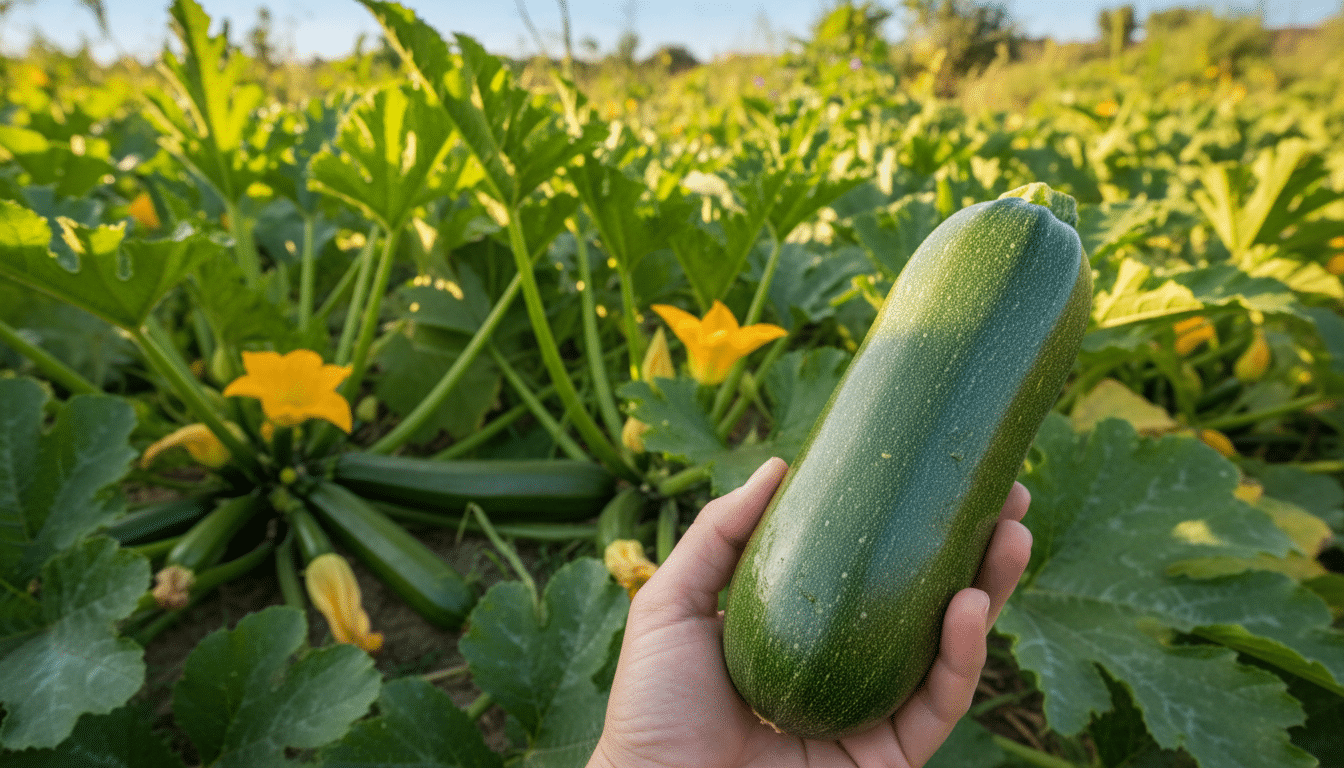
Have you ever wondered if that massive, arm-sized vegetable hiding under a leaf in your backyard is actually a prize or a culinary mistake? Many gardeners mistakenly wait for size, but peak quality is often found in the smaller fruits.
While it might look impressive, the best time for a flavorful harvest often happens much sooner than most beginners expect.
Growing a successful summer garden requires more than just water and sunlight.
It takes a keen eye for spotting the perfect moment before these fast-growing squash become tough and bland.
This guide provides essential tips ensuring your produce remains tender and delicious for every meal you prepare.
You will gain confidence for checking your plants and gathering the bounty at the ideal stage for optimal taste.
Key Takeaways
- Monitor vines daily for rapid fruit development.
- Smaller sizes offer superior flavor and texture.
- Look for glossy skin as a sign of ripeness.
- Use clean blades for removing the produce.
- Freeze excess bounty for future meals.
Understanding Your Zucchini Plants
Before you start picking, you need to understand how these bushy zucchini plants develop throughout the warm summer months. Your garden will soon be filled with large, dark green leaves featuring unique silvery grey streaks. These non-vining plants are perfect for small spaces because they stay compact and manageable.
The Growing Timeline: From Seed to Harvest
You will notice that this summer squash is one of the fastest growers in your vegetable patch. Within 45 to 60 days after planting, colorful yellow flowers will begin to appear on each plant. These vibrant blossoms signal that your fresh garden crop is nearly ready for the kitchen.
Understanding this growth timeline helps you plan your garden space effectively. It also prevents you from overplanting, as even a few plants generate a massive amount of food. You’ll see the first tiny fruits develop quickly once the female flowers are pollinated.
Expected Yield Per Plant
A single healthy plant can produce up to nine pounds of fruit over a single summer. This translates to about 30 to 40 zucchini per season, which provides plenty of food for family and neighbors.
| Variety Name | Growth Habit | Typical Yield |
|---|---|---|
| Black Beauty | Traditional Bush | Very High |
| Baby Round | Compact/Round | High |
| Piccolo | Small/Striped | Moderate to High |
Why Zucchini Are Prolific Producers
The impressive production capacity of zucchini plants comes from their continuous flowering cycle. Choosing a high-yielding variety ensures you have a steady supply of vegetables from July through the first frost. Regular harvesting actually encourages the vine to keep growing new fruits.
“Zucchini is the gift that keeps on giving; the more you harvest, the more the plant strives to produce.”
By keeping up with your zucchini growth, you ensure the best flavor and texture. This habit keeps your kitchen stocked and prevents the vegetables from becoming oversized and woody.
When to Pick Zucchini
Knowing exactly when to harvest your summer squash can make the difference between a tender treat and a tough disappointment. Mastering the time of your harvest ensures you enjoy the most flavorful produce from your garden.
The 45-60 Day Rule After Planting
Most gardeners see their first fruit appear about 45 to 60 days after sowing seeds. This magic moment happens shortly after the large, vibrant yellow blooms decorate your garden beds.
You can expect to see rapid development once those colorful flowers start to fade. Keep a close watch on the base of the flower where the vegetable forms.
Why You Need to Check Daily
You must check plants every single day because a zucchini can literally double in size overnight. This rapid expansion means a perfect vegetable can become an overgrown “baseball bat” in less than 24 hours.
Regular monitoring helps you catch the vegetables at their peak texture. Small, frequent harvests also signal the plant to keep producing more throughout the season.
How Fast Zucchini Grows
Within a few days after the plant blooms, the small fruits grow at an incredible pace. It is often helpful to check plants at the same time each morning to stay ahead of this explosive growth.
- Morning checks ensure you find vegetables before the midday heat.
- Consistent monitoring prevents the skin from becoming tough and woody.
- Frequent picking keeps the plant’s energy focused on new growth.
Planning for Vacations and Time Away
If you leave for a weekend, it is best to harvest zucchini on the smaller side before you depart. This prevents the vegetables from becoming too large while you are gone.
For longer trips, ask a friend to assist with harvesting zucchini so you do not return to seedy giants. Sharing your zucchini with neighbors is a great way to ensure nothing goes to waste while you are away.
The Perfect Size for Harvesting Zucchini
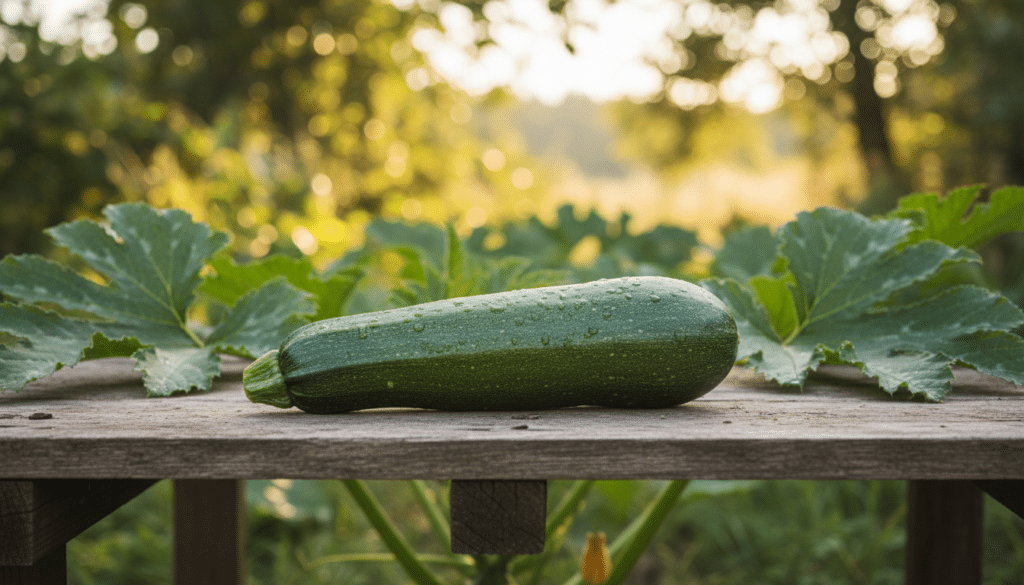
Finding the sweet spot for your harvest transforms your cooking experience entirely. While these plants produce rapidly, the actual size of the fruit dictates how you will use it in your kitchen. Monitoring your garden daily ensures you catch the produce at its peak moment.
Ideal Length: 6 to 8 Inches
You’ll achieve the best flavor and texture when harvesting zucchini between 6 to 8 inches long. Most gardeners consider this specific range the sweet spot for tender, mild-tasting vegetables. At this size, the fruit remains succulent and incredibly easy to slice for any summer recipe.
Why Bigger Isn’t Better
Bigger definitely isn’t better when it comes to summer squash. As the fruits grow larger, their seeds develop and become prominent, while the skin turns increasingly tough and fibrous.
“The best-tasting zucchini are the ones you pick before they look like baseball bats.”
If a zucchini grows over 12 inches, it often becomes stringy and loses its delicate appeal. You are much better off composting these giants to keep your plant productive and healthy.
Personal Preference: Small vs Medium Zucchini
You can experiment with your harvest by picking zucchini that are only 4 to 5 inches. These smaller fruits offer superior tenderness and a delicate, nutty taste that gourmet chefs adore. Many home cooks still prefer the 6 to 8 inches long variety because they offer a perfect balance of substance and culinary quality.
Visual Signs of Ripeness
Beyond the ruler, your eyes are the best tools for determining if your crop is ready for the kitchen. You want to ensure every vegetable you pick offers the best flavor and texture for your meals.
Color Indicators: Dark Green and Glossy
Most standard varieties should display a deep, dark green shade that looks vibrant in the sunlight. A healthy fruit will have a glossy, almost shiny finish, indicating it is full of moisture and at its peak.
If the color starts to look dull or matte, it might be getting too old. The dark green appearance should be consistent across the entire surface without any pale patches or yellowing.
Skin Texture and Firmness
The skin must feel firm and smooth when you touch it. Avoid any pieces that have soft spots, deep wrinkles, or visible blemishes on the outer part.
A fresh zucchini should feel heavy for its size and resist gentle pressure from your thumb. Smooth skin is a hallmark of a young and tender harvest.
When to Discard Overripe Fruit
If you press the skin and it feels mushy or yields easily, the fruit is likely rotting and should be discarded. These overripe specimens often turn a pale yellow color and lose their signature snap.
Discard any produce that feels spongy, as the flavor will be bitter and unpleasant. It is always better to harvest early than to let them rot on the vine.
Checking for Seeds and Pith Development
As a zucchini stays on the vine too long, the internal seed count grows and the seeds become much larger. This causes the flesh to become pithy and dry inside.
You want a crisp, moist texture rather than a spongy center. Keeping a close watch ensures you harvest before the center becomes tough and fibrous.
How to Harvest Zucchini Properly
Mastering the art of harvesting zucchini ensures your garden stays productive and your vegetables remain delicious. Taking care during this process protects the health of your garden plants for the rest of the season. When you learn when to harvest vegetables correctly, you guarantee the best possible flavor for your table.
Best Time of Day: Early to Mid-Morning
The best time to harvest is during the early to mid-morning hours. This is when the zucchini is full of moisture and the cool air keeps the fruit crisp. Picking them before the heat of the day sets in helps the produce stay fresh much longer.
Tools You’ll Need
You do not need many items, but having the right ones makes the task much easier. Proper equipment prevents accidental damage to the delicate vines.
Sharp Knife or Pruning Shears
Use a sharp knife or heavy-duty scissors to make clean, quick cuts. Dull tools can crush the stem and invite pests or disease to your plant. Always ensure your tools are clean before you start working in the garden.
Basket for Collecting Fruit
Keep a sturdy basket or container nearby to hold your bounty as you go. This prevents you from dropping the vegetables or piling them too high. A hard-sided basket protects the tender skin from punctures.
Step-by-Step Harvesting Technique
Follow a careful harvesting routine to keep your garden in top shape. Consistency is key to a long growing season.
Locate the Fruit Under Large Leaves
Zucchini leaves are often massive and can easily hide your growing crop. Gently lift the prickly leaves to find any hidden gems tucked near the center. Make sure to check thoroughly so you do not miss any that are ready to pick.
Cut the Stem 1-2 Inches from the Fruit
When you find a perfect specimen, use your knife to cut the stem about an inch or two from the vegetable. Leaving a small stub attached helps the vegetable retain its moisture. This simple step acts as a seal for the internal flesh.
Never Twist or Pull the Fruit
Do not try to pull the vegetable away from the vine with your bare hands. Twisting can rip the leaves or snap the main vine of your plants. Using scissors for a clean cut is much safer for the long-term health of the crop.
Handling Immediately After Harvest
Place your items in the basket gently to avoid any bruising or scratches. Try to get your produce into the refrigerator as soon as you finish your work. Rapid cooling preserves the sugars and keeps the texture firm and satisfying.
| Action/Tool | Best Practice | Primary Benefit |
|---|---|---|
| Timing | Early morning | Maximum hydration and crispness |
| Cutting Tool | Sharp blades | Prevents disease and vine damage |
| Stem Length | Leave 1-2 inches | Extends storage life |
| Storage | Immediate cooling | Maintains garden-fresh flavor |
Understanding Male and Female Flowers
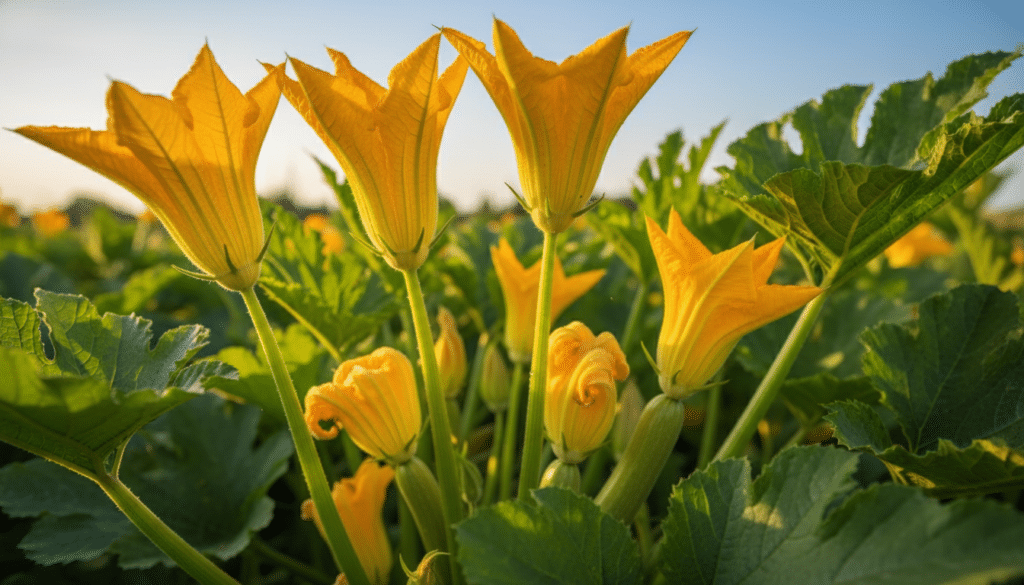
You might be surprised to learn that your zucchini plants actually grow two different types of blossoms to ensure a healthy harvest. These species are monoecious, which simply means a single plant produces both male and female flowers on the same vine. This unique trait is helpful for home gardeners because you do not need a second variety nearby to achieve a successful crop.
How to Identify Male Flowers
You can easily spot a male flower by looking closely at the stem. These flowers grow on long, thin, and straight stalks that lack any swelling at the base. Because their main job is to attract pollinators, these blooms usually appear first to signal bees to visit your garden.
Recognizing Female Flowers with Fruit
Female flowers are recognizable by the small, miniature fruits located right at the base of the petals. Even before the blossom fully opens, you will see a tiny swelling that looks like a miniature squash. This ovary is what will eventually grow into the firm, delicious zucchinis you plan to harvest for your kitchen.
Why Only Female Flowers Produce Zucchini
It is important to remember that only the female flowers will develop into harvestable zucchinis. The male blossoms serve the essential purpose of providing pollen for the bees to transfer. Without this vital exchange of pollen, the small fruits on the female blooms will not develop properly and may shrivel away.
The 10-Day Wait for Female Flowers
You should expect to wait about ten days after the first male blooms appear before you see female blossoms developing. Do not worry if you initially see only blooms without any fruit, as this is a natural part of the growth cycle. However, this time may be slightly longer if the weather remains cold, damp, or particularly windy in your area.
- Natural Delay: Male blossoms always arrive first to prepare the area for pollinators.
- Weather Impact: Cold or wet conditions can slow down the appearance of female blooms.
- Pollination Success: Once both types are present, your garden will start producing rapidly.
Storing Fresh Zucchini
After picking your bounty, you need to store it properly to maintain that homegrown taste. To help your family enjoy every bite, follow this expert advice on handling your fresh garden yield.
Immediate Refrigeration Guidelines
You should transfer your freshly harvested zucchini to the fridge as quickly as possible. Aim to get them chilled within an hour or two to preserve that crisp texture and fresh summer flavor.
Don’t Wash Until Ready to Use
Resist the urge to wash your squash before you put it away. Excess moisture on the skin can promote mold growth and cause the produce to spoil much faster.
Best Storage Location: Crisper Drawer
The crisper drawer is the best spot for your harvest. This area maintains lower humidity levels, which helps the vegetable stay firm instead of becoming soft or rubbery.
Using Plastic or Paper Bags
Place your produce in a plastic or paper bag before refrigerating. This simple step protects the skin from the drying effects of cold air while still allowing the plant to breathe.
How Long Freshness Lasts
When stored correctly, your zucchini will stay in excellent condition for up to one week in the fridge. High-quality fruit picked at its prime always lasts the longest when kept cold.
Signs of Being Past Its Prime
Check your stash every few days for wrinkles or soft spots. If you notice it starting to get flabby toward the end of the week, use it in a stir-fry or soup right away.
| Storage Method | Shelf Life | Texture Quality |
|---|---|---|
| Crisper Drawer | 5–7 Days | Tender and Firm |
| Countertop | 1–2 Days | Softens Quickly |
| Paper Bagged | Up to 1 Week | Crisp and Protected |
Proper storage ensures the sweet, mild flavor of your harvest isn’t lost to the back of the shelf.
Freezing Zucchini for Long-Term Storage
If you find your garden overflowing with produce, freezing is a fantastic long-term solution for your extra zucchini. This simple process allows you to keep the harvest ready for use when the weather turns cold.
By taking a few minutes now, you can enjoy the taste of summer throughout the winter. Proper preparation ensures that your hard work in the soil provides healthy meals all year round.
Why Blanching Is Essential
You must blanch your zucchini before freezing to maintain its quality and texture. Freezing raw summer squash often results in a mushy, watery product that loses its appeal when thawed.
The blanching process stops the enzymes that cause food to spoil and lose flavor. This quick heat treatment keeps the vegetable firm and vibrant for your favorite recipes.
Step-by-Step Freezing Process
Follow these simple steps to ensure your zucchinis stay firm and delicious after their time in the freezer. Preparation is the key to successfully preserving your garden bounty.
Chop Into Half-Inch Slices
Start by cutting the squash into uniform, round pieces. Aim for a thickness of about 0.5 inches to ensure every slice cooks evenly during the brief blanching stage.
Boil for 1-2 Minutes
Place the slices carefully into a large pot of boiling water. Only keep them in the heat for a minute or two to stop enzymes without fully cooking the fruits.
Plunge Into Ice Bath
Use a slotted spoon to move the hot slices into a bowl of ice-cold water. This step stops the residual heat immediately and preserves the bright green color of the skin.
Dry and Freeze on Baking Sheets
Pat the slices dry with a clean kitchen towel to remove excess moisture. Lay them flat on a parchment-lined sheet to freeze individually so they do not clump together in the bag.
Transfer to Freezer Bags
Once the pieces are solid, move them into labeled, airtight freezer bags. This part of the process protects the vegetable from freezer burn and dehydration.
“Blanching is the secret to keeping your vegetables tasting fresh even after months of storage.”
Alternative Method: Shredding and Freezing
You can also shred unpeeled zucchini for use in winter baking projects like muffins or bread. Squeeze out the excess moisture through a colander before packing the shreds into quart-sized bags.
Freeze these bags flat to save space in your freezer. This method is perfect for adding nutrition and moisture to cakes and savory pancakes during the off-season.
Storage Duration: Up to One Year
Your frozen crop will stay tasty for up to twelve months if stored correctly at zero degrees. This ensures you enjoy the flavor of these fruits even when the garden is resting.
Label each bag with the date and the type of squash inside. Using the oldest bags first helps you manage your supply and reduces food waste throughout the year.
| Freezing Method | Best Used For | Preparation Style | Max Shelf Life |
|---|---|---|---|
| Sliced | Stir-fries and Side Dishes | Blanched Slices | 12 Months |
| Shredded | Breads, Muffins, and Cakes | Raw, Squeezed Dry | 10-12 Months |
| Cubed | Soups and Hearty Stews | Blanched Chunks | 12 Months |
Conclusion
Determining the best time to harvest zucchini ensures your summer production remains incredibly flavorful and tender.
You should follow this professional advice to pick the perfect size from every plant in your garden.
By checking each vegetable at the right time, you will enjoy the highest quality harvest possible.
Use these final tips to keep your kitchen stocked with premium produce throughout the season.
| Harvest Feature | Ideal Goal |
|---|---|
| Fruit Length | 6 to 8 Inches |
| Skin Quality | Glossy and Firm |
| Check Frequency | Daily during summer |
