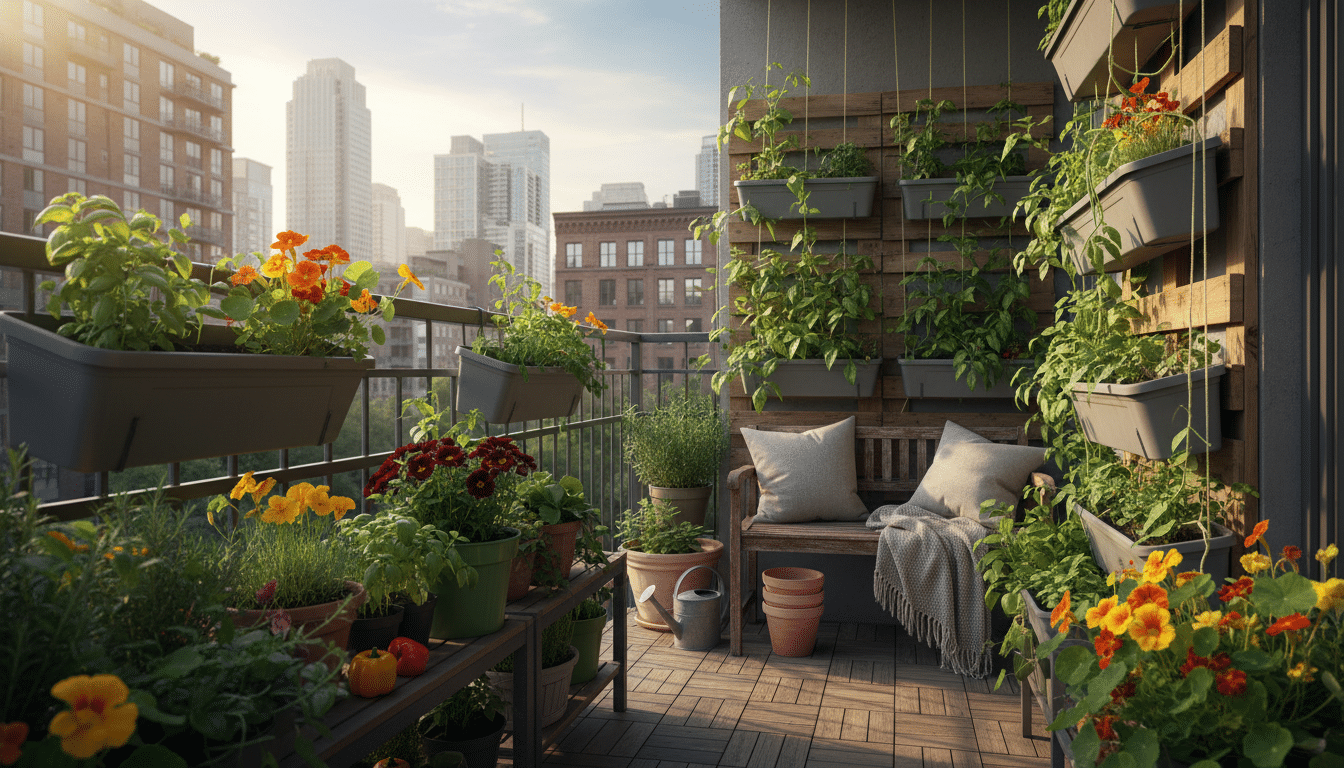
Have you ever wondered why many beginners failed at their first outdoor project despite having massive yards? Many gardeners once dug up huge plots, only for weeds taking over quickly during the busy season. Managing tiny plots is much simpler and leads toward better results for busy families.
Learning how to grow a garden in small space does not mean sacrificing variety or abundance. This guide demonstrates that compact layouts offer advantages like decreased expenses and easier maintenance. You can yield an impressive amount of food by implementing vertical methods and strategic plant selection.
Our gardening tips help you transform every patio or side yard for lush retreats. This gardening journey proves you do not need much extra room for enjoying fresh harvests. Your tiny territory can become productive and feel larger than it actually is.
Key Takeaways
- Compact plots require significantly less maintenance than large community gardens.
- Limited square footage reduces overall water and fertilizer expenses.
- Vertical growing techniques allow for massive yields within tiny footprints.
- Strategic design principles help patios feel like expansive green sanctuaries.
- Success in gardening depends on manageable sizes rather than total acreage.
- Small areas allow for better attention to individual plant health.
Why Small Space Gardening is Perfect for Beginners
Over the years, many people discovered that a tiny corner of land provided the best classroom for learning nature’s secrets. You might have seen others dive into massive projects in the past, only to feel defeated by mid-summer. Starting small allowed them to master the basics without the heavy burden of endless chores.
In previous seasons, traditional wisdom often suggested that bigger was always better for your harvest. However, many gardeners found that a compact size actually led to more joy and far less stress. Keeping things simple ensures you don’t get overwhelmed while you are still learning.
Benefits of a Manageable Plot
When you choose a modest lot, you give yourself the freedom to experiment. You can learn about soil and sunlight without feeling like your hobby is a second job. This smaller footprint acts as a perfect training ground for your new skills.
Working with a tighter space increases your success rate dramatically. It is much easier to spot a tiny pest on three plants than on thirty. You will build the confidence needed to expand your efforts in the coming years.
| Garden Type | Typical Size | Maintenance Level |
|---|---|---|
| Community Plot | 20′ x 20′ | High / Demanding |
| Beginner Plot | 10′ x 10′ | Low / Manageable |
| Container Garden | Varies | Very Low |
Avoiding Typical Early Hurdles
A common error for new gardeners involved digging up huge sections of the yard all at once. In the past, many gardens were abandoned because the weeds grew much faster than the vegetables. You can avoid this frustration by keeping your initial ambitions realistic.
The most important thing to remember is that a well-kept 10’x10′ area beats a messy 20’x20′ patch every time. Starting small keeps your passion alive for many seasons to come. You will find that a tiny, thriving space brings much more satisfaction than a large, neglected one.
“The glory of gardening: hands in the dirt, head in the sun, heart with nature. To nurture a garden is to feed not just on the body, but the soul.”
- You’ll learn the fundamentals without becoming overwhelmed by daily maintenance demands.
- Your journey stays enjoyable rather than becoming a burdensome chore.
- You can always expand your footprint once you have mastered the basics of soil and water.
Assess Every Inch of Your Available Space
Starting a successful garden begins with a thorough inventory of every nook and cranny surrounding your home. You need to survey every single space around your house with fresh eyes. Looking beyond traditional spots helps you discover hidden opportunities for planting success.
A creative gardener once managed a small city lot that was only 40 feet wide and 100 feet long. They utilized every possible inch, even locations that others thought were completely inhospitable. For example, they transformed a rocky hill that served as a retaining wall near the front of the house.
Although the rocky slope wasn’t ideal, it was the only area receiving more than six hours of daily sunlight. The gardener filled it with small shrubs and flowers that provided year-round interest. This proves that with a bit of creativity, you can turn any challenging spot into a lush, productive environment.
Evaluating Sunlight and Growing Conditions
You should spend time observing how sunlight moves across different zones throughout the day. Take note of which spots receive full sun, which means at least six hours of direct light. Other parts of your garden might sit in partial or full shade.
It is vital to identify microclimates where heat reflects off walls or wind creates harsh conditions. Check your soil quality and test how well the ground drains after a heavy rain. These small details determine which plants will thrive and which will struggle in your specific area.
Identifying Unconventional Planting Areas
Your property likely holds secret spots that you might initially overlook. Narrow side yards, front entries, and even vertical fences offer great potential for a garden. You can transform even the most difficult terrain with the right soil amendments and plant choices.
“The most successful small-space gardeners are those who see potential where others see obstacles.”
Think about your vertical surfaces as much as your horizontal ones. Walls and sturdy fences can support climbing vines or hanging baskets. By looking up, you effectively double or triple your growing capacity without needing more ground space.
Measuring Your Garden Footprint
You must measure the actual square footage available for your project. Whether you have a 40-foot lot, a tiny balcony, or a small patio, knowing the numbers helps you plan. Creating a complete inventory of potential growing zones allows you to place plants strategically.
| Light Level | Hours of Sun | Plant Examples |
|---|---|---|
| Full Sun | 6+ Hours | Tomatoes, Peppers |
| Partial Shade | 3-6 Hours | Lettuce, Spinach |
| Full Shade | Less than 3 Hours | Ferns, Hostas |
Don’t be afraid to use every space creatively to build your dream garden. Even a narrow strip along a driveway can yield a surprising amount of food or flowers. Once you know your footprint, you can select the best crops for your unique environment.
How to Grow a Garden in Small Space: Strategic Plant Selection
To get the best results from a small area, you must think carefully about which items deserve a spot in your soil. When you have limited room, every square inch must work hard for you. The smartest way to start is by looking closely at your weekly kitchen routine.
Think about the food you buy every single week at the grocery store. You will find much more joy in your harvest when it directly replaces items on your shopping list. This strategy ensures that nothing you produce goes to waste.
Choose Vegetables You Actually Eat
Review your recent grocery receipts to identify the items your family loves most. A vegetable garden should provide the specific ingredients you use for your favorite nightly meals. Growing what you already consume brings immense satisfaction and real savings to your household budget.
Focus on the top five items you use most often in your cooking. One gardener might want grow hundreds of onions because they use them in every dish. Another person might find that a waste of space and prefer to buy them cheaply at the market instead.
High-Yield Crops for Maximum Production
You should prioritize plants that offer a high return for the physical space they occupy. Leafy greens, herbs, and peppers are excellent choices for tight spots. These crops often produce throughout the entire season rather than offering just one single harvest.
Tomatoes and cucumbers also offer great value if you select the right varieties. Your garden will thrive when you choose high-yield options tailored for containers or small beds. This is the most efficient way to fill your plates with fresh, home-grown nutrients.
Understanding Plant Characteristics and Space Requirements
Every vegetable has a different physical footprint and growth habit. For example, a single traditional zucchini plant takes up a huge area for a relatively modest harvest. In contrast, loose-leaf lettuce provides a constant supply of food from a very compact area.
“The glory of gardening: hands in the dirt, head in the sun, heart with nature.”
Understand if your plants are determinate or indeterminate before you buy them. You might want grow bush beans instead of pole beans to avoid building tall supports. Matching your choices to your garden size is the ultimate key to a productive season.
| Crop Type | Space Needed | Yield Level | Recommended Variety |
|---|---|---|---|
| Tomato | Medium | High | Determinate/Patio |
| Lettuce | Low | Very High | Cut-and-Come-Again |
| Zucchini | High | Medium | Bush Varieties |
| Peppers | Low | High | Bell or Jalapeño |
Maximize Vertical Space with Trellises and Climbing Plants
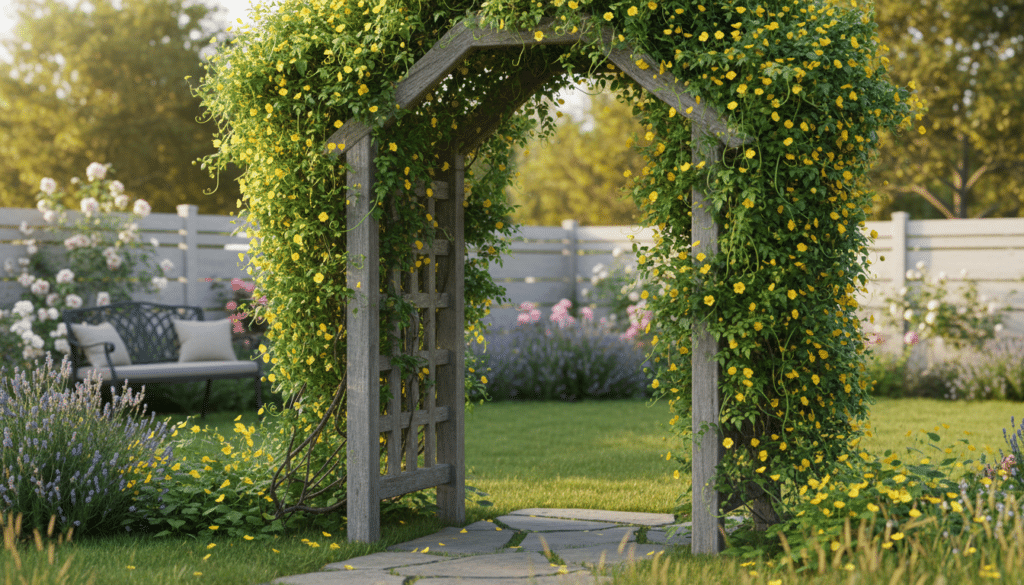
Many successful growers found that utilizing vertical structures transformed their limited plots into lush, productive landscapes. In the past, you might have struggled with crowded garden beds that limited your variety. Utilizing trellises is a great way to add architectural interest while doubling your available surface area.
By looking upward, you can transform flat areas into three-dimensional growing zones. This strategy worked effectively for generations of gardeners who wanted to keep their gardening efforts organized and manageable. These vertical elements provide support while creating a beautiful backdrop for your outdoor living area.
Best Vegetables for Vertical Growing
You’ll multiply your growing food production dramatically by training vining crops to climb rather than sprawl. In past seasons, varieties like “Diva” or “Lemon” cucumbers and “Sugar Ann” peas proved to be champions of small spaces. These selections naturally reach for the sun, leaving the ground clear for smaller leafy greens.
You should also consider indeterminate tomatoes like “Sun Gold” or unique “Purple” tomatillos for your vertical setup. Even winter squash, such as the “Delicata” or “Honey Nut” varieties, can thrive on sturdy supports. Growing each vegetable vertically provides better air circulation and sunlight, which naturally reduces common disease problems.
DIY Trellis Options and Installation
Creating your own support systems was a traditional skill that remains incredibly useful for modern gardening enthusiasts. You can easily build a simple teepee by pulling together three bamboo sticks and wrapping them with twine. This inexpensive project provides a sturdy frame for heavy vines and adds instant height to your beds.
Other popular designs included livestock panel arches and expandable wooden trellises that fit into narrow spaces. You should install these structures before or immediately after planting to avoid disturbing delicate root systems. These frames ensure that every vegetable you plant has a clear path to climb from day one.
Combining Flowers and Vegetables on Vertical Structures
Your vertical efforts become even more productive when you mix edible plants with ornamental vines. Historically, gardeners used flowers like the Black-eyed Susan vine or Climbing Nasturtium to attract beneficial insects. These pollinators are essential for growing food, as they ensure your crops develop fully and stay healthy.
Mixing in a “Mandevilla Vine” or “Purple Hyacinth Bean” adds a splash of color that contrasts beautifully with green foliage. These flowers create a lush environment that feels abundant even when your ground space is limited. By choosing the right climbing plants, you can create a diverse ecosystem that is both functional and visually stunning.
Master Container Gardening Techniques
You discovered that placing pots directly into your garden beds helped manage the chaos of a crowded area. This clever way to use space turned your small backyard into a highly organized retreat. Using pots provided a structural element that transformed a messy patch of dirt into a beautiful landscape.
Benefits of Growing in Pots
Your container garden offered distinct advantages, such as better control over soil quality and the total elimination of root competition. You noticed that certain plants, like hostas or hydrangeas, often withered in the ground but thrived when you moved them into pots. By placing these containers under trees, you filled the vertical void in your garden without fighting tree roots for moisture.
Pots also gave you the freedom to move your crops throughout the season. If a spot became too shady, you simply picked up the pot and relocated it. This mobility ensured your vegetables always received the perfect amount of sunlight for a heavy harvest.
Choosing the Right Container Sizes and Materials
You learned to choose a container size that accommodated mature root systems to ensure your crops stayed healthy. For example, you used a 5-gallon minimum for your tomatoes and kept root vegetables in pots at least 12 inches deep. Lettuce and herbs did well in shallower basins of at least 6 to 8 inches.
Selecting various materials for your plants also added a splash of color that complemented your home’s architecture. You matched terracotta pots with modern plastic containers to create a diverse and interesting look. These choices helped regulate soil temperature while adding a personal touch to your surroundings.
Strategic Container Placement for Depth and Structure
You found that your garden looked much larger when you positioned containers forward rather than tucking them against the back fence. This shift in your space added depth and made the boundaries seem much farther away than they actually were. It was a simple trick that completely changed how you felt about your limited area.
By mixing these pots into your existing beds, you created focal points that broke up visual monotony while highlighting your favorite plants. These structural elements acted as anchors for the eye. They allowed you to garden on patios and balconies where the ground was too hard for digging.
Design Your Small Garden for Visual Impact
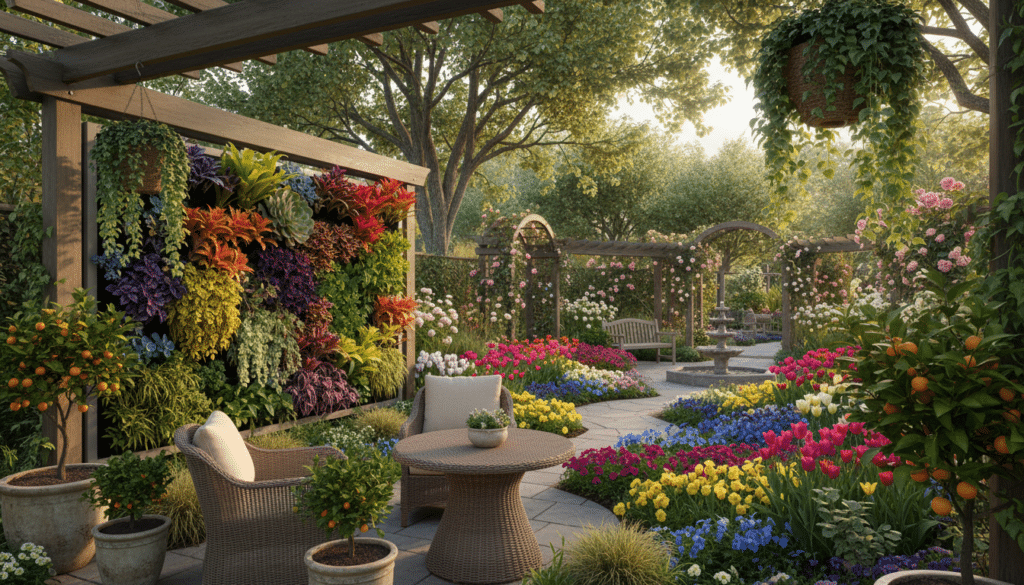
A garden has the most visual impact when the eye has places to wander, inviting you on a unique journey through your greenery. In small spaces, you should work with height, growing up rather than out to keep things interesting. This approach creates a sense of discovery as layered plantings reveal themselves gradually as you move through the area.
Creating Height Variation in Your Plantings
You’ll create a visually appealing area by combining low-growing species with medium shrubs and tall vining plants. While you might consider trees, vines are a fantastic option for tighter spots because they draw the eye upward. They provide a lush backdrop without taking up much floor space or blocking pathways.
Using Foliage Texture and Color Strategically
Treat foliage as the star of your design and use flowers as secondary accents to complement the overall green tapestry. Mix fine-textured ferns with bold hostas or silvery artemisia with deep green herbs to create contrast. To keep things cohesive, you should select a limited color palette of one to three colors per planting area.
| Foliage Combination | Suggested Colors | Visual Impact |
|---|---|---|
| Ferns and Hostas | Green and Chartreuse | Creates Lush Depth |
| Artemisia and Herbs | Silver and Dark Green | Sophisticated Contrast |
| Variegated Ivy | Cream and Green | Brightens Shady Corners |
Proper Spacing to Prevent Overcrowding
Proper planting is about balance; you want abundance without creating a chaotic mess. Your plants need room to grow, as cramped roots won’t reach their full potential in size or productivity. To maximize your space, arrange your greenery in a triangular or offset pattern rather than rigid rows.
Always leave at least three-quarters of the recommended spacing to ensure your greenery gets enough air and light. This thoughtful attention to design ensures your garden feels like a lush, professional sanctuary. You can explore more gardening tips and resources to help you master these professional layout techniques.
Remember that your design should always feel intentional rather than cramped. This method creates a sense of beauty that transforms any tiny plot into a high-end garden. By focusing on these principles, you ensure every inch of your outdoor area serves a purpose.
Optimize Soil Health and Plant Nutrition
Success with small space gardening often comes down to how well you feed the ground that feeds you. Since you are working with a limited volume of soil, every handful must pack a nutritional punch.
Your efforts in the garden will directly reflect the care you put into the earth. Keeping the soil rich ensures your harvest remains bountiful throughout the year.
Dealing with Root Competition in Dense Plantings
When you grow many plants in a tight area, their roots naturally compete for moisture and minerals. This intense competition means your soil requires regular amendments to replenish the nutrients that your vegetation consumes quickly.
You must ensure your containers have adequate drainage holes to prevent waterlogging. These drainage holes allow oxygen to reach the roots and stop rot before it starts. Check your pots every day during the hot summer months to keep moisture levels stable.
Fertilizing Schedule for Small Space Gardens
Establishing a consistent routine helps your food production thrive without any interruption. You should aim to feed most varieties with compost or a balanced fertilizer every 3-4 weeks throughout the growing season.
“Feeding the soil is the most effective way to ensure your garden remains vibrant and resilient against environmental stress.”
Remember that more is not always better when it comes to plant nutrition. Too much fertilizer can actually burn out your plants or negatively shift the soil’s pH level, causing more harm than good.
Using Eggshells and Natural Amendments
High-quality eggshells are your best friend when you want to give your garden a natural calcium boost. This slow-release source strengthens cell walls and helps prevent common issues like blossom end rot in your food crops.
It is a simple trick used in organic gardening for generations. To get the most benefit, follow these simple steps to prepare your amendments:
| Step Number | Action Required | Pro Tip |
|---|---|---|
| 1 | Wash and Dry | Clean out residue and let them air dry completely. |
| 2 | Crush Small | Wrap them in a towel and crush until pieces are under 1/2 inch. |
| 3 | Apply to Soil | Sprinkle them near the roots or work them into the bare dirt. |
To keep your soil in peak condition, consider these additional tips:
- Invest in organic matter like aged manure or high-quality compost.
- Follow application rates exactly as listed on any store-bought fertilizer labels.
- Observe foliage color, as yellowing leaves often signal a need for more nitrogen.
Start with Seedlings for Guaranteed Success
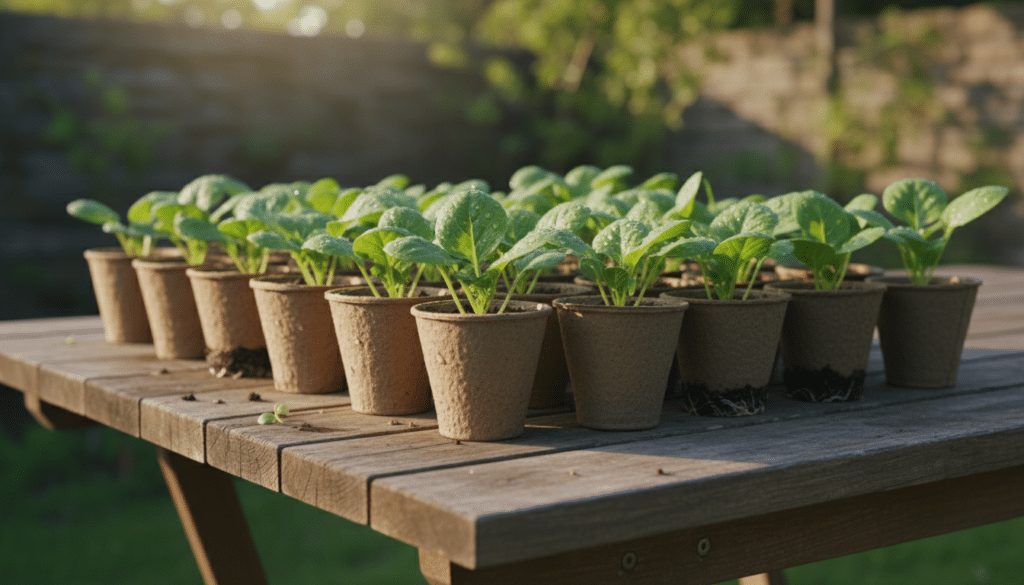
Starting with established starts is the secret weapon for any small space gardener looking for immediate results. When you have limited square footage, you simply cannot afford the risk of empty patches or poor germination. Investing in quality seeds plants allows you to fill every nook and cranny with life right away.
Seeds often need much more attention initially than established plants because they require daily watering until they sprout. By skipping this phase, you ensure your garden remains productive and vibrant from the very first day. Every inch of your soil should be working for you.
Why Seedlings Work Better Than Seeds in Tight Spaces
Direct-sowing often feels like a gamble that a small garden cannot afford to take. If your seeds fail to sprout, you are left with wasted space and a shorter growing window for the year. Buying young starts lets you bypass the tricky germination period entirely.
This method ensures your gardening efforts lead to a high success rate without the constant monitoring seeds require. You will save time and frustration by avoiding the gaps that happen when seeds don’t take hold. While some crops like green beans in a container grow fast from seed, others benefit from being transplants.
Buying Locally Adapted Varieties
Avoid shopping for your vegetable starts at big-box stores where the plant’s history is often unknown. These stores frequently sell varieties that may not thrive in your specific local climate or soil conditions. Instead, visit a local farmers market to find plants raised by people who know your region.
Local CSA farmers often sell the exact seeds plants they use in their own professional fields. These varieties have been tested against regional pests and weather patterns for optimal performance. Choosing these locally adapted options is the best way to ensure your vegetable garden stays healthy and delicious.
Best Vegetables to Start as Seedlings
Focus your budget on heat-loving crops like tomatoes, peppers, and eggplants that need long growing seasons. These specific seeds plants often struggle with finicky germination if started outdoors too late in the spring. You can also buy herbs as established starts to get an immediate culinary harvest for your kitchen.
While you can still direct-sow radishes or carrots, your gardening journey will be much smoother with transplants. This strategy gives you a valuable head start and maximizes your limited growing footprint. You will find that healthy starts establish quickly and begin producing food within just a few weeks.
Create Functional Outdoor Living Spaces
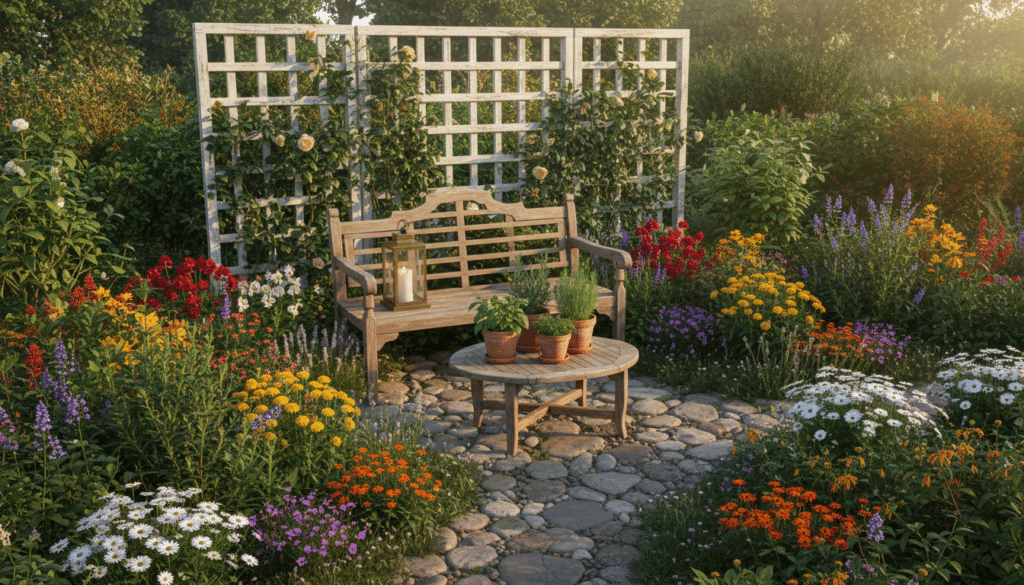
Even when your lot is brimming with greenery, you can still find plenty of room to sit back and relax. You do not have to sacrifice comfort to keep an abundant garden. By choosing your spots carefully, you define outdoor rooms that feel like private escapes.
Incorporating Seating Areas Without Sacrificing Growing Space
When you place furniture strategically, it actually enhances the sense of scale. For example, viewing your garden on a diagonal from the farthest corner makes the space look much bigger than it is. In one successful design, blue chairs occupied the back corner to maximize these long sight lines.
A curved, semi-round bench in a courtyard also helps define a small room. This encourages you to move around garden paths to discover hidden side areas. These simple choices ensure you spend more hours enjoying the scenery rather than just maintaining it.
Strategic Placement for Maximum Garden Views
Positioning seating with a fence or wall at your back provides security and eliminates views of the neighboring house. This layout makes the tiny lot feel like a secluded city oasis. Paths that lead to seating offer a clear journey and a rewarding destination.
This layout makes your outdoor area functional and invites guests to explore every inch of the space. By focusing on what lies behind the seating, you can hide distractions and highlight your best plantings.
Adding Small Structures Like Potting Sheds
Small structures provide storage and style without overwhelming your land. A compact potting shed, roughly the size of a phone booth, remains practical and whimsical. You can use recycled windows to determine the depth and French doors to create a wide, welcoming entrance.
| Feature | Potting Shed | Teahouse |
|---|---|---|
| Size | 3’3″ deep x 4′ wide | 14′ long x 10′ wide |
| Primary Use | Tool storage and potting | Expansive relaxation |
| Visual Trick | Whimsical focal point | Reflective glass depth |
From the inside of the teahouse, the garden looks expansive.
A larger structure can use glass windows to bounce more light around garden beds. From the outside, the reflective glass adds a new dimension of depth. You will love sitting here during the quiet hours after a long day at the house.
Conclusion
You have discovered that a productive garden in small space doesn’t require acres of land.
It just takes smart planning and a creative way to use space effectively.
Starting with a manageable size helps people find success without feeling overwhelmed during their first gardening season.
This guide helps you turn a tiny patio or community plot into a lush vegetable garden.
Two important things to remember include assessing your area and choosing the plant varieties you love.
Growing vertically is a great way to increase your harvest this year.
Make sure to buy seedlings from a local source that knows your climate.
These tips help you build beds that produce fresh food even in a few square feet.
Even a garden small in scale can enrich your life through a daily connection to nature.
You are now part of a community of gardeners who spend peaceful hours tending their gardens.
The only thing left is to decide what you want grow and start your journey.
This book shows that growing food is a rewarding activity that many people enjoy.
Make sure to focus on these important things as your project evolves over the year.
Your life as a successful gardener begins when you realize that a garden small in size produces big results.
This book provides the tips and things needed for lasting gardening success in any garden.
