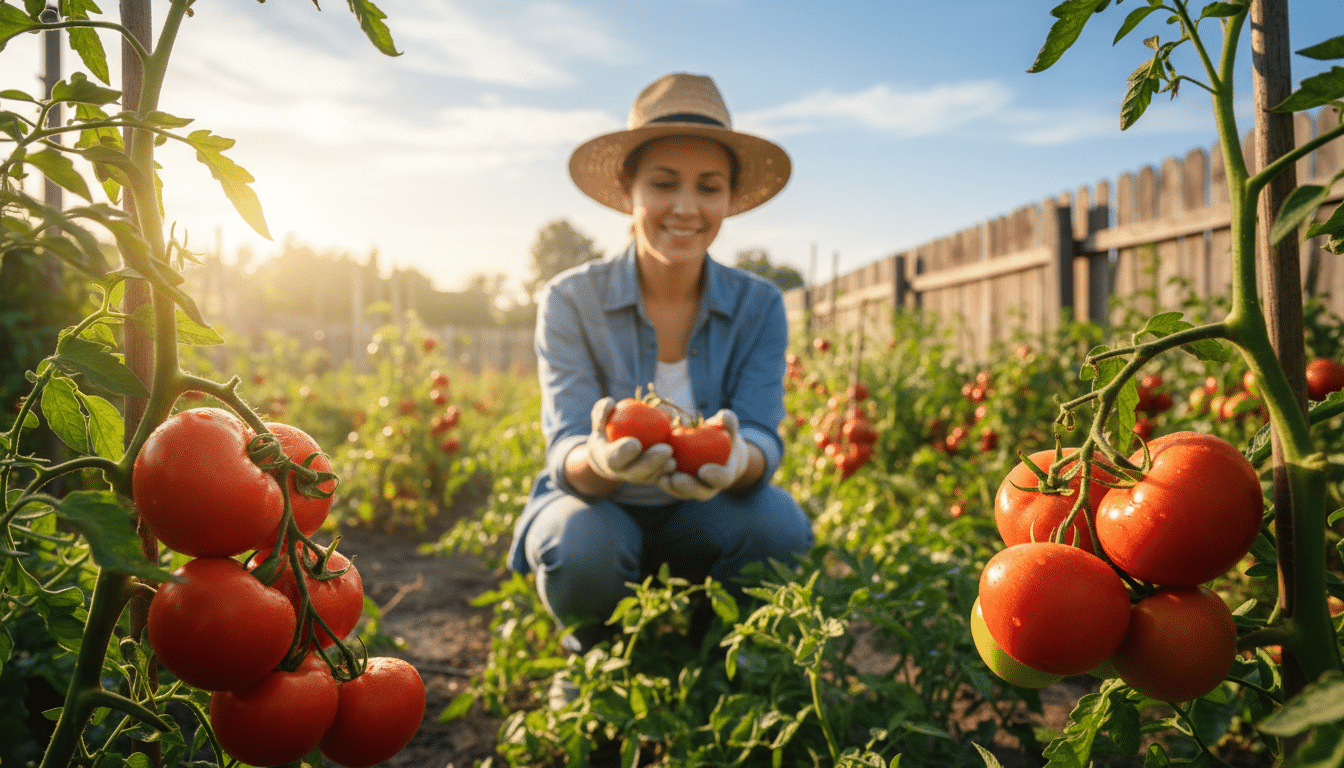
What if the secret behind the most delicious homegrown fruit involves picking before a full red glow appears? Many gardeners face frustration every season while waiting for the perfect time for a pick.
Welcome inside our essential guide regarding when to harvest tomatoes. You might think waiting for full ripeness produces the best flavor. However, science suggests a different ripening path for your garden.
Research indicates that plants stop providing nutrients at the color break stage. Expert Craig LeHoullier found that counter-ripened fruit tastes just as good as vine-ripened versions. Picking at thirty to fifty percent ripeness does not compromise the flavor.
This method avoids common issues like skin cracking and hungry pests. Our guide explains visual signs and touch tests for a perfect yield. You will soon have the confidence to pick perfectly every single day.
Key Takeaways
- Harvest at the color break stage for the best results.
- Plants stop feeding fruit once they are half-ripe.
- Early picking protects your crop from birds and insects.
- Counter-ripened fruits maintain high-quality flavor and texture.
- Prevent skin cracking by removing fruit before heavy rains.
- Visual indicators help identify the right moment for a pick.
Understanding Tomato Ripeness Indicators
Understanding the signs of ripeness is your foundation for gathering the best-tasting tomatoes from your garden. By combining visual cues, physical feel, and knowledge of your specific varieties, you can ensure a perfect harvest every time.
Learning when should I harvest my tomatoes helps you maximize the flavor and quality of your backyard bounty. Even a bit of remaining green on the fruit doesn’t mean it won’t finish maturing later.
Color Changes and Uniformity
Color is the first and most obvious sign that your tomatoes are approaching their peak maturity. As the tomato matures, it transitions from a deep green to its final vibrant hue based on the specific type you chose to grow.
A fully ripe tomato should show uniform color development across its entire skin. Look for consistent shading without any green patches near the stem, which serves as your green light for a successful harvest.
The Firmness Test
While appearance is a great guide, using your sense of touch provides a more reliable assessment of ripeness. Perform a firmness test by giving the produce a very gentle squeeze to check its internal texture.
The best time to pick is when the fruit feels like a slightly soft marshmallow rather than a hard stone.
Ripe tomatoes will yield slightly to pressure and feel somewhat soft to the hand. In contrast, an unripe one will remain rock-hard, suggesting it needs more time on the vine to develop its full taste.
Variety-Specific Timing
Remember that different plants have unique timelines, so knowing your crop helps you pick tomatoes at the right moment. Always check your seed packet for the expected days to harvest and the final mature color.
| Variety Type | Ripening Time | Common Colors |
|---|---|---|
| Early Season | 55 – 65 Days | Red, Yellow |
| Mid Season | 70 – 80 Days | Red, Pink, Purple |
| Late Season | 85 – 100+ Days | Red, Black, Orange |
Patience is key when waiting for those late-season types to reach their full potential. By checking the plant tag, you will know if your variety is meant to stay green or turn a deep, dark purple.
When to Harvest Tomatoes: Reading the Signs
Knowing when to pull your produce from the plant depends on several sensory signals you can easily learn. It is finally time to reap the rewards of your hard work in the garden. You should watch for the start of ethylene production, which usually shows up as a slight color shift at the blossom end.
This subtle change indicates that the ripening process has officially begun. Observation is your best tool for ensuring each tomato reaches its full potential. By monitoring these signs daily, you can avoid the frustration of overripe or split crops.
Visual Cues for Ripe Tomatoes
Look for uniform development across the entire fruit as it matures. Your tomatoes should eventually reach their characteristic shade without green patches on the shoulders. Many experienced gardeners prefer picking at the “color break” stage, which is when the color is 30% to 50% visible.
Harvesting early can protect your crop from birds and unpredictable weather. Use the following guide to identify these visual stages:
| Ripeness Stage | Visual Appearance | Action to Take |
|---|---|---|
| Breaker Stage | Pink or orange starts at the bottom | Can be picked now |
| Turning Stage | 30% to 60% colored surface | Ideal for indoor ripening |
| Fully Ripe | Rich, uniform variety color | Pick and eat immediately |
Touch and Feel Indicators
Gently cradle the ripe tomatoes in your hand to check their current firmness. They should yield slightly to touch, much like a soft, ripe peach. A heavy feel indicates the plant has filled the skins with plenty of juice and flavor.
Truly ready produce will release from the vine with a very gentle twist. If the vine resists your pull, the plant is not yet ready to let go. Follow these tips to harvest tomatoes correctly:
- Weight Test: Ripe fruit feels noticeably heavy for its size.
- Beefsteak Tip: These large varieties are ready when they show full color and a slight “give.”
- The Twist: If you have to yank or use force, leave it for another day.
“The best time to pick is when the fruit is firm but gives slightly to the pressure of your thumb.”
Proper Harvesting Techniques
Proper collection methods protect the delicate vines and keep the fruit fresh for longer. Using the right process ensures you don’t cause any damage to the vine.
Mastering these simple techniques keeps your garden productive throughout the entire growing season.
The Gentle Twist Method
The gentle twist method is the simplest way to pick tomatoes. Grasp the fruit firmly but gently in the palm of your hand.
Slowly rotate the fruit until the stem breaks naturally at the joint. You should avoid yanking or pulling, which can hurt the branches.
When done right, your tomato will have the green calyx and a small piece of vine attached. This proves you haven’t harmed the plant.
Using Garden Shears
Sometimes the vine is too tough for hand-picking, especially with heirloom varieties. For large varieties like beefsteaks, harvesting tomatoes with garden shears is the best choice.
Position the blades just above the fruit and make a clean, quick cut. This prevents bruising the tomatoes and keeps the main plant healthy for future growth. It is a precise and effective method for heavy fruit.
Harvesting Tomato Clusters
For smaller varieties, you can harvest entire clusters once most of the fruit looks ready. Snip the main stem holding the group to save significant time in the garden.
This method improves air circulation around the vine and stops fruit flies from gathering. It is an efficient part of harvesting tomatoes for your kitchen.
Your tomato crop will stay fresh much longer when kept on the vine in clusters. This also makes them perfect for pre-portioned snacking or beautiful salad displays.
Early Harvesting: When and Why
Strategic early picking is a secret weapon used by veteran growers to protect their yield from unexpected threats. While vine-ripened fruit is usually the goal, bringing fruit in early is often the smartest way to ensure a successful yield.
| Trigger Event | Maturity Stage | Primary Benefit |
|---|---|---|
| Upcoming Frost | Mature Green | Prevents fruit rot |
| Heavy Rainfall | 70% Ripeness | Prevents skin splitting |
| Animal Activity | First Blush | Stops pest damage |
Weather-Related Early Picking
When forecasts predict frost at the end of the season, you must act fast to save your crop. Collect any mature green tomatoes before the cold hits to prevent permanent damage. These fruits will still ripen beautifully on your kitchen counter at room temperature.
Sudden heavy rain after a dry spell also threatens your garden. This weather shift often causes the skins to split because the plant absorbs water too quickly. You can avoid this heartbreak by starting your harvest when the fruit shows just a hint of pink. Protecting your yield from unpredictable weather ensures you actually get to eat what you grow.
Protecting from Pests and Disease
As your fruit sweetens on the vine, it becomes a prime target for local wildlife. You might find that squirrels or birds take a single bite out of your best fruit just as it turns red. Picking when you see the first “blush” of color keeps your tomatoes safe from a hungry bite.
Warm, wet conditions also invite disease like late blight, which can destroy a crop in days. If high humidity and rain appear in your forecast, act quickly to secure your fruit. Early removal prevents disease from claiming your hard work. Experienced gardeners have used this method for decades to bypass animal damage and splitting issues successfully.
Ripening Tomatoes Indoors
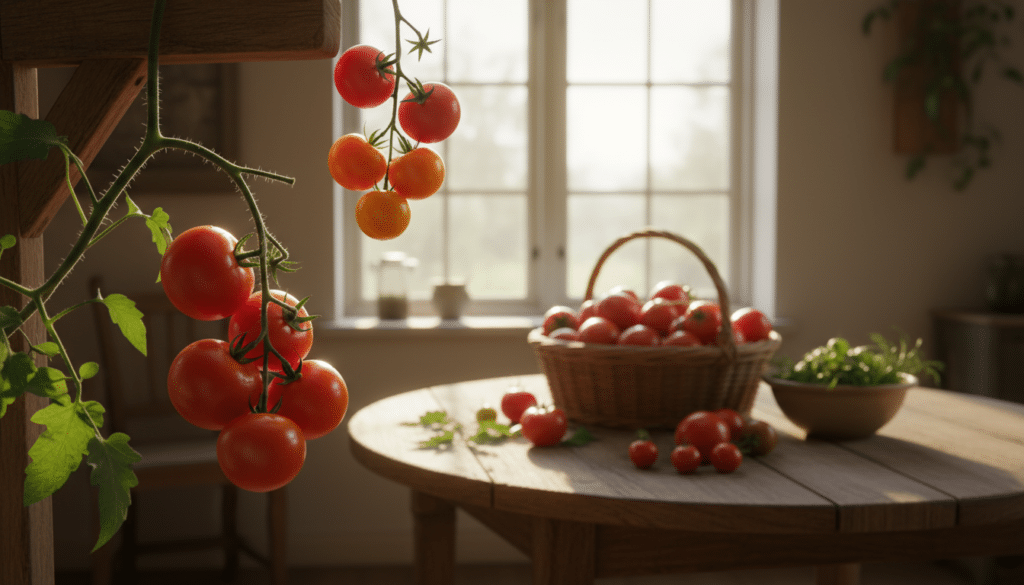
Don’t worry if your garden harvest still looks green; moving them inside is a natural and simple solution. Many gardeners use this method to save their tomatoes from late-season cold or hungry pests. Bringing your crop into the house is a fantastic way to finish the growth process safely.
You do not need to leave every fruit on the plant until it is perfectly red. As long as the fruit has reached a mature size, it will continue to develop off the vine. This flexibility allows you to protect your hard work from unpredictable weather.
Using Ethylene Gas
Did you know that tomatoes ripen by producing a natural hormone called ethylene? This ethylene gas acts as the engine behind the color change and softening. You can speed up this change by placing your green harvest in a paper sack with other fruits like bananas or apples.
This simple trick concentrates the gas in a small, enclosed space. The trapped ethylene triggers faster and more uniform color development. Always check the blossom end for a color shift to see if the ethylene gas is working. Using this method helps you enjoy your favorite garden fruits much sooner than leaving them alone.
“The ripening of a tomato is a physiological journey that continues even after the fruit leaves the branch.”
Best Environmental Conditions
To get the best results, you must keep the temperature steady. Your tomatoes ripen best at 75-85°F during the day and 60-70°F at night. This range mimics the ideal outdoor conditions they need to thrive.
Place them in a bright room but keep them out of direct sunlight. Harsh, direct sun can cause uneven spots or soft patches on the skin. Arrange your cherished tomatoes in a single layer so they do not touch each other. This prevents the spread of rot and allows for better airflow.
Most will be ready within one week, though very green ones may take up to four weeks to reach peak color. Even if they don’t ripen vine style, the flavor remains amazing. You will find very little difference in taste compared to those left in the garden.
| Setup Type | Recommended Temperature | Ideal Light Level |
|---|---|---|
| Countertop | 75-85°F | Bright, Indirect |
| Paper Sack | 70-75°F | Dark/Enclosed |
| Night Storage | 60-70°F | Low Light |
Storing Your Tomato Harvest
The way you handle your harvest after picking determines if you enjoy a burst of flavor or a mealy mess. Never store ripe tomatoes in the refrigerator because cold temperatures destroy their natural flavor. This chill stops the development of aroma compounds, leaving you with tasteless fruit.
Instead, keep your tomatoes in a cool, dry place at room temperature. Place them in a single layer, stem-side up, to prevent bruising. This method works perfectly for any tomato you plan to eat within a few days.
For unripe ones, keep them in a bright area but away from direct sunlight. Too much direct sunlight can lead to uneven ripening and tough skins. Keeping the temperature above 50°F is vital for maintaining peak quality over time so each tomato stays fresh.
If you have too many tomatoes to eat at once, freezing is a great option. You can freeze them whole in bags for up to six months. When you need them, just defrost at room temperature for an hour, and the skins will slip right off.
Another excellent method is turning your harvest into homemade sauce. Freeze the sauce in small portions for a quick meal later. Proper storage at room temperature or in the freezer ensures your hard work doesn’t go to waste.
| Storage Method | Best For | Shelf Life | Expert Tip |
|---|---|---|---|
| Countertop | Fully ripe fruit | 3-5 Days | Store stem-side up |
| Bright Corner | Unripe fruit | 1-2 Weeks | Avoid direct sunlight |
| Deep Freezer | Excess harvest | 6 Months | Freeze whole or as sauce |
Special Considerations for Different Varieties
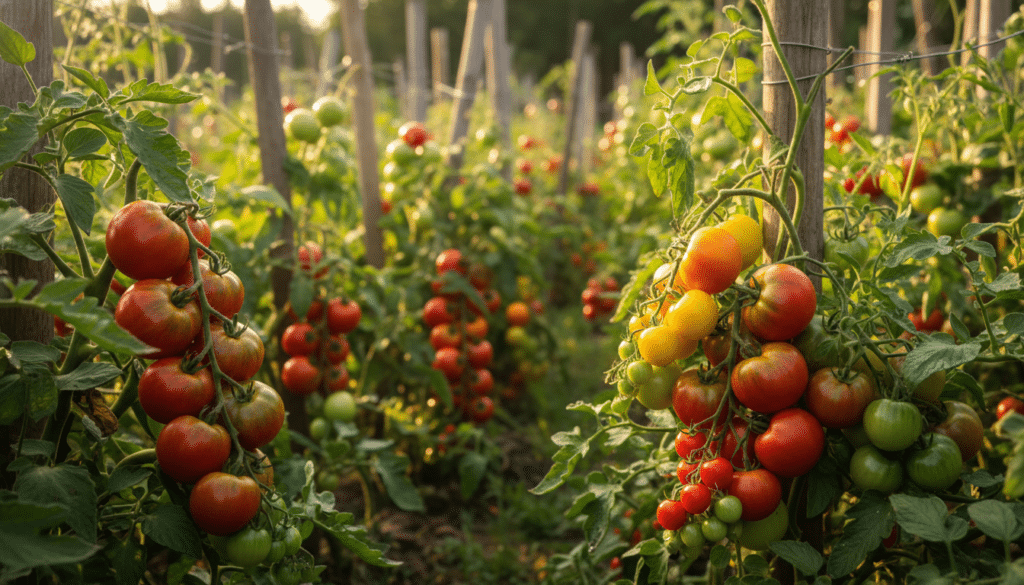
Mastering your harvest means understanding that different varieties require a personalized touch to reach peak flavor. Many gardeners discover that what works for a standard red tomato might not apply to specialty types.
You must adapt your strategy for every plant to ensure the best results. Each crop has a unique personality and ripening schedule that you should learn to recognize.
Handling Heirloom Tomatoes
Heirloom varieties are prized for their complex taste, but they are often more fragile than modern hybrids. Their thin skins are prone to splitting when moisture levels in the soil change rapidly.
This often happens after a heavy summer rain follows a dry spell. To protect these treasures, harvest heirlooms when they are only half to three-quarters ripe.
They will finish ripening off the vine while sitting safely on your counter. This technique prevents the ones you worked so hard on from cracking or decaying.
“The best time to pick your crop is when you achieve the perfect balance of texture and aroma.”
Working with Green Tomatoes
Green tomatoes are not just unripe accidents; they are versatile ingredients in your kitchen. You can use this firm fruit for classic fried slices, tangy pickles, or a zesty salsa verde.
Dark varieties like Black Russian need different visual cues than red ones. While a San Marzano tomato should be deep red, some prefer picking certain types at 80% ripeness for a firmer texture.
| Variety Type | Best Harvest Time | Kitchen Use |
|---|---|---|
| Heirloom | Partial Color | Slicing |
| Green Unripe | Full Size, Firm | Frying |
| Roma / Sauce | Fully Red | Canning |
Experimenting with your tomatoes helps you find the best flavor for your vine. Enjoy the process of discovering how each type reacts to your local climate and garden habits.
Post-Harvest Plant Care
Even after you pick tomatoes, your garden requires consistent attention to ensure the rest of the crop reaches maturity. Experienced gardeners understand that tomato plants need support throughout the entire season to stay productive. Your efforts now will dictate how long your yield lasts.
Ongoing care helps your plants channel their energy into the remaining fruit rather than just growing new leaves. Your work as a grower does not stop once you bring in the first tray of fruit. Consistency is the key to a long-lasting bounty after the initial harvest.
Monitoring Your Tomato Plants
Walk through your patch every few days to check your tomato plants for yellowing leaves or spots. Catching signs of blight or pests within days instead of weeks makes treatment much more effective.
Regular checks keep every plant healthy so it stays ready harvest for the following month. Monitoring the overall health of your plants helps you identify nutrient deficiencies before they ruin the crop.
Maintaining Plants After Harvest
Pruning away new flower clusters helps ripen fruit already on the vine. Reduce water as temperatures cool toward the end of the year to prevent fruit splitting. This keeps each plant strong until the frost arrives.
Once you pick tomatoes for the final time, remove the tomato plants to prevent disease from overwintering. Proper cleanup ensures the garden has a ready harvest next year after the final harvest. Focus your plants on finishing the current cycle with strength.
Conclusion
Taking control of your harvest means you no longer have to wait for full vine ripening in the garden. By picking at the color break, you protect each fruit while finishing the harvest early this summer. This ensures you get the best tomatoes every time.
This simple process gives gardeners more flexibility with indoor ripening. Whether you prefer the vine or a sunny counter, the ripening will result in plenty of ripe tomatoes. Enjoy the success of your homegrown tomatoes!
