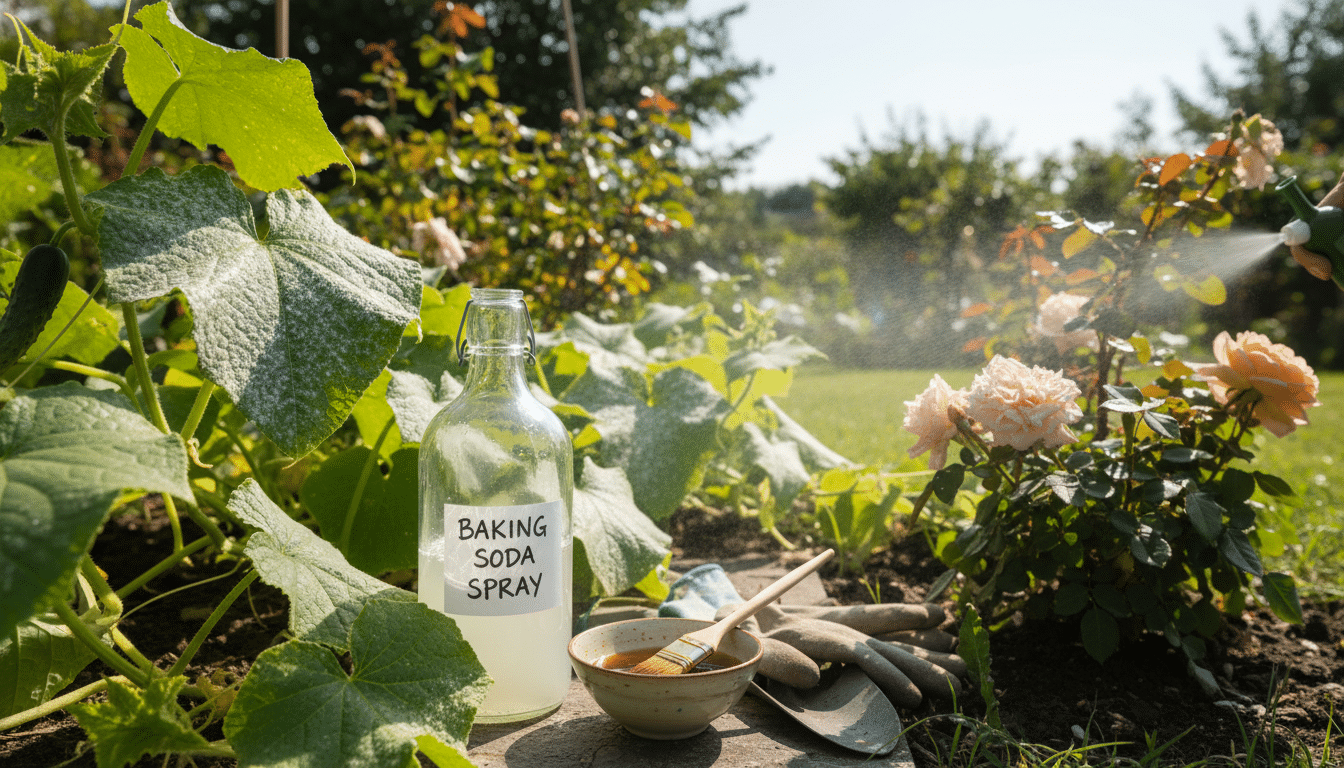
What if you could protect your garden from a silent destroyer without harming the bees and butterflies that call it home?
That white, dusty coating on your leaves is more than just a cosmetic issue. This common fungal disease, endemic to damp climates, is a major headache for growers. It interferes with a plant’s ability to photosynthesize, weakening it and often ruining precious crops like cucumbers and squash.
Many gardeners face this persistent foe. The challenge is finding a management strategy that is both effective and safe. Harsh chemical sprays can eliminate the problem but often at a terrible cost to resident pollinators and the local ecosystem.
This guide is dedicated to a different path. We will explore why this infection is so stubborn and how to spot its early signs. Most importantly, you’ll learn to defend your greenery using simple, accessible ingredients. You can restore your garden’s health and keep it a thriving, friendly space for all.
Key Takeaways
- Powdery mildew is a pervasive fungal issue common in humid and damp garden environments.
- It damages foliage by blocking sunlight, which cripples photosynthesis and stunts plant growth.
- Conventional chemical treatments can harm essential beneficial insects like bees and butterflies.
- Early identification of the white, powdery spots is key to successful control.
- Simple, natural remedies using common household products can be highly effective.
- Choosing eco-friendly methods protects your local wildlife and garden ecosystem.
- With the right approach, you can rescue infected plants and prevent future outbreaks.
Understanding Powdery Mildew: Causes and Symptoms
Recognizing the specific strain causing the problem is the first step toward effective management. This common garden issue is a fungal infection, not just simple dust.
What is Powdery Mildew?
It is a disease caused by microscopic fungi. Research from the University of Minnesota identifies Podosphaera xanthii as a major strain. These organisms thrive in specific, often humid, conditions.
| Feature | Description | Impact |
|---|---|---|
| Pathogen Type | Fungal spores (e.g., Podosphaera) | Initiates infection on plant surfaces |
| Preferred Environment | Moderate temps, high humidity, poor air flow | Creates ideal conditions for spore germination |
| Visual Signs | White, powdery spots on foliage and stems | Blocks sunlight, reducing photosynthesis |
| Plant Effect | General decline in vigor and growth | Weakens the plant, can reduce yields |
Identifying Early Signs on Leaves and Stems
Early detection is crucial. Look for small, circular, white spots. They have a powdery texture.
These spots often join together, forming a mat. This grayish-white layer appears on the surface of leaves, stems, and even petals.
It is the visible sign of the fungus feeding. Catching it at this stage gives you the best chance for control.
Identifying Affected Plants and Environmental Conditions
Specific environmental conditions and plant varieties create a perfect storm for this common issue. Your garden’s health depends on recognizing both factors.
Susceptible Plant Varieties
Not all greenery is equally at risk. Many different fungal species cause the disease, and each has a limited host range.
This means specific plant groups are targeted. Popular garden varieties are often the hardest hit.
| Common Susceptible Plants | Typical Impact | Notes |
|---|---|---|
| Cucumbers & Squash | Severe leaf coverage, reduced fruit yield | Often among the first to show signs |
| Roses | Powdery coating on buds and young stems | Can disfigure blooms and weaken the plant |
| Zinnias & Phlox | White spots rapidly covering foliage | Spreads quickly in crowded flower beds |
Environmental Triggers and Humidity Factors
The fungus thrives in very specific conditions. Ideal temperatures fall between 68 and 81 degrees Fahrenheit.
Research indicates that powdery mildew prefers humid weather and temperatures in the 68 to 81 degree Fahrenheit range.
High relative humidity favors spore formation. This is why problems often peak when days are warm and nights are cool and damp.
Wind and splashing rain can move spores between your garden plants. Good air flow is a powerful deterrent.
By knowing which plants are vulnerable and what weather patterns to watch for, you can build a stronger defense.
Natural Remedies for Powdery Mildew Treatment
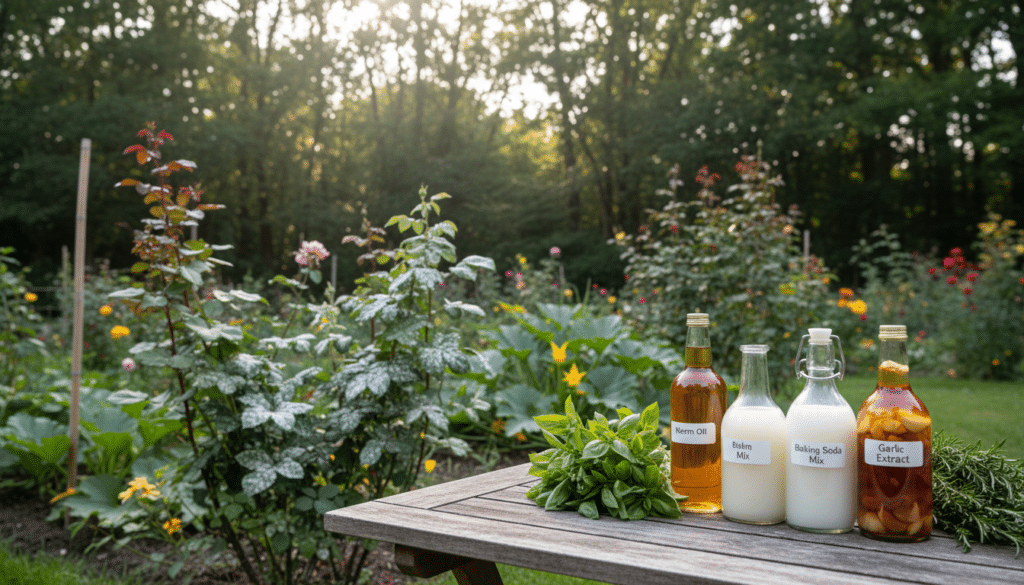
Effective control of fungal issues doesn’t require a trip to the garden center for harsh chemicals. Your kitchen and bathroom likely hold several powerful, eco-friendly options. These natural solutions tackle the infection without harming beneficial insects or your garden’s balance.
Hydrogen Peroxide: A Safe and Effective Method
A bottle of Swan 3% Hydrogen Peroxide is a gardener’s versatile friend. It’s a safe, cheap, and effective natural fungicide. When diluted properly, it attacks the fungi causing powdery mildew and then breaks down into water and oxygen.
This makes it an excellent choice for managing this common disease. For a detailed guide on ratios and application, explore using hydrogen peroxide in your garden.
Alternative Mixtures: Milk, Baking Soda, and More
For those seeking other options, simple mixtures work well. Combine one tablespoon of baking soda with a teaspoon of liquid Castile soap in a gallon of water. This creates a potent control spray that alters surface pH, discouraging the mildew.
Another remarkable remedy uses milk. A mix of one part milk to two parts water has proven antifungal properties. It’s a great way to use expired dairy products. Both these fungicide options help stop the spread of the infection.
Always apply any solution carefully, preferably in the cool morning, to avoid stressing your plants.
How to Treat Powdery Mildew on Plants
The right mixture and method can turn the tide against persistent fungal problems. This section walks you through the practical steps to apply your chosen remedy effectively.
Step-by-Step Treatment Process
Begin by mixing your selected solution. For prevention, a 1:32 ratio works best. That’s half a cup of 3% hydrogen peroxide in one gallon of water.
For an active outbreak, switch to a stronger 1:9 mixture. This means one part peroxide to nine parts water. Always use precise measurements.
Pour the mixture into a clean spray bottle or garden sprayer. Apply it generously to all affected areas. Cover every leaf surface, stem, and even the surrounding soil.
This thorough coverage eliminates spores that could cause future issues. Repeat the application every few days until the white coating disappears.
Proper Dilution Ratios and Safety Tips
Correct dilution is critical for safety and efficacy. Using too strong a mix can harm delicate leaves. Too weak, and it won’t control the fungus.
Stick to the recommended ratios. If using a store-bought fungicide, follow the label instructions exactly. This prevents chemical burns on your greenery.
Always apply sprays during the cooler morning hours. This gives foliage time to dry before the heat of the day. Consistent treatment is the key to clearing the infection.
Preventative Measures and Effective Garden Maintenance
Prevention is the most powerful tool in any gardener’s arsenal against fungal threats. Daily habits and seasonal chores build a resilient environment where issues struggle to take hold.
Focus on cultural practices that promote strong, healthy plants. This approach stops problems before they start.
Regular Pruning and Garden Hygiene
Consistent pruning is your first line of defense. Remove infected leaves immediately to improve airflow. This simple act prevents spores from spreading to healthy foliage.
For susceptible species like crape myrtle and dogwood, pruning suckers is essential. These tender shoots are highly vulnerable to fungal growth.
Good garden hygiene extends beyond the growing season. Clear away fallen leaves in autumn. This debris can harbor the fungus through winter, ready to infect next year’s plants.
Avoid over-fertilizing, especially with nitrogen. It forces lush, weak growth that invites disease. Monitor your garden closely for early signs of damage.
| Preventative Practice | Primary Benefit | Key Tip |
|---|---|---|
| Selective Pruning | Enhances air circulation, removes infected material | Sterilize tools between cuts to avoid spreading spores |
| Leaf & Debris Cleanup | Eliminates overwintering sites for fungus | Compost only healthy material; destroy diseased foliage |
| Balanced Fertilization | Promotes sturdy, disease-resistant growth | Use a slow-release, balanced formula to avoid excess nitrogen |
| Strategic Watering | Keeps foliage dry, discouraging spore germination | Water at the base of plants in the early morning |
| Proactive Monitoring | Allows for early intervention before major outbreaks | Inspect the undersides of leaves weekly for the first powdery signs |
Routine checks let you act fast. For specific guidance on protecting popular blooms, consult this common knockout roses disease guide. Healthy soil and smart spacing complete your defense strategy.
Application Techniques for Eco-Friendly Fungicide Sprays

A successful fungal management strategy hinges on two key factors: when you spray and how you cover. Proper technique ensures your natural solution works effectively against the disease.
Optimal Spraying Times and Weather Considerations
Timing your application is crucial. Apply your fungicide in the cool, calm hours of early morning or late evening.
This time allows the solution to dry slowly on plant surfaces. Midday heat causes rapid evaporation, reducing effectiveness.
It can also scorch delicate leaves. Always check the weather forecast. Avoid spraying if rain is expected within a few hours.
Be mindful of wind. A breezy day will carry your spray away from your target garden plants.
| Application Time | Advantages | Potential Issues |
|---|---|---|
| Early Morning | Cool temperatures, low wind, full day for foliage to dry | Dew may dilute spray; requires early start |
| Late Evening | Similar cool, calm conditions; no harsh sun | Foliage may stay damp overnight in high humidity |
| Midday | Convenient timing | High evaporation risk, potential for leaf burn, increased wind |
Using the Right Equipment for Complete Coverage
The tool you use matters as much as the water-based mixture. A high-quality, battery-powered sprayer is ideal.
It provides consistent pressure for a fine mist. This ensures you coat the tops and undersides of leaves completely.
The powdery mildew fungus often hides on leaf undersides. Full coverage is non-negotiable for stopping the infection.
Consistency is key. Reapply your spray every 5 to 7 days. This breaks the mildew‘s life cycle, especially after rain.
Integrating Resistant Varieties and Cultural Practices
Building a resilient garden starts with choosing the right plants and smart design. This proactive approach reduces reliance on sprays and creates a naturally healthy environment.
Selecting Resistant Plant Varieties
Many modern cultivars offer built-in protection against common fungal disease like powdery mildew. For example, the Sugar Ann Pea matures in just 56 days and shows strong resistance.
The Ambrosia Hybrid Cantaloupe is another excellent choice, producing fruit in 86 days. Vegetable growers can rely on the Provider Bean, which matures in 50 days.
For colorful blooms, the Aztec Sunset Zinnia is a beautiful variety producing bicolored flowers in 75 days. The Garden Sweet Burpless Hybrid cucumber matures in 55 days with excellent resistance.
Implementing Crop Rotation and Proper Spacing
Rotating your vegetables each summer season disrupts the life cycle of soil-borne spores. Avoid planting the same species in the same bed consecutively.
Proper spacing between plants ensures good air circulation. This reduces humidity around leaves, making conditions less favorable for powdery mildew development.
Adopting a Thoughtful Garden Layout
Arrange your garden to maximize sunlight and airflow. Place taller plants where they won’t shade susceptible varieties.
Group plants with similar water needs together. This simplifies watering and prevents overwatering, which can encourage fungal growth.
Safety, Timing, and Environmental Considerations
Managing plant health responsibly means considering the entire ecosystem, from the soil microbes to the bees buzzing overhead. Your success in controlling a powdery mildew outbreak should never come at the expense of the beneficial life in your garden.
Precautionary Measures for Pollinators
Honey bees and bumble bees are vital for your flowers and fruit. Harsh chemical pesticides can severely harm these essential insects. Protecting them is a cornerstone of responsible garden stewardship.
Always check weather conditions before any application. High temperatures or strong wind can cause spray drift, harming non-target areas. Apply treatments in the late evening when pollinator activity is lowest.
This timing allows the foliage to dry overnight. It minimizes direct contact with foraging bees. Consistent evening applications help manage the fungus effectively.
| Time of Day | Pollinator Activity | Recommendation |
|---|---|---|
| Early Morning | Moderate to High | Avoid spraying; bees are beginning daily foraging. |
| Midday | Very High | Not recommended due to peak bee activity and heat. |
| Late Evening | Very Low | Ideal time for application; bees have returned to hives. |
Read all labels on your garden products thoroughly. Follow safety guidelines for your specific plants and the local environment. This careful approach prevents unnecessary damage to your backyard’s delicate balance.
Conclusion
Your journey to a healthier garden is now empowered with natural, effective strategies. Join over 50,000 gardeners who use these tips to manage common issues like powdery mildew.
Remember, consistent care and the right remedies keep your plants thriving. Monitor your vegetables and flowers for early signs. This stops the spread of fungi and protects your hard-earned harvest.
Always prioritize your soil‘s health and local pollinators’ safety. Choose methods that defend your garden without harm.
With resistant varieties and proactive hygiene, you can enjoy a beautiful, productive space. Your efforts will yield vibrant growth season after season.
