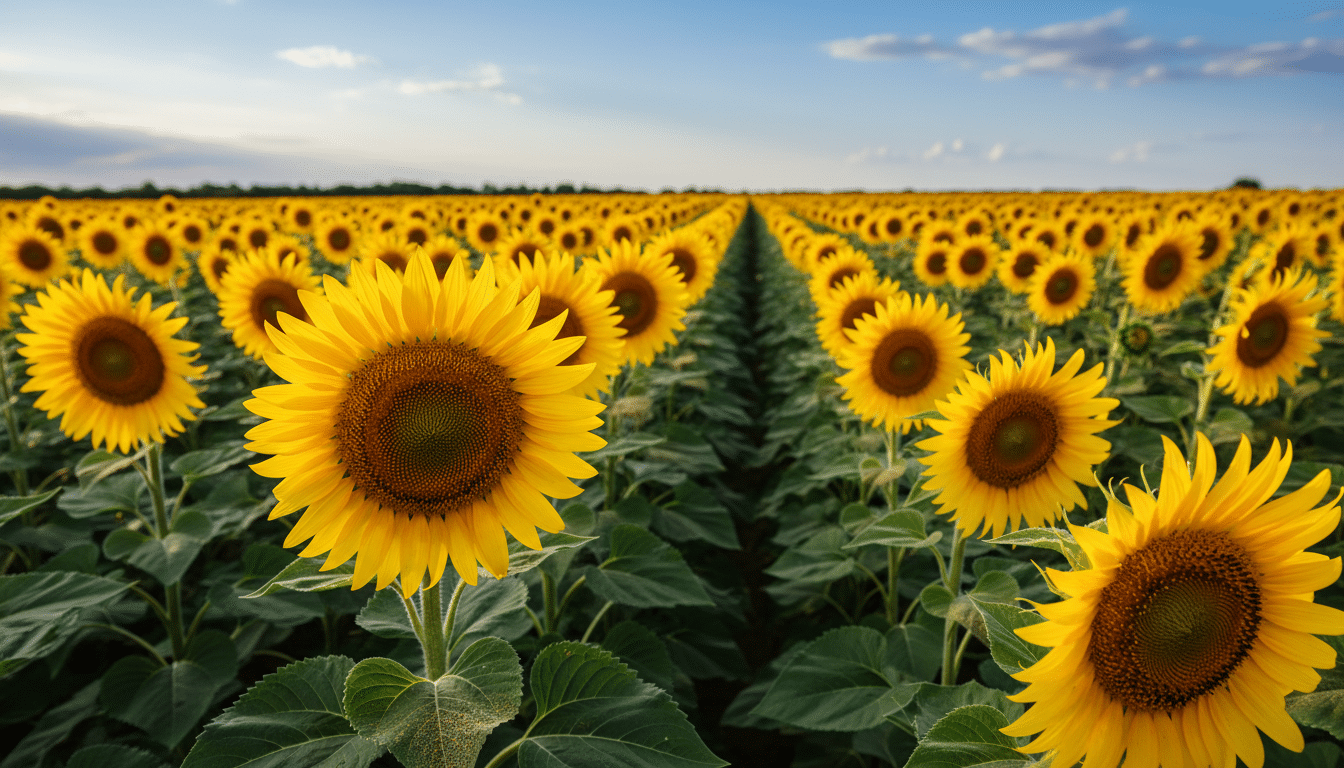
What if you could cultivate a living symbol of summer that towers over your yard and faithfully follows the sun across the sky?
These iconic American native flowers bring unmatched vibrancy and life to any outdoor space. Their journey from a small kernel to a majestic bloom is a quick and deeply rewarding experience for any gardener.
Most varieties reach their full, impressive height in just 70 to 95 days. This fascinating process of tracking the sun, called heliotropism, makes them a constant source of delight.
Beyond their beauty, these plants are workhorses for your plot. They attract essential pollinators like bees and butterflies. Later, you can harvest your own nutritious seeds.
This guide will walk you through every step. You will learn to select the perfect type and nurture your stalks to their full, healthy potential.
Key Takeaways
- Sunflowers are native to the United States and offer a fast-growing, rewarding project for gardeners of all levels.
- These plants famously exhibit heliotropism, turning their heads to follow the sun’s path across the sky.
- Most common varieties mature from seed to towering bloom in roughly 70 to 95 days.
- Planting them supports local ecosystems by attracting vital pollinators to your garden.
- You can enjoy the dual purpose of stunning flowers and a harvest of edible sunflower seeds.
- With simple, clear steps, even beginners can achieve success with tall, healthy plants.
- Choosing the right variety for your space and goals is the first critical step to a great harvest.
Introduction to Sunflower Gardening
The iconic sunflower, with its cheerful face and towering stature, is a cornerstone of American summer gardens. This practice connects us to a rich history while delivering stunning visual rewards.
Gardening with these bright blooms is a tradition dating back to Native American cultures. They valued the plants for food, medicine, and creating dyes.
Benefits and Visual Appeal in the Garden
Sunflowers are a classic symbol of the season. They bring a cheerful and bright aesthetic to any landscape.
Their unique ability to follow the sun ensures your garden remains dynamic. It engages from early morning until evening.
Beyond beauty, these plants provide essential pollen. They support honeybees, bumblebees, and butterflies throughout the growing season.
| Benefit | Description | Ideal For |
|---|---|---|
| Visual Impact | Large, bright flower heads create a stunning focal point. | Ornamental beds and borders |
| Pollinator Support | Provides vital pollen and nectar for bees and butterflies. | Eco-friendly and wildlife gardens |
| Dual-Purpose Use | Can be grown for both decorative appeal and seed production. | Hobbyists and home harvesters |
| Cultural Significance | Deep roots in Native American tradition and modern agriculture. | Historical and educational plots |
| Heliotropism | Flower heads track the sun, adding daily movement. | Interactive and engaging spaces |
Key Considerations for U.S. Gardeners
Sunflowers became a major U.S. crop during the 1970s. High European demand for sunflower oil drove this expansion.
Today, they are one of the few plants serving both ornamental and agricultural needs. This makes them a versatile choice for any plot.
Remember, these plants are a vital food source. Birds, bees, and humans all enjoy the nutritious seeds they produce.
Understanding Sunflowers and Their Varieties
From petite border plants to sky-scraping giants, the diversity of sunflowers is remarkable. These plants can range from dwarf types at two feet to massive giants reaching fifteen feet. Selecting the right sunflower varieties is crucial for your garden’s success.
Oilseed vs. Confection Varieties
Sunflowers primarily fall into two agricultural categories. Oilseed varieties are grown for their high oil content, used in cooking and bird seed. Confection types, like the popular ‘Mammoth’, are bred for large, tasty seeds meant for human snacks.
“The sunflower is a plant of many uses, bridging the gap between farm field and flower garden.”
Choosing Ornamental Options for Cut Flowers
For a stunning cut flower, look for ornamental sunflowers. Many are pollenless, keeping indoor arrangements clean. Branching types produce multiple blooms over weeks, while single-stem varieties offer one spectacular flower.
| Type | Primary Use | Typical Height | Key Characteristics |
|---|---|---|---|
| Oilseed | Oil production, bird feed | 5-7 feet tall | Small black seeds, high oil content |
| Confection | Human consumption | 10-12 foot tall | Large striped seeds, classic ‘Mammoth’ type |
| Ornamental (Cut) | Bouquets, decorations | 3-6 feet tall | Pollenless, multiple colors, branching habit |
| Ornamental (Giant) | Garden focal point | 12-15 feet tall | Single massive bloom, impressive height |
Always check your seed packet. It will tell you if your sunflower is branching or single-stem. This simple step ensures your garden matches your vision perfectly.
Preparing the Garden and Soil
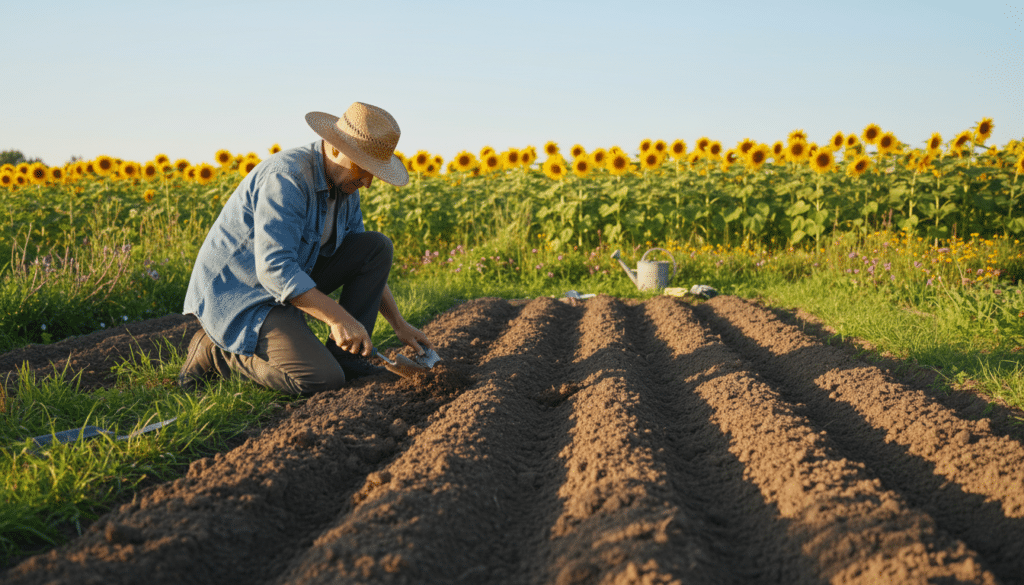
Before a single seed is planted, your sunflowers’ success depends on a quality foundation. These vigorous blooms need supportive earth to reach towering potential.
Soil Type and pH Guidelines
They thrive in well-drained earth like clay loam. The soil pH should be between 6.0 and 7.0.
Test your ground with a simple kit. Amend with lime or sulfur if needed. This ensures optimal nutrient uptake.
Sunflowers have extensive root systems. Tilling to two feet deep helps establish a strong anchor. Add organic matter like composted manure.
Keep conditions loose and well-draining. Avoid compaction so taproots can stretch.
Fertilizer Applications and Nutrient Requirements
They are heavy feeders. Use a slow-release granular fertilizer worked eight inches deep before planting.
A split nitrogen application boosts growth. Apply half at planting and half later. This increases flower head size.
| Aspect | Ideal Range | Key Action | Benefit |
|---|---|---|---|
| Soil pH | 6.0 – 7.0 | Test and amend | Ensures nutrient availability |
| Soil Texture | Well-drained loam | Add organic matter | Improves root growth |
| Fertilizer Type | Slow-release granular | Work 8 inches deep | Feeds them throughout season |
| Nitrogen Application | Split (50/50) | Apply at planting and mid-growth | Promotes larger flowers |
A well-prepared bed gives your sunflowers a strong start for a spectacular show.
How to Grow Sunflowers from Seed
The calendar and the thermometer are your best guides for a successful sunflower season. Perfect timing ensures your stalks shoot up strong and produce those iconic, cheerful faces.
Essential Timing and Weather Considerations
Patience is key. Always wait until the last spring frost has passed before sowing. Your soil should feel warm, at least 50°F, for proper germination.
Most varieties complete their life cycle in 85 to 95 days. This makes them a quick summer project. Planting dates vary across the U.S.
Gardeners in northern states typically plant between April and mid-June. Southern regions can start as early as March. Match your schedule to your local climate.
For a non-stop show, try succession planting. Sow a new batch every two or three weeks. This strategy delivers continuous blooms from summer into fall.
These are heat-loving plants. They thrive on long, warm days to fuel their impressive growth. Cool, wet weather can hinder development and invite disease.
Monitor conditions closely after planting. Early fields in soggy soil are more vulnerable. Good timing leads to healthy, towering plants and bountiful flowers.
Planting Techniques and Best Practices
The journey from seed to majestic bloom begins with mastering a few essential planting steps. Correct methods ensure your stalks develop strong roots and reach for the sky.
Direct Sowing vs. Indoor Transplanting
Direct sowing is the preferred method for these vigorous plants. Sunflowers dislike root disturbance, making transplanting from containers tricky.
If you start seeds indoors, use biodegradable pots. These minimize root shock when moving your young seedlings to the garden.
Spacing, Sowing Depth, and Row Arrangements
Plant your sunflower seeds one to two inches deep. This protects them and provides enough moisture for germination.
Space seeds six inches apart for smaller varieties. Allow up to twelve inches for taller types to ensure proper airflow.
When planting in rows, keep them two to three feet apart. This gives your plants ample room to branch out and thrive.
Thin out your seedlings once they reach six inches in height. This ensures the strongest plants have the space they need.
Always cover the seeds firmly with soil. Water them gently to encourage germination and early root development.
| Planting Aspect | Recommended Practice | Key Benefit |
|---|---|---|
| Sowing Depth | 1 to 2 inches deep | Protects seed, ensures moisture access |
| Seed Spacing | 6 inches (small) to 12 inches (tall) | Prevents crowding, improves air flow |
| Row Spacing | 2 to 3 feet apart | Allows for full plant development |
| Thinning | When seedlings are 6 inches tall | Strengthens remaining plants |
| Initial Watering | Gentle, after covering seeds | Encourages germination and root growth |
Watering, Feeding, and Ongoing Care
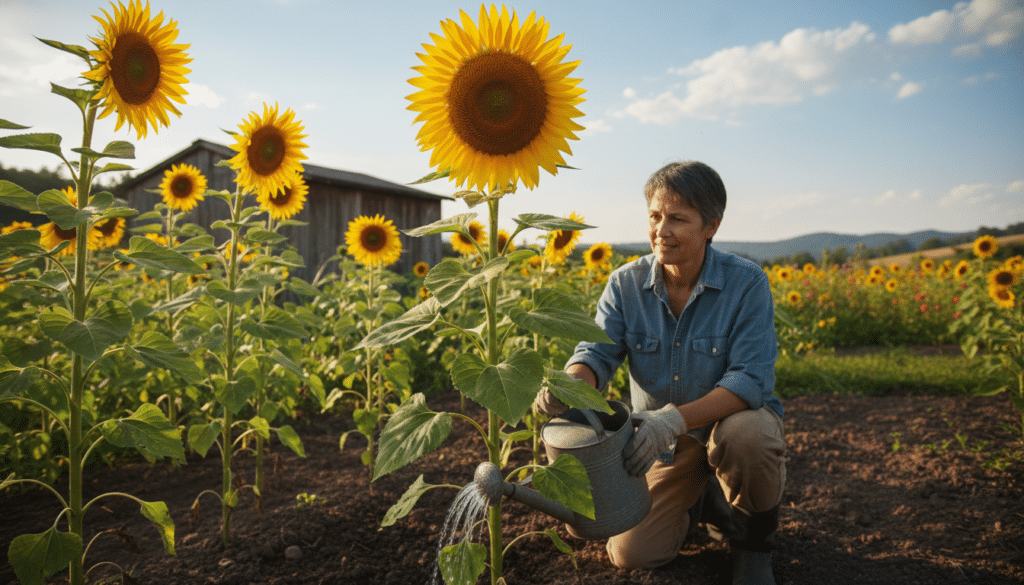
Proper hydration and nutrition are the twin pillars that support your sunflowers’ journey from sturdy stalk to glorious bloom. Consistent attention after planting ensures your plants develop the resilience needed for a spectacular show.
Establishing a Strong Root System
Deep, infrequent watering is the secret. It encourages roots to reach down into the soil. This creates a robust anchor that helps your sunflower withstand dry spells later on.
During the first few weeks, keep the soil consistently moist. Aim your water around the base, about four inches from the main stem. This targets the root zone without causing stem rot.
Building a small soil moat about eighteen inches out from the plant is a smart trick. It directs water and fertilizer right where they’re needed most.
Managing Water and Fertilizer Needs
Once established, your sunflowers need about one inch of water per week. This supports their heavy flower heads. Be cautious with fertilizer.
Too many nutrients can make the main stem weak. A fragile stalk may break under the weight of a large bloom. If your plant leans, use a bamboo stake for temporary support.
For long-term garden success, consider the techniques for a perennial sunflower. They share similar care principles.
| Care Aspect | Early Growth (First 3-4 Weeks) | Established Plant (After 4 Weeks) | Key Goal |
|---|---|---|---|
| Watering | Keep soil consistently moist | 1 inch per week, deep watering | Develop deep, drought-tolerant roots |
| Fertilizing | Use starter fertilizer if needed | Avoid excess; can weaken stems | Promote strong stem for heavy flower |
| Method | Water 3-4 inches from stem | Use a soil moat to direct flow | Deliver resources to root zone |
| Support | Usually not required | Stake if leaning occurs | Prevent breakage from weight |
Following these simple routines will keep your sunflowers healthy and upright. They will reward you with strong growth and vibrant flowers all season long.
Troubleshooting Pests, Diseases, and Weed Control
Protecting your sunflowers from uninvited guests and diseases is key to enjoying a full season of blooms. Vigilance after planting ensures your investment yields tall, healthy plants.
Common Insects and Wildlife Challenges
Birds are frequent visitors that love to eat developing seeds. Use netting or decoy statues to protect your crop as the flower heads mature.
Deer can quickly demolish young sunflower plants. Fencing or repellents are often necessary in areas with high deer populations.
Insects like aphids and stink bugs can damage leaves and stems. Monitor your garden regularly for early signs of infestation.
Preventing and Managing Diseases
Common issues like powdery mildew and rust favor warm, humid conditions. Extended periods of leaf wetness encourage these fungal diseases.
Smart cultural practices make a big difference. Rotating crops and clearing plant residue reduces the severity of problems like rust.
Keep the area around your sunflowers free of weeds. This prevents competition for nutrients, especially during early growth stages.
If you spot fungal issues early, a general garden fungicide can help save your sunflowers from further damage. Always follow label instructions carefully.
Harvesting and Post-Harvest Tips
Knowing precisely when and how to gather your blooms and seeds makes all the difference between a fleeting moment and a lasting treasure. The right techniques preserve their vibrant beauty and ensure your hard work pays off with a bountiful yield.
Your plants give clear signals when they are ready. Learning to read these signs is the key to perfect cut flower arrangements and plump, tasty sunflower seeds.
Harvesting for Cut Flower Arrangements
For the best vase life, gather your sunflowers in the early morning. The ideal time is just as the petals start to lift off the face of the flower.
Immediately strip the leaves from the lower stem. Recut the bottom at a sharp 45-degree angle. This allows for better water uptake.
With fresh water changed every day, your cut blooms can last up to a week at room temperature. This daily refresh prevents bacterial growth that shortens their display.
Seed Harvesting and Drying Techniques
Wait for the back of the flower heads to turn a deep brown. The sunflower seeds should look plump and feel loose.
Cut the head off, leaving about six inches of stem attached. Hang it upside down in a dry, airy location to cure.
“A properly dried seed head will release its bounty with a gentle rub.”
Once fully dry, use a fork or your hands to easily remove the sunflower seed kernels. For a savory snack, soak them in salted water overnight.
Roast them on a baking sheet at 325°F for about 25 minutes. Let them cool completely before storing your homegrown harvest.
| Purpose | When to Harvest | Key Action | Post-Harvest Tip |
|---|---|---|---|
| Cut Flowers | Early morning, petals lifting | Recut stem at 45° angle | Change vase water daily |
| Seeds for Eating | Head back is brown, seeds loose | Hang head upside down to dry | Soak in salt water before roasting |
Conclusion
Watching a sunflower ascend from a tiny kernel to a golden giant is one of summer’s greatest joys. This simple, rewarding project adds striking height and vibrant color to your garden for months.
By selecting the right sunflower varieties and providing basic care, you will enjoy spectacular blooms and a harvest of nutritious seeds. These plants are surprisingly easy to manage.
Remember to shield young seedlings from birds and deer. Ensure they get plenty of sun and deep water each week for optimal growth.
Whether for stunning cut flowers or to feed local wildlife, these golden giants are a true garden treasure. Start your journey today and experience the magic in your own backyard.
